
Reading options
What's inside (16 sections)
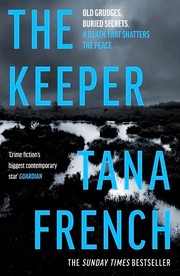
The Cal Hooper trilogy ends here, in the same west Ireland village where an American ex-cop tried to disappear. A dead girl in a river. A town split. A wedding postponed. French writes atmosphere the way other people write plot, and this finale leans all the way into elegy. Readers wanting fireworks should look elsewhere. Readers wanting weather, interior and exterior, will be fed.
Cal came to Ardnakelty to stop being a cop. Three books later he is investigating again because nobody else will do it right. That contradiction powers the whole trilogy, and this volume finally reckons with it fully. Trying not to be who you are turns out to be its own kind of performance.
Rachel in the river
Rachel Holohan's body in the water breaks the village's fragile peace. Young, local, known to everyone: her death cannot be filed away like city casualties. Grief turns quickly to suspicion, suspicion to factions. French maps the split street by street, pub by pub, family by family.
The investigation belongs to Cal unofficially and uncomfortably. Retired Chicago detective, American outsider, engaged to a local woman: every move he makes gets read three ways. His care reads as interference. His distance reads as guilt. French understands small places the way she understands interrogation rooms. Both run on what goes unsaid.
Rachel herself emerges gradually through others' accounts. Daughter, friend, worker, secret-keeper. Nobody's version matches anyone else's. That Rashomon quality is deliberate. The dead girl belongs to whoever remembers her, which means she belongs to no one completely. The book's sadness starts here and never lifts.
The village divides
Ardnakelty splits along lines laid down in the first two books and older ones underneath. Land, money, grudges, pub loyalties: French layers divisions until the village feels geologically stratified. Newcomers to the trilogy will feel the weight without always tracking the strata. Veterans will catch every callback.
Cal's fiancee stands at the divide's center with him. Their relationship, built across two books of slow trust, faces its hardest test. She wants peace. He wants truth. Those wants conflict directly now, and love has to survive the collision or not. The domestic scenes ache with what's unsaid between people who know each other completely.
The wedding postponement functions as emotional barometer. Every delay measures the case's toll. French never treats the romance as subplot. It is the book's other main investigation: can two damaged adults build something whole in a broken place? The answer stays uncertain deep into the final act.
Cal investigates anyway
He cannot help himself, and the book is honest about what that costs. Every interview spends social capital. Every discovery creates enemies. Cal's American directness, useful in Chicago, misfires constantly here. French writes cross-cultural friction with anthropological precision. Questions that sound neutral in one place sound like accusations in another.
The procedural material stays deliberately low-key. No forensics montages, no interrogation fireworks. Just conversations in kitchens and walks along lanes, attention paying off in slips and silences. French trusts readers to track small tells. Those who do get rewarded. Those who skim will wonder where the plot went.
Dogs, as the reviews note, matter enormously. Cal's dog anchors his humanity and several key scenes. Animal presence in French's work always signals moral weather. How characters treat dogs predicts how they treat people. Watch accordingly.
What keeping means
The title works overtime. Keeping what? The peace, the girl's memory, the fiancee, the village, himself. Cal tries to keep everything and learns the price of each keeping. French titles always carry this double weight. The Keeper keeps, and is kept, and fails to keep, all at once.
Elegy for a way of life runs underneath, per the early reviews. Rural Ireland changing, pubs closing, young people leaving, old codes dying. Cal, American outsider, mourns a place he barely joined. That paradox gives the book its peculiar ache. You can grieve places that never fully accepted you. Sometimes especially those.
The finale satisfies without spectacle. No shootout, no chase. Just people in rooms saying true things at cost. French has always preferred the interview to the action sequence. Here that preference becomes the whole architecture. Talk is action. Listening is climax.
Trilogy's end
Readers should start with The Searcher, continue through The Hunter. This volume assumes both. Character payoffs land with trilogy weight. Jumping in here works technically but wastes the slow build French spent two books constructing. The pleasures here are cumulative.
As an ending, it satisfies the way good endings do: not by resolving everything but by completing the shape. Cal's arc from escape to engagement, from outsider to implicated insider, closes meaningfully. Whether he stays or goes matters less than that he finally chooses rather than drifts. Choice, at last.
French remains unmatched at atmosphere and moral murk. Nobody writes complicity like her. Nobody makes weather do this much work. The Keeper will not convert readers who bounced off the earlier books' pace. It will reward everyone else richly.
Farewell to Ardnakelty
Leaving this village feels like leaving actual people. That is French's gift and her demand. She makes fictional places so dense with observed life that departure registers as loss. The final pages understand this and linger accordingly.
Cal's future stays properly uncertain. Engagement, work, belonging: all unresolved in the way real lives stay unresolved. French offers direction rather than destination. The last scene finds him somewhere between running and rooted. Both options stay imaginable. That balance took three books to earn.
For crime readers tired of puzzles without people, this trilogy finale delivers everything French promises: place, pressure, and souls under strain. Start at the beginning. Stay through the weather. The keeper keeps going, changed and changing, into whatever comes next.
For the faithful
A note for Dublin Squad loyalists: no, this is not that series, and yes, the same intelligence operates. French's obsessions persist across series: group pressure, self-deception, the stories people tell to live with themselves. Cal Hooper belongs in her gallery of compromised seekers.
The critical reception confirms the achievement. Starred reviews, best-of lists, elegy talk: all deserved. French writes crime fiction that outlasts its solutions. Motives fade. Atmospheres remain. Ardnakelty will stay in readers' heads longer than most real villages they have visited.
Read all three in order, slowly, in bad weather. Let the dread accumulate. The payoff here is quiet and immense. Some keepers guard places. This one guarded our attention for three books, and we are richer for standing watch with him.
The fiancee's wager
Her position deserves full attention because the book finally grants it. Loving Cal means accepting danger as a lifestyle, not an episode. She chose him knowing his history, which makes her current ultimatum heartbreaking rather than hypocritical. People can sign up for risk and still flinch when the bill arrives.
Her ties to the village cut both ways. Local roots give her standing Cal lacks, but they also multiply her losses. Every faction contains someone she grew up with. Neutrality costs her friends. Taking sides costs family. The book lets her anger at Cal sit alongside her love without resolving the tension prematurely.
The postponed wedding functions as more than symbol. Deposits paid, guests invited, plans half-made: practical entanglements mirror emotional ones. Unwinding either would wound dozens. Proceeding anyway would wound the couple. French captures how adult commitments trap even willing participants. Love does not simplify logistics. It complicates them beautifully.
Dogs and decency
Cal's dog is not decoration. The animal tracks his moral state scene by scene, calm when he is centered, restless when he lies to himself. French uses the dog the way other writers use weather, which is to say constantly and essentially. Readers who notice will find a parallel narrative running on four legs.
The village dogs collectively map community health. Cared-for animals suggest functioning households. Neglected ones mark trouble spots Cal learns to read. His attention to dogs reads as professional habit transferred to civilian life. Cops notice vulnerability for a living. Retired cops notice it forever.
One late scene involving the dog and a frightened witness carries enormous weight without a word of dialogue. Trust passing between species while humans watch and learn. French stages it simply and lets it resonate. The NYT review singled out the dog ending, and I understand why. Some loyalties need no translation.
French's interrogation art
French's famous interview scenes operate here in civilian dress. No mirrored rooms, just kitchens and lanes. But the technique persists: patience, silence, strategic sympathy, sudden precision. Cal questions villagers the way his Dublin colleagues questioned suspects. Old habits structure new life.
What is being interrogated is rarely the ostensible subject. A question about the river yields answers about marriage. A question about timelines exposes old debts. French writes subtext as text's shadow, always present, occasionally surfacing. Readers who track only plot miss half the book. The real inquiry concerns belonging itself.
The trilogy's ending interrogates Cal most of all. Has he changed, or just relocated? Does he seek justice or relevance? The book poses these without answering, trusting three volumes of evidence to let readers judge. That trust flatters and challenges. Easy heroes confess. Cal just keeps working.
Place as pressure
Ardnakelty's geography does narrative work most thrillers assign to clocks. Distances determine who could have acted. Sightlines decide who saw what. The river's course shapes everything from alibis to metaphors. French maps the village so thoroughly that readers could sketch it. That solidity grounds the murk.
Economic texture adds pressure. Who owns what, who owes whom, who left and who stayed: money maps onto suspicion neatly. The dead girl's family circumstances constrain the investigation practically. Poverty limits options for grief as for everything else. Class hums underneath every interaction without speechifying.
Season and weather collaborate as usual. The book's damp chill seeps off pages. Outdoor scenes carry physical discomfort that mirrors emotional states. Characters meet in rain because Ireland, and because rain prevents easy exits. Conversations held under umbrellas stay honest the way confessions do: uncomfortable, necessary, brief.
The trilogy complete
Stepping back, the three books form one of crime fiction's great slow arcs. Searcher established exile. Hunter tested belonging. Keeper demands choice. Each volume deepens the same questions rather than resetting them. The cumulative effect exceeds any single installment. This is series writing as novel-writing at triple scale.
French's evolution across the trilogy shows in pacing confidence. Searcher took its time almost defiantly. Hunter tightened without hurrying. Keeper balances both modes, patient in atmosphere, precise in plot. A writer learning to trust readers more with each book. The trust pays off here completely.
Silence as evidence
French's villagers communicate through omission, and Cal must learn to read quiet. A paused answer matters more than a spoken one. Eyes dropping at a name. Chairs scraping when a topic lands. The book trains readers in this literacy alongside its hero. By the final act, a paragraph of silence carries a chapter's weight.
His Chicago instincts misfire here constantly. Direct questions that worked on suspects slam doors in kitchens. Cal adapts slowly, learning to circle rather than charge. Watching a competent man become incompetent and then competent differently gives the book its quiet character arc. Professional identity rebuilt from parts.
The fiancee reads these dynamics natively and tries to translate. Her warnings go unheeded at cost. Their arguments about method double as arguments about belonging. She knows this place the way Cal knows interrogation: from the inside. Neither expertise fully transfers. Love does not confer fluency, only motivation to learn.
Weather as accomplice
Rain falls through much of the book, and French makes it do thematic work. Wet fields limit movement. Damp houses breed close quarrels. Storms wash out roads at plot-critical moments. Readers could track the case by precipitation alone. Misery loves company, and company loves shared shelter.
Fog deserves special mention as the village's other main feature. Visibility comes and goes like truth. Figures emerge gradually, resolve partially, dissolve again. Cal's American expectation of clear sight lines keeps colliding with a place built on murk. Learning to see here means learning to accept partial sight.
The river itself, scene of the central death, flows through every timeline. Past drownings real and rumored. Present searches along banks. Future fears about water's memory. Rivers keep what towns discard. French uses the current as the book's darkest image: everything surfaces eventually, changed by immersion.
For the genre, the trilogy proves crime's capacity for sustained character study. No franchise formulas, no reset buttons, no immunity for leads. Actions accrete. Wounds compound. People change slowly or not at all. Literary fiction with a body count, or crime fiction with a soul: either description fits, both sell it short.
FAQ
When was The Keeper published?
Viking published it on March 31, 2026. The hardcover runs 496 pages with ISBN 9780593493465.
Is it part of a series?
It closes the Cal Hooper trilogy after The Searcher and The Hunter, and reads best after them.
Who is in it?
Cal Hooper, his fiancee, dead girl Rachel Holohan, and an Ardnakelty split by grief.
Similar books
The Searcher
A retired Chicago cop seeks quiet in rural Ireland until a local kid pulls him into the hunt for a missing brother.
2,859-word summary · 13 min read

The Trespasser
A Dublin Murder Squad detective investigates a staged dinner-party killing and finds a cover-up that reaches into her own department.
2,051-word summary · 9 min read

The Witch Elm
Toby Hennessy has always been lucky, until a beating leaves his memory full of holes and a skull turns up in the garden of the family home. A stand-alone novel…
2,021-word summary · 9 min read
Broken Harbor
A family is found slaughtered in a half-built Dublin estate where no one broke in, and star detective Scorcher Kennedy must explain the holes in the walls.
2,308-word summary · 10 min read
Faithful Place
Undercover Frank Mackey returns to Faithful Place when lost love Rosie suitcase is found.
2,161-word summary · 10 min read
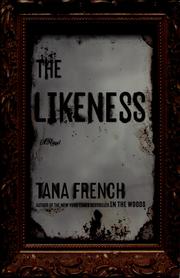
The Likeness
A detective poses as her murdered double and moves in with four graduate students to find the killer.
2,751-word summary · 12 min read
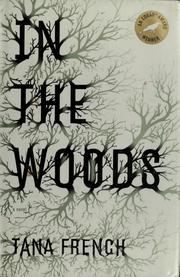
In the Woods
A detective investigates a girl's murder in the woods where his own friends vanished twenty years earlier.
2,773-word summary · 12 min read
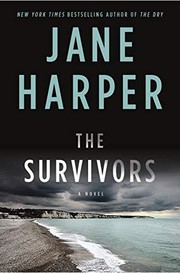
The Survivors
Kieran Elliott returns to Evelyn Bay twelve years after a storm killed his brother, and a young woman's murder forces the town to face what it has concealed.
2,571-word summary · 11 min read

The Woods
Twenty years after two teenagers were murdered and two vanished at summer camp, prosecutor Paul Copeland identifies a fresh corpse as one of the missing.
2,490-word summary · 11 min read

We Begin at the End
Thirteen-year-old Duchess Day Radley shields her little brother Robin after their mother dies, as freed killer Vincent King returns and sick chief Walk tries…
2,956-word summary · 13 min read
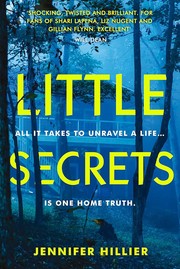
Little Secrets
A mother missing a son finds her husband cheating and handles both herself.
2,008-word summary · 9 min read

What She Knew
Rachel lets her eight-year-old son run ahead in a Bristol park, and the nine-day search turns her into a suspect in the public eye.
2,952-word summary · 13 min read

The Beach House
A young valet is beaten to death at a Hamptons party, and his law-student brother spends a year building a case against the family that covered it up.
2,049-word summary · 9 min read
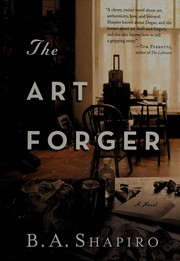
The Art Forger
A disgraced Boston painter agrees to copy a Degas stolen from the Gardner Museum, then begins to suspect the original she is copying is itself a forgery.
2,117-word summary · 9 min read

Six Years
A professor who promised to forget the woman he loved sees her husband's obituary and discovers that the wedding, the marriage, and the woman herself may never…
2,076-word summary · 9 min read

How the Light Gets In
Gamache investigates the murder of the last Ouellet quintuplet while the Sûreté he served is dismantled from inside by the man who took his protégé.
2,279-word summary · 10 min read

Bury Your Dead
Recovering from a failed raid that killed his officers, Gamache investigates a murder in a Quebec City library while Beauvoir reopens a case in Three Pines.
2,022-word summary · 9 min read

Rules of Prey
Minneapolis detective Lucas Davenport hunts a killer who leaves a new rule at every scene and treats murder as a game of wits.
1,914-word summary · 9 min read

The Late Show
Exiled to the LAPD night shift after accusing her supervisor, Renée Ballard keeps two cases that were meant to be handed off at dawn: a brutal assault and a…
2,563-word summary · 11 min read

The Black Dahlia
James Ellroy builds a fiction around the real Black Dahlia murder, following two Los Angeles cops whose partnership and obsessions destroy them.
2,533-word summary · 11 min read
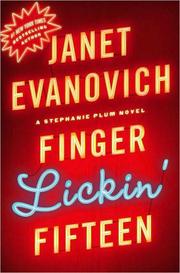
Finger Lickin' Fifteen
Lula sees a celebrity chef decapitated and talks Stephanie into entering a barbecue contest to lure the killers, while Ranger hires her to find a security leak…
2,248-word summary · 10 min read

4th of July
Lindsay Boxer shoots two armed teenagers in self-defense, faces a wrongful-death trial, and spends her leave chasing a string of throat-slashing murders in…
2,192-word summary · 10 min read

The Camel Club
Four Washington misfits witness a murder on Roosevelt Island and stumble into a conspiracy that reaches the Oval Office, with a hostage president and a nuclear…
2,354-word summary · 10 min read

61 Hours
A bus crash strands Jack Reacher in a snowbound South Dakota town where a drug gang, a corrupt police force, and a single witness are on a collision course.
2,227-word summary · 10 min read
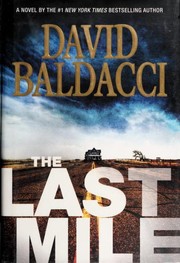
The Last Mile
Melvin Mars is hours from execution for his parents' murder when another man confesses, and FBI cold case detective Amos Decker goes looking for the trap.
2,746-word summary · 12 min read

Still Missing
A realtor is abducted at a Vancouver Island open house and held for more than a year. Told through therapy sessions, the novel follows her escape and the hunt…
2,466-word summary · 11 min read
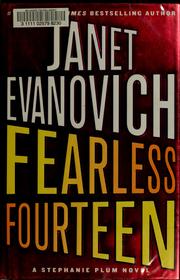
Fearless Fourteen
Bounty hunter Stephanie Plum babysits a teenager, guards a fading singer, and hunts nine stolen million dollars under her boyfriend's basement.
2,466-word summary · 11 min read

Bad Luck and Trouble
A deposit of $1,030 summons Jack Reacher back to his old army unit, which is being picked off one name at a time.
2,366-word summary · 11 min read

3rd Degree
The third Women's Murder Club novel follows a San Francisco terror cell and a three-day killing schedule, and it costs the club a member.
2,685-word summary · 12 min read

Worth Dying For
Reacher stops for one night in rural Nebraska and finds a family that runs the county, a missing girl and a shipment worth killing for.
2,021-word summary · 9 min read