
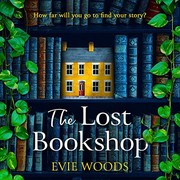
The Lost Bookshop
3,337-word summary 15 min read
- First published
- 2023
- Publisher
- One More Chapter
Reading options
What's inside (8 sections)
I picked up The Lost Bookshop because I am weak for books about books. If a cover shows a shop front with warm windows and stacked spines, I will carry it to the register before I have read the back. That is exactly what happened here. I had seen readers pass it around online as a cozy Dublin story with a little magic in it, the kind of book you read with tea going cold beside you. I wanted something gentle after a run of heavier novels, and a lost bookshop sounded like the perfect place to hide for a weekend.
What surprised me is how much sadness sits under the cozy surface. This is not only a story about the smell of paper and the pleasure of a good find. It is also about women who were told to make themselves smaller, in the 1920s and now, and what it costs them to say no. The magic is real in the world of the novel, but it stays light. Doors appear where they should not. A shop is there on one visit and gone on the next. Books seem to find the right hands. If you want hard rules for the spellwork, you will not get them. If you are happy to accept that some shops keep their own hours and their own secrets, you will settle in fast.
The edition I read around was the 2023 One More Chapter publication, the one most English language readers will have met first. It moves between a present day thread in Dublin and an earlier thread set roughly a century before, with a third line of story tied to a disappearance that links them. I am going to keep names and small details loose in this summary, because different reader guides and reviews remember side characters a little differently, and I do not want to lock in a wrong surname or a wrong date. The shape of the story is what matters, and that shape is clear: a modern woman looking for a way out, an older bookseller who refused to disappear, and a shop that decides who gets to find it.
The street where the shop should be
The Dublin in the present day part of the book feels wet and close and lived in. Rain on stone. Buses sighing past. Cafes full of people pretending not to listen to each other. Our modern heroine arrives in this city carrying a bruised heart and a practical problem. Her marriage has gone wrong in the quiet way that is hardest to explain to other people. There was no single explosion. There was control dressed up as care, money used as a leash, affection that had to be earned by obedience. She leaves, or starts to leave, which anyone who has done it knows is not one decision but fifty small ones.
She finds work connected to books, the kind of job that pays little and asks a lot but still feels like luck because you get to touch stories all day. Estate clearances, secondhand piles, shop counters, that world. Through that work she hears about a bookshop that used to stand on a particular street and then simply stopped being there. Not closed with a notice in the window. Not sold and turned into a phone shop. Just gone from memory and maps in a way that makes no sense when you start pulling at old directories and asking older sellers.
I loved this opening stretch. Woods writes shopping and shelving well. The scrape of a box across a floor. The dust that gets in your throat. The small thrill of opening a volume and finding a name written in ink on the flyleaf, a date, a pressed flower, a bus ticket used as a bookmark. The heroine is good at this work because she pays attention to traces. She is used to reading rooms for mood, reading men for temper, reading small signs for safety. That skill, learned the hard way, turns out to be useful for historical detective work too.
The first hint of magic comes sideways. A customer says something odd. A map disagrees with itself. A number on a door skips. She catches sight of a shop front that was not there yesterday and is not there the next morning. Most books would rush this. Woods lets it sit. Our heroine tells herself she is tired, stressed, making things up. Then she finds a physical trace, a book with a stamp or a note that points back to the lost shop, and tiredness stops being a good explanation. From that point the present day plot becomes two things at once: can she build a free life in Dublin, and can she prove the shop was real.
The woman starting over in Dublin
The modern thread is the emotional anchor, even when the historical thread is more dramatic. The heroine is broke in the particular way that follows a controlling relationship. Not only short of cash, but short of proof that she can manage. Her husband, or soon to be former husband, knows how to sound reasonable on the phone. He offers help that keeps a hook in it. Friends mean well and say clumsy things. She is embarrassed in the way people often are after coercive relationships, angry at herself for not seeing it sooner, which anyone around her can see is unfair but which she cannot stop feeling.
Work gives her structure. She learns which dealers are kind and which ones will cheat a newcomer. She learns to price, to clean without ruining cloth bindings, to spot the difference between true scarcity and a seller's story. She also starts to build a small chosen family: a boss or colleague who respects her eye, a friend who lets her sleep on a couch without making it a project, a neighbor who feeds her. None of this is written as grand rescue. It is written as Tuesday. Someone holds a ladder. Someone shares chips. Someone says take the better chair. For a woman who has been told she is too much trouble, ordinary kindness feels strange and then feels necessary.
The romance in this thread, if you can call it that, stays at the edge for a long time. There is a man who is decent, which after what she has lived through reads as both attractive and suspicious. She is slow to trust him, and the book lets her be slow. I appreciated that. Too many novels rush a vulnerable woman into a new man's arms and call it healing. Here the new connection grows through books and errands and shared curiosity about the lost shop. He does not save her. He sometimes carries a box. That is about the right size for this stage of her life.
Woven through all of this is the research plot. She starts collecting mentions of the vanished shop the way you collect sea glass, one bit at a time. A stamp inside a cover. A letter tucked into an envelope. An old advertisement. A memory from a retired seller who remembers being told as a child not to ask about that street. Each clue is small. Together they point to a shop run by a woman, unusual enough in the earlier decades of the twentieth century to draw comment, and to some kind of trouble that ended with the shop closed and a girl missing. The heroine recognizes something of herself in that older story, the way institutions and husbands and polite society can press on a woman until she either bends or breaks. She keeps digging partly from curiosity and partly because finishing someone else's story feels like practice for finishing her own escape.
The bookseller a century earlier
The earlier thread takes us back roughly to the 1920s, though the book lets the past bleed a little at the edges through letters and memories. Dublin then is a different city, poorer in some streets and stricter in most rooms. A woman who wants to run a bookshop on her own is already a problem to the wrong kind of man. She is unmarried or unwilling to marry as expected. She reads what she likes. She serves who she likes. She keeps her own accounts. Each of those facts alone might pass. Together they mark her.
Woods gives this bookseller a prickly intelligence that I enjoyed. She is not a saint. She can be sharp with customers who waste her time. She judges people by how they handle books, which is unfair and also completely understandable if you love books. She has opinions about publishers, about priests, about parents who try to decide what their daughters may read. She stocks what she believes in and hides what she must. In a city where censorship and gossip both carry weight, a woman selling bold books is doing something braver than it looks from a century away.
Into her shop comes a young woman or girl on the run, depending on how you read the early scenes. She is pregnant or afraid of being pregnant, or afraid of a man, or afraid of her family, the exact shape shifts a little in retelling because the past thread reaches us through fragments. What stays steady is that the bookseller takes her in. She hides her upstairs or in a back room. She feeds her. She finds her books. She treats her as a person with a future rather than a problem to be sent away. In the Ireland of that period, with church homes and family shame waiting for girls in trouble, this private kindness is dangerous. The bookseller knows it and does it anyway.
Around them gathers a small ring of watchers and helpers. A brother or young man who loves the missing girl and starts asking questions when she vanishes. A neighbor who sees more than she says. A policeman or official who prefers a tidy story to a true one. A husband or father figure who believes obedience is love. The tension builds not through chases but through visits. Someone comes into the shop and looks too long at the stairs. Someone asks after a girl by description. Someone buys a book as an excuse to stand and listen for footsteps above. Woods is good at this soft menace. No one shouts. Everyone smiles. The danger is in the smile.
The disappearance at the center of the novel happens in this pressure cooker. One day the girl is there, and then she is not. The bookseller says one thing. The street says another. Paperwork says a third. The shop itself, which has always behaved a little strangely, seems to close ranks. Was there violence. Was there a hasty escape helped by friends. Did the shop hide someone the way only a magic shop can, by moving a room or a door. The past thread does not hand over clean answers at once. It hands over enough to keep you turning pages and to make the present day search feel urgent.
Letters, stamps, and a girl who vanished
The third line of the book is really the bridge: the paper trail between then and now. I think of it as its own thread because so much of the pleasure here is archival. The modern heroine learns to read books as objects, not only as texts. A stamp tells her which shop sold it. An inscription tells her who gave it and when. A library mark, crossed out, tells her a book traveled from a private shelf to a public one and back out again. One volume leads to another. A marginal note in pencil matches handwriting in a letter. A date lines up with a known disappearance.
This is the part where readers who love books about books will be happiest. There are scenes of sorting through house clearances where a whole life comes out in boxes: cookbooks with stains, prayer books with cards tucked in, novels with broken spines that were clearly reread, a child's name written over and over on an endpaper. The heroine treats each find with care, and through her care we start to see the missing girl as a reader. What did she read while hidden. What did the bookseller press on her. What passages did she mark. It is a gentle way to return a voice to someone the official record tried to flatten into a case note.
The young man searching for the missing girl gets more page time as the past thread tightens. He is not written as a hero so much as a stubborn fact. He keeps asking. He keeps walking the street. He keeps the letter or the memory that will not let him settle for the easy story. His grief is plain and unpolished. He does not give fine speeches. He knocks on doors. In a book full of clever readers, his plain persistence feels like its own kind of literacy. He can read absence. He knows when a room has been emptied in a hurry and when it has been staged to look that way.
What I liked is that Woods does not let the paper trail solve everything neatly. Some letters are missing pages. Some memories contradict each other. One witness remembers a coat, another remembers a scarf. The modern heroine has to learn what historians learn: you do not always get the scene, you get the shadow of the scene, and you must be honest about the gap. She writes down what she knows, what she guesses, and what she cannot know. That honesty makes the moments when magic fills the gap feel earned rather than cheap. Where the record stops, the shop steps in, and the reader is allowed to believe the kinder version without being told only fools doubt it.
The shop that moves when it needs to
Let us talk about the magic, because it is the reason many readers pick up the book and the reason a few put it down. The lost bookshop is not magic the way a school for wizards is magic, with lessons and wands and rules you could write on a card. It is magic the way old streets are magic, the way some rooms feel larger inside than the building allows. The shop appears to people who need it. It hides from people who would harm it or the people inside it. It shifts stock, opens rooms, keeps staircases quiet. Books move toward readers who need them. If you try to map it, you fail. If you try to own it, you fail faster.
I found this charming and, at times, convenient. Charming because who has not wanted a bookshop to do exactly this, to open a door after closing time when you are heartbroken and let you sit among the shelves until you can breathe again. Convenient because a shop that can hide anyone can solve any plot problem by hiding them. Woods mostly avoids the easy save. The shop protects, but it does not fix. It can shelter the runaway for a night or a week, but it cannot change the law outside or soften the family waiting at home. It can show the modern heroine a book at the right moment, but it cannot file her court papers or pay her rent. The magic is best read as attention made physical: the shop pays attention, so it knows where to open.
There are lovely set pieces built on this idea. A first sighting that lasts only seconds, long enough to doubt. A second sighting where the heroine gets inside and time behaves oddly, dust hanging in light, sound muffled as if the street has been turned down. A room that should not fit in the building but does. A shelf of books that all seem to be about disappearing women, which may be the shop's joke or its warning. A moment where a pursuer walks straight past a door that the reader knows is there, because the shop has decided he does not get to see it. None of these scenes are scary in a horror sense. They are uncanny in a fairy tale sense, the feeling of being let in on something kind that still has teeth.
If you need systems, this will frustrate you. No one explains where the shop came from, who built it, why it chose bookselling as its cover, what it costs to keep it running. There are hints that other places in Dublin behave this way, that the city keeps pockets for people who need them, but hints are all you get. I made peace with this by deciding the book is not about magic as power. It is about magic as stubborn care. The shop keeps going the way the bookseller keeps going and the way the modern heroine keeps going: by refusing, quietly and daily, to vanish when told to.
What dragged, what charmed, and who should read it
No book about a magic bookshop can avoid being a little sweet, and this one leans into sweetness hard in places. Characters are often very good or very bad with not much middle. Controlling men control. Kind friends are kind without fail. The bookseller's courage never really flickers. The modern heroine's growth, though well drawn in the money and housing details, follows a familiar arc from fear to voice. If you read a lot of historical dual timeline novels, you will see the joins. Past chapter ends on a gasp, present chapter starts with coffee, repeat. A few coincidences pile up near the end, with the right book arriving at the right time a few too many times even for a magic shop story.
The pacing sags in the middle third. The research plot, which starts as a delight, stalls while the heroine circles the same streets and the same archives. The past plot replays variations on the visit from a threatening man. I started skimming doorbell scenes. I also wanted more mess in the relationships. The decent man in the present is almost too decent, which makes it hard to feel the heroine's hesitation as anything but habit. The brother searching for the missing girl is moving but thin; he exists to search, and when he is not searching he fades. A sharper edit could have cut fifty pages of circling and given that space to one truly difficult conversation in each timeline.
And yet I finished the book in two sittings and pressed it on a friend. The reason is simple: the core feeling is true. Anyone who has ever been afraid in their own home will recognize the modern heroine's careful counting of money and exits. Anyone who has ever loved a shop that felt like a refuge will recognize her devotion to the lost place. The 1920s thread, for all its familiarity, honors a real history of women punished for reading, wanting, and helping. The ending, without spoiling it, chooses warmth without pretending the past can be undone. Not everyone is found. Not every wrong is righted. But the shop endures, and endurance in this novel is a moral act.
Who should read it. If you liked recent cozy historical novels with books at the center, or dual timeline stories where a modern researcher uncovers a hidden woman's life, this will fit your shelf. If you want rigorous historical detail about 1920s Dublin politics or publishing, look elsewhere; the history here is atmosphere more than argument. If you dislike sentiment, the final stretch may be too sugary for you. If you can accept a little sugar with your dust jackets, and if the idea of a shop that hides frightened girls and tired mothers and broke young women until they are ready still moves you, then walk down that street with our heroine. Keep looking. The door opens for people who pay attention.
FAQ
What is The Lost Bookshop about?
It follows a present day woman in Dublin researching a vanished bookshop and a 1920s bookseller who sheltered a girl in trouble. A paper trail of books, letters, and stamps links the two periods.
When was The Lost Bookshop published?
It was published in 2023 by One More Chapter. The edition cited here has no page count or ISBN listed because no verifiable edition details were available.
Who will enjoy The Lost Bookshop?
Readers who enjoy books about books, dual timeline historical fiction, and light magical realism set in Dublin tend to enjoy it most. Those wanting strict historical detail or hard magic rules may find it too gentle.
Similar books

Inkdeath
The final Inkworld novel sends Mo into the land of the dead, leaves Meggie choosing between two boys, and ends the Adderhead's immortality with three written…
2,062-word summary · 9 min read
The Echo of Old Books
Barbara Davis's 2023 novel sends a rare-book dealer in 1984 New Hampshire hunting for the authors of two unpublished volumes that tell opposite sides of one…
2,491-word summary · 11 min read
Days at the Morisaki Bookshop
Heartbroken Takako moves into her uncle's tiny secondhand bookshop in Jimbocho, and the shop and its regulars slowly give her back her life.
2,011-word summary · 9 min read
The Reading List
A lonely widower and a teen library worker connect through a mysterious list of books.
2,810-word summary · 12 min read
The Bookish Life of Nina Hill
Bookstore Nina gains a family and pub-quiz love in Los Angeles.
2,399-word summary · 11 min read
Inkspell
Meggie and Farid read themselves into the Inkworld, where Mo is wanted as the Bluejay and words can wound.
2,406-word summary · 11 min read
The Starless Sea
A graduate student finds a book that retells his childhood and follows its clues to an underground Harbor of stories.
2,582-word summary · 11 min read
The Storied Life of A.J. Fikry
A widowed bookseller on Alice Island adopts abandoned toddler Maya, rebuilds Island Books, and finds love with sales rep Amelia before illness closes in.
2,972-word summary · 13 min read
Inkheart
Bookbinder Mo reads characters alive and daughter Meggie is pulled into Capricorn's hunt for Inkheart.
2,910-word summary · 13 min read
Harry Potter and the Order of the Phoenix
Harry Potter and the Order of the Phoenix explained: the D.A., Umbridge's regime, the Department of Mysteries, and the loss that changes the series.
2,249-word summary · 10 min read
Harry Potter and the Half-Blood Prince
Harry Potter and the Half-Blood Prince explained: the Pensieve, Tom Riddle's past, Slughorn's memory, and the ending that sets up the last book.
2,018-word summary · 9 min read
Harry Potter and the Goblet of Fire
Harry Potter and the Goblet of Fire explained: the Triwizard Tournament, the graveyard, Bertha Jorkins, and the point where the series stops being a school…
2,199-word summary · 10 min read
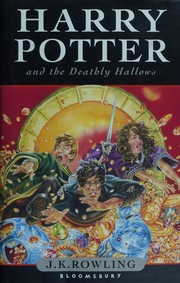
Harry Potter and the Deathly Hallows
Harry Potter and the Deathly Hallows explained: the hunt for Horcruxes, the Resurrection Stone, Snape's memories, and how the series ends in the forest.
2,218-word summary · 10 min read
Harry Potter and the Philosopher's Stone
How Harry Potter and the Philosopher's Stone introduces Hogwarts, the Dursleys, Quidditch, and Voldemort: the first book's plot, its quiet setup, and why the…
2,165-word summary · 10 min read
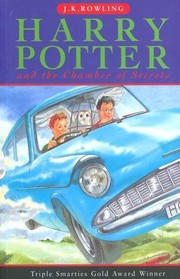
Harry Potter and the Chamber of Secrets
Chamber of Secrets: Dobby's warning, the flying car, polyjuice potions, and the diary of Tom Riddle. What the second Harry Potter book does differently and how…
2,172-word summary · 10 min read
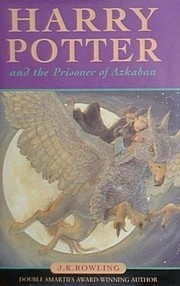
Harry Potter and the Prisoner of Azkaban
Prisoner of Azkaban, the mature third book: Sirius Black on the run, dementors at the gates, Remus Lupin's secrets, and the time-turner finale that rewrites…
2,053-word summary · 9 min read

The Blinding Knife
Kip trains to join the Blackguard while the Prism hides his true identity, loses his colors, and fights a war against a rogue drafter who wants to birth a god.
2,049-word summary · 9 min read

Take My Hand
In 1973 Montgomery, a young nurse discovers that two sisters were sterilized without consent, and spends the rest of her life living with what she could not…
2,126-word summary · 9 min read
Strega Nona
A village witch doctor hires a boy who does not listen, and the pasta pot he was told not to touch floods Calabria with noodles he cannot stop.
2,587-word summary · 11 min read
Hounded
A two-thousand-year-old druid runs a bookshop in Arizona, hides from an Irish god who wants his sword back, and talks to his dog.
2,159-word summary · 10 min read
Dawnshard
Rysn sails toward forbidden Akinah to save her dying larkin and finds a Dawnshard guarded by the Sleepless.
3,229-word summary · 14 min read

The Shadow Sister
Star D'Apliese steps out of her sister's shadow and follows a bookshop clue into the Edwardian life of Flora MacNichol, a woman who gave up love for duty.
2,260-word summary · 10 min read
The Field Guide
Three siblings move into a creepy Maine estate, anger a brownie, and find a forbidden guide to the fairy world in the first Spiderwick book.
2,033-word summary · 9 min read
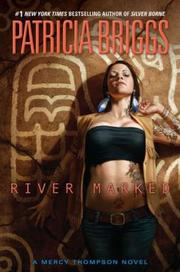
River Marked
Mercy and Adam's honeymoon on the Columbia River turns into a fight with an ancient river devil, and Mercy finally learns the truth about her father.
2,008-word summary · 9 min read

Magic Burns
A magic flare hits Atlanta, and mercenary Kate Daniels must recover stolen maps, find a missing witch, and keep a teenage girl alive while Celtic gods try to…
2,021-word summary · 9 min read
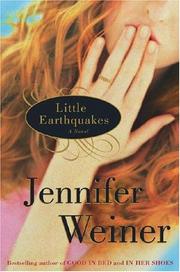
Little Earthquakes
Four Philadelphia women meet during pregnancy and discover that new motherhood is nothing like the plan, while friendship becomes the thing that holds them…
1,997-word summary · 9 min read
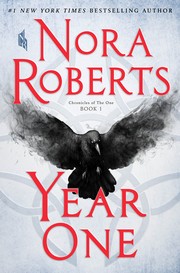
Year One
A plague released in Scotland kills most of humanity, and the survivors discover magic, build a town, and wait for a child who may save them.
2,029-word summary · 9 min read
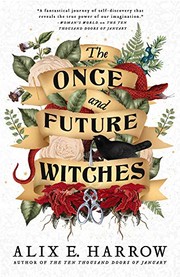
The Once and Future Witches
Three estranged sisters bring witchcraft back to an 1893 city where magic hides in nursery rhymes and the fight for the vote is also a fight for power.
2,132-word summary · 9 min read
The Diamond Age: Or, A Young Lady's Illustrated Primer
A stolen nanotech primer raises a poor girl in 22nd-century Shanghai, and Neal Stephenson turns her education into an argument about class, freedom, and who…
2,055-word summary · 9 min read
Secrets of the Dragon Sanctuary
Kendra is replaced by a plant copy and held by the Society, while Seth steals a unicorn horn so the family can enter a dragon sanctuary.
2,590-word summary · 12 min read