
Reading options
What's inside (9 sections)
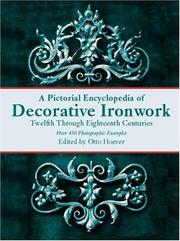
I came to Twelve Years a Slave late, after seeing the film title for years without opening the book. A friend who plays fiddle for weddings told me the author was a violinist too, a free Black man from New York who was stolen into bondage. That detail hooked me more than any prize list. I borrowed a print copy, the Dover paperback with the plain cover, and read it across four nights at the kitchen table. What stayed with me was not only the cruelty, which is plain on the page, but the care with dates, weights, shoes, rations, songs, and river bends. This is a man trying to prove he was there.
A short publishing note so we use the same record. The book I am retelling is Twelve Years a Slave by Solomon Northup, first published in 1853 by Derby and Miller in Auburn, New York, as told to and edited by David Wilson. Northup was a free born Black carpenter and violinist from Saratoga Springs living with his wife Anne and their children. He was lured to Washington, kidnapped in 1841, held twelve years in Louisiana, and freed in January 1853 with help from New York officials and a Canadian carpenter named Samuel Bass. The memoir closes with his return and with court efforts against his kidnappers. Later editions, stage versions, and films followed, but the year 1853 and the Auburn publisher belong to the first release.
If you have not read slave narratives before, here is how this one works. Northup writes in steady first person, with Wilson shaping sentences and order. He names owners, traders, fields, and fellow enslaved people. He gives the look of slave pens, decks, mills, and cotton rows. He rarely pauses for long reflection. He prefers to show what happened that day, what was eaten, who was whipped, how far they walked. That plain style makes the horror harder to brush aside.
A free violinist in Saratoga
Northup opens with freedom, not chains. He was born free in Essex County, New York, the son of Mintus Northup, a man who had been enslaved and then freed, and who worked as a farmer. Solomon grew up doing farm labor, learning carpentry, and learning the violin well enough to be hired for dances and parties. He married Anne Hampton in 1829. They had three children, Elizabeth, Margaret, and Alonzo. They lived in Saratoga Springs in the 1830s, where Anne cooked and worked as a domestic and Solomon split time between carpentry, canal work, and music jobs. He describes hauling wood, repairing houses, playing late dances where the floor shook, walking home with coins in his pocket.
I liked this section because it sets the scale of loss. He was not rich, but he was settled. He knew judges and shopkeepers by name. He voted where free Black men could vote in New York. He owned tools. He hired out his own time. When two strangers arrived in spring 1841 offering music work with a circus, he had reason to say yes. They called themselves Merrill Brown and Abram Hamilton. They promised good pay for a short trip to New York City and Washington. Anne was away working in Sandy Hill. Solomon told no one his full route, took his violin, and went south with them, expecting to be back for planting.
Day by day the job felt odd. Brown and Hamilton paid freely, bought drinks, urged him to keep traveling one more stop. In New York they went to shows and hotels. In Washington they walked the streets near the Capitol, which was still being built by Black labor, hired and enslaved. Northup notes the irony without speech making. A free man from the North, fiddle in hand, touring the capital of a republic, about to be locked in a cell a short walk from Congress.
Drugged in Washington and caged by Williams
The trap shuts fast. After a night of drinking with Brown and Hamilton in Washington, Northup wakes with a pounding head, chained to the floor of a dark room. His money and papers are gone. His violin is gone. When he shouts that he is free, a man beats him with a paddle and warns him never to claim freedom again. The place is a slave pen run by James H. Birch, working with a jailer Northup calls Williams. It is a brick building with barred cells, a yard, chains on the walls. Enslaved men, women, and children are held there for sale south. Northup meets others in the cells, including a woman named Eliza and her children, who had been promised freedom and then sold. Eliza weeps through the night. Northup tries to hold his story together.
He stays in the pen for days, maybe two weeks. He is beaten when he insists on his rights. He asks to send a letter. He is refused. He watches buyers walk the yard, look at teeth and hands, ask prices. Birch tells him he bought him and his papers say slave. One night Birch drags him out for air only to threaten him again. Northup learns quickly that the law in the District will not hear him. A Black man without white proof is treated as property. He stops saying Saratoga aloud except in a whisper to Eliza.
What helped me here was Northup eye for small facts. He notes the size of the room, the rattle of keys, the food passed through bars, the sound of carts outside. He notes how Williams kept books and how Birch spoke softly when buyers were near. He does not plead with the reader. He lays out the routine of a market that sold people a short walk from the courts. The cold in that chapter comes from order, not shouting.
Sold in New Orleans by Theophilus Freeman
From Washington, Northup and a group of enslaved people are moved by steamboat south to New Orleans. He describes the river journey in stages, the transfer at Richmond, the brig that carried them down the coast, the heat below deck. On board a sympathetic sailor agrees to mail a letter for him once ashore. Northup writes to friends in New York with what address he can guess. The letter reaches Saratoga, but without a clear location for him, no rescue can start. His family does not know whether he is in Virginia, Maryland, or farther south. That missed connection will cost him years.
In New Orleans he is placed in the slave pen of Theophilus Freeman, a trader with a showroom and yard near the Exchange. Northup gives Freeman full attention. Freeman dresses enslaved people for sale, orders them to stand, to step, to show strength. He separates families without pause. Eliza is sold away from her children, and Northup writes that her cries filled the yard. He himself contracts smallpox on the way down and is sick for weeks, nursed in a crowded room where one man dies. Freeman, annoyed at lost value, still lists him. Northup is sold at last to William Prince Ford, a planter and lumber mill owner on a bayou off the Red River in Louisiana.
Ford matters because he is the kind owner who still owns people. Northup is clear on both halves. Ford preaches, prays, reads scripture, treats Northup with a measure of respect for his carpentry, gives him work driving lumber and building. He even protects him when he can. Yet he bought a free man and kept him. When debts press, Ford sells Northup on to others to cover notes. Northup does not excuse him. He writes that a mild master still lives off forced labor, and that kindness inside the system still leaves the whip in the next yard. That sentence, in different words, returns through the book.
Ford, Tibeats, and a rope in the woods
After Ford, Northup passes into harsher hands. He is leased and then sold in pieces of paper to John Tibeats, a carpenter and small planter with a quick temper and little skill at managing men. Tibeats hates Northup competence and takes it as insolence. Twice he attacks him. The first time Northup defends himself with a tool and holds Tibeats off. The second time Tibeats returns with friends and a rope.
This is the lynching attempt readers remember. Tibeats and two white men tie Northup hands, throw a rope over a limb, and haul him up until his toes barely touch dirt. They leave him hanging to strangle slowly while they go to fetch more help or a final order. Northup stands on tiptoe for hours in the sun, throat burning, feet slipping in mud. A passerby will not cut him down for fear of Tibeats. At last Ford overseer, a man named Chapin, rides up, cuts the rope with threats of his own, and brings Northup back. Chapin tells Tibeats he will answer to Ford if he kills Ford property. The rescue is not mercy toward a man. It is defense of an asset. Northup knows it and writes it that way.
He lives with the rope burns for weeks. Tibeats tries again later with an axe, and Northup flees through woods and swamp to Ford for shelter. Ford, to avoid murder on his land, sells Northup to Edwin Epps, a cotton planter on Bayou Boeuf. Northup calls the sale the turn from hard luck to long night. He had been enslaved about two years. He would spend ten more under Epps. He packs his few clothes, leaves the mill whistles behind, and walks to a place where cotton sets the clock.
Ten years under Edwin Epps with Patsey
Edwin Epps runs a large cotton plantation with quotas, drivers, and daily weigh ins. Each picker must bring a set weight of cotton or face the whip. Northup learns to pick fast, to haul, to drive others when ordered, which shames him. He describes dawn horn, cold breakfast of bacon and corn meal, the walk to rows that stretch out of sight, the sack dragging at his side, fingers bleeding in late season, the gin house noise, the scale book where Epps marks pounds. Food is thin. Cabins are rough. Sundays allow a little garden work and washing. Music is allowed at times, and Northup fiddle earns him brief favor at dances, though he hates playing while others ache.
Two people define these years. One is Epps himself, drinking, shouting scripture while drunk, demanding work he will not do, lustful and violent by turns. The other is Patsey, an enslaved woman famed for picking huge weights, quick hands, straight back, kind eyes. Epps craves her and torments her. His wife Mary Epps hates Patsey and urges punishment. Patsey asks Northup once to help her get a bar of soap from a nearby store, a small errand that breaks rules. Epps learns of it and orders a whipping that Northup is forced to give. Northup writes that he struck her because refusal would bring worse hands, and that the blows tore her back. He does not hide behind orders. He says he still hears it. Patsey survives, scarred, picking again within days because the quota does not pause for wounds.
Years blur on purpose here. Northup lists seasons, floods, illnesses, deaths, new births, cotton prices, sugar work on neighboring places, attempted escapes by others, dogs, patrols. He builds a chapel of detail rather than a diary of feelings. He notes how enslaved people shared food, mended clothes, sang low at night, warned each other of Epps mood by the way he held his whip. He notes how drivers were trapped between owners and kin. He notes the weight of a full sack and the sting of gin dust. If you want a single year to hold, pick the soap errand and its price. If you want the whole ten, read the quota pages straight through and feel the sameness press down.
I will say plainly where this section tests patience. The plantation years repeat by design, and Northup, shaped by Wilson, keeps tone level even when events are brutal. Some readers will want more inward life, more of what he dreamed, feared, prayed in the dark. The genre of the time, and the need to be believed by white courts and papers, pushed him toward record over reflection. You get the record in full. You get the heart in flashes, when Patsey is hurt, when a letter fails, when Christmas music turns sour.
Samuel Bass and the letters that worked
Release comes through a white carpenter from Canada named Samuel Bass. Bass arrives to build the Edwin Epps House and other work on the place. He is talkative, odd, open in his hate of slavery at a time when saying so in Louisiana took nerve. He argues with Epps at the table, quoting law and scripture back at him. Epps laughs and then warns him. The enslaved workers listen from the yard and say nothing. Northup watches for weeks before he risks a word.
At last, alone in the shop, Northup tells his true story in full. Saratoga, Brown and Hamilton, Washington pen, New Orleans sale, twelve years gone. Bass believes him. Bass agrees, at great risk to himself, to write letters north. They choose names carefully, friends and lawyers who will act. Bass mails from outside the plantation to avoid Epps post watch. Weeks pass. Northup picks cotton and says nothing, afraid hope itself will mark him. Then, in January 1853, a wagon comes up the road with Henry B. Northup, a white attorney and politician from New York whose family had freed Solomon father and who had known Solomon for years, plus a local Avoyelles Parish attorney named John P. Waddill. New York had passed a law in 1840 to fund rescue of citizens kidnapped into slavery, and the governor had named Henry as agent. Papers are shown. Epps blusters, then folds when the law stands in his yard. Solomon Northup walks off the plantation a free man, twelve years after he left home for a music job.
The scene is quiet on the page. No fight. No chase. Signatures, questions, a suit of clothes found, a ride to the river. Northup writes that he could not speak straight at first. Patsey wept in the cabin doorway. Bass slipped away to avoid Epps revenge. I found the quiet right. After rope and whip and quota books, freedom arrives as paperwork and a wagon seat.
Freedom in January 1853 and what comes after
Northup returns to Saratoga to Anne, Elizabeth, Margaret, and Alonzo. His daughters are grown past the girls he left. His son barely knows him. Neighbors crowd the house. He puts on weight. He sleeps indoors without a horn. He files charges against his kidnappers and sellers. The legal end is bitter. In Washington, he cannot testify against white men under local law, and the case against Birch stalls. In New York, Brown and Hamilton are tried in a tangled venue fight and go free on technical points. Northup names the failure without long speeches. The courts that would not hear a free Black man in chains would barely hear him free.
He closes by turning advocate. He says he wrote to show what slavery is on Red River, no fiction, no extra color, and that if he erred it was in showing the bright side too strongly. He warns that hundreds of free citizens have been kidnapped and remain in bondage in Texas and Louisiana. He dedicates the book to Harriet Beecher Stowe, whose novel Uncle Tom Cabin had appeared the year before and had drawn the attacks his facts could answer. His memoir sold well at once, about thirty thousand copies, and was heard in papers, churches, and anti slavery halls. It fell from print for decades, then was brought back by historians Sue Eakin and Joseph Logsdon in the 1960s, who traced his roads, checked sale books, and reissued an annotated edition through Louisiana State University Press. Films followed, including the 1984 television film and the 2013 feature that won Best Picture, but the core remains the 1853 text.
Now the fair criticism, as promised. The middle plantation years drag in places because quota, weather, and punishment repeat without new turns. That sameness is honest to the life, yet it slows a modern reader. Wilson shaping gives the prose a steady, at times distant, tone. You hear Northup clearly on facts and faintly on grief. He tells you what he ate more often than what he prayed. Part of that is caution. A Black author in 1853 needed white corroboration to be believed, so feeling had to bow to proof. Part of that is craft. He wanted a record courts could use. Still, if you come hoping for inward pages like a novel, you will find fewer than you want.
Read it if you want a first hand account that names names, from Merrill Brown and Abram Hamilton to Williams and Birch, from Theophilus Freeman to Ford, Tibeats, Chapin, Epps, Patsey, and Bass, with places you can trace on a map from Saratoga to Washington to New Orleans to Bayou Boeuf. Skip it for now if you need a short book or a gentle one. It is neither. It is a carpenter account, board by board, of how a free life was taken, how twelve years were worked out in cotton, and how letters, law, and one Canadian voice brought him home in January 1853 to tell it.
FAQ
When was Twelve Years a Slave first published?
In 1853 by Derby and Miller in Auburn, New York, as told to and edited by David Wilson. It recounts Northup kidnapping in Washington in 1841, sale through New Orleans, and rescue from Louisiana in January 1853.
Who helped Solomon Northup gain freedom?
Canadian carpenter Samuel Bass mailed letters north at great risk, and Henry B. Northup came as a state agent with local attorney John P. Waddill. Papers under a New York 1840 rescue law freed Northup from Edwin Epps.
Is Twelve Years a Slave part of a series?
No. It is a standalone memoir and slave narrative, though annotated editions by Sue Eakin and Joseph Logsdon and films in 1984 and 2013 revisit it. The Dover paperback with ISBN 9780486417288 is a modern reprint.
Similar books
Narrative of the Life of Frederick Douglass
Douglass names names from Maryland slavery to his 1838 escape, showing how literacy, wages, and faith were policed, then answers with defiance.
2,630-word summary · 12 min read

Long Walk to Freedom
Mandela's account of a Thembu childhood, a law practice, a banned movement, twenty-seven years in prison, and the negotiation that ended apartheid.
2,454-word summary · 11 min read

Down and Out in Paris and London
Orwell's account of washing dishes in Paris hotels and tramping through London does not ask for pity, only for a clear look at how poverty actually works.
2,282-word summary · 10 min read
Lone Survivor: The Eyewitness Account of Operation Redwing and the Lost Heroes of SEAL Team 10
Marcus Luttrell's account of the 2005 SEAL mission in Afghanistan that killed three of his team and left him alone.
2,144-word summary · 10 min read

The Letters of Vincent van Gogh
Vincent van Gogh's letters to his brother Theo, in a Penguin Classics selection edited by Ronald de Leeuw, trace a decade of work, faith, and obsession.
2,611-word summary · 12 min read
Wild Swans
Three generations of women survive warlords, revolution, and the Cultural Revolution in Jung Chang's family memoir.
2,356-word summary · 10 min read
American Sniper: The Autobiography of the Most Lethal Sniper in U.S. Military History
Navy SEAL sniper Chris Kyle recounts Texas roots, SEAL training, four Iraq tours, and the strain combat placed on his marriage and health.
2,011-word summary · 9 min read
The Story of My Life
Deafblind Keller learns water at pump through Sullivan finger spelling.
2,149-word summary · 10 min read
Autobiography of Cotton
A Pulitzer winner traces her cotton-worker grandparents and a 1934 border strike through archives, memory, and damaged land.
2,213-word summary · 10 min read
Walden
Thoreau builds a cabin at Walden Pond and spends two years testing what a person really needs to live well.
2,986-word summary · 13 min read
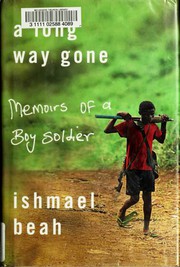
A Long Way Gone: Memoirs of a Boy Soldier
A Sierra Leone boy flees rebels, becomes a child soldier at thirteen, and fights his way back through rehab.
2,434-word summary · 11 min read
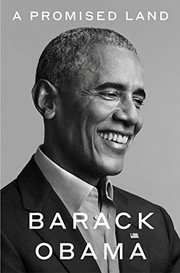
A Promised Land
First-volume memoir from Iowa 2008 through the 2011 bin Laden raid, crisis management and doubt.
2,243-word summary · 10 min read
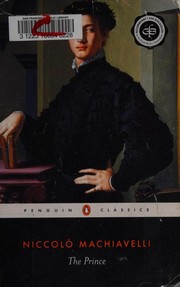
The Prince
Machiavelli advises Lorenzo on rule through fear and love, fortune, cruelty and mercy.
2,204-word summary · 10 min read
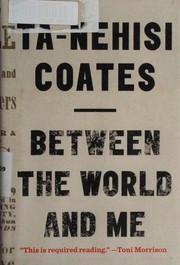
Between the World and Me
Coates writes to his son about the Black body in America, from Howard to the loss of Prince Jones.
2,234-word summary · 10 min read

Night
Elie Wiesel's account of Sighet, the cattle cars, Auschwitz and Buchenwald, told in short flat sections by a boy about fifteen. Why the book carries the year…
2,594-word summary · 12 min read
The Diary of a Young Girl
Anne Frank's diary explained: two years in the Secret Annex, the entries on fear and boredom, what Otto Frank cut, and why the book still reads like a…
1,913-word summary · 9 min read
The Zookeeper's Wife: A War Story
The directors of the Warsaw Zoo hid roughly three hundred Jews in empty cages and outbuildings after the German invasion, while Jan worked for the resistance.
2,065-word summary · 9 min read
1491: New Revelations of the Americas Before Columbus
Charles C. Mann gathers archaeology, ecology, and demography to argue that the Americas before Columbus were older, fuller, and more deliberately shaped than…
2,712-word summary · 12 min read
The DaVinci Code: A Quest for Answers
A short 2006 dialogue in which three friends test Dan Brown's claims about Jesus, Mary Magdalene, Nicaea, and the canon.
2,088-word summary · 9 min read
Nothing to Envy
Barbara Demick follows six defectors from Chongjin through the North Korean famine, showing how ordinary people lived, believed, and finally left.
2,068-word summary · 9 min read

In Order to Live: A North Korean Girl's Journey to Freedom
A young North Korean girl crosses the Yalu, survives trafficking in China, and rebuilds her life in Seoul in this unsparing memoir.
2,027-word summary · 9 min read

Too Much and Never Enough: How My Family Created the World's Most Dangerous Man
Mary L. Trump's 2020 memoir traces how a cold, zero-sum Queens household shaped her uncle, and uses family tax documents to challenge his self-made story.
2,059-word summary · 9 min read
Same Kind of Different as Me
An art dealer and a formerly homeless sharecropper tell the story of the friendship that began at a Fort Worth mission and the woman who insisted on it.
2,023-word summary · 9 min read

Infidel
Ayaan Hirsi Ali's memoir of a Somali childhood, a forced marriage, a Dutch asylum claim, and the political fight that followed the murder of Theo van Gogh.
2,041-word summary · 9 min read
Year of Yes: How to Dance It Out, Stand in the Sun and Be Your Own Person
Shonda Rhimes takes her sister’s accusation seriously and spends a year saying yes to the things that frighten her, from live television to her own reflection.
2,585-word summary · 11 min read

The Girl with Seven Names: A North Korean Defector's Story
Hyeonseo Lee crossed the frozen Yalu River at seventeen, spent years hidden in China, escaped to South Korea, and later returned to rescue her family.
2,404-word summary · 11 min read

Love Does
A lawyer and activist tells stories of saying yes, showing up, and loving people through ordinary, often ridiculous actions.
2,411-word summary · 11 min read
The Wright Brothers
David McCullough tells the story of two self-taught Ohio brothers, working largely alone and out of a bicycle shop, who solved the problem of flight before…
2,027-word summary · 9 min read

Beautiful Boy: A Father's Journey Through His Son's Addiction
David Sheff recounts watching his son Nic slide into meth addiction, and his own desperate, humbling search for how to help without destroying them both.
2,076-word summary · 9 min read

The Magnolia Story
How Chip and Joanna Gaines met, closed their first shop, nearly lost everything in a housing development, and built Fixer Upper.
2,994-word summary · 13 min read