

Different Seasons
1,974-word summary 9 min read 527 pages in the book
- First published
- 1982
- Publisher
- Viking Press
- Pages
- 527
- ISBN
- 9780670272662
Reading options
What's inside (7 sections)
I thought I knew King as horror only until this book taught me he is a realist who sometimes adds blood. Different Seasons by Stephen King was first published in August 1982 by Viking Press, a 527 page hardcover with ISBN 9780670272662. It holds four novellas, each tied to a season, none with a clown car in sight. Two became famous films, Shawshank and Stand by Me, one became a darker film, Apt Pupil, and one stayed a strange gem, The Breathing Method. I read them in order across four nights, which fits the design.
King wrote these to prove he could write without supernatural crutches, and mostly he does. Prisons, Nazis next door, dead bodies in woods, and a private club tale. The horrors are human. Cruel wardens. Bored teens. Ambitious boys. Men who trade stories to feel alive. What links them is voice. Plain, funny, observant, a little sentimental about friendship and furious about abuse of power.
Rita Hayworth and Shawshank Redemption
Spring. Andy Dufresne, a young banker, is convicted of killing his wife and her lover in 1948 and sent to Shawshank Prison in Maine. He did not do it, but innocence matters less inside than routine. Red, our narrator, a lifer who can get things, watches Andy arrive neat and quiet and decides he will break fast. Andy does not. He reads in the library, plays opera over the loudspeaker, and asks Red for a rock hammer and posters.
The novella is about time as material. Andy spends decades tunneling with a tiny tool, hiding the hole behind Rita Hayworth, then Marilyn, then Raquel. He also builds a library, helps inmates get diplomas, and does taxes for guards. Red thinks Andy is institutionalized like the old lifer Brooks, who hangs himself after parole because the outside moves too fast. Andy is doing the opposite. He is staying human on purpose, one book and one loan at a time.
Warden Norton is the true villain, pious and thieving, quoting scripture while laundering money through Andy plumbing. When a young inmate proves Andy innocent, Norton buries the proof and the boy. That injustice could sour the story. King instead uses it to sharpen Andy plan. If law will not free him, craft will. The escape through sewage in a thunderstorm, then the slow revenge by mail, feels earned because we watched the prep for two hundred pages in miniature.
Red parole chapters close it. No family, no money, fear of Brooks fate. He follows Andy instructions to a Maine field, finds cash and a letter, and rides a bus toward Mexico with hope as a learned skill. The film follows this closely, but the book is leaner and angrier about institutions. It also lets Red be more flawed, a murderer who admits it, which makes his hope less pretty and more real.
If there is a flaw, it is neatness. Andy funding is too perfect, his timing too clean. I forgave it because the theme is discipline as resistance. Small tools, long patience, quiet decency. In a book about seasons, spring means planning a break no one sees.
Apt Pupil
Summer. Todd Bowden, a bright California teen, recognizes a neighborhood old man as Kurt Dussander, a Nazi camp guard hiding as an immigrant. Instead of turning him in, Todd blackmails him for stories. Tell me what you did, in detail, or I call the papers. Dussander, starved for an audience after decades of silence, complies, and both get hooked. The boy wants horror. The old man wants relief. Each feeds the other worst self.
This is the hardest story to read and the most moral in intent. Todd grades slip, his counselor Ed French smells trouble, and Todd murders a drifter to test himself. Dussander, reawakened, kills a cat and then homeless men to feel efficient again. They try to quit each other and cannot, because each holds proof. Their pact ends in a hospital, a suicide, and a school shooting that the news will misunderstand. No ghosts. Only people choosing cruelty until it chooses them.
King writes adolescence without flinching here. Todd is not a monster from birth. He is gifted, bored, and raised on war movies that made atrocity abstract. Listening to Dussander makes it concrete and exciting, which corrupts him faster than any peer pressure. Parents miss signs because Todd performs well. Teachers miss because he charms. That plausibility scared me more than any vampire.
A fair criticism. The story lingers on camp details through Dussander tales. Necessary to show Todd fascination, but grim to sit through. I skimmed one long passage about camp logistics and lost nothing. The present day murders are staged bluntly, which is the point. Evil learned in stories becomes evil practiced in kitchens.
What stays is Ed French, the counselor who tries. He visits homes, calls parents, and refuses to accept Todd smooth lies fully. He fails to stop the end, but his effort matters to the theme. Adults who pay attention late still matter more than adults who never look. Summer in this book is heat that spoils.
The Body
Fall. Four twelve year old boys in Castle Rock, Maine, 1960, hear that a missing kid was hit by a train out in the woods. Gordie Lachance narrates as an adult writer, remembering the Labor Day weekend he, Chris Chambers, Teddy Duchamp, and Vern Tessio walked the tracks to find the body and become heroes in the local paper. They bring food, cigarettes, and stories. They find leeches, a junkyard dog, and each other.
This became Stand by Me, and the novella is even better because Gordie adult voice adds ache. Gordie is the talented invisible son after his older brother Denny died. Chris is the tough kid from a bad family who is smart and kind and doomed by reputation. Teddy is funny and damaged, deaf in one ear from a father who held him to a stove. Vern is sweet and scared and the reason they go. Their walk is a last summer of being kids before junior high sorts them.
King writes boy talk perfectly. Insults as love. Stories to pass miles. Gordie tells a tale about a pie eating contest that ends in mass vomiting, which they all know is gross and perfect. Night talk is quieter. Chris admits he stole milk money and gave it back but teachers still call him thief. Gordie admits he misses Denny more than his parents do. They promise to stay friends. Adult Gordie tells us they did not, except Chris, until Chris died trying to stop a fight years later. That honesty keeps nostalgia from turning syrupy.
The body scene itself is brief and respectful. They find Ray Brower, blue and still, and do not touch him for fun. Gordie covers him with his jacket. A gang of older teens arrives to claim the corpse for glory. The standoff with a gun is won by Chris nerve and Gordie shot in the air. They report the body anonymously and walk home changed. No medals. Just knowledge that dead is real and friends are temporary.
If there is a drag, it is Gordie adult asides about writing success. Interesting but interruptive. I wanted to stay in 1960. Still, those asides serve the season. Fall is loss. Talent does not save Chris. Love does not save Teddy from institutions. Only memory saves anything, by writing it down.
The Breathing Method
Winter. An unnamed narrator joins a strange Manhattan club where old men tell stories. Emlyn McCarron, a retired doctor, tells of a patient, Sandra Stansfield, a single pregnant woman in the 1930s who is determined to have her baby naturally and without shame. He teaches her a breathing method, visits her shabby apartment, and comes to admire her resolve. On the night she labors, a taxi crash outside changes everything, and the story turns impossible in a way I will not spoil fully.
This is the only overtly supernatural tale, and it works because the club frame earns it. Old men, fire, brandy, a butler who never ages. McCarron tells his story to explain why he still works charity cases. Sandra dies giving birth, yet keeps breathing through method and will long enough for her son to live. The image is grotesque and tender. A mother body refusing to quit. The club listens in silence because they know the tale is about more than medicine. It is about jobs done with care past reason.
King ties it to seasons by making winter about work and wonder. The narrator walks home in snow, thinking of his own wife and child, grateful and spooked. No lesson is underlined, which I liked after the heavier morals before. Sometimes a story is a fire to sit near.
Some readers find this novella slight after the first three. I did a little. It is shorter, stranger, and less tied to character growth. But as a closer it breathes out. After prison, Nazis, and dead boys, a tale about breath itself feels like a benediction. Inhale, push, live.
What holds the four together
Reading them back to back, I kept seeing the same King moves in different clothes. Ordinary men given a small power and watched to see what they do. Andy with a rock hammer. Todd with a secret. Gordie with a story. McCarron with a method. Each could use the tool to help or to harm. King never rushes the choice. He lets routine do the revealing. Who shows up daily. Who quits when no one watches.
Friendship is the other thread. Red and Andy share books and silence. Chris and Gordie share night talk. Even Todd and Dussander are a dark mirror of friendship, two lonely people feeding each other poison instead of food. King writes male friendship with unusual patience for the early eighties. Hugs are rare. Loyalty shows in rides given, money lent, and lies told to protect. When Red finds Andy letter, or when Gordie cries for Chris years later, the feeling lands because King banked small kindnesses for a hundred pages first.
Place matters too. Shawshank limestone and rain. Suburban garages and high school halls. Castle Rock tracks and swimming holes. A Manhattan club with old wood. King grounds each world with work details. How laundry moves in prison. How a counselor files reports. How boys pack for two nights. Those practical bits make the impossible or the awful believable. You trust a writer who knows how much a rock hammer costs and how heavy a body feels to carry.
I also noticed how often adults fail kids here and how rarely King excuses it. Norton uses inmates as labor. Todd parents miss obvious rot. Vern and Teddy parents are absent or violent. Gordie parents grieve the wrong son openly. Only a few adults, like Ed French the counselor or the teacher who lends Gordie books, try hard and late. That pattern gives the book its ache. Kids navigate seasons largely alone, borrowing courage from each other.
If you come from horror expecting scares, adjust. The fear here is time wasted, talent caged, and choices that stain. A parole denied. A grade changed by blackmail. A friend lost to reputation. Those are quieter horrors and they linger longer than jumps. I finished the collection less spooked than sobered, which I mean as praise.
What the collection proves is range. King can do prison procedural, suburban dread, coming of age elegy, and club ghost story in one volume without repeating tricks. The prose is confident and plain, with jokes that land and sentiment kept in check by hard detail. If you only know films, read the book for Red full voice and Gordie full grief. Spring plans, summer rots, fall remembers, winter breathes. That is a year worth spending.
FAQ
When was Different Seasons published?
Viking Press published it in August 1982. It runs 527 pages and the hardcover ISBN is 9780670272662.
Is it a novel or stories?
No. It collects four standalone novellas. Shawshank and The Body became famous films.
Similar books
Hearts in Atlantis
Five linked stories follow Bobby Garfield, Carol Gerber, and their friends from a haunted childhood in 1960 to the long aftermath of Vietnam.
2,402-word summary · 11 min read
Everything's Eventual: 14 Dark Tales
Fourteen Stephen King stories shuffled by the deal of a card deck, from the haunted room of 1408 to quiet tales of grief that sting as much as the monsters.
2,000-word summary · 9 min read
The Girl Who Loved Tom Gordon
Nine-year-old Trisha McFarland strays off the Appalachian Trail and spends days lost in Maine woods with a Walkman and Tom Gordon on her mind.
2,957-word summary · 13 min read

Wizard and Glass
Stuck on a deadly train, Roland tells of Susan Delgado and how the tower took his youth.
1,938-word summary · 9 min read
Fairy Tale
A grieving teen cares for a recluse and his old dog, then finds a shed well leading to Empis, a fading world at war.
3,203-word summary · 14 min read
The Green Mile
Guard Paul Edgecombe watches John Coffey show healing miracles on death row in 1932 Louisiana.
2,549-word summary · 11 min read
It
Seven friends in Derry face a shape shifting evil as kids in 1958 and again as adults in 1985.
2,229-word summary · 10 min read

The Diamond Age: Or, A Young Lady's Illustrated Primer
A stolen nanotech primer raises a poor girl in 22nd-century Shanghai, and Neal Stephenson turns her education into an argument about class, freedom, and who…
2,055-word summary · 9 min read

The Wasp Factory
Iain Banks's 1984 debut follows Frank Cauldhame, an isolated sixteen-year-old on a Scottish island, as his brother's escape and a family secret unravel his…
2,248-word summary · 10 min read

Haunted
Writers lock in for three months and trade worse stories as food runs out.
2,576-word summary · 11 min read
Ham on Rye
Henry Chinaski grows up rough in Depression Los Angeles and finds writing.
2,244-word summary · 10 min read

Demian
Hesse's 1919 German classic of Emil Sinclair, from Kromer blackmail to Demian, Abraxas, Beatrice and Frau Eva, ending in war: a short, strange guide to growing…
2,510-word summary · 11 min read
The Queen's Gambit
Orphan Beth Harmon rises in chess while pills and drink threaten to take her.
2,027-word summary · 9 min read
Something Wicked This Way Comes
Two boyhood friends meet a late October carnival that feeds on secret wishes, while Will's father learns how to fight it.
2,869-word summary · 13 min read

About a Boy
An idle London bachelor invents a toddler son to meet women, then builds a real friendship with a lonely twelve year old.
2,750-word summary · 12 min read
The Extraordinary Life of Sam Hell
Sam Hill, born with red eyes and mocked as Sam Hell, leans on his mother, his friend Ernie, and his faith to face bullying and forgive. A warm coming of age…
3,060-word summary · 14 min read
House of Leaves
Danielewski's 2000 debut about a house larger inside than outside, told through film analysis, footnotes, and a troubled annotator. Strange, demanding, and…
2,693-word summary · 12 min read

Where the Heart Is
Pregnant teen Novalee Nation is abandoned at a Sequoyah, Oklahoma Wal-Mart, where she gives birth to Americus and rebuilds life with town help.
2,352-word summary · 10 min read
The Girl with All the Gifts
Hungry girl Melanie loves myths while teacher, soldier, and scientist use her.
2,203-word summary · 10 min read
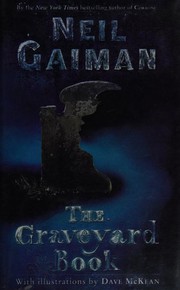
The Graveyard Book
A toddler escapes the murder of his family and is raised by ghosts in a graveyard, learning from the dead while the killer who hunts him waits outside.
2,786-word summary · 12 min read
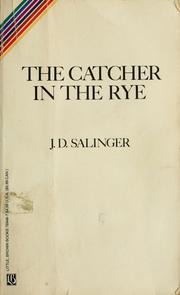
The Catcher in the Rye
J. D. Salinger's The Catcher in the Rye explained: Holden's weekend in New York, the phony adults, Phoebe's carousel, and why readers keep coming back to him.
2,477-word summary · 11 min read
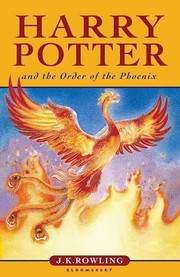
Harry Potter and the Order of the Phoenix
Harry Potter and the Order of the Phoenix explained: the D.A., Umbridge's regime, the Department of Mysteries, and the loss that changes the series.
2,249-word summary · 10 min read
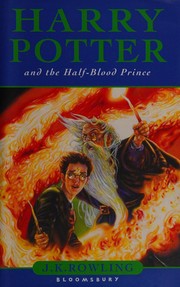
Harry Potter and the Half-Blood Prince
Harry Potter and the Half-Blood Prince explained: the Pensieve, Tom Riddle's past, Slughorn's memory, and the ending that sets up the last book.
2,018-word summary · 9 min read

Harry Potter and the Goblet of Fire
Harry Potter and the Goblet of Fire explained: the Triwizard Tournament, the graveyard, Bertha Jorkins, and the point where the series stops being a school…
2,199-word summary · 10 min read
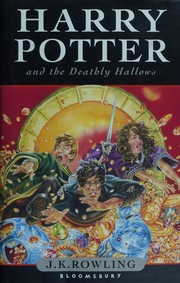
Harry Potter and the Deathly Hallows
Harry Potter and the Deathly Hallows explained: the hunt for Horcruxes, the Resurrection Stone, Snape's memories, and how the series ends in the forest.
2,218-word summary · 10 min read
Harry Potter and the Philosopher's Stone
How Harry Potter and the Philosopher's Stone introduces Hogwarts, the Dursleys, Quidditch, and Voldemort: the first book's plot, its quiet setup, and why the…
2,165-word summary · 10 min read
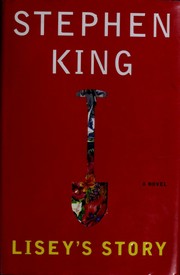
Lisey's Story
Two years after her novelist husband dies, Lisey Landon follows a trail of clues into his childhood and the other world that made him a writer.
1,998-word summary · 9 min read

If It Bleeds
Holly Gibney faces an outsider plus three more tales of dread.
2,219-word summary · 10 min read
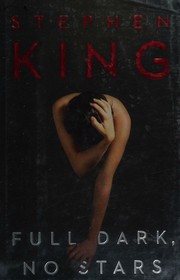
Full Dark, No Stars
Four novellas about revenge where ordinary people do terrible things and live with it.
2,646-word summary · 12 min read
Four Past Midnight
Four novellas about a plane lost in time, a writer haunted, and horrors small and large.
2,584-word summary · 11 min read