
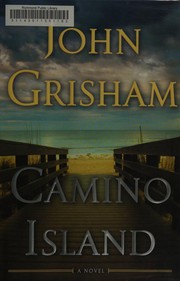
Camino Island
2,984-word summary 13 min read 304 pages in the book
- First published
- 2017
- Publisher
- Doubleday
- Pages
- 304
- ISBN
- 9780385543026
- Series
- Camino Island (#1)
Reading options
What's inside (8 sections)
I picked up Camino Island because a friend who runs a used bookstore told me it was the only Grisham novel where the lawyers barely show up. I have read enough Grisham courtroom fights to feel the rhythm in my sleep, so the idea of him writing about book thieves on a Florida beach sounded like a vacation for both of us. John Grisham published it with Doubleday in June 2017 as a 304 page hardcover, the first book in the Camino Island series, and it became one of those summer books everyone at the airport seemed to carry. I read it across three evenings on my porch with iced tea going warm beside me.
What surprised me right away is how little it feels like a legal thriller. There is a crime, yes, and an investigation, and the FBI wanders in late, but most of the book is about writers hanging around a bookstore, drinking wine, arguing about reviews, and trying to finish chapters. The central trick involves five handwritten manuscripts by F. Scott Fitzgerald stolen from Princeton, insured for twenty five million dollars, and possibly sitting in a private vault on a sleepy island. A young blocked novelist gets paid to spy on the man who might have them. I kept expecting a courtroom speech. Instead I got bookstore gossip, bad decisions, and a very Florida kind of scheming.
If you want the short version before we walk through it properly, this is a light caper with a literary setting. It moves fast, it likes books and book people, and it lets its most charming crook stay charming. It also has a soft middle and an ending that will annoy readers who want punishment to land hard. I liked it more than I expected, mostly because Bruce Cable is such good company, even when you know you should not trust him.
The Princeton heist
The book opens away from Florida, deep below Princeton University in the Firestone Library vaults. Grisham spends time on procedure here, the way he usually spends time on trial procedure. A man using a forged letter and the borrowed identity of a real professor arranges access to the Fitzgerald papers. He studies hours, measures cases, learns which staff member unlocks what. Then, with a small crew, he hits fast at night. They take five Fitzgerald manuscripts, the handwritten drafts of his novels, priceless in a way that is hard to insure and even harder to sell.
The leader of the crew is Denny, a former Army Ranger turned thief, disciplined and cold in a way the rest of the gang is not. His partners are less steady. One drinks too much. One talks too much. One starts thinking about cooperating when the FBI pressure builds. Denny keeps them in line for a while through planning and fear, but you can feel the job loosening almost as soon as they leave New Jersey with the goods in the trunk. There is no clean buyer waiting with cash. That is the classic problem with stealing something famous. You can steal it, but you cannot show it to anyone.
Grisham handles this part like a heist manual. Routes, storage units, burner phones, arguments about shares. The manuscripts stay hidden while the men look for a fence who knows rare books. People die here, and Denny is the reason. He kills a member of his own crew when he decides the man has become a risk. The FBI chases paper and phones. Princeton is embarrassed. The insurance company behind the twenty five million dollar policy starts its own quiet search because paying out would hurt.
I found these early chapters tight and a little grim, which makes the shift to Florida feel even sunnier. Grisham does not linger on blood. He shows enough to make Denny scary, then cuts to the beach. The contrast is deliberate. Cold vaults and rental cars give way to porches and book parties. The manuscripts themselves almost disappear for a long middle stretch, sitting somewhere dark while everyone talks about novels and reviews. That choice slows the suspense, but it also sets up the odd calm that defines the rest of the book.
Mercer Mann is broke and blocked
Mercer Mann is thirty one, a novelist with one decent book behind her and nothing ahead of her. She teaches writing at a college in North Carolina, or did until her position was cut, and she carries student debt that shapes every choice she makes. She rents, she worries about groceries, she checks her phone for teaching gigs that never come. Her last novel did not sell enough to give her freedom. Her next novel does not exist yet. When friends ask what she is working on, she changes the subject.
Her personal history is tied to Camino Island. Her grandmother Tessa lived in a beach cottage there, and Mercer spent long summers on the island as a girl, swimming, reading, watching sea turtles with her grandmother. Tessa has been dead for about eleven years when the story starts, and Mercer has not been back since. She still owns a share of the cottage, which matters later because it gives her a natural place to stay without it looking arranged.
Into this mess walks Elaine, an elegant woman working for a shadowy investigative company that serves the insurer. Elaine offers Mercer a strange deal. Come to Camino Island, live in the family cottage, write your novel, and get close to a local bookstore owner named Bruce Cable. Report back on whether he has the Fitzgerald manuscripts. The pay is a hundred thousand dollars plus help with the student loans, life changing money for someone in Mercer’s spot. Elaine is polite, vague about her employer, firm about secrecy, and very good at making the job sound safe and almost literary.
Mercer says yes after the usual back and forth. She needs money. She also needs a subject, and spying on a rare book dealer on an island she loves feels like material. Grisham does a fair job with her guilt. She is not a trained operative. She worries about lying to kind people, about getting caught, about what happens if Bruce figures her out. She also enjoys being back on the island in a way that complicates the assignment from day one.
Bay Books and Bruce Cable
Bruce Cable owns Bay Books in Santa Rosa, the main town on fictional Camino Island off the Florida coast. The store is the kind of independent shop writers dream about, busy, full of signed stock, with readings that draw crowds. Bruce hosts touring authors, throws parties, remembers what you bought last summer. Locals like him. Writers like him more. He and his French wife Noelle throw dinners that run late.
Behind the friendly front, Bruce makes serious money as a dealer in rare and first editions. He buys collections, advises collectors, finds things other dealers cannot find. Very few people know he sometimes handles stolen material too. Grisham gives him a believable back story for this. Bruce learned books from his father, built contacts over years, and developed a taste for the edge where big money meets weak paperwork. He is not a street criminal. He is a respected businessman who will buy something he should not buy if the price and the story are right.
Noelle matters here. She is French, sharp, social, and their marriage is openly unconventional. Bruce is a serial flirt who treats affairs as part of island life, and Noelle appears to accept that arrangement while keeping her own power in the household. This detail becomes important because Mercer is young, attractive, and lonely, and Bruce notices. Grisham does not present Bruce as a predator exactly, more as a man used to getting what he wants and used to people excusing him because he is generous and fun.
The circle around Bruce is half the fun of the book. There is a rotating group of writers who live on or visit the island, some successful, some bitter, all opinionated about publishing. They meet for lunch, for drinks, for bookstore events, for beach walks that turn into craft talks. Myra and Leigh are among the older friends who welcome Mercer and fold her into the schedule. They gossip about agents, advances, bad reviews, university jobs. Mercer, who actually needs to finish a novel, finds herself both comforted and distracted by them. It is easy to see why Elaine picked her. Mercer fits without forcing it. She knows the island, she knows the talk, she can sit at the table and listen.
Infiltration and friendship
Mercer’s cover is simple because it is mostly true. She moves into the cottage, sets up a writing desk, tells people she is working on a new novel, and lets the island writers adopt her. She goes to Bay Books readings. She gets invited to dinners. She laughs at the right stories. She asks Bruce innocent questions about rare books and lets him lecture, which he loves to do. Elaine checks in by phone and wants specifics. Does Bruce have a vault. Who visits him. What has he bought lately. Mercer passes along what she hears, which at first is mostly party chatter.
Slowly the friendship gets real, which is the problem. Bruce is genuinely helpful to Mercer as a writer. He reads some of her work, gives blunt notes about pace and endings, introduces her to people who might help. He takes her into back rooms where valuable stock is kept and explains how to spot a true first edition, what a dust jacket is worth, why provenance papers matter. For a book lover, these passages are catnip.
The line blurs further when Bruce starts flirting in earnest. He tells Mercer his marriage is open, that Noelle does not mind, that island rules are different. Mercer tells herself she would never get involved with a married man, then finds herself enjoying the attention and the access it brings. They spend an evening together, and afterward Bruce shows her something he should never show anyone. A handwritten Fitzgerald manuscript, The Last Tycoon, kept privately. It is a stunning moment in the book because Mercer understands at once what it means. Elaine was right. Bruce has at least one of the stolen pieces, maybe all five.
Mercer leaves quickly, shaken, claiming she wants nothing to do with stolen goods. Then comes the hard part she has been avoiding. She likes Bruce. She likes his friends. She likes the life she has slipped into, with beach mornings and bookstore evenings and a novel finally getting pages. Turning him in means wrecking that life and sending a man she calls a friend to prison. Not turning him in means betraying Elaine, losing the money she desperately needs, and possibly facing legal trouble herself for holding back. Grisham lets her sit in that discomfort for a while instead of rushing to the raid. She drinks too much coffee. She misses calls. She writes badly. I believed her indecision because the book earned it through all those lunches and late dinners.
She does tell Elaine in the end. She confirms what she saw. That call sets the FBI in motion, and Mercer has to live with the fact that she lit the fuse.
The vault search that finds nothing
The FBI arrives with a warrant to search Bruce’s basement vault, the climate controlled room where he keeps his most valuable books. Mercer is pulled off the island to give a statement, out of sight while agents open cases and photograph shelves. Readers expect the manuscripts to be there, tagged and bagged, with Bruce caught red handed. Instead the search comes up empty. No Fitzgerald manuscripts. No clear proof of anything beyond a rich man owning expensive books he can mostly explain.
This is where Grisham flips the spy story. Bruce has known about Mercer almost from the start, or figured her out very early, and he has been managing her the whole time. He fed her what she needed to see, including that glimpse of The Last Tycoon, and used her report to force a deal on his terms. While the FBI looked in the obvious place, Bruce moved the real goods through other hands and arranged to sell the manuscripts back toward Princeton through a middleman. Princeton and the insurer end up splitting the cost of what is basically a ransom, around twenty million dollars in the telling, to get the papers back quietly. Bruce takes his cut. His role stays hidden. He never gets charged.
Denny’s thread ends more harshly, as it should. He is the violent end of the business, and violence catches up with him. Without giving away every turn, his need to unload the manuscripts fast leads him to sell too cheap to the wrong people, and his ruthlessness leaves him exposed. The contrast with Bruce is sharp. Denny threatens and kills to keep control and loses everything. Bruce charms and stalls and shares wine with writers, and walks away richer. Grisham seems amused by that outcome, even if some readers will find it sour.
Months later, Bruce tracks down Mercer where she is teaching again in Illinois. It is an awkward, almost sweet reunion. He thanks her, in his way, for putting him in a position to make the big score while staying clean. She is angry, embarrassed, relieved, fond, all at once. They talk honestly for the first time, without covers. She does not agree to move back right away or forgive everything in a hug. But they part as friends of a strange sort, with the door open for the later books in the series. I liked that Grisham did not force romance or revenge here. He let it stay messy.
What works and what drags
What works first is setting and milieu. Camino Island feels lived in without Grisham stopping to give a travel lecture. Beach cottages with outside showers, bookstore back rooms that smell like paper, restaurants where writers argue about film rights, turtle nests marked with tape on the sand. If you love bookstores, you will enjoy stretches where the plot pauses so people can talk about publishing. A Grisham book where the shop talk is about print runs instead of plea deals felt fresh.
Bruce carries the book. He is likable, knowledgeable, generous with young writers, funny at dinner, and completely willing to break the law when the money is large enough. Grisham does not pretend Bruce is a good man. He shows Bruce lying with ease, cheating openly, using Mercer’s trust as a tool. Yet he also shows Bruce protecting writers, paying fairly when he wants to, and loving books in a way that is not fake. That mix kept me turning pages more than the question of where the manuscripts were hidden. I wanted to see what Bruce would say next.
Mercer is more uneven. Her money panic and blocked writer shame ring true, especially the scenes where she stares at a blank file and then cleans the cottage instead. Her loneliness on the island after years away also lands. But she can be passive for long stretches, waiting for Elaine to call or Bruce to invite her somewhere, reacting more than choosing. Grisham writes men with jobs to do more easily than he writes a young woman drifting, and it shows. I wished she had pushed harder at Bruce earlier, asked sharper questions, risked more on the page for her own novel instead of only for Elaine’s assignment.
Pace is the fair criticism. The middle sags. Once the heist crew scatters and Mercer settles into island lunches, the manuscript hunt stalls for a good hundred pages. There are many meals, many author jokes, many beach walks. I enjoyed them, but I could feel the engine idling. Readers who come for twists will get restless. The FBI barely appears until late, and when it does, the big search fizzles by design, which some will read as a cheat even though Grisham plants the clues for Bruce being ahead. The ending, where the crook profits and nobody pays, will bother anyone who wants courtroom justice. Grisham knows that and leans into it, but it still leaves a thin aftertaste.
There are smaller nits worth naming. Elaine’s company stays vague to the point of fog. How much authority does she have. Who pays her. Why use a novice instead of a professional. Denny’s crew blurs together except for Denny himself. The open marriage material with Bruce and Noelle can feel like wish fulfillment rather than honest character work. And if you have no interest in Fitzgerald, the passages about drafts and signatures may test you.
Who should read it. If you like capers where clever people talk their way out of trouble, if you like bookstore settings, if you want Grisham without depositions, this is an easy yes. If you want a tight puzzle with a fair trail of clues, or a moral ending where crime costs, you may finish annoyed. I would tell a friend to borrow it first, read the heist and the first island month, and if Bruce’s voice does not win you by then, give it away.
I closed the book thinking about fences more than thieves. Anyone can break glass in a library basement. It takes a bookstore owner who knows collectors, prices, insurance men, and human vanity to turn stolen paper into twenty million dollars while hosting a signing the same night. Grisham, who spent his career writing about lawyers who bend rules, seems relaxed writing about a bookseller who breaks them with better wine. Camino Island is not his best plotted novel. It might be one of his most pleasant to sit with. On a porch, with tea going warm, that counts for a lot.
FAQ
When was Camino Island published?
Doubleday published it in June 2017. The first hardcover runs 304 pages with ISBN 9780385543026.
Who are the main characters?
Mercer Mann, bookstore owner Bruce Cable and his wife Noelle, investigator Elaine, and thief Denny.
Is Camino Island part of a series?
Yes, it is book one in the Camino Island series, followed by Camino Winds and Camino Ghosts.
Similar books
More from Camino Island first, then related titles.
The Racketeer
A jailed lawyer trades a judge murder secret for freedom and revenge.
2,434-word summary · 11 min read
The Judge's List
Lacy Stoltz hunts a sitting judge who murders off his list.
2,513-word summary · 11 min read
The Guardians
A innocence lawyer reopens a prison murder where the wrong man waits on death row.
2,564-word summary · 11 min read

What She Knew
Rachel lets her eight-year-old son run ahead in a Bristol park, and the nine-day search turns her into a suspect in the public eye.
2,952-word summary · 13 min read

The Beach House
A young valet is beaten to death at a Hamptons party, and his law-student brother spends a year building a case against the family that covered it up.
2,049-word summary · 9 min read

Six Years
A professor who promised to forget the woman he loved sees her husband's obituary and discovers that the wedding, the marriage, and the woman herself may never…
2,076-word summary · 9 min read

The Trespasser
A Dublin Murder Squad detective investigates a staged dinner-party killing and finds a cover-up that reaches into her own department.
2,051-word summary · 9 min read

Rules of Prey
Minneapolis detective Lucas Davenport hunts a killer who leaves a new rule at every scene and treats murder as a game of wits.
1,914-word summary · 9 min read

The Late Show
Exiled to the LAPD night shift after accusing her supervisor, Renée Ballard keeps two cases that were meant to be handed off at dawn: a brutal assault and a…
2,563-word summary · 11 min read

4th of July
Lindsay Boxer shoots two armed teenagers in self-defense, faces a wrongful-death trial, and spends her leave chasing a string of throat-slashing murders in…
2,192-word summary · 10 min read
The Camel Club
Four Washington misfits witness a murder on Roosevelt Island and stumble into a conspiracy that reaches the Oval Office, with a hostage president and a nuclear…
2,354-word summary · 10 min read

61 Hours
A bus crash strands Jack Reacher in a snowbound South Dakota town where a drug gang, a corrupt police force, and a single witness are on a collision course.
2,227-word summary · 10 min read
The Last Mile
Melvin Mars is hours from execution for his parents' murder when another man confesses, and FBI cold case detective Amos Decker goes looking for the trap.
2,746-word summary · 12 min read

Still Missing
A realtor is abducted at a Vancouver Island open house and held for more than a year. Told through therapy sessions, the novel follows her escape and the hunt…
2,466-word summary · 11 min read

Bad Luck and Trouble
A deposit of $1,030 summons Jack Reacher back to his old army unit, which is being picked off one name at a time.
2,366-word summary · 11 min read

3rd Degree
The third Women's Murder Club novel follows a San Francisco terror cell and a three-day killing schedule, and it costs the club a member.
2,685-word summary · 12 min read

Worth Dying For
Reacher stops for one night in rural Nebraska and finds a family that runs the county, a missing girl and a shipment worth killing for.
2,021-word summary · 9 min read

Say You're Sorry
A widowed prosecutor defends the teenager accused of killing her babysitter, uncovering a small town's secrets and a killer hiding in plain sight.
2,116-word summary · 9 min read
Finlay Donovan Knocks 'Em Dead
Someone has put a contract on Finlay Donovan's ex-husband, and the novelist and her nanny have to find the hitman before the school pickup.
1,990-word summary · 9 min read

Echo Burning
Reacher hitches a ride with a Texas woman who wants her abusive husband killed, then has to prove she did not murder him when he comes home.
2,209-word summary · 10 min read
The Survivors
Kieran Elliott returns to Evelyn Bay twelve years after a storm killed his brother, and a young woman's murder forces the town to face what it has concealed.
2,571-word summary · 11 min read

Girl, Forgotten
A rookie US marshal guards a judge with a stalker and ends up reopening the 1982 prom-night murder of the judge's pregnant daughter.
2,111-word summary · 9 min read

The Woods
Twenty years after two teenagers were murdered and two vanished at summer camp, prosecutor Paul Copeland identifies a fresh corpse as one of the missing.
2,490-word summary · 11 min read

The Redbreast
Harry Hole chases an ageing sniper through modern Oslo while two Norwegian volunteers on the Eastern Front carry a fifty-year-old betrayal toward a royal…
2,453-word summary · 11 min read
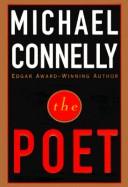
The Poet
A crime reporter investigates his twin brother's apparent suicide and uncovers a killer who leaves Edgar Allan Poe quotes behind, in the novel that took…
2,020-word summary · 9 min read

The Boy from the Woods
Wilde, found feral in a New Jersey forest in 1986, hunts for a missing teenager while a senator's secrets tear a wealthy town apart.
2,270-word summary · 10 min read

Razorblade Tears
Two ex-con fathers, one Black and one white, hunt their murdered sons' killers in a Richmond that never gave the boys a fair shake.
2,880-word summary · 13 min read
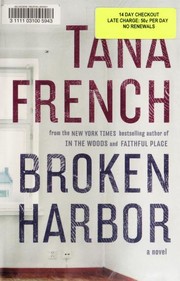
Broken Harbor
A family is found slaughtered in a half-built Dublin estate where no one broke in, and star detective Scorcher Kennedy must explain the holes in the walls.
2,308-word summary · 10 min read
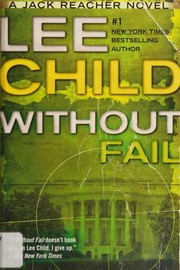
Without Fail
Reacher is asked to test vice presidential security by planning to kill.
2,084-word summary · 9 min read
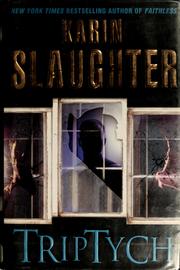
Triptych
A GBI agent with dyslexia hunts a rapist while two Atlanta cops hide pasts.
2,576-word summary · 11 min read