
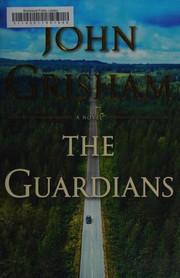
The Guardians
2,564-word summary 11 min read 384 pages in the book
- First published
- 2019
- Publisher
- Doubleday
- Pages
- 384
- ISBN
- 9780385544184
Reading options
What's inside (8 sections)
I picked up The Guardians because I wanted a Grisham that was not about a young associate running from the mob with a briefcase. A friend who does clinic work told me this one follows innocence cases and feels closer to real files than courtroom fireworks. That sold me.
The Guardians came out in 2019 from Doubleday. The standard hardcover runs 384 pages, ISBN 9780385544184, and it stands alone outside the Jake Brigance books. It follows Cullen Post, a lawyer who is also an Episcopal priest, as he tries to free a man who has sat in Florida prison for over twenty years for a murder Post believes he did not commit.
Spoilers follow. I will walk through the case, the people, and where the book earns trust and where it slips.
The Man In Prison
Quincy Miller is a Black man from the small town of Seabrook, Florida, a coastal place with shrimp boats, cheap motels, retirees, and drug money moving under the surface. Twenty two years before the book opens, a white lawyer named Keith Russo was shot dead at his desk late at night. Russo did trial work, handled divorces and deeds and petty crime, and had started to poke at matters that made powerful locals nervous.
Quincy was seeing Russo's ex wife at the time, which gave the sheriff an easy story. Quincy had no blood on him, no gun tied to him, no clear motive beyond jealousy. Still he was charged, tried, and sent away. By the time Post meets him, Quincy has lost his youth to a cell. He is calm on the surface and worn underneath. He keeps his papers in order. He remembers dates. He has learned not to hope too loudly because hope hurts more when hearings fail.
What I appreciated early is how Grisham writes Quincy without making him a saint to pity. Quincy gets angry at Post when Post is late. He doubts new lawyers. He has prison habits that read as rude outside. He trusts slowly. One short scene where he corrects Post about a file date stayed with me because it flips the usual script. The client knows the record better than the lawyer. Post has to catch up.
Grisham also shows race as fact, not speech. Seabrook in the 1980s ran on who knew the sheriff and who drank with the judge. A Black man with little money accused of killing a white lawyer did not get close calls. Witnesses who might have helped stayed quiet. All white juries were not an accident in that county in that era. The book does not lecture much here. It lets the arrest papers and the trial transcript do the work, which is stronger.
If I recall right, Quincy turned down a deal that would have freed him sooner in exchange for admitting guilt. That detail matters for his character. He would rather stay inside innocent than walk outside marked guilty. It also raises the bar for Post. This is not a case where a technicality will do. Post needs proof that someone else pulled the trigger.
Guardian Ministries And How Post Works
Cullen Post does not work at a big firm. He works for Guardian Ministries, a tiny nonprofit that takes a handful of wrongful conviction cases in the South at a time. The office has secondhand furniture. The coffee is bad. The funds run out most months. Post drives his own car, sleeps on couches, eats gas station sandwiches, and prays when he is stuck. He is divorced, friendly with his ex, distant from his kids in the way busy fathers are, and honest about those failures.
His partner in the office is Vicki, sharp and loyal, who keeps files straight and tells Post when he chases too many leads at once. The routines felt true to me. Post reads trial transcripts with a pen. He visits clerks to pull boxes. He writes polite letters that get ignored and then drives six hours to ask in person.
Grisham gives Post a priest past that never feels stuck on. Post served churches, lost faith in church politics, kept faith in people. He prays in cars and motels, not in grand chapels. He buries clients when cases outlast bodies. He marries couples when joy breaks through. That second role lets him enter prisons and hospitals and homes where a suit would spook folks. It also gives him a code. He will not pay for lies. He will not hide proof even if it hurts his case. He will sit with a dying witness who has no more use to the file.
What drags a little here is the funding talk. Every few chapters Post pauses to explain that Guardian needs money. True, I am sure, and it adds strain. But after the third round I got the point.
Still, the work scenes shine when they stay concrete. Post measuring the distance from a porch to a streetlight to test a sight line. Post copying a sheriff log by hand because the copier is watched.
Seabrook And What Really Happened That Night
Seabrook is the kind of town where all roads lead to the courthouse and the bait shop. Russo kept an office on a quiet street. The night he died, he stayed late. Someone entered, shot him, left little behind except rumor. Cash was missing. Papers were moved. The alarm was off. Police first called it robbery, then changed course when they found Quincy in the frame.
Post rebuilds that night piece by piece, and this is where the book is most fun to follow. He learns Russo had been hired for work tied to a drug crew moving product through the county. Russo may have skimmed, or threatened to talk, or simply learned too much about who paid whom. The name that keeps surfacing is Kenny Taft, a local with muscle and ties to bigger dealers. Taft had reason to fear Russo and the means to hire help. He also had friends on the force who owed him favors.
The official case against Quincy rested on thin supports. A flashlight found in his car trunk with specks said to be blood. An alleged jailhouse snitch who claimed Quincy confessed. A hair comparison that would not pass muster today. No eyewitness put Quincy in the office. No gun was found. The light in the parking lot was out. The timeline required Quincy to drive fast across town unseen and then act normal at home.
I think Grisham does smart work here by showing how small town cases curdle. The sheriff at the time, Bradley Pfitzner, needed a quick close. An election neared. Russo's family wanted answers. The press wanted a face. Quincy, with his link to the ex wife and his prior record for minor trouble, fit the slot. Once the file said guilty, all later doubts bent toward that answer. Lost notes stayed lost. Inconsistent times were changed in reports. A deputy who asked too much got moved to nights.
One criticism. The villains stay flat. Pfitzner blusters. Taft sneers. A judge stonewalls. A lawyer smirks. You will not find much inner life on that side of the street. Grisham needs them as walls for Post to hit, and walls they remain. Readers who like knotty motives may wish Taft had one scene of doubt or Pfitzner had one decent reason beyond pride. Without that, Seabrook feels split between good poor folks and bad powerful men, which is cleaner than most real towns.
Witnesses Who Take It Back
The middle of the book runs on interviews, and I mean that in a good way. Post drives, waits, listens. He finds people twenty years older, sicker, softer, or meaner. He brings Vicki's notes, plays old statements back, asks what fear felt like then.
A key witness who once swore Quincy was near the scene now admits he was coached. He was young then, in trouble himself, offered help if he helped the state. He signed what they typed. He did not read close. Now his mother is dead and his own kids ask what he did, and shame works where threats once did. He signs a recantation with shaking hands. Post knows a recantation alone rarely frees a man, but it cracks the wall.
The jailhouse snitch is harder. He has built a life on trades, telling cops what they want for lighter time. He likes the glow of being needed. Post corners him with dates and cell logs that show he could not have heard what he claimed. The man squirms, asks for money, asks for protection, asks for a ride. Post refuses cash and offers truth as the only deal. That scene worked for me because Post loses temper for a second and then steadies. He wants to hate the man who stole years. He settles for using his collapse on paper.
There is also a former deputy who kept a private copy of a log page. He feared Pfitzner then and fears him still, though Pfitzner is older and sicker now. He meets Post at a diner off the highway, sits facing the door, speaks low. He slides a folder across and leaves before pie arrives. Those five pages change the timeline. They show a patrol car where the report said none was. They show a call that was said to be missed. Small ink, big weight.
Grisham paces these hits well. He spaces them with motel nights, wrong turns, flat tires, sick mothers, court clerks on vacation. The case moves two steps up and one back. A witness dies before signing. A file floods in storage. A lab says samples were used up years ago. Post learns to bank every small win because losses eat them fast.
My gripe is repetition. Post explains the recantation rule several times, that courts distrust new claims that old testimony was false. True and worth saying twice. By the fourth time I nodded along and wished for a new scene instead. The book sometimes teaches when it should show. A trim of thirty pages in this stretch would have kept tension high without losing sense.
Courts, Threats And Thin Money
Filing is only half the fight. The rest is pressure.
Post files motions for relief, asks for hearings, seeks DNA tests on old bits that may still hold sweat or skin. The state answers with delay. A judge sets dates far out. A prosecutor with an eye on office warns Post to stop stirring trouble. Taft's people follow Post's car one night past the county line. A brick breaks a motel window. Vicki gets a call that names her kids school. None of this is subtle. Grisham does not do subtle menace here. Tires slashed. Dogs barking. Porch lights shot out.
I believed the small threats more than the big ones. The clerk who suddenly cannot find the box. The lab that needs a new form, then another. The hearing moved to a day Post has another client facing execution. Those paper cuts bleed a case dry. Post has to choose which client gets his hours, which filing fee gets paid, which expert gets hired. Guardian cannot fund all. He borrows from friends. He flies coach red eye. He skips his own dentist to pay for a transcript.
There is a strong stretch where Post seeks federal help and gets a civics lesson in limits. State courts own the facts. Federal courts need a hook. DNA law has gates. Time bars loom. A judge who dislikes reopening old verdicts can starve a claim with scheduling. Grisham, who practiced law, writes these knots with ease. He shows why innocent people stay inside even when the public thinks proof should free them by lunch.
Post also faces a moral test that lifts the book above puzzle. A man who may know where the real gun went offers to talk if Post helps his nephew on a separate charge. Post wants the lead badly. His code says no trades that bend truth. He walks away and then finds another path that costs more time. I respected that choice even as I groaned at the delay. It marks Post as priest as well as lawyer. Shortcuts stain the win.
The pace here stays brisk, though the threats pile a touch high. After the third tail on a dark road, I stopped fearing for Post and started waiting for the next hearing. Grisham might have cut one chase and added one quiet scene where Post doubts Quincy for an hour. That doubt would have made later faith hit harder.
What Freedom Costs
The last act moves fast, maybe too fast after such slow build.
Post gets a hearing. Not a full new trial, but a chance to put the new proof before a judge. He brings the recanting witness, the log page, the timeline expert, the lab analyst who explains why the old hair claim proves nothing and why the flashlight specks were never shown to be Russo's blood. The state brings the old sheriff's men, the snitch in fresh clothes, a prosecutor who calls Post a tourist selling hope.
Grisham writes hearings well. Objections snap. Judges cut speeches short. Post learns to ask short questions and sit down. Quincy sits in chains and tries not to react when lies are repeated. Vicki passes notes. A local reporter live blogs. The county holds breath.
I will not spoil the exact order, but the shape is this. Post wins enough to crack the verdict, yet freedom does not arrive like a bell. Paperwork stalls. The state weighs retrial. Taft's world wobbles as feds sniff drug trails that the murder case exposed. Seabrook has to decide whether to try a sick old case again or let Quincy walk with years no one can repay. That limbo feels true. Exoneration is rarely a hug on courthouse steps the same day. It is forms, rides, ankle monitors, stares at stores.
Quincy outside is not a simple joy. He has money claims to file, health needs, family rifts, skills that prison taught and few employers want. Post drives him to buy shoes that fit. They eat fried fish. They sit quiet. Those plain scenes are the best in the book for me because they refuse shine. Twenty two years do not wash off with one order.
My main criticism is neatness. Loose threads tie a bit too clean. Taft's fall lines up with Quincy's rise. Pfitzner gets a public comeuppance that feels staged. A late confession arrives right when the plot needs it. Real innocence work, as Post himself says in calmer chapters, often ends with maybe and wait. Here Grisham gives full light. I enjoyed the relief and still wished for one frayed edge to honor the theme.
Even with that, I closed the book admiring Guardian Ministries and irritated at Seabrook in the right way. Post is good company. He works hard, prays plain, admits fault, shares credit. Quincy stays with you, not as symbol but as a man who kept his name clean inside a place built to dirty it. If you want car chases, look elsewhere. If you want files, doors knocked, witnesses coaxed, judges pressed, and a small team spending thin money to fix an old wrong, this will hold you past bedtime.
FAQ
Is Quincy Miller based on a real prisoner?
No. Quincy Miller is fictional, though Grisham based Guardian Ministries on real innocence work such as Centurion Ministries. The routines of files, recantations, and hearings feel close to real cases.
When was The Guardians published and is it part of a series?
Doubleday published The Guardians in 2019. The standard hardcover runs 384 pages and it stands alone outside the Jake Brigance books.
Does The Guardians end with a big trial?
It has courtroom scenes and filings, but much of the drive comes from interviews, travel, and threats in small towns. Readers who want a full trial may find the last act quick.
Similar books
The Racketeer
A jailed lawyer trades a judge murder secret for freedom and revenge.
2,434-word summary · 11 min read
The Judge's List
Lacy Stoltz hunts a sitting judge who murders off his list.
2,513-word summary · 11 min read
The Street Lawyer
Michael Brock survives a hostage morning at his rich D.C. firm, then quits for a street clinic after learning a buried eviction file cost a mother and kids…
2,745-word summary · 12 min read

The Beach House
A young valet is beaten to death at a Hamptons party, and his law-student brother spends a year building a case against the family that covered it up.
2,049-word summary · 9 min read

4th of July
Lindsay Boxer shoots two armed teenagers in self-defense, faces a wrongful-death trial, and spends her leave chasing a string of throat-slashing murders in…
2,192-word summary · 10 min read
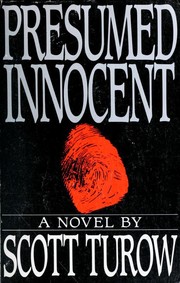
Presumed Innocent
Rusty Sabich must solve coworker Carolyn Polhemus's murder while hiding his affair with her, then stands accused himself in Turow's 1987 Kindle County debut.
2,726-word summary · 12 min read
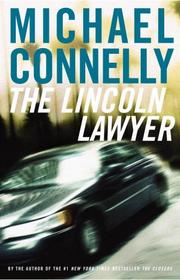
The Lincoln Lawyer
Mickey Haller defends a rich assault suspect from his Lincoln while doubting his innocence.
2,317-word summary · 10 min read
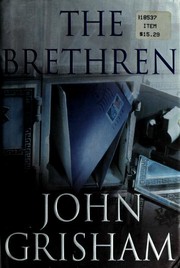
The Brethren
Three disgraced judges run a blackmail scam from a federal prison and accidentally trap a presidential candidate, pulling the CIA into their scheme.
1,967-word summary · 9 min read
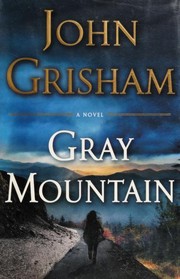
Gray Mountain
A Manhattan associate furloughed after the financial crash takes a year of unpaid legal aid work in Appalachian coal country, and finds the case of her life…
2,026-word summary · 9 min read

The Partner
A Biloxi lawyer fakes his death, steals $90 million, and hides in Brazil until hired muscle drags him home to trial.
2,221-word summary · 10 min read
The Whistler
A Florida judicial investigator takes a bribery tip that leads to a crooked judge, a tribal casino, and murder.
2,935-word summary · 13 min read
Camino Island
A Princeton manuscript heist pulls a blocked young writer into spying on a charming Florida bookstore owner who may hold the loot.
2,984-word summary · 13 min read
The Rainmaker
Broke rookie Rudy Baylor sues an insurer over a denied transplant and faces Leo Drummond at trial.
3,040-word summary · 14 min read
The Pelican Brief
Law student Darby Shaw writes a brief on murdered justices and becomes a target, fleeing with a reporter.
2,994-word summary · 13 min read
The Firm
Young lawyer Mitch joins a Memphis firm with great pay, then learns clients die and the FBI watches.
2,079-word summary · 9 min read

What She Knew
Rachel lets her eight-year-old son run ahead in a Bristol park, and the nine-day search turns her into a suspect in the public eye.
2,952-word summary · 13 min read

Six Years
A professor who promised to forget the woman he loved sees her husband's obituary and discovers that the wedding, the marriage, and the woman herself may never…
2,076-word summary · 9 min read

The Trespasser
A Dublin Murder Squad detective investigates a staged dinner-party killing and finds a cover-up that reaches into her own department.
2,051-word summary · 9 min read

Rules of Prey
Minneapolis detective Lucas Davenport hunts a killer who leaves a new rule at every scene and treats murder as a game of wits.
1,914-word summary · 9 min read
The Late Show
Exiled to the LAPD night shift after accusing her supervisor, Renée Ballard keeps two cases that were meant to be handed off at dawn: a brutal assault and a…
2,563-word summary · 11 min read
The Camel Club
Four Washington misfits witness a murder on Roosevelt Island and stumble into a conspiracy that reaches the Oval Office, with a hostage president and a nuclear…
2,354-word summary · 10 min read

61 Hours
A bus crash strands Jack Reacher in a snowbound South Dakota town where a drug gang, a corrupt police force, and a single witness are on a collision course.
2,227-word summary · 10 min read
The Last Mile
Melvin Mars is hours from execution for his parents' murder when another man confesses, and FBI cold case detective Amos Decker goes looking for the trap.
2,746-word summary · 12 min read

Still Missing
A realtor is abducted at a Vancouver Island open house and held for more than a year. Told through therapy sessions, the novel follows her escape and the hunt…
2,466-word summary · 11 min read

Bad Luck and Trouble
A deposit of $1,030 summons Jack Reacher back to his old army unit, which is being picked off one name at a time.
2,366-word summary · 11 min read

3rd Degree
The third Women's Murder Club novel follows a San Francisco terror cell and a three-day killing schedule, and it costs the club a member.
2,685-word summary · 12 min read

Worth Dying For
Reacher stops for one night in rural Nebraska and finds a family that runs the county, a missing girl and a shipment worth killing for.
2,021-word summary · 9 min read

Say You're Sorry
A widowed prosecutor defends the teenager accused of killing her babysitter, uncovering a small town's secrets and a killer hiding in plain sight.
2,116-word summary · 9 min read
Finlay Donovan Knocks 'Em Dead
Someone has put a contract on Finlay Donovan's ex-husband, and the novelist and her nanny have to find the hitman before the school pickup.
1,990-word summary · 9 min read

Echo Burning
Reacher hitches a ride with a Texas woman who wants her abusive husband killed, then has to prove she did not murder him when he comes home.
2,209-word summary · 10 min read