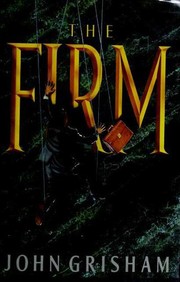
The Firm
2,079-word summary 9 min read 432 pages in the book
- First published
- 1991
- Publisher
- Random House
- Pages
- 432
- ISBN
- 9780385416344
- Series
- Mitch McDeere (#1)
Reading options
What's inside (3 sections)
I read The Firm because a lawyer friend said it is the reason half his class applied to law school and the other half quit. John Grisham published it with Random House in February 1991, a 432 page legal thriller with ISBN 9780385416342 that spent 47 weeks on bestseller lists and made him famous. Mitch McDeere, Harvard Law third in class, poor kid from Kentucky with a wife Abby and a brother in prison, gets an offer from Bendini, Lambert and Locke in Memphis that sounds impossible. Big salary, new car, cheap mortgage, no billable pressure at first. Then two associates die in the Caymans, plaques on a wall honor three more dead young lawyers, and the FBI says the firm fronts for the Morolto crime family. It is a page turner that still moves, even if phones and files date it.
Mitch starts hungry and principled in a flexible way. He wants money to help Abby, his mother, his brother Ray. He notices the firm's generosity is strange. Why pay so much for a rookie? Why forgive his brother's record? Why insist he rent, not buy, from them? Why forbid moonlighting? Senior partners Oliver Lambert and Nathan Locke smile and mention family, loyalty, security. Security chief DeVasher watches with flat eyes. Mitch passes the bar, works tax files that are boring and clean, bills honestly, enjoys Memphis barbecue and a new house bugged in ways he does not yet know. Grisham, himself a young Mississippi lawyer when he wrote, nails associate life. Long hours. Partners who praise and test. Wives who lunch and compare. The first hundred pages feel like a recruitment brochure with faint rot underneath.
The rot surfaces through deaths. Marty Kozinski and Joe Hodge die diving in the Caymans days before Mitch starts. Official story accident. Mitch attends memorial, sees plaques for three other dead associates, car wreck, hunting accident, suicide. Five dead young men in one small firm is math that does not work. Mitch hires Eddie Lomax, ex cellmate of Ray turned Memphis PI, to look quietly. Lomax finds the dead had contacted the FBI before dying. He warns Mitch to be careful and is then murdered in his office. That murder turns unease into fear. Mitch cannot quit because quitters die. Cannot stay because staying means prison or grave. Cannot tell Abby full truth without making her a target. Grisham traps him cleanly with no good option, which is why the book hooked millions.
FBI agent Wayne Tarrance and Director Voyles enter with pressure, not rescue. They tell Mitch the firm launders for the Moroltos, that 75 percent of work is dirty, that partners are in deep. They want Mitch to steal client files, betray privilege, wear wires. In return they offer money and Ray's release. If he refuses, they will indict him as accomplice and let the firm kill him. If he cooperates, the firm will kill him if caught and the bar will disown him if known. Mitch asks for time. They give little. Abby learns pieces and must decide whether to trust husband or feds. Grisham writes FBI as bureaucratic and ruthless in its own way. Protect the case first. People second. That moral grey lifts the book above cops versus robbers.
Files, bugs, and escapes
Mitch decides to fight both sides by gathering evidence that topples the firm without destroying himself. With Tammy Hemphill, Lomax's secretary and lover, a tough funny woman who becomes the book's secret weapon, he copies billing records, travel logs, Cayman accounts. Tammy seduces a partner's secretary? She charms, photographs, smuggles. Mitch learns to spot bugs, to talk in showers, to run in parks, to use pay phones and new routes. He bills by day and steals by night, exhausted, paranoid, brilliant. Grisham details tradecraft with lawyerly care. How to copy without logging. How to mail without tracing. How to memorize numbers. These procedural chapters are the best fun. Work as heist.
Abby's role grows from supportive wife to actor. She is followed, befriended by a firm's plant, photographed. She learns to lie to friends, to pass notes, to drive evasively. One trip to the Caymans with Mitch, ostensibly vacation, becomes reconnaissance of banks and beaches for escape. She meets Barry Abanks, whose son died with Kozinski and Hodge, who hates the firm and will help for revenge. Their scenes on hot sand, talking about dead sons while tourists drink, ground the thriller in grief. Abby also faces a choice about children and future. Can she raise kids on run money? Can she trust Mitch after secrets? Grisham lets her anger show. She did not sign up for mob and feds. She stays because love plus fury beats fear.
DeVasher and the firm's enforcers provide constant menace without becoming cartoons. DeVasher, ex cop, runs security with cameras, tails, cleaners. He suspects Mitch early, tests him with fake assignments, listens to house bugs, follows Abby to malls. He kills efficiently and reports calmly. The partners, especially Locke, speak in euphemisms. Problem. Situation. Retirement. Everyone understands retirement means death. Grisham rarely shows killing on page. He shows aftermath. Empty desk. New plaque. Colleagues who do not ask. That restraint makes the firm scarier than shootouts. Evil as HR policy.
The Moroltos hover off page, which works. Chicago bosses who demand loyalty and skim. They do not meet Mitch. They call Locke. They approve hits. Their distance makes them mythic and practical at once. The firm exists to serve them, but partners also skim and dream of independence. Mitch exploits that tension by stealing $10 million on the way out, sending some to family, stashing some Swiss, leaving some for Tammy. Is theft justified when stealing from thieves? Grisham lets Mitch enjoy it without much guilt, which some readers love as revenge and others find too easy. I leaned to love because Mitch earned it in fear, but I noted the moral shortcut.
The Washington meetings with Voyles raise the book's legal brain. Can Mitch give FBI enough for RICO without violating privilege and ending his career? Grisham, a lawyer, loves this puzzle. Mitch proposes to give billing fraud, not client secrets, enough for probable cause and warrants, letting FBI find the rest legally. It is clever and slightly wishful. Real privilege fights take years. Grisham compresses to days for pace. Accept and enjoy. The scenes where Mitch explains law to FBI men who want shortcuts show Grisham's affection for crafty lawyering over brute force. Brains beat badges when rules are used well.
The flight in the last hundred pages moves fast across states and water. Panama City Beach. Cayman banks. False IDs. Ray broken out with FBI help then hidden. Abby and Mitch chased by both sides who distrust each other as much as them. A mole inside FBI leaks to mob, raising stakes. Mitch uses that leak by feeding false plans. Tammy disappears with money and new name. Barry sails them at night. Grisham cross cuts pursuers losing trail by minutes. Some coincidences help. A plane delayed. A clerk looking away. Thrillers need luck. Here luck feels earned because planning was meticulous. I read the last fifty pages standing in a kitchen, which tells you pace works thirty years on.
After, Grisham gives brief fall. FBI indicts 51 firm members and 31 mobsters. Partners fall. Moroltos crippled. Mitch, Abby, Ray live in Caymans with money and fear of reprisal muted by publicity. Can Mitch practice law again? Probably not in Tennessee. Will mob forget? Probably not fully. Grisham leaves doors ajar for sequel, which came in 2023 as The Exchange. The 1991 ending satisfies without pretending clean. They are rich, alive, exiled. Freedom costs career and home. That trade felt right for a poor kid who wanted security and learned security was trap.
Criticisms are fair and dated. At 432 pages, middle billing detail can bore non lawyers. Tax shelters, invoicing, Cayman trusts explained at length. I skimmed two pages on depreciation. Women are mostly wives, secretaries, plants, with Tammy as exception who still uses sex as tool. Abby gets agency late but starts as support. Phones, files, bugs feel analog now. No cell encryption, no cloud. Read as period piece. 1991 Memphis with paper files and pay phones is part of charm, but young readers may find tradecraft quaint. Grisham's prose is plain to flat. Short sentences. Little interior. Dialogue carries. If you want literary style, look elsewhere. If you want plot engine, this hums.
Tammy Hemphill deserves a star paragraph because she steals every scene with humor and nerve. Blonde secretary from broken places, loyal to Lomax, quick with phones and lies, she charms a partner's assistant for files, copies keys with soap impressions, flies to the Caymans with cash in a bible? With guts that match Mitch. Her banter with Mitch about Memphis barbecue and office politics gives the thriller air. She flirts to distract guards while terrified inside. When Lomax is murdered, she grieves by working harder, not freezing. Her decision to disappear with money at the end feels earned, not tacked. Working class woman who outwits mob and FBI both and gets paid. Grisham rarely writes women this fun again. Enjoy her.
Abby's parents and Ray add family stakes worth naming. Abby's parents, modest and devout, distrust Memphis wealth and fear for daughter. They offer spare room if she leaves Mitch, which tempts during bugs and lies. Ray, in prison for manslaughter, loves Mitch fiercely and hates being bargaining chip. His release as FBI price shames Mitch even as he wants it. A scene where Mitch visits Ray through glass and cannot say he traded files for freedom shows brother love tangled with guilt. Ray understands and says get us out, kid. That permission frees Mitch to steal and run without pretending purity. Family first, law second, when law serves mob. Grisham, a lawyer, lets that hierarchy stand for once.
Memphis as a city needs a sensory paragraph because Grisham writes it with hungry love. Barbecue smoke. Mississippi heat. Peabody ducks. Mansions with lawns and firms with oak doors. Mitch and Abby, poor Kentucky kids, arrive dazzled by salaries that buy houses they never imagined. They learn which restaurants partners favor, which churches matter, which neighborhoods signal arrival. That social mapping is part of trap. Accept the house and you accept surveillance. Barbecue tastes better when someone else pays until you realize payment is freedom. Grisham, a Mississippi lawyer, knows southern professional ladders. Smile. Join. Tithe. Do not ask about plaques. Mitch climbs while noting rungs. Readers who know Memphis will smile at details. Others will feel heat and hospitality curdling.
The Cayman accounts need a plain English note because Grisham explains money laundering without drowning. Shell companies. Bearer accounts. Flights with cash in briefcases before 9/11 security. Invoices for legal work never done. Mitch, a tax associate, spots patterns because he prepares real returns beside fake ones. Numbers that repeat. Clients who never call. Partners who vacation where money rests. His边? His skill becomes weapon when he copies ledgers Tammy smuggles. Grisham loves showing a junior using boring expertise to topple giants. Not guns. Spreadsheets. That revenge of the nerds thrills accountants and bores action fans in equal measure. I enjoyed the ledgers more than chases because they felt earned. Follow money. Find rot.
Who should read it? Legal thriller fans, Grisham beginners, readers who like ordinary people outwitting institutions. If you loved the 1993 Tom Cruise film, know the book ending differs sharply. Film keeps Mitch a lawyer through clever trick. Book makes him a thief on the run. Both work. Book is darker about FBI and privilege. If you dislike heroes who steal, note Mitch takes mob money with little remorse. I forgave because the firm killed friends and threatened family. Your line may differ.
I closed the Random House hardcover from February 1991 with ISBN 9780385416342 thinking about offers too good to be true. Mitch wanted to provide and almost paid with life. Grisham, writing the day after finishing A Time to Kill after hearing a friend say a firm felt like the Mafia, caught a perfect fear. Workplaces that love you too much, pay too much, watch too much. The Firm endures because that fear endures in new forms. Free lunches, low mortgages, company phones that track. Read it as warning wrapped in beach escape. Enjoy the Caymans at end. Remember plaques on a Memphis wall that made escape necessary.
FAQ
When was The Firm published?
Random House published it in February 1991. The hardcover runs 432 pages and the ISBN is 9780385416342.
Who are the main characters?
Mitch McDeere, Abby McDeere, Wayne Tarrance, DeVasher and the Bendini partners.
Is it part of a series?
Yes, it starts the Mitch McDeere series, followed by The Exchange.
Similar books
More like The Firm →More from Mitch McDeere first, then related titles.

The Pelican Brief
Law student Darby Shaw writes a brief on murdered justices and becomes a target, fleeing with a reporter.
2,994-word summary · 13 min read

The Girl Who Kicked the Hornet's Nest
Shot and buried, Lisbeth Salander survives to face trial and the secret Section that destroyed her life.
1,923-word summary · 9 min read

The Client
Eleven-year-old Mark Sway learns a mob secret in Memphis and hires lawyer Reggie Love for one dollar.
2,536-word summary · 11 min read

A Time to Kill
Lawyer Jake Brigance defends a father who killed his daughter's attackers.
2,064-word summary · 9 min read
Wrong Place Wrong Time
Jen sees her son Todd kill a stranger, then wakes the day before, slipping back in time to stop the murder.
2,522-word summary · 11 min read

The Outsider
Coach Terry Maitland's DNA and witnesses point to an impossible murder, until Ralph Anderson and Holly Gibney trace it to El Cuco.
2,586-word summary · 11 min read