
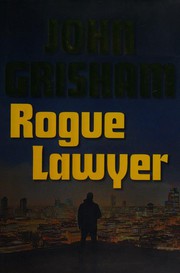
Rogue Lawyer
2,353-word summary 10 min read 352 pages in the book
- First published
- 2015
- Publisher
- Doubleday
- Pages
- 352
- ISBN
- 9780385539432
- Series
- Rogue Lawyer (#1)
Reading options
What's inside (9 sections)
I picked this one up on a whim, mostly because I wanted to hear the voice. Grisham had written so many legal thrillers by 2015 that I assumed the form was worn smooth, and then I read the first line. It is a man introducing himself and explaining why you will not find his name on a billboard or in the phone book. That is Sebastian Rudd, and he talks to you the way a guy in a dim bar talks once he has decided you can be trusted. Rogue Lawyer came out on October 20, 2015, from Doubleday, 352 pages in the hardcover, and it spent two weeks at the top of the New York Times fiction list that November. I finished it in a couple of sittings and came away thinking the voice is the whole show, in both the best and the worst senses.
A lawyer in a bulletproof van
Rudd is a street lawyer, which in his telling means a man with no firm, no partners, no office, and no interest in respectability. His office is a black Ford cargo van, heavily customized. The rear seats have been rearranged around a small table that folds into a wall, there is a sofa where he sometimes sleeps, and the windows are shaded and bulletproof. Inside he keeps a television, a stereo, internet, a refrigerator, a bar, a couple of guns, and a change of clothes. He drinks small-batch bourbon and carries a gun legally, because his name and face tend to attract people who also carry guns and do not mind using them. At night he sleeps in a cheap motel that changes every week, not to save money but to stay alive.
The one person who works with him is called Partner, an ex-client who now drives the van and serves as bodyguard, law clerk, confidant, and golf caddie. He is the closest thing Rudd has to a friend, which tells you something about how Rudd lives. The two of them eat fast-food sausage biscuits in the front seats and drive off to whatever courthouse is waiting.
Rudd's personal life is a mess he describes with the same dry comic timing. His ex-wife Judith Whitly is a lawyer at an all-female firm, and she left him for another woman while they were still married. He gets to see their seven-year-old son, Starcher, for thirty-six hours a month, and Judith is working to cut even that down. Into this he fits a side business: he owns a quarter of the career of a mixed martial arts fighter named Tadeo Zapate. That investment is not a throwaway detail. It comes back later in the book in a way that costs Rudd more than money.
His rule is simple and he states it early: everyone deserves a fair trial, even if he has to bend the law to get one. That sentence is the engine of the novel. It is also the source of its trouble, because Grisham clearly enjoys his narrator's rule breaking a little too much at times. Rudd's wisecracks are funny for about two hundred pages. After that the pose starts to feel like a man applauding his own cleverness, and I found myself wishing someone would answer him back.
The boy from Milo
The first case takes Rudd to Milo, a small town where an eighteen-year-old named Gardy Baker has been charged with murdering two young girls. Gardy has an implied intellectual disability, he is tattooed and heavily into drugs, and rumor says he is part of a satanic cult. In the town's eyes that is enough. The media have tried him already, and the local mood is so hostile that Rudd and Partner stay in a motel outside town and get a state police escort only at the courthouse. Threats against the accused, his lawyer, and even the judge are routine.
The trial is before Judge Kaufman, who is plainly hostile, with Dan Huver prosecuting. The state has no physical evidence and leans on witnesses whose stories do not hold together. Rudd chips away at them, but nobody in the room wants to hear it. Then a local lawyer known as the Bishop passes him a tip in secret: the real killer may be Jack Peeley, the ex-boyfriend of the victims' mother. A juror's daughter also approaches Rudd, saying her mother, Glynna Roston, thinks the prosecution's witnesses are lying.
What follows is my favorite stretch of the book, because it is pure procedure done as a caper. Rudd talks Tadeo and Miguel into starting a bar fight so he can get a sample of Peeley's blood. He sends that sample, along with a hair from the state's evidence file, to a DNA lab. Huver and Kaufman accuse him of tampering with the jury, dismiss Glynna, and have him jailed overnight for contempt. A federal habeas hearing the next morning forces the judge to vacate the order. The state rests, Rudd puts on an alibi, Huver attacks it, and then the DNA comes back: the hair from the scene matches Peeley. Police arrest Peeley and the charges against Gardy are dropped.
It is a satisfying ending, though I thought the town's prejudice was painted with a fairly broad brush. Everyone in Milo except Rudd seems either frightened or corrupt, and the book gives them little else to do. Still, the mechanism of the case is clean, and the moment the DNA result lands is the point where I understood why Grisham keeps returning to courtrooms.
A client who escapes execution
Link Scanlon is the opposite of Gardy. He is a gangster on death row for ordering the murder of a judge, and Rudd took the case after the previous defense lawyer was killed. There is no claim of innocence here. Rudd's work has been to delay the inevitable, and on execution night at Big Wheeler prison the appeals are exhausted. Protesters gather outside, journalists wait, and officials prepare.
Then the chaos starts. Bombings hit the courthouse where Link was convicted, the appellate courthouse, and the prosecutor's office, on a schedule that rules out coincidence. Fires and a riot break out inside the prison. Link stays calm and lets Rudd understand that he knows more than he is saying. At half past nine the power goes out, Link gets out through the ceiling of his holding cell, and a helicopter lifts him away. Rudd is the only witness, so the police briefly hold him as an accomplice before clearing him. Link is never found. A later report puts him in Mexico, unconfirmed.
This is the book's most purely enjoyable set piece, but it also shows its limits. Rudd mostly watches the escape happen. The plan belongs to Link and his people, and Grisham is careful to spell out that the lawyer did not control any of it. That is probably the point: the idea that everyone deserves a defense gets uncomfortable when the client is someone like Link. The scene runs on spectacle rather than on Rudd's skill, and I enjoyed it more than I respected it.
The wrong house and the fighter
The third case is the one that made me angriest, which I take as a compliment. Doug and Kitty Renfro are an elderly couple living an ordinary life. A neighbor's son, Lance, has been using their unsecured Wi-Fi to sell Ecstasy online. Police trace the signal to the Renfro address and send a SWAT team, led by Lieutenant Chip Sumerall, to raid the house at night. The officers shoot and kill the family's two dogs. Doug, an Army veteran, wakes to what looks like an armed home invasion, grabs a gun, and fires, wounding Officer Scott Keestler. In the confusion Kitty is killed by police gunfire.
Once Lance confesses, the department knows it raided the wrong house. Instead of owning the mistake, it starts a cover-up and charges Doug with trying to murder a police officer. The Renfro family hires Rudd, who files a civil suit and gets Doug out on bail. At the criminal trial he picks apart the officers' account, their planning, their assumptions, their failure to check who actually lived there. Doug insists on testifying and describes the night in plain terms. The jury comes back almost immediately with a unanimous not guilty verdict, and the foreman asks aloud why Doug was prosecuted and the officers were not.
Running alongside this is Tadeo's collapse. With Judith away, Rudd takes Starcher to a cage fight. Tadeo loses on a controversial decision, snaps, and attacks referee Sean King, striking him even after King is no longer defending himself. A riot breaks out, and a newspaper photo shows Partner carrying Starcher from the scene. Judith is furious and files to end Rudd's visitation. King dies, and Tadeo is charged with murder. Grisham juggles a lot of plates here, and some of the connections feel convenient, but the momentum carried me through.
A kidnapping, a trade, and a firebombed van
The thread that ties the last third together starts with Arch Swanger, the main suspect in the abduction of Jiliana Kemp a year earlier. Jiliana is the daughter of Assistant Chief of Police Roy Kemp. Swanger asks for Rudd as his lawyer, hints that he knows where the girl's body is buried, then vanishes when his retainer check bounces. His story is that Jiliana is under a billboard.
Then Rudd's own life is invaded. A link to Link Scanlon's crew demands a refund of Link's legal fees. At a park, a gang shooting breaks out and Starcher is taken from a restroom. Detective Landy Reardon tells Rudd the kidnapping was done by Kemp himself, who wants Jiliana's location in exchange for the boy. Rudd leads police to the billboard and finds nothing. Kemp's side releases Starcher anyway, hoping to buy silence and keep the option of future cooperation open, and Reardon directs Rudd to a truck stop where he finds his son unharmed. Rudd tells Judith and the FBI about the police kidnapping. Neither wants to touch it.
The retaliation is where the book gets genuinely nasty. When Link's thugs confront Rudd, he knocks one out and Partner deals with the other. Someone firebombs the van, so Rudd asks Miguel Zapate to lean on Link's crew. The two thugs turn up executed in a landfill, and the moral cost lands squarely on Rudd. He then uses what he knows about the kidnapping to extort a two-million-dollar settlement from the city in the Renfro case, along with the firing of the police chief and eight SWAT officers. Doug takes the money and leaves the country. Swanger reappears with the news that Jiliana is alive and held by a human trafficking ring.
This is Rogue Lawyer at its most cynical and, for me, its most fun. It is also the part that left the worst taste. Rudd's methods work, but by the end he is threatening gangsters and blackmailing a city government, and the book never really reckons with what that makes him.
The plea Tadeo refused
Swanger wants fifty thousand dollars of the reward money before he will give up Jiliana's location. Rudd brokers the deal with the police, hands over the cash, and gets an address in Atlanta. The FBI raids it and rescues Jiliana; Swanger slips away again. In return for his help, Rudd has secured a secret plea offer for Tadeo: five years for manslaughter instead of a murder trial.
He goes to his client expecting gratitude. Tadeo refuses, partly because he believes Miguel has bribed a juror and thinks he can win outright. Judge Fabineau and prosecutor Max Mancini put the terms on the record so that Rudd cannot later be accused of bad advice, but Tadeo still says no. The trial goes ahead. Mancini shows the video, and a medical witness explains the brain injuries that killed King. Rudd makes the disciplined choice not to fight evidence he cannot honestly dispute, which annoys his client, who wants him to contest everything. His defense is legal insanity, with Dr. Taslman testifying about Tadeo's state of mind. Mancini asks the obvious question: does beating a man who is no longer defending himself prove madness, or just rage?
The jury convicts Tadeo of second-degree murder. Moments later Miguel is arrested for jury tampering, because the juror he tried to bribe was wearing a wire. Rudd leaves town, not knowing whether he will come back. I found the ending harsh but fair. The book has spent hundreds of pages asking whether bending the law is justified, and it refuses to let its hero win the argument. A lesser novel would have rescued Tadeo and let Rudd drive off with a quip.
What the book gets right, and where it strains
The best thing here is the voice. Rudd's first-person talk is funny, bitter, and quick, and Grisham knows how far to push a scene before the joke lands. The Milo trial and the Renfro trial are both built like puzzles, and the reveals are earned. I also liked that the novel keeps asking a real question rather than supplying a comfortable answer: what does a lawyer owe a client when the system is already tilted?
The weaknesses are the flip side of the same choices. Secondary characters are mostly types, the corrupt officials are cartoonishly corrupt, and several turns depend on coincidences that strain belief. Starcher being at the fight where Tadeo snaps is convenient. The kidnapping trade is convenient. Rudd's wit occasionally curdles into smugness, and I wanted a single person in the book who could genuinely talk back to him. If you want careful legal procedure or warm character writing, this will not satisfy you. If you want a swift, mean, very readable novel about a lawyer who refuses to play fair, it does the job.
I would hand it to a friend who enjoys a legal thriller with a sharp narrator and does not need to like the man telling the story.
FAQ
Who is Sebastian Rudd?
He is Grisham's first-person narrator, a street lawyer who runs his practice from a customized bulletproof van, carries a gun, and takes cases other attorneys turn away. His only employee is an armed driver known as Partner.
Is Rogue Lawyer part of a series?
It is filed as book one of the Rogue Lawyer series. Doubleday published it in 2015, and a planned Hulu adaptation built around Grisham characters was reported in 2018 but never went forward.
Does the book end happily for Rudd?
Not fully. He wins several cases and helps rescue a missing girl, but his fighter Tadeo refuses a plea deal and is convicted of murder, and Rudd leaves town unsure he will return.
Similar books
More from Rogue Lawyer first, then related titles.
The Guardians
A innocence lawyer reopens a prison murder where the wrong man waits on death row.
2,564-word summary · 11 min read
The Street Lawyer
Michael Brock survives a hostage morning at his rich D.C. firm, then quits for a street clinic after learning a buried eviction file cost a mother and kids…
2,745-word summary · 12 min read
The Rainmaker
Broke rookie Rudy Baylor sues an insurer over a denied transplant and faces Leo Drummond at trial.
3,040-word summary · 14 min read
Th1rt3en
A former con artist turned defense lawyer takes a celebrity murder trial while a serial killer sits on the jury, steering the verdict.
2,254-word summary · 10 min read
The Fifth Witness
A foreclosure case turns into a murder trial when a client's banker turns up dead, and a slick Los Angeles lawyer wins a case he wishes he had lost.
2,154-word summary · 10 min read

4th of July
Lindsay Boxer shoots two armed teenagers in self-defense, faces a wrongful-death trial, and spends her leave chasing a string of throat-slashing murders in…
2,192-word summary · 10 min read
The Litigators
Two Chicago ambulance chasers and a burned-out Harvard Law graduate take on a drug giant, only to find the case sliding toward disaster.
2,244-word summary · 10 min read
The King of Torts
A public defender is bribed into hiding evidence about a violent experimental drug, then rides a wave of mass-tort settlements to fame and a spectacular crash.
2,283-word summary · 10 min read
The Brethren
Three disgraced judges run a blackmail scam from a federal prison and accidentally trap a presidential candidate, pulling the CIA into their scheme.
1,967-word summary · 9 min read
The Last Juror
A young editor buys a dying Mississippi paper and covers the murder trial that defines his town for a decade. Grisham's small-town novel about race, juries,…
2,528-word summary · 11 min read
Gray Mountain
A Manhattan associate furloughed after the financial crash takes a year of unpaid legal aid work in Appalachian coal country, and finds the case of her life…
2,026-word summary · 9 min read
The Racketeer
A jailed lawyer trades a judge murder secret for freedom and revenge.
2,434-word summary · 11 min read
The Judge's List
Lacy Stoltz hunts a sitting judge who murders off his list.
2,513-word summary · 11 min read
The Partner
A Biloxi lawyer fakes his death, steals $90 million, and hides in Brazil until hired muscle drags him home to trial.
2,221-word summary · 10 min read
Sycamore Row
Jake Brigance returns to defend a contested will that leaves a fortune to a Black housekeeper in racially tense Clanton.
2,017-word summary · 9 min read
The Whistler
A Florida judicial investigator takes a bribery tip that leads to a crooked judge, a tribal casino, and murder.
2,935-word summary · 13 min read
The Chamber
Young Chicago lawyer Adam Hall defends his grandfather Sam Cayhall on Mississippi death row as a gas chamber date nears.
2,828-word summary · 13 min read
The Runaway Jury
A tobacco trial in Biloxi is quietly rigged from inside the jury box and by a woman offering to sell the verdict.
2,920-word summary · 13 min read
The Pelican Brief
Law student Darby Shaw writes a brief on murdered justices and becomes a target, fleeing with a reporter.
2,994-word summary · 13 min read
The Firm
Young lawyer Mitch joins a Memphis firm with great pay, then learns clients die and the FBI watches.
2,079-word summary · 9 min read
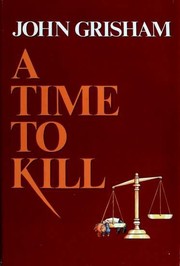
A Time to Kill
Lawyer Jake Brigance defends a father who killed his daughter's attackers.
2,064-word summary · 9 min read
The Reversal
Mickey Haller prosecutes a child killer's retrial with ex-wife Maggie and half-brother Harry Bosch on his team.
2,056-word summary · 9 min read
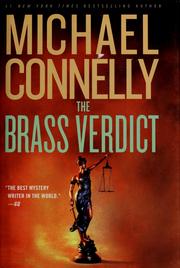
The Brass Verdict
Mickey Haller takes over a murdered lawyer's caseload and a Hollywood double-murder trial, with Harry Bosch circling the edges.
2,672-word summary · 12 min read
Salem Falls
A former teacher wrongly convicted takes a job washing dishes in a small New Hampshire town, where a new accusation stirs a modern-day witch hunt.
2,415-word summary · 11 min read

The Beach House
A young valet is beaten to death at a Hamptons party, and his law-student brother spends a year building a case against the family that covered it up.
2,049-word summary · 9 min read
Presumed Innocent
Rusty Sabich must solve coworker Carolyn Polhemus's murder while hiding his affair with her, then stands accused himself in Turow's 1987 Kindle County debut.
2,726-word summary · 12 min read
The Lincoln Lawyer
Mickey Haller defends a rich assault suspect from his Lincoln while doubting his innocence.
2,317-word summary · 10 min read
Defending Jacob
A Newton prosecutor defends his fourteen year old son after a classmate is stabbed in the park.
2,994-word summary · 13 min read
The Innocent Man: Murder and Injustice in a Small Town
Grisham's first nonfiction book tells how Ron Williamson lost eleven years on death row for a murder he did not commit in Ada, Oklahoma.
2,245-word summary · 10 min read
The Summons
A law professor is summoned home to find his judge father dead and more than three million dollars hidden in the house.
2,265-word summary · 10 min read