
A Time to Kill
2,064-word summary 9 min read 425 pages in the book
- First published
- 1989
- Publisher
- Wynwood Press
- Pages
- 425
- ISBN
- 9780922066728
- Series
- Jake Brigance (#1)
Reading options
What's inside (7 sections)
I came to A Time to Kill late, after reading The Firm and watching the film clips everyone knows. John Grisham published it in 1989 with Wynwood Press after many rejections. The hardcover runs 425 pages. It is Jake Brigance book one, set in fictional Clanton, Mississippi. I read it across four nights and spent the days thinking about porches, fans, and what a jury will forgive.
Clanton is small, hot, churchgoing, divided by race and money and memory. Jake Brigance is twenty eight, a young lawyer with a hungry practice, a wife Carla and a baby daughter, an office above a bank, a big heart and a thin wallet. He takes divorces, DUIs, land fights. Then Carl Lee Hailey walks in, or rather is brought in chains, and Jake's life tilts.
Carl Lee is a Black mill worker, a father of four, respected on his street. His ten year old daughter Tonya is abducted after buying groceries by two white drifters, Billy Ray Cobb and Pete Willard. They rape her brutally, beat her, hang her with a belt that breaks, leave her for dead in a creek. She lives, broken in body. The men brag in jail and expect light time because that is how Ford County has often worked. Carl Lee, told by a sheriff friend when they will be moved for a hearing, waits at the courthouse with an M16 and opens fire. He kills both men and wounds a deputy.
Taking the case
Jake says yes before he counts the cost. He likes Carl Lee. He hates what was done to Tonya. He also wants the big case that makes a name. His mentor Lucien Wilbanks, once a great civil rights lawyer now drunk and disbarred, pushes him to plead temporary insanity and to make the jury see Tonya as their own child. Harry Rex Vonner, a loud divorce lawyer and friend, warns him about money and safety. Carla begs him to think of their daughter when threats start.
Grisham writes procedure with patience. Arraignment. Bail fights. Change of venue motions denied. Jury selection in a county where Black jurors have reasons to distrust courts and white jurors have reasons to fear acquittal. The state, led by Rufus Buckley, a political prosecutor eyeing higher office, wants death. The judge, Omar Noose, tries to keep order while the Klan marches outside. Jake hires a psychiatrist from out of state, borrows money, mortgages his house, works nights while his family sleeps with guns near.
Tonya's suffering stays at the center without turning lurid. Grisham gives hospital scenes in plain language. Tubes, whispers, a mother who will not leave the bed, brothers who ask if sister will play again. Carl Lee in jail prays, cries, asks Jake if he did right. Jake says the law says no and his heart says ask the jury. Those jail talks, short and sweaty through bars, carry the book's moral weight more than speeches.
The town splits loud. Black churches raise defense funds. White supremacists led by Freddie Cobb, Billy Ray's brother, bring crosses and guns. The Klan burns, shoots at Jake's house, beats his clerk, kidnaps and assaults a young law student helper named Ellen Roark who came from Ole Miss to help. Carla takes their daughter away for safety. Jake drinks too much coffee and too little sleep. He keeps going because quitting would shame him more than losing.
Ellen, Lucien, and Harry Rex
Side people keep this long book alive. Ellen Roark is twenty four, smart, rich, brave to the point of reckless. She researches, charms clerks, finds experts, pushes Jake to trust Black jurors more than he does. Her assault by Klansmen late in the book is written without glee and with fury at cowards who hide hoods. She survives and returns to court bruised, which steadies the jury more than any exhibit.
Lucien is the ghost of what Jake could become. Brilliant, drunk, living above his old office with files and bottles, banned from court but full of moves. He finds the psychiatrist, leaks the right story, tells Jake when to object by notes. He also drinks through deadlines and hits on Ellen and embarrasses Jake. I liked him because Grisham lets him be useful and ruined at once. Mentors can save you and warn you in the same hour.
Harry Rex is the friend every young lawyer needs. Fat, funny, crude, loyal. He lends money, watches Jake's house with a shotgun, tells dirty jokes to break fear, finds juror gossip through divorce clients. His humor never mocks Tonya. It mocks prosecutors, Klansmen, and Jake's cheap suits. In a 425 page book with marches and funerals, those laughs keep air in the room.
The prosecution case is strong on facts. Carl Lee planned, waited, fired many rounds, killed. No one disputes the trigger. The defense must move the jury from what to why. Jake brings doctors to say Carl Lee snapped under trauma, pastors to say any father would break, cops to admit the men bragged. Buckley brings order, law, warnings about streets running with blood if revenge walks. Both sides speak to Mississippi history without naming every scar. Readers feel it anyway.
Closing and after
The closing is famous for a reason. Jake, out of tricks and money, tells the jury to close their eyes. He describes Tonya's walk to the store, the truck, the woods, the rape, the beating, the hanging, the creek, in slow detail. Then he asks them to picture her as white. The room stills. It is manipulation and truth at once. He forces white jurors to lend Black pain their own faces. The jury acquits after long hours. Clanton erupts, some in joy, some in rage. Carl Lee goes home to a wife who held faith and kids who need a father, not a symbol.
After felt right to me. Jake is broke, famous, tired. His house burned. His family frayed. Carla returns but keeps fear in her eyes. Ellen leaves for school with a promise to write. Lucien drinks on. Carl Lee thanks Jake with food and church hugs, not fees. No one calls it justice clean. They call it mercy a jury could bear.
What holds strongest is place. Heat, fans, sweet tea, courthouse lawns, AME Zion hymns, Klan headlights on gravel. Grisham grew up in Mississippi and it shows in small habits. How lawyers dress for juries. How clerks talk. How bailiffs nod. The law here is not TV fast. It is continuances, fee panic, expert bills, judge moods.
What drags. At 425 pages some marches and motions repeat. Buckley as career villain is thin. The deputy injury thread fades. Ellen's privilege goes unexamined; she can afford bravery Jake cannot. And the book's central plea, powerful as it is, asks Black suffering to wear a white face to earn mercy, which troubled me on reread. Grisham knows this and has Carl Lee notice it, but the device still centers white feeling.
Still, as a debut from 1989 that launched Jake Brigance, it earns its fame. It is angry, procedural, humane. Read it with water nearby. You will sweat through the trial and sit quiet at the verdict. Then ask what you would have done on that jury, and live with the answer the way Clanton had to.
Money, church, and jury math
Jake's money panic deserves its own beat because it shapes every choice. He borrows against his house, misses car payments, begs the bank for time, pays an expert with a credit card cash advance. Carla keeps books at the kitchen table and cries quietly when numbers fail. Clients leave because Klan threats scare them. The phone stops ringing except for reporters who pay nothing. Grisham, who practiced small law himself, writes this without romance. Big cases eat young lawyers first. Jake keeps receipts in a shoebox and prays the jury will not know how close he is to broke.
Churches carry the town's conscience in scenes I found moving. Black churches sing, pass plates for Carl Lee, host meetings where mothers ask Jake blunt questions about odds. White churches pray for peace and mostly avoid naming race. Jake attends his own church and feels eyes on his back. The minister visits to urge calm, not justice. Lucien curses ministers who bless order over mercy. That tension between comfort and courage runs under the trial more than any statute.
Jury math fills Jake's notebook and the book's middle. Ford County jurors bring histories. Older white men who remember segregated schools. Young Black mothers who distrust police. Veterans who respect guns but fear street fire. Shopkeepers who want quiet for business. Jake and Buckley strike names with opposite hopes. Ellen's research helps Jake see that Black women may convict a Black man who shot in public to protect their sons from gunfire precedent, while white fathers may acquit if they picture Tonya as theirs. Those cold calculations sit uneasily beside moral talk, which is exactly Grisham's point. Trials are law plus people plus fear.
The Klan campaign escalates in steps that feel researched. Leaflets, then marches, then night riders, then fire. Freddie Cobb recruits from bars and gun shows, promises protection for white womanhood, drinks through meetings. Police watch but move slow until a bomb hurts the wrong house. The National Guard arrives late with trucks and sandbags. Jake's clerk is beaten, his house burned, Ellen abducted and hurt. Each attack hardens some jurors for conviction to restore order and softens others for acquittal out of shame. Grisham never suggests violence helps Carl Lee. It nearly sinks him.
Carla's exile with their daughter carries the private cost. She stays with family in another town, calls nightly, hears breathing on the line that may be threats or static. She asks Jake to send them away for good if he loses. He says he will win. Both know he cannot promise. When she returns for closing, thinner and watchful, their hug in the courthouse hall says more than vows. Love holding under public hate.
I kept thinking about Tonya in the hospital while lawyers argued insanity words. She colors, watches cartoons with sound low, asks if her daddy is in trouble for loving her. Her mother answers with songs. Doctors speak of surgeries ahead. That small room, clean and beeping, judges the courthouse noise outside. Whatever the verdict, Tonya will live with tubes and stairs and stares. Jake knows it. His final plea borrows her voice without using her on the stand, a mercy that also helps strategy. The jury hears a child without being asked to stare at her wounds.
Tilt and aftermath in Clanton
Ozzie Walls, the Black sheriff, holds the book's most painful middle ground and deserves mention. He likes Jake, respects law, loves his county, and knows both sides distrust him. He arrests Carl Lee gently, guards him from lynch mobs, testifies honestly even when truth hurts the defense. He warns Jake about Klan routes, lends deputies short staffed, takes bullets of criticism from Black neighbors who call him sellout and white neighbors who call him soft. His tired decency shows how lawmen survive divided towns. By staying, listening, and refusing bribes from either side.
The press and outside cameras change Clanton in ways Grisham saw coming. Reporters rent rooms, interview grandmothers for quotes, film marches for evening news. National civil rights lawyers offer help Jake cannot afford to refuse but fears to accept, lest the jury see Carl Lee as cause rather than father. Jake uses one speechwriter's line and discards the rest, keeping the case local. That choice, to keep Mississippi voices first, helps the verdict land as community mercy rather than outside order.
After the acquittal, Grisham refuses parade. The Klan regroups elsewhere. Buckley loses votes but gains talk show slots. Judge Noose retires with relief. Jake pays debts slowly with new clients who pay cash and stare. Carla plants a garden where the burned house stood and makes Jake promise no more capital cases until their daughter sleeps through nights. He promises, knowing promises bend. Carl Lee returns to mill work with a limp from jail weight loss, coaches youth ball, thanks Jake with fish fries rather than fees. Tonya heals slowly, smiles rarely, plays again in a yard fenced high. No one calls it happy. They call it home.
FAQ
When was A Time to Kill published?
Wynwood Press published the novel in 1989. It runs 425 pages in hardcover and is the first Jake Brigance book, followed years later by Sycamore Row.
Is it part of a series?
Yes. It is Jake Brigance book one, set in fictional Clanton, Mississippi. Grisham returns to Jake in Sycamore Row and A Time for Mercy.
What crime is at the center?
Carl Lee Hailey shoots the two men who raped his young daughter Tonya inside the courthouse. Jake argues the jury should judge him with sympathy for a father pushed past law.
Similar books
More like A Time to Kill →More from Jake Brigance first, then related titles.

The Client
Eleven-year-old Mark Sway learns a mob secret in Memphis and hires lawyer Reggie Love for one dollar.
2,536-word summary · 11 min read

The Pelican Brief
Law student Darby Shaw writes a brief on murdered justices and becomes a target, fleeing with a reporter.
2,994-word summary · 13 min read
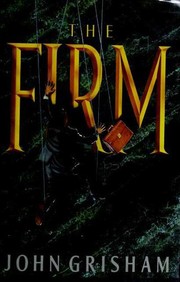
The Firm
Young lawyer Mitch joins a Memphis firm with great pay, then learns clients die and the FBI watches.
2,079-word summary · 9 min read
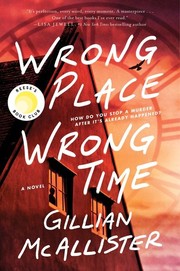
Wrong Place Wrong Time
Jen sees her son Todd kill a stranger, then wakes the day before, slipping back in time to stop the murder.
2,522-word summary · 11 min read

The Outsider
Coach Terry Maitland's DNA and witnesses point to an impossible murder, until Ralph Anderson and Holly Gibney trace it to El Cuco.
2,586-word summary · 11 min read

The Only One Left
Caregiver Kit tends mute Lenora Hope accused of 1929 family murders.
2,592-word summary · 12 min read