
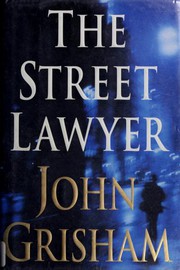
The Street Lawyer
2,745-word summary 12 min read 309 pages in the book
- First published
- 1998
- Publisher
- Doubleday
- Pages
- 309
- ISBN
- 9780385490993
Reading options
What's inside (8 sections)
I found The Street Lawyer in a library sale bin with a cracked spine and someone's coffee ring on the back. I had seen the Grisham movies but never sat with his early books. John Grisham published this one in April 1998 with Doubleday, and Wikipedia lists 309 pages for the standard edition, ISBN 9780385490993. I read it on a couch over a weekend while rain hit the windows. Michael Brock, a young antitrust lawyer at a giant Washington firm, has his life cracked open in one morning. A homeless man walks in with a gun and takes hostages. By lunch the man is dead. Michael cannot shake what the man asked about. That guilt carries him out of the high rise and into a storefront clinic where the heat barely works.
What pulled me first was how ordinary Michael starts. He bills hours. He chases partnership. He is married to Claire, who is training as a surgeon and working shifts that leave them passing notes. They have money worries of the rich kind. Bigger apartment. Better schools someday. He likes suits and squash and being told he is on track. Grisham writes this world from inside. The memos. The time sheets. The partner smiles that mean keep going. Michael is not cruel. He is busy in the way that lets you ignore what street you walk to work on.
The morning Mister walks in with a gun
The hostage morning is the best written stretch. A thin man who calls himself Mister slips into Drake and Sweeney with a pistol and chains the conference room doors. He holds nine lawyers, Michael among them. He does not want money. He wants answers about an eviction. Which building. Who signed. Where the families went. He names streets and dates that mean nothing to Michael. The room smells of coffee and fear. Someone cries quietly. Mister paces and talks about cold and papers and a woman with kids. He is calm, then loud, then calm again.
Grisham keeps the geography tight. One room. Phones ringing outside. Police gathering below. Senior partner Arthur Jacobs trying to soothe and failing. Michael watches Mister's hands and listens more than the others. Mister asks Michael his name and whether he owns or rents. Michael answers honestly. That small exchange matters later. When the police sniper fires, it happens fast and ugly. Blood on Michael's face and shirt. Screams. Chairs tipped. Mister, whose real name is DeVon Hardy, dies on the carpet of a firm that charges more per hour than he ever held at once.
The aftermath feels true to office life after shock. Counselors visit. Partners give speeches about resilience. Work resumes too fast. Michael is given time off he does not use well. He drinks coffee and replays Mister's questions. Why that building. Why those names. He asks a colleague in real estate, Braden Chance, for background and gets brushed off with a laugh. He asks his secretary Polly what she heard. He pulls old files when no one looks. Claire tells him he looks haunted. He says he is fine. He is not fine.
I liked that Grisham does not make Michael a hero in this section. He freezes. He says the wrong thing once and hates himself for it. He is relieved when it ends and ashamed of the relief. That mix felt honest. Most of us would not rush a gunman. We would sit still and hope. Michael sits still, and the shame of sitting still pushes him to move later.
Guilt that will not wash off
Guilt drives the second movement. Michael starts walking the blocks around the firm at lunch instead of eating at his desk. He sees men sleeping in doorways he used to step past. He notices the clinic on 14th Street with its hand painted sign. He reads Mister's short police record. No fixed address. Odd jobs. Time in shelters. Michael, who argued fine points of competition law, realizes he knows nothing about eviction defense or benefits or shelter intake. The gap embarrasses him.
His marriage strains in ways Grisham shows without melodrama. Claire works nights. Michael works late. They talk about buying a house while avoiding talk about Mister. Claire, practical and tired, says Michael cannot save everyone. She means it kindly. He hears it as cold. They still care for each other, but their schedules and aims pull apart. She wants stability after years of training. He wants to atone for sitting in that room while a desperate man died asking questions no one answered. Neither is wrong. That is why the scenes hurt.
Michael does something rash and telling. He starts taking files about the eviction on the sly. He copies a memo. He asks Hector Palma, a paralegal for Braden Chance, for help finding records. Hector is nervous and decent, a man with a family who knows the firm can crush him. He helps in small ways. A drawer left open. A name remembered. Michael promises to protect him and half believes it. I felt uneasy here because Michael risks other people's jobs with the confidence of a man who has always landed soft. Grisham lets that unease sit. Michael means well and acts with the carelessness of privilege.
There is a strong passage where Michael visits the lot where the condemned building stood. It is gone, scraped for a federal project. Snow piled at the edges. A fence with a developer sign. He stands there in his good coat and understands, in his body, what winter eviction means. No heat. No door. Kids in a car trying to stay warm. He goes home and cannot eat. Claire asks what is wrong. He cannot explain yet without sounding like he has joined a cause. He has, though he will not say the word.
Mordecai Green and the clinic on 14th Street
Mordecai Green is the soul of the book and Grisham clearly loves him. Mordecai runs the 14th Street Legal Clinic with little money and vast stubbornness. Big man. Loud laugh. Worn suits. He knows every shelter worker and cop on the beat by name. He yells at young volunteers and then teaches them how to file. He calls Michael rich boy without malice and puts him to work mopping before letting him near a client. His colleagues Abraham Lebow and Sofia Mendoza, plus a rotating crew of students and part timers, keep the place upright with coffee and grit.
Michael first goes to ask questions. He stays to help. He sorts intake forms. He sits with men who need ID to get beds and women who need letters to keep kids. He learns to listen without checking his watch. Mordecai tests him. Carry boxes. Drive a client to court. Sit through a benefits hearing that drags for hours. Michael, used to polished conference rooms, sweats in a crowded hallway with buzzing lights. He starts to like the tired pride of small wins. A stay granted. A check restored. A bed found for a night.
Grisham writes clinic procedure with the same care he gave firm life. How to triage. How to calm a client who shouts. How to tell someone the law cannot fix what broke. Ruby, a homeless woman with a drug habit who lost custody of her son, becomes Michael's hardest case and his mirror. She lies. She disappears. She tries again. Michael wants to rescue her fast. Mordecai tells him rescue is not the job. Show up. File papers. Drive her to treatment when she agrees. Do not make her recovery about your guilt. That counsel lands because Michael keeps failing at it.
Megan, who works at a women's shelter, enters here as a coworker and slow friend. She is kind without being soft, and she sees through Michael's savior swing. She tells him to learn names and routines as well as case law. They share rides and late coffee. A tentative bond forms, built on work rather than charm. Grisham keeps it low key, which I appreciated. After the loud hostage opening, these quiet clinic chapters give the book heart. You start to hope Michael stays even before he decides.
The file, the eviction, and Lontae Burton
The legal core sharpens when Michael gets hold of a confidential file showing Drake and Sweeney buried knowledge about tenants in the condemned building. The firm, pushing a federal project on schedule, treated occupied low rent units as empty. A senior hand waved away proof that families lived there and were owed a full legal process before removal. Braden Chance handled paper that should have raised flags. Tillman Gantry, a small time landlord with a record, played his part in clearing the place. The tenants were pushed out in winter with nowhere to go.
The human cost centers on Lontae Burton and her four children. Ontario, Alonzo, Dante, and Temeko. A mother trying to hold together after eviction, sleeping in a car with the kids during a snow spell. The exhaust pipe blocked by snow. Carbon monoxide. All five dead. Grisham states it plainly and does not linger for shock. The plainness makes it worse. I had to set the book down for a minute. A memo about timing and a family in a car. That is the whole case in two images.
Michael copies the file meaning to expose it, and the firm quickly suspects theft. Here Grisham shows big law defense mode. Locks changed. Emails watched. Barry Nuzzo, a long time associate who knows where bodies are buried, leans on Michael with threats wrapped as advice. Return what you took. Forget what you saw. Think of your license. Think of Claire. Arthur Jacobs, the head partner, plays sadder and kinder, which is more effective. He speaks of the firm's good name and pro bono hours and one bad apple. Michael, who once admired Jacobs, sees the performance now and feels sick.
Hector Palma's help becomes vital and risky. He points Michael to dates and signatures without putting his name on anything. Tillman Gantry, when found, talks in circles out of fear and habit. Abraham and Sofia help Mordecai shape a claim while warning Michael he could be disbarred for how he got the papers. That warning matters. Grisham, a lawyer himself, knows the fruit of a stolen file can poison a case. The clinic must find clean ways to prove what the dirty copy shows. They chase city records, shelter logs, and witnesses who will speak on the record. It is slow work after the fast theft, and Grisham makes the slowness feel like lawyering rather than filler.
Taking on Drake and Sweeney
The fight with the firm fills the last third. Drake and Sweeney accuse Michael of theft and malpractice. They freeze his references. They hint at criminal charges. Michael leaves the firm for a tiny salary at the clinic, which ends his old life in practical terms. He gives up the office and the bonus track. Claire files for divorce with a gentleness that hurts more than anger. They sign papers at a kitchen table and wish each other well. No screaming. Just two tired people admitting they want different days.
Michael's tactics are scrappy. With Mordecai, he files suit against the firm and its business partners over the illegal eviction and the deaths. He gives interviews carefully. He cultivates a reporter without handing over stolen pages. He sits with Lontae's relatives and neighbors who feared retaliation. He learns that winning means money for the living and acknowledgment more than jail for the polished men who signed. Grisham resists a courtroom miracle. Much happens in depositions and conference rooms. A partner sweats through questions. A document custodian forgets a lie. Small cracks widen.
Braden Chance emerges as the clearest villain, the lawyer who covered tracks to keep the project moving. Barry Nuzzo does the dirty work of pressure. Arthur Jacobs hovers as the man who let it happen by looking away, then tries to buy peace with offers of clinic funding and pro bono promises. Michael refuses easy deals that would bury the file. Mordecai backs him while warning the clinic could be crushed by costs if they lose. Sofia finds a shelter record that ties a family to the address at the key date. Abraham drafts through the night. These team beats give the book a lift after the grim middle.
The settlement, when it comes, is large in money and mixed in justice. The firm pays. The partner most at fault is pushed out. Michael takes a temporary suspension of his license for how he handled the file. He accepts it without grandstanding. I liked that Grisham does not let him walk clean. He stole. He meant it for good. The bar still marks him. That balance feels more honest than a full win. Ruby's thread closes with a modest hope rather than a cure. She stays in treatment longer this time. She sees her son supervised. Megan and Michael take a short trip with her near the end, not as saviors but as tired friends who need air. It is a gentle coda after hard pages.
What lands and what preaches
Grisham's strengths show throughout. Pace. Clarity. Workplaces rendered from the inside. The firm feels real in its perks and menace. The clinic feels real in its smell of old paper and soup from next door. Procedure carries the story. How to copy a file without being seen. How to intake a client who will not sit. How to survive a deposition when the other side owns the room. Readers who like watching people do jobs will enjoy long stretches. I did. The hostage opening hooks fast, and the eviction puzzle holds through the slower middle because Lontae and her children give it weight.
Mordecai is a creation that lifts the whole book. He is funny without being a saint. He bullies and teaches. He knows the limits of law and works them anyway. Megan and Sofia add steadiness without stealing scenes. Ruby avoids becoming a symbol because Grisham lets her relapse and snap and try again. Michael's growth from time sheet striver to street lawyer who mops floors first is legible and earned in acts, not speeches, for much of the book.
Now the fair criticisms. Grisham preaches in places. Passages about homelessness and big firm greed state the moral outright instead of trusting the story. One speech by Mordecai about the city abandoning the poor stops the plot to make a point most readers already got from Lontae's death. A couple of Michael's inner monologues repeat the lesson. I skimmed two pages near the end where the point was made twice. A lighter hand would have served the cause better.
The villains are thin. Braden Chance is ambition without backstory. Nuzzo is menace without doubt. Jacobs gets a flicker of conscience, but the firm as a whole is a wall of suits. Compared with Mordecai's crew, who feel lived in, the partners feel like functions. Plot needs them to block and threaten, and they do, but I never believed any of them outside the office. A single scene of Chance at home, or Nuzzo hesitating, would have helped.
Michael's conversion is tidy. He goes from billing machine to clinic lifer in months with little relapse into old wants. Money, status, and partnership stop tempting him fast. Real change wobbles. Grisham gives him one late night of doubt and then resolves it with a talk with Megan. I wanted more drag. What about Claire's world still pulling? What about fear when the firm threatens his license? The book touches these and moves on. The arc satisfies as story while feeling a bit clean as life.
Still, I closed the Doubleday edition from April 1998, 309 pages per Wikipedia, ISBN 9780385490993, with respect. It aims to entertain and to prod conscience about eviction and cold streets, and it does both without turning cruel. If you like legal thrillers where paper matters more than guns, start here. Expect a gripping first fifty pages, a warm and weary middle at the clinic, and a settlement rather than a shootout. Forgive the sermons and the neat turn. Remember Mister asking about families, Mordecai shouting then teaching, and Ruby trying again. Those people stay with you longer than the file numbers. That is why the book, for all its flaws, earns its place on the shelf.
FAQ
When was The Street Lawyer published?
In April 1998 by Doubleday. Wikipedia lists 309 pages and the ISBN is 9780385490993.
Who are the main characters?
Michael Brock, Mordecai Green, DeVon Hardy called Mister, Claire Brock, Braden Chance and Ruby.
Is The Street Lawyer part of a series?
No, it is a standalone legal thriller, Grisham's ninth novel.
Similar books
Gray Mountain
A Manhattan associate furloughed after the financial crash takes a year of unpaid legal aid work in Appalachian coal country, and finds the case of her life…
2,026-word summary · 9 min read

The Guardians
A innocence lawyer reopens a prison murder where the wrong man waits on death row.
2,564-word summary · 11 min read
Presumed Innocent
Rusty Sabich must solve coworker Carolyn Polhemus's murder while hiding his affair with her, then stands accused himself in Turow's 1987 Kindle County debut.
2,726-word summary · 12 min read
The Brethren
Three disgraced judges run a blackmail scam from a federal prison and accidentally trap a presidential candidate, pulling the CIA into their scheme.
1,967-word summary · 9 min read
The Racketeer
A jailed lawyer trades a judge murder secret for freedom and revenge.
2,434-word summary · 11 min read
The Judge's List
Lacy Stoltz hunts a sitting judge who murders off his list.
2,513-word summary · 11 min read
The Testament
John Grisham's The Testament sends washed-up lawyer Nate O'Riley to the Brazil Pantanal to find missionary heir Rachel Lane and settle her…
2,731-word summary · 12 min read

The Partner
A Biloxi lawyer fakes his death, steals $90 million, and hides in Brazil until hired muscle drags him home to trial.
2,221-word summary · 10 min read

Sycamore Row
Jake Brigance returns to defend a contested will that leaves a fortune to a Black housekeeper in racially tense Clanton.
2,017-word summary · 9 min read
The Whistler
A Florida judicial investigator takes a bribery tip that leads to a crooked judge, a tribal casino, and murder.
2,935-word summary · 13 min read
The Rainmaker
Broke rookie Rudy Baylor sues an insurer over a denied transplant and faces Leo Drummond at trial.
3,040-word summary · 14 min read
The Runaway Jury
A tobacco trial in Biloxi is quietly rigged from inside the jury box and by a woman offering to sell the verdict.
2,920-word summary · 13 min read
The Pelican Brief
Law student Darby Shaw writes a brief on murdered justices and becomes a target, fleeing with a reporter.
2,994-word summary · 13 min read

The Client
Eleven-year-old Mark Sway learns a mob secret in Memphis and hires lawyer Reggie Love for one dollar.
2,536-word summary · 11 min read
The Firm
Young lawyer Mitch joins a Memphis firm with great pay, then learns clients die and the FBI watches.
2,079-word summary · 9 min read
A Time to Kill
Lawyer Jake Brigance defends a father who killed his daughter's attackers.
2,064-word summary · 9 min read

The Beach House
A young valet is beaten to death at a Hamptons party, and his law-student brother spends a year building a case against the family that covered it up.
2,049-word summary · 9 min read

4th of July
Lindsay Boxer shoots two armed teenagers in self-defense, faces a wrongful-death trial, and spends her leave chasing a string of throat-slashing murders in…
2,192-word summary · 10 min read
Judge Stone
A Black woman judge in Alabama takes a trial over an abortion case that splits everything.
2,036-word summary · 9 min read
My Sister's Grave
Detective Tracy Crosswhite reopens her sister disappearance and finds town secrets still guarded.
2,084-word summary · 9 min read
The Lincoln Lawyer
Mickey Haller defends a rich assault suspect from his Lincoln while doubting his innocence.
2,317-word summary · 10 min read
The Rooster Bar
Three law students buried in debt discover their for-profit law school is a scam, and decide the only way out is to con their way into practicing law before…
2,837-word summary · 13 min read
The Broker
A disgraced Washington lobbyist is pardoned and hidden in Bologna, where the CIA uses him as bait to find out who wants a stolen satellite.
2,211-word summary · 10 min read
The Last Juror
A young editor buys a dying Mississippi paper and covers the murder trial that defines his town for a decade. Grisham's small-town novel about race, juries,…
2,528-word summary · 11 min read
The Chamber
Young Chicago lawyer Adam Hall defends his grandfather Sam Cayhall on Mississippi death row as a gas chamber date nears.
2,828-word summary · 13 min read
Camino Island
A Princeton manuscript heist pulls a blocked young writer into spying on a charming Florida bookstore owner who may hold the loot.
2,984-word summary · 13 min read

What She Knew
Rachel lets her eight-year-old son run ahead in a Bristol park, and the nine-day search turns her into a suspect in the public eye.
2,952-word summary · 13 min read

Six Years
A professor who promised to forget the woman he loved sees her husband's obituary and discovers that the wedding, the marriage, and the woman herself may never…
2,076-word summary · 9 min read

The Trespasser
A Dublin Murder Squad detective investigates a staged dinner-party killing and finds a cover-up that reaches into her own department.
2,051-word summary · 9 min read

Rules of Prey
Minneapolis detective Lucas Davenport hunts a killer who leaves a new rule at every scene and treats murder as a game of wits.
1,914-word summary · 9 min read