
The Lincoln Lawyer
2,317-word summary 10 min read 404 pages in the book
- First published
- 2005
- Publisher
- Little, Brown and Company
- Pages
- 404
- ISBN
- 9780316734936
- Series
- Lincoln Lawyer (#1)
Reading options
What's inside (8 sections)
I came to The Lincoln Lawyer after watching clips of the Netflix show and wanting the original case that started Mickey Haller. Michael Connelly published it with Little, Brown and Company in 2005, a 404 page crime novel with ISBN 9780316734936. It introduces Mickey Haller, a Los Angeles criminal defense lawyer who works out of the back of his Lincoln Town Car, and it drops him into a Beverly Hills assault case that looks like easy money and turns into a fight for his life. It is the first in the Lincoln Lawyer series and the sixteenth book in the wider Harry Bosch universe, though you can read it cold. I did. It holds.
Mickey Haller is not heroic in the easy way. He is clever, talkative, tired. Divorced from prosecutor Maggie McPherson, father to a daughter he adores, son of a famous defense lawyer he never quite escaped. He keeps client files in the car, takes calls at stoplights, knows every courthouse clerk by first name. He defends the guilty for money and tells himself the system needs good defense to stay honest. That rationalization cracks in this book, which is why it works. Mickey has to decide what kind of lawyer he is when a client might be innocent, or might be a monster, and he cannot tell which story serves justice.
The setup moves fast. Louis Roulet, rich, handsome, son of a powerful real estate mother, is arrested for beating a woman named Regina Campo in her apartment. He says it was consensual rough sex gone wrong, that she is after money. He hires Mickey for big fees. Mickey smells franchise, the kind of wealthy client who brings more wealthy clients. His investigator Dennis Wojciechowski, ex cop, checks backgrounds. His driver Earl Briggs, ex client paying off debt, keeps him safe and on time. Mickey visits the scene, reads the discovery, thinks this is winnable. Then small details itch.
Regina Campo, who also goes by Reggie, does not act like a typical accuser in these stories. She is shaken, angry, specific about a knife, about being left. Her story has gaps but her fear reads real. Mickey, defense lawyer to the bone, looks for holes anyway. That is his job. He finds a previous report with similarities. Another woman, similar attack, no arrest. That should help Roulet. Instead it scares Mickey. Same method. Same kind of bar pickup. Same sudden violence. If Roulet did the first one too, then Mickey is not defending a spoiled kid who made a mistake. He is freeing a predator.
Rules of the car
Connelly uses Mickey's Lincoln as more than a gimmick. The back seat is office, confessional, and trap. Clients talk more freely in cars than in offices. Mickey can take three courthouses in a day without losing files. He can also be overheard, followed, shot at. The car makes him accessible and exposed. I liked how Connelly shows the economics. Mickey advertises, hustles DUIs and drug cases, pays overhead by volume. Roulet's case promises breathing room. That money pressure explains why Mickey ignores early warnings. He needs the fee. Need bends judgment. Anyone who has taken a job for money while uneasy will get it.
Maggie McPherson, his ex wife and a deputy DA, provides the book's moral friction. She still loves him in a tired way, still distrusts how he works. Their daughter Hayley grounds both. Mickey wants to be a good father while doing work he cannot explain at career day. Maggie wants him safer and cleaner. Their phone calls mix custody logistics with case warnings. Do not get killed. Pick up Hayley Friday. Did your client do it. That domestic rhythm keeps the legal thriller human. Mickey is not a lone wolf. He is a dad who misses recitals because a client lied.
Dennis, the investigator, and Earl, the driver, give Mickey a team without a firm. Dennis knows how cops think because he was one. He teaches Mickey to read police reports for what is missing, not just what is there. Earl knows street risk because he lived it. He checks mirrors, parks for exit, carries. Their banter in traffic on the 101 breaks tension. Los Angeles itself becomes a character through their routes. Van Nuys, Hollywood, downtown, Beverly Hills. Different courthouses, different rules, same traffic. Connelly, a former LA Times reporter, writes the county as a maze Mickey learned to run.
Harry Bosch fans will notice connections without needing them. Mickey is Bosch's half brother, though the book does not lean on it. A detective named Harry Bosch appears at edges, skeptical and solid. If you know the Bosch books, those nods please. If not, they read as normal cop cameos. I knew the name but had not read Bosch, and I never felt lost. The book keeps its case self contained. The wider universe adds texture, not homework.
The case turns
Midway the book shifts from legal procedure to threat. Mickey realizes Roulet may have committed an earlier murder, that of a prostitute named Martha Renteria, for which another man, Jesus Menendez, sits in prison. That twist reframes everything. If Mickey proves Roulet did the earlier crime to win the current one, he frees his own client by condemning him to worse. If he stays silent, an innocent man stays inside. Defense ethics forbid harming your client to save another. Justice demands the truth. Mickey is stuck in a classic lawyer trap, and Connelly plays it straight without speeches.
I will stay vague on mechanics to avoid spoiling the trial, but the moves involve a second chair, a surprise witness strategy, and a dangerous decision to put Roulet on the stand in a way. Mickey starts to work both sides of the line. He talks to cops without snitching. He talks to his client without lying for him. He uses procedure as a weapon while trying not to become what he fears. Some readers will find his choices too cute, a screenwriter's ethics puzzle rather than real law. Real lawyers I know say the duty to the client is stricter than Mickey allows. Accept the book as drama, not manual. The tension still grips because Mickey could lose his license, his family, or his life with one wrong sentence.
The courtroom chapters are excellent on detail. Jury selection in LA. How to dress a rich client to look less rich. How to cross a sympathetic victim without alienating jurors. Mickey narrates tactics in first person with dry humor. Object when it matters, not to show off. Let a witness ramble if rambling hurts them. Save the document that kills for after lunch when jurors are sleepy and then wake them. Those small tips feel learned from real trials. Connelly keeps objections and rulings short enough for non lawyers. The judge is impatient, fair, and tired, which is exactly right.
Outside court, danger grows. Roulet's mother, Mary Windsor, powerful and cold, protects her son with money and menace. Someone follows Mickey. Earl earns his pay. A moment in a parking garage made me put the book down and breathe. Connelly does not need gore. A car idling too long is enough. Mickey, who talks for a living, learns when to stay quiet. That growth from talker to watcher marks him as more than a type.
What works and what creaks
What works is voice. Mickey in first person is funny, weary, and specific. He counts fees, miles, and mistakes. He loves his daughter without sentimentality. He respects opponents, even prosecutors trying to beat him. He admits when a cross flops. That honesty makes the clever parts believable. When he spots the link between cases, you believe it because he missed three other things first. Smart but fallible beats brilliant every time in crime fiction.
Los Angeles procedure also works. Connelly shows how justice differs by zip code. Roulet gets bail, private experts, and press management. Menendez got a public defender and a quick plea. Mickey knows both worlds because he works the middle, shuttling between. The book angers without preaching. It shows, through scheduling and money, why the same facts lead to different outcomes. That quiet critique stayed with me more than any speech.
What creaks is the middle. Around page 200 the investigation repeats. Interview, report, drive, interview. If you want constant action, the legwork may tire. I found it realistic, but I skimmed two witness chapters. Roulet as villain also leans polished. Rich, charming, empty. We never quite understand him beyond need to control. That thinness serves the mystery, he is a mask to remove, but it leaves the final confrontation less human than the rest. Mary Windsor is similarly cold without much backstory. Powerful mothers protecting sons is familiar. Connelly gives her one good scene of steel that almost redeems the type. Almost.
The ending, which I will not detail, mixes courtroom win with street loss in a way that felt right for the series start. Mickey does not become a hero. He becomes a lawyer who knows his limits and will test them again. Some readers wanted clearer punishment. I liked the mess. Real cases end with paperwork and unease, not trumpets. Mickey driving off to the next courthouse, files sliding in the back seat, daughter's drawing on the visor, felt true. Work continues. Doubt rides along.
Who should read it
Read it if you like legal thrillers with procedure you can follow, flawed narrators who admit fees matter, Los Angeles as a working city rather than a postcard. It pairs well with Bosch books but stands alone. Content includes sexual assault, murder, language, and brief violence. The assault scenes are described in testimony without graphic lingering, but they are central. Take care if those topics harm.
The facts to cite are simple. First published October 3, 2005 by Little, Brown and Company. First hardcover runs 404 pages with ISBN 9780316734936. Series Lincoln Lawyer book one. Connelly, born 1956, former crime reporter, wrote it as his sixteenth novel after establishing Bosch. That background shows in every courthouse hallway.
I finished it in three nights, marking pages about cross examination to reread. Mickey Haller talks too much, drives too fast, loves his kid fiercely, and tries, imperfectly, to keep a guilty system honest. The Lincoln is dented by the end, inside and out. So is he. I will ride with him again. Just not in the back seat after dark.
Money and ethics
One thread I kept thinking about after is money. Mickey starts the book chasing a franchise client because volume work barely covers office, gas, and child support. That pressure is rarely stated so plainly in thrillers. He does the math in his head during meetings. Hours times rate minus expert fees. He takes Roulet partly because he is tired of saying no to rent. That honesty made me uncomfortable in a useful way. How many of my own small compromises came from tiredness rather than belief. Connelly does not excuse Mickey, but he shows the slope. A good fee quiets a small doubt. Then a bigger doubt arrives and you already spent the retainer.
The Jesus Menendez subplot sharpens the point. Menendez took a plea years earlier because his lawyer said trial would kill him, and he has sat inside since. Mickey knows the file, knows the man is likely innocent, and cannot act directly without sinking Roulet and himself. He finds a sideways path that risks his license. I argued with a lawyer friend about whether that path was brave or self serving. She said both. He wants to save Menendez and to sleep at night, and those motives mix. The book lets them stay mixed. No clean hero moment where money stops mattering. Even after the case, Mickey still needs clients. Ethics do not pay for gas. That ongoing tension is why the series can continue. He did not solve his problem. He named it.
I also noticed how Mickey treats staff and opponents when money is tight. He pays Earl late but pays with respect, driving him home, asking about family. He spars with prosecutors without cruelty, saving venom for truly corrupt players. That decency under strain felt real. People show who they are when checks bounce. Mickey shows as a man trying to stay decent in a business that rewards sharp edges. Sometimes he fails. He snaps at Maggie. He pushes Dennis too hard. Then he apologizes without speeches. Sorry, long day, you were right. Those small repairs mattered to me more than the big trial win.
A note on rereading
On a second pass I paid more attention to driving scenes. Connelly writes traffic as thinking time. Mickey rehearses crosses on the 101, practices pauses, loses arguments to imagined judges. He calls his daughter from parking lots. He eats in the car. The Lincoln smells of coffee and files. That confined space forces honesty because there is nowhere to pose. First person narration in a car feels like a long confession to a passenger who never answers. I am that passenger. I found myself talking back. Do not take that client. Call Maggie back. Pull over. That urge to warn is a sign the voice works. I cared about a man who bills by the hour.
If you read it, try tracking how often Mickey says franchise in the first half versus second. Early, the word appears whenever Roulet calls. Later, it disappears. He stops seeing the man as future income and starts seeing him as present danger. That shift in language marks growth better than any speech about justice. Watch for it. Connelly plants these small tells for careful readers. Files move from back seat to trunk when Mickey wants distance. Music changes from sports radio to quiet when he worries about Hayley. Details like that reward slow reading in a fast book.
FAQ
Is The Lincoln Lawyer part of a series?
Yes. It is Lincoln Lawyer book one, introducing Mickey Haller, and it sits in the wider Harry Bosch universe. It reads fine alone.
When was The Lincoln Lawyer published?
Little, Brown and Company published it October 3, 2005. The hardcover runs 404 pages with ISBN 9780316734936.
Similar books
More like The Lincoln Lawyer →More from Lincoln Lawyer first, then related titles.

Defending Jacob
A Newton prosecutor defends his fourteen year old son after a classmate is stabbed in the park.
2,994-word summary · 13 min read
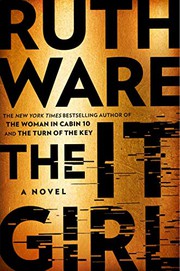
The It Girl
Ten years after April murder at Oxford, new claims of innocence force pregnant Hannah to rethink friends.
2,015-word summary · 9 min read

Still Life
A beloved teacher found with an arrow in Three Pines looks like hunting accident until Gamache looks closer.
1,996-word summary · 9 min read

All Good People Here
A journalist returns home to care for her uncle and reopens a 20 year old child murder tied to a new abduction.
2,006-word summary · 9 min read

The Silkworm
A missing novelist and a cruel manuscript pull Strike and Robin into London publishing.
3,583-word summary · 16 min read

The Murder of Roger Ackroyd
Retired Poirot probes a locked study murder in King's Abbot, told by the village doctor.
3,582-word summary · 16 min read