
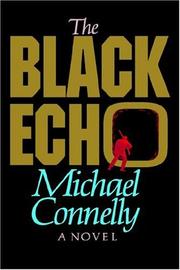
The Black Echo
2,133-word summary 9 min read 375 pages in the book
- First published
- 1992
- Publisher
- Little, Brown and Company
- Pages
- 375
- ISBN
- 9780316153614
- Series
- Harry Bosch (#1)
Reading options
What's inside (6 sections)
I picked up this book because I wanted to see where Harry Bosch started, and because a used bookstore had six different Connelly paperbacks and the clerk pointed at the thinnest one and said start here. Published in 1992 by Little, Brown and Company, about 375 pages in the first hardcover, it is Connelly's first novel and the first Harry Bosch book. It won the Edgar Award for Best First Novel. I went in expecting a standard cop story. I got tunnels, bank vaults, Vietnam memories, and an FBI romance that goes wrong in a way I did not see coming.
Harry Bosch is introduced as a man already in trouble. He served in Vietnam as a tunnel rat, the soldiers who crawled into narrow enemy tunnels with a flashlight and a pistol. After the war he joined the Los Angeles Police Department, rose to the elite Robbery Homicide Division, then fell after shooting a suspect in the Dollmaker serial killings, a shooting the department ruled questionable. At the start of the book he works homicide out of the Hollywood Division, partnered at times with Jerry Edgar, supervised by Harvey Pounds, watched with dislike by lieutenant Irvin Irving. He lives alone in a house on stilts in the hills, listens to jazz, follows rules only when they match his own code.
The opening case looks small. Billy Meadows, a fellow tunnel rat Bosch knew in Vietnam, is found dead in a drainage pipe near the Hollywood Bowl, apparently of an overdose. Bosch knew Meadows as a tough kid who survived the tunnels. He does not buy the overdose story. The body shows signs Bosch reads differently. Meadows has track marks but also other injuries. His clothes and gear do not fit a simple street death. Bosch starts asking questions, and his bosses tell him to close it fast. He does not close it.
Meadows and the bank job
What pulls Bosch forward is a link to a bank robbery from the month before. Thieves broke into a bank vault in Los Angeles by tunneling in from storm drains, a skilled job that required planning, nerve, and knowledge of underground work. The FBI holds that case because bank robbery is federal. Bosch sees the overlap. Tunnel rats, tunnels under a bank, a dead tunnel rat with maybe fresh cash around him. He pushes his way into the federal investigation by arguing he understands tunnel work and the men who do it.
That is how he meets the FBI team. Special Agent in Charge John Rourke runs the Los Angeles bank robbery squad with smooth confidence. Assigned under him is Special Agent Eleanor Wish, smart, calm, professional, new enough to Los Angeles that she still looks closely at things. Rourke agrees to a temporary joint effort. Bosch and Wish will share notes on Meadows and the vault job. The LAPD agrees with little joy. Internal Affairs detectives Pierce Lewis and Don Clarke are already watching Bosch over the Dollmaker fallout and they dislike the idea of him freelancing with the bureau.
I liked how Connelly writes the early police work. Bosch and Wish retrace Meadows in plain steps. Where did he sleep. Who saw him last. Where did he pawn things. They visit bars, flophouses, and a halfway house for traumatized Vietnam veterans called Charlie Company, named with dark humor by its residents. Two other men from Meadows's old unit have recently gone missing from that house. The pattern grows. Men with tunnel skills, living rough, vanishing one by one.
There is a sad thread here about veterans that gives the book weight. Meadows and his friends came home to little help and less patience. Some drink. Some use drugs. Some cannot sleep inside. Bosch carries guilt about leaving men behind in spirit if not in fact. He understands why Meadows might take a risky job for cash. He also understands why Meadows might keep a souvenir he should have sold far away or never taken. That souvenir matters. Meadows pawned a jade bracelet tied to the first bank theft, and that small greed got him noticed.
Sharkey, a teenage tagger and street informant, helps Bosch in these chapters. Sharkey is quick, funny, scared, trading what he sees for small cash and protection. Bosch treats him better than most cops do, which makes what happens later hit harder. Connelly does not make Sharkey a symbol. He is just a kid trying to stay out of cells and earn enough to eat, caught near men who kill to stay quiet.
Wish, Rourke, and the tunnels
The middle of the book follows two tracks that slowly join. On one track Bosch and Wish grow close. They work long hours, eat late, talk about past cases and past losses. Wish has a print of Edward Hopper's Nighthawks in her home that Bosch admires, the lonely diner scene with the man sitting alone at the counter. Bosch sees himself in that figure. Their affair starts with case talk and turns personal fast. Connelly writes it plainly, without flourish. Two tired investigators finding comfort where they should keep distance.
On the other track the investigation points to Vietnamese exiles. Two men who were high ranking police officials in Saigon before the fall managed to leave with American help and settled in Los Angeles. During the war, in exchange for cooperation, American officials helped them convert assets into diamonds worth millions and get those stones out. The diamonds sat in safe deposit boxes in Los Angeles banks. The tunnel gang already hit one box location. Bosch guesses they will hit a second one soon, and he and Wish identify a Beverly Hills vault as the likely target by following one of the Vietnamese men, named Tranh, and by studying box records and movements.
Rourke takes charge of the trap. He sets quiet surveillance and arranges SWAT units to wait near the second vault without alerting the bank staff too widely. The plan is to catch the thieves inside the tunnels or as they surface. Bosch pushes to be there because he knows tunnel behavior, how men move underground, where they post a lookout, how panic spreads in tight dark space. Wish backs him. Rourke agrees but keeps him on a short leash.
This section has strong procedural detail. Connelly, who covered crime as a reporter, writes search steps, stakeout boredom, and inter agency friction with ease. The LAPD resents the FBI. The FBI doubts the LAPD. Internal Affairs follows Bosch and reads every move as proof he has gone dirty. Pounds wants quiet. Irving wants Bosch gone. Wish sits between loyalties, loyal to Rourke as her boss and drawn to Bosch as a partner who actually listens.
I should note a fair criticism here. The middle repeats some interviews. Bosch asks the same questions of different veterans. Wish checks the same records twice. Readers who want constant action may find these chapters slow. I did not mind much because the tunnel lore held me, the way Connelly explains soil, shoring, air, sound underground, and how Vietnam tunnel work taught men to stay calm in dark that would break most people. But if you prefer short books with a body every chapter, this stretch will test you.
The vault, the betrayal, and the black echo
The stakeout goes wrong in a painful, believable way. Lewis and Clarke, the Internal Affairs men tailing Bosch, mistake his quiet watch near the vault for proof he is in on the robbery. They push inside too early and force the bank staff to open the vault area, breaking cover. The thieves, already underground, react. Shots are fired in tight space. One Internal Affairs detective is killed. The other is badly wounded and falls into a coma. Chaos replaces the neat trap.
Bosch goes into the tunnel after the gang. This is the best written action in the book, slow and dark and loud at once. He fires at figures in dust, follows cables and fresh dig marks, breathes bad air. He meets the leader face to face and learns the truth with a shock. The leader is John Rourke. Rourke served in Vietnam as a military policeman tied to the program that moved the diamonds and helped the Vietnamese officers emigrate. He knew about the stones all along. He used his FBI post to plan both thefts, using Meadows and the other veterans as skilled labor he could later discard.
Rourke wounds Bosch underground and is about to kill him when Eleanor Wish shoots Rourke dead. She saves Bosch's life. In the moment it reads as clean, a partner saving a partner. Back in daylight, with reports to write and bodies to count, it starts to feel less clean. Bosch, lying in a hospital bed, replays what Rourke said in the tunnel about his share growing because two accomplices died, but not about keeping everything. That wording sticks. It means at least one more partner remains alive and uncaught.
Bosch confronts Wish. The scene is quiet and awful. Wish admits she was the third partner. Years earlier she believed her older brother died in Vietnam, until the Vietnam Veterans Memorial was unveiled and his name was missing from the wall. Her parents would not explain. She dug on her own and learned he had come home on leave, stumbled onto Rourke's theft scheme, demanded a cut, and was killed for it. She did not want diamond money. She wanted revenge on Rourke and his crew. She moved herself to the Los Angeles FBI office, let Rourke notice her, and quietly steered him toward planning the vault jobs so she could be there at the end.
She tells Bosch no one was supposed to get hurt and that her feelings for him turned real. Bosch believes part of that and cannot accept the rest. He has little hard evidence that would convict her in court. Instead he gives her a hard choice. Turn herself in and confess, or he will give the details to the Vietnamese men who lost their diamonds, men with their own ideas of justice. He says someone must answer for Sharkey, the boy informant Wish exposed to Rourke, who was then killed to protect the plan. Wish agrees to confess. As a goodbye she sends Bosch her Nighthawks print. He hangs it or studies it and again sees himself in the lone man at the counter.
The title phrase gets its meaning here. In tunnel rat slang the black echo is the dark, hollow space underground where sound dies and fear grows, and also the memory that follows veterans home. Bosch lives in it. Meadows died in it. Wish tried to use it and got lost in it.
What holds up and what creaks
What holds up best is Bosch himself. He is stubborn without being a cartoon. He breaks rules but writes honest reports. He drinks, smokes, plays jazz, and visits victims' families when he should go home. His code is simple. The job is to speak for the dead, even dead men like Meadows whom the city wants to file away. Connelly also writes Los Angeles well, the hills houses, the Bowl pipes, the Beverly Hills vault streets, the FBI office politics. The bank tunneling scheme feels researched, not invented for thrill. Drains, vault floors, drill noise on holiday weekends, all of it fits.
Wish is a strong creation too, though some readers will argue about her plan. Could one agent really steer Rourke for that long without him seeing it. Maybe, maybe not. I bought it because Rourke is arrogant and Wish is patient, and revenge can make people careful. Rourke as villain works. He is charming in briefings and cold underground, the kind of man who talks about duty while stealing.
What creaks is the romance speed. Bosch and Wish trust each other very fast for two guarded professionals. A few love scenes read stiff now. The Internal Affairs pair also feel thin, more obstacles than people. And as noted, the middle interviews repeat. Connelly was a first time novelist here, and it shows in small info dumps about Vietnam and FBI procedure that later books weave in more smoothly.
Still, the ending lifts it above most debuts. The choice Bosch forces on Wish is cruel and fair at once. He will not arrest her without proof, but he will not let Sharkey go unanswered. Sending the print at the end is a fine touch, sad without speeches. If you like crime books where the detective pays for solving the case, this will suit you. If you want Bosch at his sharpest, later books like The Concrete Blonde tighten the formula. Start here anyway, because the black echo explains everything he does after.
FAQ
When was The Black Echo published?
Little, Brown and Company published it on January 21, 1992. The first hardcover runs 375 pages and the ISBN is 9780316153614.
Is The Black Echo part of a series?
Yes. It is Harry Bosch book one, followed by The Black Ice. It reads fine alone.
Who are the main characters?
LAPD detective Harry Bosch, FBI agent Eleanor Wish, her boss John Rourke, dead veteran Billy Meadows, and teen informant Sharkey.
Similar books
More from Harry Bosch first, then related titles.
The Big Sleep
Marlowe takes a blackmail job for the Sternwoods and finds murder and daughters money cannot save.
2,243-word summary · 10 min read
The Late Show
Exiled to the LAPD night shift after accusing her supervisor, Renée Ballard keeps two cases that were meant to be handed off at dawn: a brutal assault and a…
2,563-word summary · 11 min read
The Lincoln Lawyer
Mickey Haller defends a rich assault suspect from his Lincoln while doubting his innocence.
2,317-word summary · 10 min read
How the Light Gets In
Gamache investigates the murder of the last Ouellet quintuplet while the Sûreté he served is dismantled from inside by the man who took his protégé.
2,279-word summary · 10 min read

Bury Your Dead
Recovering from a failed raid that killed his officers, Gamache investigates a murder in a Quebec City library while Beauvoir reopens a case in Three Pines.
2,022-word summary · 9 min read
The Trespasser
A Dublin Murder Squad detective investigates a staged dinner-party killing and finds a cover-up that reaches into her own department.
2,051-word summary · 9 min read

Rules of Prey
Minneapolis detective Lucas Davenport hunts a killer who leaves a new rule at every scene and treats murder as a game of wits.
1,914-word summary · 9 min read
The Black Dahlia
James Ellroy builds a fiction around the real Black Dahlia murder, following two Los Angeles cops whose partnership and obsessions destroy them.
2,533-word summary · 11 min read
Finger Lickin' Fifteen
Lula sees a celebrity chef decapitated and talks Stephanie into entering a barbecue contest to lure the killers, while Ranger hires her to find a security leak…
2,248-word summary · 10 min read
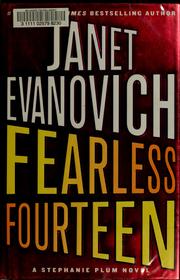
Fearless Fourteen
Bounty hunter Stephanie Plum babysits a teenager, guards a fading singer, and hunts nine stolen million dollars under her boyfriend's basement.
2,466-word summary · 11 min read

3rd Degree
The third Women's Murder Club novel follows a San Francisco terror cell and a three-day killing schedule, and it costs the club a member.
2,685-word summary · 12 min read
Lean Mean Thirteen
Stephanie Plum's ex-husband disappears after she attacks him, leaving her suspected of murder and chasing a forty-million-dollar secret through Trenton.
2,100-word summary · 9 min read
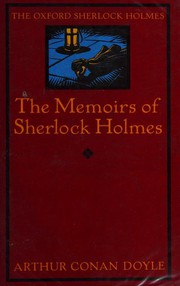
The Memoirs of Sherlock Holmes
Doyle's second Holmes collection gathers twelve Strand stories, including the early case of the Gloria Scott and the confrontation with Moriarty at Reichenbach…
2,390-word summary · 11 min read
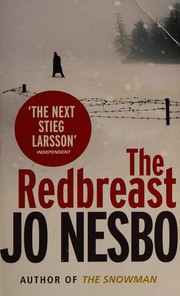
The Redbreast
Harry Hole chases an ageing sniper through modern Oslo while two Norwegian volunteers on the Eastern Front carry a fifty-year-old betrayal toward a royal…
2,453-word summary · 11 min read
The Murder on the Links
Poirot arrives in France too late to save his client, who is found stabbed in a grave and was not the man he claimed to be. Christie's second Poirot novel.
2,055-word summary · 9 min read

Broken Harbor
A family is found slaughtered in a half-built Dublin estate where no one broke in, and star detective Scorcher Kennedy must explain the holes in the walls.
2,308-word summary · 10 min read
The Maltese Falcon
Sam Spade hunts a jeweled bird through lies after his partner is killed.
2,529-word summary · 11 min read
One, Two, Buckle My Shoe
Poirot links a dentist murder to a missing banker and stolen millions.
2,549-word summary · 11 min read
Cruel & Unusual
Scarpetta links an execution to a boy's murder while someone steals bodies.
2,533-word summary · 11 min read
Case Histories
A Cambridge PI takes three cold cases that tangle with his own loss.
2,465-word summary · 11 min read
At Bertram's Hotel
Miss Marple finds a luxury hotel fronting robbery and murder.
2,550-word summary · 11 min read
The Man in the Brown Suit
Anne Beddingfeld sees a Tube death in London and chases a paper clue to South Africa, diamonds, and the hidden Colonel.
2,292-word summary · 10 min read
The Body in the Library
A strange girl found dead in a library pulls Miss Marple into lies about dance halls and film.
2,017-word summary · 9 min read

Maisie Dobbs
A maid turned war nurse opens a London inquiry agency in 1929 and traces a quiet case to a refuge for shattered soldiers.
2,382-word summary · 11 min read

2nd Chance
Lindsay Boxer and the Women's Murder Club hunt the Chimera killer after a church shooting in San Francisco.
2,572-word summary · 11 min read
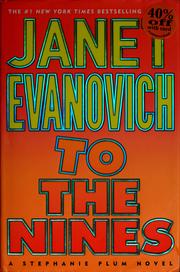
To the Nines
Janet Evanovich's ninth Stephanie Plum case retold: a missing skip, threats in Trenton, and a rescue run to Las Vegas.
2,839-word summary · 13 min read
The Bat
Oslo detective Harry Hole aids Sydney police after a young Norwegian woman is murdered and finds a wider pattern. Grief, drink, and a lost partner shape the…
2,766-word summary · 12 min read
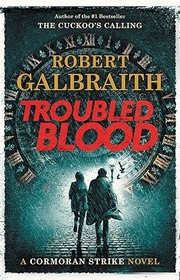
Troubled Blood
Strike and Robin take a year long cold case: doctor Margot Bamborough vanished in 1974, with a nurse hiding more.
2,211-word summary · 10 min read
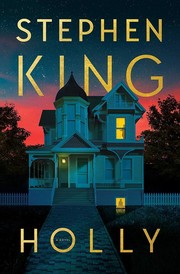
Holly
Grieving detective Holly Gibney takes a missing-girl case in 2021 and traces it to two polite retired professors with a basement secret.
2,607-word summary · 12 min read
Faithful Place
Undercover Frank Mackey returns to Faithful Place when lost love Rosie suitcase is found.
2,161-word summary · 10 min read