
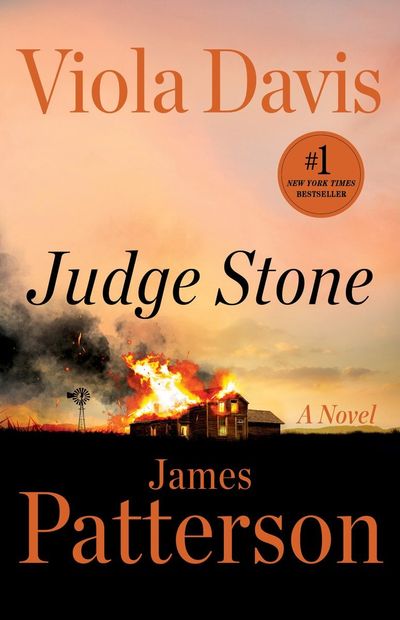
Judge Stone
2,036-word summary 9 min read 432 pages in the book
- First published
- 2026
- Publisher
- Little, Brown and Company
- Pages
- 432
- ISBN
- 9780316579834
Reading options
What's inside (16 sections)
A superstar pairing that actually works. Patterson brings the rocket pacing. Davis brings emotional intelligence and lived knowledge. The result is a courtroom thriller with a pulse and a point: a Black woman judge in rural Alabama presiding over an abortion trial that could get people killed. It moves fast and means it.
Judge Mary Stone holds two jobs sacred: her family farm and her courtroom. Dr. Bria Gaines performed an abortion for a thirteen-year-old and faces life under state law. Stone must preside while governors threaten, pastors fulminate, callers menace, and someone starts killing people connected to the case. All rise indeed.
Union Springs
The town gets built fast and vividly. Population 3,314, dogwoods, churches, football, everybody knowing everybody's business. Stone runs a farm and hosts Saturday community breakfasts. Those breakfasts do brilliant work: establishing her roots, her generosity, her politics of presence. A judge who feeds people carries moral authority no robe confers.
Stone's background gets sketched efficiently. Top of her class at Alabama law, farmer's daughter, Black woman who earned every room she enters. Her sister warns the case will destroy her. Her community watches to see which loyalty wins: law, people, or self-preservation. The pressure starts high and climbs.
The farm grounds her between courtroom storms. Animals, soil, seasons: physical labor anchoring abstract law. Davis's influence shows in these passages, which carry sensory memory most Patterson books skip. You smell the earth. The farm is not backdrop. It is argument about rootedness.
The case
Dr. Bria Gaines treated a thirteen-year-old and now faces a Class A felony with a potential 99-year sentence, no exceptions for rape or incest. The facts are legally simple and morally volcanic. Stone must apply law she may abhor while the whole country watches a tiny courtroom.
The prosecution pushes maximum punishment with political backing up to the governor, who threatens the Guard. The defense fights for medicine, mercy, and a child's future. Stone holds the middle while everyone demands she pick a side. Procedure becomes drama: motions, rulings, recusal pressures, each with life-or-death weight.
A murder inside the case orbit raises stakes from professional to mortal. Someone starts killing connected people, and suddenly every ruling carries bodyguard implications. The thriller engine roars to life here. Courtroom scenes alternate with dread-soaked nights. Stone needs security she hates accepting.
Pressure from everywhere
Pastors preach against her. Callers threaten. The district attorney performs for cameras. The governor flexes. Stone's sister begs retreat. Each pressure vector gets at least one human face rather than remaining abstract. The town splits along lines that feel reported, not invented.
Her reelection campaign runs underneath everything. Justice versus votes: the oldest judicial dilemma, sharpened by cameras and cash. Stone's calculation scenes show a mind working at full stretch. Every option costs. Inaction costs most, just slowly enough to tempt. Davis reportedly shaped this material from family civil-rights history, and it shows in the texture.
Media vultures circle realistically. National crews parachute in, mangle names, leave. Local reporters do better and worse by turns. The book's media literacy exceeds Patterson's usual. Someone on this collaboration understands how coverage distorts, and wrote that understanding into scenes.
Davis's imprint
Readers can feel which passages carry Davis. Emotional intelligence in every interrogation of motive. Specificity about Black Southern life that Patterson's books rarely achieve. The breakfast scenes, church scenes, sister scenes: warm, observed, lived-in. Her narration of the audiobook reportedly rivets, which makes complete sense.
The abortion politics get handled with unusual care for a commercial thriller. Both convictions and doubts receive interiority. Gaines is neither martyr nor monster but a doctor who acted. Stone is neither hero nor coward but a judge who must rule. The book argues through character rather than speech, mostly.
Pacing stays Patterson: short chapters, cliffhangers, velocity. The collaboration works because each partner does what they do best. He builds the rollercoaster. She stocks it with people worth riding for. Readers get momentum plus meaning, the rarest commercial combination.
Verdicts, multiple kinds
The trial's outcome I will not spoil, except to say the book earns its ending through procedure rather than theatrics. Rulings follow law as the authors understand it. Consequences follow rulings as politics demands. Justice and law overlap imperfectly, which is the book's whole point stated dramatically.
The murder subplot resolves with appropriate grimness rather than triumph. Catching a killer fixes nothing about the underlying divisions. Stone knows it. The book knows it. Thriller satisfaction and civic sadness coexist in the final chapters without canceling each other. That balance is hard and admirable.
Stone's personal ending stays open in productive ways. Career, farm, family, future: all in play. A series could follow. A standalone ending also works. The authors leave doors ajar without cheating the volume's closure. Smart franchise thinking or just good novel structure. Either way it functions.
Who should sit in
Legal-thriller fans get a propeller-paced courtroom drama with real stakes. Patterson completionists get one of his stronger recent collaborations. Davis fans get her voice in a new register. Readers who care about the underlying issue get a book that takes it seriously without sacrificing story.
Content notes: abortion, sexual assault of a minor (discussed, not depicted), racist threats, murder, political menace. The book is intense but not gratuitous. Its heart is with the vulnerable, particularly young patients and principled judges.
Flaws exist. Plot machinery creaks near the end, per even friendly reviews. Some twists arrive via coincidence. Character depth varies by page time. But momentum plus meaning carries the day. Court is in session, and it holds attention to adjournment.
Order in the court
Collaborations this smooth deserve notice. Patterson has co-written with presidents and stars with mixed results. This one clicks because Davis brought material only she could bring and Patterson gave it his fastest engine. Credit both, and the editors who blended the voices seamlessly.
The book's timeliness guarantees argument, which is healthy. Readers across positions will find characters to cheer and passages to dispute. A thriller that sends people to the issues rather than past them has done civic work alongside entertainment. All rise for that achievement.
Fast, earnest, humane, propulsive. The verdict: read it.
Mary Stone, fully seen
Stone deserves a closer look as a character achievement. Black woman judge in rural Alabama, farmer, churchgoer, breakfast host: identities that intersect without reducing to any one. The book lets her be formidable and afraid, principled and calculating, public and private. Wholeness on the page, rare for thriller leads of any background.
Her farm work scenes do quiet character building. Soil under nails before robe over shoulders. Animals depending on routine regardless of trials. That grounding explains her judicial temperament better than any speech. Patience learned from seasons. Resolve learned from droughts. Law as another crop requiring tending.
The Saturday breakfasts deserve emphasis as political genius and human warmth together. Feeding constituents builds loyalty no ruling can. Critics might call it campaigning. Readers will call it community. Both are true, and Stone knows it. Her awareness of perception never quite becomes cynicism, which is a neat trick to sustain.
Bria Gaines at the center
The doctor at the case's heart gets full personhood rather than symbol status. Skilled, scared, principled, second-guessing: a physician who acted and now faces erasure by punishment. Her scenes balance professional confidence with personal terror. Jail looms over every decision she revisits nightly.
The thirteen-year-old patient stays mostly off-page, which is a wise choice. Centering her directly would risk exploitation or sentimentality. Instead her absence structures everything. All these adults argue over a child the narrative protects from display. Restraint as respect. The book understands what not to show.
Their doctor-patient bond, glimpsed in flashback, carries the moral core. Trust given across power gaps. Care delivered despite law. Whatever the verdict, that relationship happened and mattered. The book insists on its reality against legal abstractions. People over statutes, always, in the authors' moral arithmetic.
The town on trial
Union Springs functions as defendant alongside everyone else. Small towns in fiction usually serve as backdrop or idyll. Here the town stands accused of its own divisions. Churches split. Neighbors choose sides. Old kindnesses get re-read as strategy. The trial exposes the community to itself, painfully.
Racial dynamics get honest, uncomfortable treatment. A Black judge, white power structures, Black community expectations, white liberal attention: every vector mapped. Davis's lived knowledge shows in details Patterson alone might have missed. Code-switching scenes. Respectability calculations. The double consciousness of public Black leadership under white gaze.
The governor's threats escalate from politics to menace with chilling plausibility. National Guard as courtroom prop. State power versus local justice. The book stages federalism as thriller mechanics without losing the human stakes. Abstract constitutional questions arrive wearing work boots and carrying signs.
Patterson's machine, tuned
Structurally this is classic Patterson: short chapters, constant hooks, velocity over lyricism. The machine runs smoothly here, better fueled than some recent solo outings. Davis's material gives the engine premium gas. Collaborations work when both parties bring what the other lacks. This one hums.
Criticisms of thinness in Patterson's recent work apply less here. Characters get interiority unusual for the brand. Scenes breathe between twists. The 432 pages include actual reflection alongside propulsion. Whether Davis demanded the space or Patterson granted it, readers benefit either way.
The co-authorship reads seamless, which itself deserves praise. No visible seams between voices, no tonal whiplash. Compare messier celebrity collaborations and this looks like genuine partnership. Credit the editors too. Invisible craft enables visible story. The machine disappears into momentum.
Why it matters now
Timing gives the book weight beyond plot. Published into ongoing national argument, it lands as contribution rather than exploitation. The authors clearly intend intervention, not just entertainment. Thrillers rarely aim this high. When they hit, the impact exceeds genre boundaries.
Readers across positions will argue with it, which is healthy. Pro-life readers get characters who speak their language without caricature. Pro-choice readers get the same. The book's fairness to all sides except cruelty itself models discourse most media abandons. Disagree with its conclusions while admiring its conduct.
Book groups take note. Discussion questions practically generate themselves. Law versus justice. Motherhood versus career. Faith versus medicine. Race versus power. Small towns versus nations. Every axis gets characters rather than positions. Argue late into the night. The book can take it.
Faith in the courtroom
Churches shape Union Springs as surely as statutes do. Pastors preach, congregations murmur, scripture gets quoted at rallies and in chambers. Stone navigates faith communities she genuinely belongs to while ruling against some of their demands. The tension is personal, not just political. These are her people even when they oppose her.
Her own faith gets quiet, dignified treatment. Prayer as practice rather than performance. Doubt admitted in private moments. The book avoids both piety and scorn. Belief functions as one more pressure on judgment, neither disqualifying nor deciding. That even-handedness takes care in a polarized story.
The pastor characters avoid caricature, mostly. One grandstands. One wrestles visibly. One surprises late with grace nobody expected. Giving antagonists interiority costs the thriller some speed and buys it credibility. Readers across beliefs will find someone on the page who speaks their language, then watch that character tested.
Farm mornings
The farm chapters provide the book's breathing room. Feeding times ignore trial schedules. Fences need mending regardless of headlines. Stone moves between two kinds of judgment daily: livestock needs and legal ones. Both require attention. Only one allows appeal.
These passages also deepen the political portrait. A judge who works land understands stakes differently from one who only reads briefs. Physical consequences teach caution that books cannot. Her rulings carry the weight of someone who knows what orders cost ordinary people. Experience as jurisprudence.
Dawn scenes on the property rank among the book's most peaceful writing. Mist, chores, coffee steam: calm before courtroom storm, deliberately savored. The contrast structures the whole novel. Peace makes the fight matter. Without the farm's quiet, the trial would be noise. With it, every gavel strike echoes home.
FAQ
When was Judge Stone published?
Little, Brown and Company published it on March 9, 2026. The hardcover runs 432 pages with ISBN 9780316579834.
Is it part of a series?
No. It is a standalone legal thriller and a first fiction outing for Davis.
Who stands in the courtroom?
Judge Mary Stone, Dr. Bria Gaines, a deadlocked town, a governor, pastors, and a murder.
Similar books
The Street Lawyer
Michael Brock survives a hostage morning at his rich D.C. firm, then quits for a street clinic after learning a buried eviction file cost a mother and kids…
2,745-word summary · 12 min read

Worth Dying For
Reacher stops for one night in rural Nebraska and finds a family that runs the county, a missing girl and a shipment worth killing for.
2,021-word summary · 9 min read

Say You're Sorry
A widowed prosecutor defends the teenager accused of killing her babysitter, uncovering a small town's secrets and a killer hiding in plain sight.
2,116-word summary · 9 min read
The Survivors
Kieran Elliott returns to Evelyn Bay twelve years after a storm killed his brother, and a young woman's murder forces the town to face what it has concealed.
2,571-word summary · 11 min read
The Affair
In 1997, Reacher goes undercover in a Mississippi town where a murder near an army base collides with a senator's power. The case that ends his military career.
2,039-word summary · 9 min read
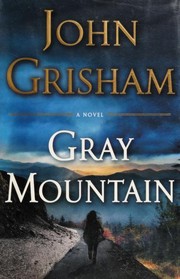
Gray Mountain
A Manhattan associate furloughed after the financial crash takes a year of unpaid legal aid work in Appalachian coal country, and finds the case of her life…
2,026-word summary · 9 min read
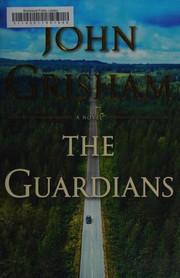
The Guardians
A innocence lawyer reopens a prison murder where the wrong man waits on death row.
2,564-word summary · 11 min read
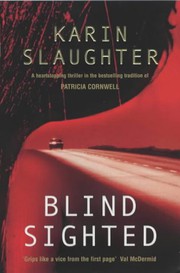
Blindsighted
Sara and Jeffrey hunt a killer staging women in small-town Georgia.
2,400-word summary · 11 min read
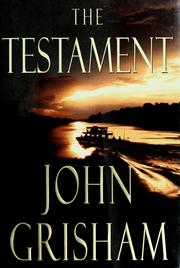
The Testament
John Grisham's The Testament sends washed-up lawyer Nate O'Riley to the Brazil Pantanal to find missionary heir Rachel Lane and settle her…
2,731-word summary · 12 min read
Presumed Innocent
Rusty Sabich must solve coworker Carolyn Polhemus's murder while hiding his affair with her, then stands accused himself in Turow's 1987 Kindle County debut.
2,726-word summary · 12 min read
The Other Mrs.
A Chicago family inherits a house on a Maine island, then a neighbor is found murdered. Kubica's 2020 thriller builds to a final reframe.
2,267-word summary · 10 min read
Sycamore Row
Jake Brigance returns to defend a contested will that leaves a fortune to a Black housekeeper in racially tense Clanton.
2,017-word summary · 9 min read
Empire Falls
Grill manager Miles stays in dying Maine town for daughter while past pulls.
2,072-word summary · 9 min read
What Lies in the Woods
Naomi returns after Olivia vanishes to face what happened in the woods at eleven.
2,213-word summary · 10 min read
The Last House Guest
A year after her best friend dies in Littleport, Maine, a local woman finds a hidden phone that reopens the case.
2,596-word summary · 12 min read
The Dark Half
A Maine novelist buries his violent pen name George Stark, then faces murders that carry his own fingerprints.
2,956-word summary · 13 min read
Such a Clever Girl
Fifteen years after the Tanners vanished, Aubrey returns at 30 as a new disappearance forces three women to face old secrets.
2,203-word summary · 10 min read
Two Can Keep a Secret
Twins new to Echo Ridge dig into aunt's murder as homecoming threats return.
2,078-word summary · 9 min read
My Sister's Grave
Detective Tracy Crosswhite reopens her sister disappearance and finds town secrets still guarded.
2,084-word summary · 9 min read

The Truth About the Harry Quebert Affair
A blocked writer tries to clear his mentor Harry Quebert after a girl missing since 1975 is found buried with his famous manuscript.
2,192-word summary · 10 min read
The Guardian
Widowed at twenty-five, Julie Barenson leans on a Great Dane named Singer, then dates two men and learns one of them is a killer.
2,221-word summary · 10 min read
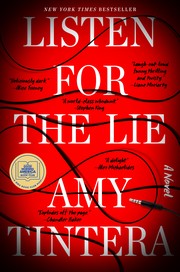
Listen for the Lie
Lucy Chase cannot remember the night her best friend Savvy died in Plumpton, Texas, until a true crime podcast pulls her back.
2,160-word summary · 10 min read
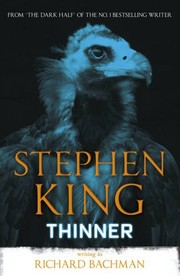
Thinner
A Connecticut lawyer escapes punishment after a fatal crash, then an old Romani father lays a wasting curse on him and the pounds start falling off.
2,502-word summary · 11 min read
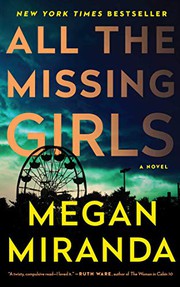
All the Missing Girls
Told backwards over fifteen days, a woman probes two disappearances ten years apart in her hometown.
2,064-word summary · 9 min read
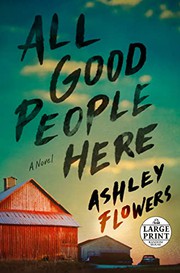
All Good People Here
A journalist returns home to care for her uncle and reopens a 20 year old child murder tied to a new abduction.
2,006-word summary · 9 min read

Under the Dome
Chester's Mill is sealed under an invisible dome as cook Barbie and editor Julia face Big Jim Rennie's rule.
2,731-word summary · 12 min read
The Runaway Jury
A tobacco trial in Biloxi is quietly rigged from inside the jury box and by a woman offering to sell the verdict.
2,920-word summary · 13 min read
Odd Thomas
A twenty year old fry cook who sees the dead tries to stop a mass shooting in his desert town.
3,797-word summary · 17 min read
Cujo
A rabid St. Bernard traps a mother and her young son in a broken-down car at a lonely Maine garage.
2,910-word summary · 13 min read