
Reading options
What's inside (8 sections)
I picked up Just Kids because a friend kept pressing it on me with unusual force. She said it was the rare award winner that reads like a late night talk. Published in 2010 by Ecco, about 304 pages in the first hardcover, it won the National Book Award for Nonfiction that same year. That fact made me hesitate a little. Prize memoirs can feel dutiful. This one did not. I read it over four evenings, mostly on the couch with coffee going cold, and I kept stopping to mark small scenes I wanted to remember. It is a love story, but not the kind you expect. It is about Patti Smith and Robert Mapplethorpe before anyone knew their names, when they were broke and hungry in New York and certain that art would save them.
What surprised me most was the tone. Smith writes plainly. She does not show off. She remembers rooms and coats and cheap food with the same care she gives to famous people. The book follows her from childhood through Robert's death in 1989, with most weight on the late sixties and seventies in Manhattan. There is music in it and photography and poetry, but the center holds on two people keeping a promise to each other. I went in knowing Smith as a singer. I came out thinking of her first as a worker, someone who drew and wrote every day for years with almost no audience.
Two restless children
Smith opens with her own beginnings. She was born in Chicago in 1946 and raised mostly in southern New Jersey, in a working class family where money ran short and books and religion filled the gaps. Her mother was a waitress and singer. Her father worked nights and read widely. As a child Patti was sickly and dreamy, prone to long bouts in bed with books. She loved Rimbaud before she fully grasped him. She loved wandering fields and picking up odd objects. She felt out of step at school and at church, tall and thin and intense, already fixed on becoming an artist of some kind.
Robert Mapplethorpe grew up in a different world that rhymed in odd ways. He was born in 1946 in Floral Park, Queens, into a large Catholic family. He served as an altar boy and collected talismans and pictures of saints. He had asthma and a private streak. Where Patti escaped into books, Robert escaped into images and objects. He arranged things. He kept small shrines. He wanted beauty he could touch. Both kids felt marked by a sense of calling they could not name. Both chafed at home.
I liked these early chapters because they resist neat pairing. Smith does not force them into mirror images. She lets Patti be scrappy and bookish while Robert is guarded and visual. Neither family is cruel. Both are simply unable to contain what these two want. Patti drops out of teacher's college after an unplanned pregnancy and gives up her first child for adoption, a decision she treats with gravity and few words. Robert enrolls at Pratt Institute in Brooklyn to study art and soon drifts from classes toward a wilder life. They are both headed to the same city for the same reason. They need room.
A chance meeting in Brooklyn
They meet in the summer of 1967, and Smith tells it as pure chance. She has just arrived in New York at twenty with almost nothing. She sleeps on benches and in doorways. She looks for work. One day in Brooklyn, while trailing a friend who is apartment hunting, she runs into a thin boy with tangled curls who is wearing beaded shepherd's bells on a cord around his neck. She recognizes them. Days earlier, in a fit of nerves or superstition, she had left a bottle strung with the same beads on a stoop. He had found it and restrung it. That small loop feels like fate to both of them.
They talk and keep talking. Robert is gentle and funny and clearly adrift. Patti is broke and stubborn and hungry in every sense. They move in together soon after into a tiny room on Hall Street in Brooklyn, pooling coins for food and working odd jobs. Patti takes work in bookstores, first at Brentano's and later at Scribner's on Fifth Avenue, where she handles art books she cannot afford. Robert does layout and odd art jobs when he can get them. They draw each other. They dress from thrift piles. They visit museums and stare longer than guards like.
Money pressure shapes everything. Some nights they eat almost nothing. Patti describes stealing bread or living on popcorn without making it sound romantic. It sounds hard. What holds them up is a pact neither states outright. They will help each other become artists. She will feed his eye. He will guard her nerve. They sleep in the same bed for a long stretch without becoming lovers in the usual sense, though desire and jealousy flare. Their bond is closer to siblings and closer than marriage, a private country with its own rules.
The Chelsea Hotel
By 1970 they find their way to the Chelsea Hotel, then a battered haven for musicians and writers and painters who could pay by the week or charm the desk. With help from friends they land Room 1017, small and dim and alive with traffic. The hallways hold sound at all hours. Janis Joplin knocks. Gregory Corso shouts. Someone is always borrowing a needle or a book. For two kids from outside the city, the Chelsea feels like admission to the world they had read about.
Smith is wonderful on this period because she names names without turning it into a parade. Allen Ginsberg buys her a sandwich at the Automat after mistaking her for a pretty boy, then laughs when he learns she is a girl. William Burroughs nods from corners. Sam Shepard talks theater. Jimi Hendrix and Janis Joplin pass through as living people rather than legends, tired and kind and soon gone. The point stays on Patti and Robert watching and learning. They have no heat some nights. They have roaches. They also have a door that opens onto everything.
Work continues in scraps. Patti draws in ink, making spare portraits and fields of writing. Robert builds collages and assemblages from fur and fabric and cut pictures, sexual and holy by turns. They show in lobbies when they can. They get rejected. They keep going. A kindly older circle helps, including the photographer and filmmaker Sandy Daley, who gives them film and time and a place to think. Patti starts to write poems to go with drawings. Robert starts to pick up a camera more often because it is fast and cheap. The Chelsea years read as school, with rent due and lessons free.
One strain grows. Robert knows he desires men, and Patti knows it before he can say it plainly. They try to be lovers and fail softly. No single fight ends it. Affection remains while sex fades. Smith handles this with rare grace. She does not pose as wounded or wise after the fact. She admits confusion and jealousy and love all at once. They decide to stay family. That choice will define the rest of the book.
Learning how to make things
The middle of the book follows two apprenticeships side by side. Patti pushes toward language. She reads Genet and Blake and Rimbaud until the pages wear. She haunts the Poetry Project at St. Mark's Church, whereorthand readings run long and fierce. She meets Lenny Kaye, a guitarist and record obsessive who shares her love of old rock singles, and they start pairing her poems with his guitar. Their first billed show at St. Mark's in February 1971 feels thrown together and electric. From there the path toward bands and clubs opens, slow at first, then fast. Tom Verlaine plays guitar with her for a spell. Richard Sohl joins on piano. The sound stays spare so her words carry.
Robert pushes toward the camera. He starts with a Polaroid given or lent through friends, shooting friends and lovers and Patti in coils of pose and play. Then he moves to a Hasselblad when Sam Wagstaff, a collector and patron, enters his life and funds better tools. Smith is honest about what the camera does for Robert. It gives his hunger for control a clean outlet. He can arrange light and flesh the way he once arranged saints and fur. His portraits sharpen. His flower studies grow formal and strange. His erotic pictures grow bolder. Patti sits for him again and again, wrapped in shirts and jackets, hair uncombed, gaze direct. One of those sittings yields the cover image for Horses, her 1975 debut album, shot in a single session with natural light.
I found these chapters the most alive because labor takes center stage. Smith shows the daily grind behind the myth. She copies poems by hand. She rehearses in cheap lofts. She plays Max's Kansas City and later CBGB to thin crowds that slowly thicken. Robert prints and reprints. He courts galleries. He learns framing and editioning. Neither breaks through quickly. Both get told their work is too raw or too odd. They keep at it because the alternative is unthinkable. Hunger helps. So does youth.
Money, lovers, and separate rooms
Success, when it comes, does not arrive evenly, and Smith does not pretend otherwise. Sam Wagstaff becomes Robert's lover and patron around 1972 and changes his material life. Sam has money and taste and connections. He buys Robert equipment and time. He opens doors to uptown collectors. He also loves Robert with an intensity that steadies and traps him. Patti sees Sam clearly and treats him with respect. She knows she cannot give Robert what Sam can. She also knows Sam cannot give Robert what she can. The triangle holds for years, tender and tense.
Patti finds her own shelter with Allen Lanier, the keyboard player for Blue Oyster Cult, who offers kindness and a piano and relative calm. She lives with Allen for stretches while Robert lives with Sam. The two old roommates visit and call and quarrel and make up. They date others. They miss each other. Smith admits jealousy on both sides without dressing it up. She wants Robert to thrive. She also wants to remain first in his heart. He wants her to sing and write. He also wants freedom to chase his own appetites.
Fame widens the gap. By the mid seventies Patti fronts her own group, tours hard, releases Horses to strong notice, and becomes a downtown star with a wider public. Robert shows in galleries, wins notice for craft and nerve, and moves toward the polished portraits and flowers that will make his name. They celebrate each other and drift into different nights. Patti writes about hotel rooms and sound checks with clear eyes. She loves performing but hates the waste around it. Robert writes about sittings and prints with care. He loves control but chafes at limits. Through it all they call each other when it counts. When Patti needs a cover photo, Robert takes it. When Robert needs belief, Patti gives it.
This is also where a reader should keep some distance. Smith loves Robert so deeply that she softens his harder edges. His cruising and drug use and sharp dealing appear, but lightly. Sam at times reads as a wallet more than a man, though Smith clearly respects him. The music business gets thin treatment. Producers and contracts blur. If you want a full account of how Horses got made, you will need another book. Smith is writing a vow, not a dossier.
The promise and the last pages
The final third moves fast through years. In 1980 Patti marries Fred Smith, the guitarist from the MC5 known as Sonic, and leaves New York for Michigan. She steps back from touring to raise their two children and live quietly. The decision shocks fans but makes sense in her telling. She is tired. She wants a home. She wants to write without a crowd. Robert stays in New York and climbs higher, with big shows and big prices and a growing circle. They write and phone. They see each other when they can. Distance does not cut the cord.
Then illness enters. Robert grows sick as AIDS spreads through his circle in the eighties. Smith does not dwell on clinical detail. She writes about visits and calls, about his thin frame and steady will to work. He keeps shooting until he can barely stand. Friends die around him. Fear and rumor follow him. He funds a foundation. He plans his archive. Through it all he asks Patti for one thing. He wants her to tell their story. The night before he dies, she promises she will. He dies on March 9, 1989. She keeps the promise twenty years later with this book.
The closing pages are spare and hard to shake. Smith returns to New York for memorials and walks through rooms they once shared. She thinks of his last days and her children and Fred, who died in 1994. She thinks of work left undone. She does not claim closure. She claims duty done with love. I will admit I cried at the last ten pages, which I had not expected from a book so plain in style. Feeling builds because she withholds it for so long.
Who should read it. Anyone curious about how artists actually live when young will find plenty here. Anyone who loves New York in the sixties and seventies will find a street level view, with rooming houses and Automat counters and club floors rather than headlines. Anyone who wants a clear record of Mapplethorpe's rise may find it partial, since Smith centers their bond over his technique and later fame. That focus is both the strength and the limit. The book gives you Patti and Robert as they were to each other. It leaves the rest of the world a little out of focus. For me that trade was worth it. I closed it wanting to look at his pictures again and to play Horses loud, and to call the friend who had pressed it on me and say she was right.
FAQ
Did Just Kids win the National Book Award?
Yes. It won the 2010 National Book Award for Nonfiction, and it follows Smith and Mapplethorpe from the late 1960s through his death in 1989.
Is Just Kids only for Patti Smith fans?
No. It suits readers curious about young artists, 1970s downtown New York, poetry, and photography, even without prior interest in punk rock.
When was Just Kids published and what period does it cover?
It was first published in 2010 by Ecco, about 304 pages in the first hardcover, closing with Mapplethorpe's death from AIDS in 1989.
Similar books
More like Just Kids →
This Is Going to Hurt
Adam Kay retells his junior doctor diaries with humour and strain, from labour ward nights to leaving medicine.
2,869-word summary · 13 min read

The Autobiography of Malcolm X
Malcolm X traces his life from Michigan childhood through Harlem, prison, and the Nation of Islam to Mecca in this 1965 memoir told to Alex Haley.
2,816-word summary · 13 min read

Shoe Dog
Phil Knight tells how Blue Ribbon Sports grew from a trunk of Japanese running shoes into Nike.
2,824-word summary · 13 min read

On Writing
Stephen King blends memoir and blunt writing advice on reading daily, drafting fast, and cutting hard.
2,702-word summary · 12 min read

Heaven Is for Real
A Nebraska pastor's four-year-old survives a burst appendix, then describes angels, Jesus, and relatives he never met.
2,679-word summary · 12 min read
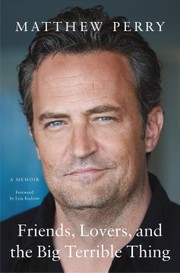
Friends, Lovers, and the Big Terrible Thing
Matthew Perry revisits Friends fame and a long struggle with addiction, from junior tennis to Chandler Bing to a 2018 health crisis, with blunt humor.
2,258-word summary · 10 min read