
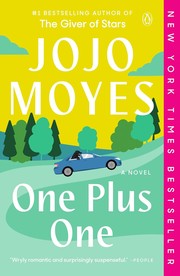
The One Plus One
3,020-word summary 13 min read 368 pages in the book
- First published
- 2014
- Publisher
- Pamela Dorman Books
- Pages
- 368
- ISBN
- 9780143127505
Reading options
What's inside (8 sections)
I came to The One Plus One on a tired weekend when I wanted something warm without having to work too hard for it. Jojo Moyes published it with Pamela Dorman Books in 2014, a 368 page novel that sits between romance and family story. I had liked her knack for plain people in tight spots, and this one sounded right up that street. A broke single mum, a rich man in trouble, two kids, and a long drive to a math contest. It is the kind of setup that could feel forced. For long stretches I stopped caring about that and just rode along.
Jess Thomas cleans houses for a living, and not in a tidy nine to five way. She works two jobs, takes what hours she can get, counts coins at the kitchen table, and keeps going on tea and willpower. She lives with her two children in a small house that always needs something fixed. Money is short every week. The washing machine misbehaves. Bills land with bad timing. Jess meets all of it with jokes and lists and extra shifts. She is not noble about poverty in a poster way. She is tired, funny, and sometimes short tempered, which made me trust her.
Her kids are drawn with care. Tanzie is young, quiet, and gifted at math in a way that startles teachers. Numbers settle her. She sees patterns where others see mess. She has a chance to enter a math Olympiad, a contest that could bring funds and a school place, but getting there costs money Jess does not have. Nicky is older, a teenager trying to find his shape, into eyeliner and games and his own circle, getting hassle from other boys in the area. He loves his mum and sister but flinches at being seen as a project. Their dad, Jess's ex husband, is mostly absent and little help, leaving Jess to carry the load.
Then there is Ed Nicholls, a tech millionaire with a clean flat and a messy life. He built software money, lives well, and has just stepped into trouble over insider trading. He is waiting to learn how bad it will get. Work has cut him loose. His flat feels empty. He drinks too much and scrolls too long. When he meets Jess, it is not cute in a film way. She cleans for him, or for people near him, and sees him at his least charming. He sees a woman who works harder before breakfast than he has in months.
A cleaner with two jobs and no margin
The early chapters stay close to Jess and her arithmetic of survival. Moyes is good at the small math of being broke. A bus fare against a loaf. A cleaning shift against a school meeting. A new pair of shoes against the electric bill. Jess keeps a mental ledger that never balances. She takes on extra cleans, irons for neighbors, and says yes too often because no is a luxury. She loves her kids with a fierce practical love. She packs lunches, checks homework, stands up to a bully with words first, and cries only when no one can see.
Tanzie's gift is the bright thread here. She is not shown as a cartoon genius who spouts sums to impress strangers. She is a shy child who finds calm in numbers. Her teacher sees it. Jess sees it, though she does not always grasp the level. A place at a better school, plus prize money from the Olympiad, could change Tanzie's path. The entry and the travel cost real money. Jess tries to find a way, asking about help, adding shifts, selling what she can. Pride fights need on every page. She does not want charity. She wants a fair shot for her daughter.
Nicky's thread is darker and needed. He is a gentle boy in a hard estate, picked on for looking different. Jess worries about him when he is out and worries when he stays in his room too long. She tries to give him space without losing him. There are scenes at home where talk stops and starts, where a joke lands wrong, where Tanzie tries to bridge the gap with a math puzzle. I liked that Moyes lets Nicky be moody without making him a problem to solve. He is fifteen or so in spirit, even if the book keeps ages soft, and he wants respect more than rescue.
Ed, in parallel, is sinking in a different kind of lack. He has money but no use. His phone still rings with lawyers and old colleagues and no real friends. He messed up at work in a way he half admits and half excuses. Insider trading sounds grand in headlines. Here it feels squalid, a tip passed, a trade made, a line crossed while telling himself everyone does it. He knows he did wrong and hates waiting for judgment. Moyes does not let him off. She shows him restless, rude, and sorry for himself, which makes his later softening more believable.
A rich man in trouble next door
Jess and Ed meet through work and nearness rather than fate. She cleans. He is the client who leaves a mess and a bad mood. Their first talks are prickly. She is blunt about his flat and his habits. He is taken aback by someone who does not flatter him. Class sits between them without speeches. She notices what his coffee machine cost. He notices her shoes coming apart. Neither says it straight out, but both feel the gap.
What brings them together is need, not spark, at first. Tanzie has the Olympiad chance. Jess has no car she trusts for a long trip and no cash for trains and hotels for four people. Ed has a car and time he does not know how to fill, plus his own reasons to leave town for a while. The plan forms awkwardly. He will drive them to the contest. She will pay what she can in petrol and food and cleaning. The kids will come. It is not a lark. It is a deal between people who have run out of better ideas.
I will admit the setup is contrived. A millionaire with legal trouble agreeing to drive his cleaner and her kids across the country to a school math contest is not an everyday event. Moyes knows it. She hurries past the paperwork of why and leans on character instead. Ed needs to feel useful. Jess needs wheels. Tanzie needs to get to that hall on time. Nicky needs to get away from the boys who target him. If you can grant the premise, the road pages pay you back. If you cannot, the book will annoy you early.
The car itself becomes a character. It is too nice for this crew, too big, too full of buttons. Jess tries not to touch the wrong thing. Tanzie claims a corner for her practice sheets. Nicky folds himself into a seat with headphones and suspicion. Ed drives with the tense focus of a man used to control. They pack snacks, spare clothes, phone chargers, and Tanzie's lucky bits. The mood at pull off is wary hope. No one says this trip has to work. Everyone thinks it.
What I enjoyed was how little glamour Moyes allows at first. Services are grim. Money runs thin. A wrong turn costs time and temper. Ed learns that his card does not fix a missed exit. Jess learns that accepting help does not end the world. The kids fight and make up and fight again. It feels like family travel, cramped and loud and oddly tender.
On the road to the math Olympiad
The middle of the book is a road trip in the old sense. Miles, stops, weather, and talk. Tanzie practices problems in the back seat, whispering numbers to steady herself. Jess watches the fuel gauge like a hawk and does mental sums at every till. Nicky keeps his guard up, then lowers it in small bits when Ed treats him straight instead of kind. Ed, who started as the driver doing a favor, starts to care about arrival times and practice scores and where they will sleep.
Moyes uses the road to flip power. In London, Ed had the money and the flat and the name. On the road, Jess has the skills. She knows how to stretch food, how to calm Tanzie before a practice test, how to talk to a hotel clerk for a better rate, how to patch a quarrel before it hardens. Ed watches and learns. He is used to paying people to smooth things. Here smoothing takes patience and humor, both of which Jess has in store. He starts to ask rather than tell. That shift is quiet and well done.
There are good set pieces without farce. A hotel mix up forces close quarters and tired laughter. A meal stop turns tense when money and pride collide over who pays. A practice session goes badly and Tanzie shuts down, and Jess has to find the line between push and comfort. Nicky gets a scene with strangers where he stands taller than expected, and Ed backs him without taking over. I liked that Ed does not play savior. He stands to the side, ready, while Nicky speaks for himself. It earns Ed credit without painting him as a hero.
Romance grows in the gaps. Jess and Ed talk late after the kids sleep, about ex partners and bad choices and what work means. She tells him about cleaning other people's houses and seeing lives from the sink. He tells her about building a firm and losing the thread of why. They disagree about money in ways that feel honest. She thinks he wastes it and dodges real life. He thinks she refuses help that could ease her kids. Both have a point. Attraction builds through use, not looks. He likes her competence. She likes the rare moments when he drops the act and is plain.
Tanzie remains the compass. She is nervous about the contest but wants it badly. Moyes writes her prep with warmth, pages of times tables and puzzle talk, a child humming while she works. Jess tries to shield her from pressure while adding her own pressure without meaning to. Ed, to his credit, helps Tanzie practice without turning it into a business drill. He asks how she thinks, and listens for her method rather than only the final score. Those scenes softened me. A rich man listening hard to a small girl about numbers felt true.
Class clash, care, and the kids in the middle
If the book has a spine, it is class, and Moyes keeps it present without lectures. Jess knows the price of everything on the trip. Ed learns it. She reuses bags. He buys water he could have filled. She apologizes for mess. He says mess is fine and means it only after practice. Small frictions pile up. Who sits where. What food is okay. How to speak to staff. Whether to accept an upgrade. Each choice carries history. Jess reads pity where Ed meant kindness. Ed reads pride where Jess meant habit.
The kids sit in the middle of this pull. Tanzie likes Ed's calm around math and his willingness to quiz her for an hour. Nicky distrusts him longer, testing him with silence and sharp remarks. Can this man be rude to his face and still stay decent. Ed mostly passes by not performing. He answers short, takes the hit, and stays. Nicky, who expects adults to leave or shout, does not know what to do with steady. Their slow truce is one of the better threads. It never turns into a father son makeover. It stays at the level of respect.
There are missteps that test the group. Ed gets a call from his old life that sours his mood and makes him shut down. Jess snaps at him for going cold without words. Money runs lower than planned. A stop costs more than hoped. Tanzie overhears adult worry and blames herself. Nicky steps in for his sister in a way that risks trouble. None of this is new in fiction, but Moyes stages it with brisk dialogue and quick repair. People say sorry and mean it. People adjust. The trip bends without snapping.
I also liked how Jess holds her line. She does not melt because a rich man is kind for a week. She keeps count of what she owes and what she will repay. She corrects Ed when he talks down without knowing it. She defends Nicky fiercely when a stranger sneers. She tells Tanzie the truth in child size bits, that they can afford this much and no more, that trying matters even if winning does not come. That steadiness is the book's heart. Ed may drive the car, but Jess steers the family.
The contest itself, when it comes, is handled without heavy suspense tricks. Moyes keeps the hall and the waiting room and the clock in view. Parents hover. Kids file in with pencils and nerves. Jess tries to look calm and fails. Ed tries to look casual and fails. Nicky tries to look bored and fails most of all because he cares. Tanzie goes in small and comes out changed, whatever the score. I will not spoil the exact result here beyond saying it matters less than what the trip proves about who shows up for whom.
What works, what strains, and who should pick it up
Let me be plain about faults, because there are a few. The premise needs a push to start, as I said. A man facing a trading scandal driving his cleaner to a school contest is a lot to accept. Some scenes lean sweet, especially late, when help arrives in neat ways and harsh facts soften. Ed can feel too good to be true by the end, a bad boy polished into a good man through proximity to decent people. Readers who want sharp edges may find the last stretch smooths too fast.
The insider trading thread also stays light. It gives Ed a reason to be free and gloomy, and a reason to dread his phone, but it rarely bites the road story hard. Lawyers call. Headlines hover. Yet the legal weight seldom changes what happens in the car. I wanted a bit more pressure from that side, a choice with teeth. Moyes keeps focus on Jess and the kids, which I get, but Ed's trouble can feel like set dressing once the miles roll.
Still, much works. Jess is a strong lead, funny and tired and proud without turning into a symbol. Tanzie's math love is specific and sweet. Nicky's arc avoids easy fixes. The banter is quick. The hotels and cafes and petrol stations feel seen, not staged. And the romance, when it lands, lands through care rather than rescue. Ed does not save them with cash. He shows up, listens, drives, waits, and learns when to step back. Jess does not save him with love. She shows him a life run on effort and asks him to meet it.
Who will like this. Readers who enjoy road stories with talk and small tests. Readers who like class difference handled through dishes and bills rather than speeches. Readers who want feeling without bleakness. If you need hard realism about poverty or finance, this will feel soft. Moyes aims for warmth with grit at the edges, not a report. I knew that going in, so the soft parts bothered me less. There were moments I rolled my eyes, then moments I got a lump in my throat on the next page, which seems fair trade.
A note on tone helped me settle in. This is not satire and not tragedy. It is a comedy of strain, where people with little and a man with too much rub along until both adjust. The kids keep it honest. Tanzie asks the direct question adults dodge. Nicky names the awkward thing. Jess laughs when she wants to shout. Ed learns to laugh at himself. By the time the car turns for home, the group has a shape. Not a new family in a ribboned sense. A crew that knows how each other takes tea and bad news.
After the finish line
Without giving away the last beats in detail, the ending ties the contest, the case, and the couple with care. Tanzie faces the results with the poise she learned mile by mile. Jess faces bills and choices with clearer eyes. Nicky faces home with a bit more armor and a bit more softness. Ed faces his legal reckoning without hiding behind money or charm. What happens between Jess and Ed feels earned rather than promised, built on petrol stops and practice quizzes and late talks rather than grand claims.
I closed the book liking these four more than I expected. Jess stayed with me most, a woman who cleans other people's houses and keeps her own house full of love through long arithmetic. Tanzie next, small and bright, counting her way to calm. Nicky, working out how to be himself in a place that punishes difference. Ed last, flawed and trying, learning that help means showing up more than paying up. Sentimental in spots, yes. Contrived at the start, yes. But kind in a way that felt worked for rather than pasted on.
If you pick it up, give it fifty pages past the setup. Let the car load and the miles start. The early strain eases once the road takes over and the talk turns real. I started doubtful and ended fond, which is about all I ask from this kind of book. It will not change how you see the world. It might soften how you see the tired mum on the bus counting change, or the quiet man in the nice car staring at his phone. That seems worth a weekend.
FAQ
When was The One Plus One published?
Pamela Dorman Books published it in 2014. The edition cited here runs 368 pages and the ISBN is 9780143127505.
Who are the main characters?
Jess Thomas, a cleaner working two jobs, her children Tanzie and Nicky, and tech millionaire Ed Nicholls, who drives them to the contest.
Is The One Plus One part of a series?
No. It is a standalone novel with no series order or sequel.
Similar books
The Girl You Left Behind
Two women a century apart fight for what they love, joined by a portrait painted in wartime France and claimed in modern London.
2,613-word summary · 12 min read
Still Me
Lou spends a year in New York working for the Gopniks, torn between Josh, distant Sam, and the life she wants.
2,939-word summary · 13 min read

What Happened to Goodbye
Mclean has reinvented herself in four towns since her parents divorced. In Lakeview she uses her real name, and for the first time staying put becomes a choice.
2,796-word summary · 12 min read

Sam's Letters to Jennifer
A grieving journalist reads her grandmother's letters and finds a decades-long love affair that changes how she sees her family.
2,310-word summary · 10 min read

Amy & Roger's Epic Detour
Amy Curry has not driven since the crash that killed her father. With Roger at the wheel and a box of maps between them, a cross-country trip becomes a slow…
3,034-word summary · 13 min read
Between Sisters
Estranged sisters Meghann and Claire reunite in Washington when Claire announces a rushed wedding, then face their mother's desertion and a medical crisis.
2,467-word summary · 11 min read
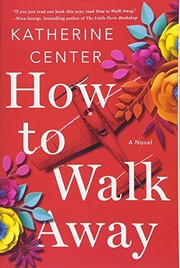
How to Walk Away
Margaret Jacobsen has the job, the fiance, and the future mapped out, until a small-plane crash on Valentine's Day takes almost all of it in one afternoon.
2,012-word summary · 9 min read
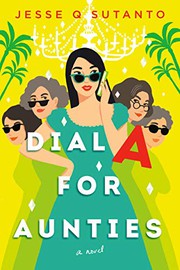
Dial A for Aunties
A wedding photographer accidentally kills her blind date, and her mother and three aunties help her hide the body during the biggest wedding of their careers.
2,076-word summary · 9 min read
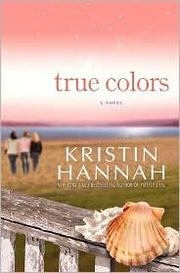
True Colors
Three Grey sisters split over love and duty after their father judges them.
2,596-word summary · 12 min read
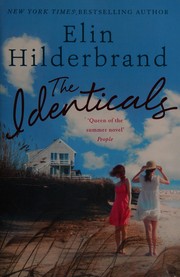
The Identicals
Twin sisters swap Nantucket and Martha Vineyard lives for a summer.
2,556-word summary · 11 min read

Heart of the Matter
Two Boston mothers collide after a burn injury puts a single mom in the orbit of another woman's surgeon husband.
2,585-word summary · 11 min read
The Statistical Probability of Love at First Sight
Hadley misses a flight, meets Oliver to London, and faces her father wedding in one day.
2,002-word summary · 9 min read
The Switch
A burned-out consultant and her 79-year-old grandmother swap London and Yorkshire homes for two months, facing grief, dating apps, and village politics.
2,782-word summary · 12 min read

The Longest Ride
A stranded widower relives his marriage while a Wake Forest student and a bull rider test new love in North Carolina.
2,488-word summary · 11 min read

The Wedding
Wilson Lewis courts his own wife again with Noah's help as daughter Anna plans her wedding.
2,076-word summary · 9 min read
The Silver Linings Playbook
A man leaves a mental facility sure his wife waits, then dance practice and hard truths reshape him.
2,981-word summary · 13 min read
Lola and the Boy Next Door
Costume maker Lola must choose between older Max and inventor Cricket while her two dads hold home steady.
2,045-word summary · 9 min read
Forever, Interrupted
Elsie elopes in May, loses Ben nine days later, and learns grief beside the mother in law she never met.
2,051-word summary · 9 min read
Life's Too Short
A travel YouTuber facing possible ALS takes in baby Grace and falls for Adrian, the lawyer next door.
2,913-word summary · 13 min read
Get a Life, Chloe Brown
A chronically ill woman recruits her gruff handyman neighbor to help her finish a bold Get a Life list.
2,147-word summary · 10 min read
The Rescue
Volunteer fireman Taylor finds a crashed mother and son in a storm, then falls for them both.
1,939-word summary · 9 min read

The Friend Zone
Kristen will not risk pregnancy, Josh wants kids, and their friends only plan keeps failing.
2,039-word summary · 9 min read

Always and Forever, Lara Jean
Senior year brings college letters, distance from Peter, and a dad wedding Lara Jean helps hold together.
2,037-word summary · 9 min read
Without Merit
Merit Voss feels invisible in a crowded converted church home until Sagan, Luck, and a painful night force the truth out.
3,300-word summary · 15 min read
Things We Left Behind
Lucian Rollins returns to Knockemout to bury his father's past and collides with librarian Sloane Walton.
2,777-word summary · 12 min read
The Pact
After Emily Gold dies from a gunshot, her boyfriend Chris Harte says it was a suicide pact and faces trial for murder.
2,873-word summary · 13 min read

Yours Truly
Divorced ER doctor Briana Ortiz fake dates anxious newcomer Jacob Maddox, trading honest letters while her brother waits for a kidney donor.
2,475-word summary · 11 min read
The Kiss Quotient
Stella Lane hires escort Michael Phan to practice dating and learns logic fails where touch and family press in.
2,716-word summary · 12 min read

Part of Your World
ER doctor Alexis Montgomery falls for carpenter Daniel Grant in Wakan while her surgeon family presses duty.
3,078-word summary · 14 min read

Just for the Summer
Emma and Justin date to break a matching curse, then face sudden guardianship and illness on Lake Minnetonka.
3,090-word summary · 14 min read