
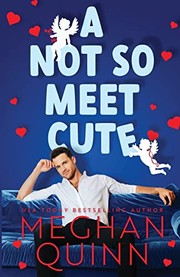
A Not So Meet Cute
2,888-word summary 13 min read 416 pages in the book
- First published
- 2021
- Publisher
- Bloom Books
- Pages
- 416
- ISBN
- 9781728294339
- Series
- Cane Brothers (#1)
Reading options
What's inside (8 sections)
I picked this one up because a friend kept telling me it was the funniest fake dating book she had read in years, and she said the opening made her laugh out loud on a train. I was in the mood for something light but with a full story attached, and the title kept popping up in romance groups. I did not expect to finish it so fast, but the setup pulls you in right away and then keeps adding pressure until the two main people have no room left to pretend.
My copy was the Bloom Books paperback from 2021, 416 pages, ISBN 9781728294339, billed as Cane Brothers #1. That detail matters because the book reads like the start of a family series, with Huxley as the first brother to get his story and a clear opening for JP Cane next. It is a contemporary romantic comedy with open door sex scenes and strong language, so it suits adult romance readers who like billionaire and fake dating tropes with a lot of banter.
Lottie is the heart of the book from the first pages. She is broke, funny in a self deprecating way, and trying to hold her life together with work that does not pay enough and plans that keep falling through. Huxley Cane is the opposite on paper. He is rich, controlled, used to fixing problems with money and contracts, and deeply tied to his family business and reputation. When their paths cross, neither is looking for love, which is exactly why the deal they strike feels both wild and believable for this kind of comedy.
Losing the job and running out of options
Lottie loses her job at the worst possible time, and Quinn writes that stretch with a lot of concrete stress. It is not presented as a single bad meeting. It is rent coming due, a bank balance that keeps dropping, small humiliations stacking up, and the tired feeling of answering messages from people who assume she will land on her feet.
What I liked about those early chapters is how Lottie keeps trying to joke her way through it. She makes comments to cover embarrassment. She tries to act like she has a plan when she clearly does not. That felt true to how people talk when they are scared about money but do not want pity.
Then the floor drops out a little more. Without steady work, the options narrow fast. She starts thinking about what she can sell, who she can ask for help, and what kind of short term work she could take without losing pride completely. The book does not slow down here to lecture about jobs or money. It stays close to Lottie, in her apartment, in her head, checking her phone too often.
That pressure is what makes the later offer land. When you have watched her count out what she has left and try to stay upbeat for other people, you understand why cash on the table would be hard to turn down, even if the job sounds absurd. She is not painted as reckless. She is painted as out of choices and willing to hear someone out.
By the end of this opening movement, Lottie is exhausted and open to something unusual. She has not met Huxley in a cute coffee shop moment. She has met life at its least charming, and that is the point of the title. There is no meet cute here. There is a mess, and then a strange proposal that promises fast money.
The cash offer to play a pregnant fiancee
Huxley Cane comes into the story with a problem of his own making. He lied to a client named Dave Toney, and now he needs the lie to hold long enough to save a property deal. The lie is specific. He told Dave he has a pregnant fiancee, thinking it would make him look settled and trustworthy, and now Dave expects to meet her.
When Huxley offers Lottie cash to pose as his pregnant fiancee, it sounds outrageous, and the book knows it. Lottie says so herself. She points out how many ways it could go wrong, how weird it is to fake a pregnancy, and how little she knows about his world. The negotiation scenes are played for laughs, with back and forth about rules, pay, time limits, and how to act in front of other people.
What makes it work is that Huxley is not asking for fun. He is asking because he is cornered. The property deal matters to him and to his brothers, and Dave Toney is not the kind of client you can brush off with a vague excuse. Huxley needs someone who can show up, smile, play the part, and leave. Lottie needs money badly enough to consider it. That mutual need is the engine for everything that follows.
They agree on terms that sound simple on paper. Lottie will act as the fiancee. She will wear the ring, show up where needed, keep the story straight about the pregnancy, and help convince Dave that Huxley is a family man. In return she gets paid, and both sides tell themselves it will stay businesslike and short.
I found the fake fiancee bargain easy to accept in context because Quinn keeps the logic tight. Huxley does not have time to find another solution. Lottie does not have time to be picky. Both think they can control how others see them for a few weeks. Readers of fake dating stories will recognize that confidence, and will know it never lasts.
By the time she says yes, the book has set the trap clearly. She will have to pretend to be excited about a baby that does not exist, in front of people who will watch closely. He will have to pretend to be warm and domestic when he is used to being distant and efficient. The cash makes it possible. Pride and panic make it necessary.
Moving in with Huxley Cane
Living together starts as logistics. If they are supposed to be engaged and expecting, they cannot live across town and only meet for staged dinners. So Lottie moves into Huxley space, and the comedy of manners begins. She has her bags, her habits, her opinions about food and television, and he has a spotless place run on routine.
Quinn gets a lot of mileage out of small domestic friction. Who takes the bathroom first. How to act when staff or family drop by. What to say when neighbors ask innocent questions about due dates and names. Lottie has to learn to answer without pausing too long, and Huxley has to learn to stand close enough that they look like a couple without freezing up.
The property deal hangs over these scenes even when it is not mentioned. Huxley checks his phone, takes calls in the other room, tries to keep Dave Toney happy with updates while keeping Lottie ready for the next appearance. The pressure to look stable for a client bleeds into how he acts at home, where he tries to manage Lottie the way he manages work.
What I enjoyed most here was how the apartment stops feeling like a set. At first Lottie treats it like a hotel she will leave soon. She keeps her things packed. She stays polite. Then little signs of settling appear. A favorite mug in the cupboard. A blanket left on the couch. Jokes that only make sense if you were there for the last awkward dinner. The staged affection starts to have a private language.
Physical closeness is part of the act, but Quinn writes it as awkward before it becomes tender. They practice holding hands, posing for the right photo, standing with his hand in the right place for a pregnancy announcement kind of picture. Lottie laughs when it feels forced. Huxley gets frustrated when it does not look natural. Those rehearsals matter later, because the body learns the habit before the mind admits anything.
By the end of this section, living together no longer feels temporary in mood, even if the contract says it is. They have routines. They have inside jokes. They have fought about dishes and schedules and how to lie well. The cash arrangement is still the official reason she is there, but anyone watching can see a different pattern forming.
Prenatal classes and staged affection turning real
The prenatal classes are where the premise moves from funny to genuinely sweet. Because Lottie is supposed to be pregnant, she and Huxley have to show up where real expectant couples go, sit through breathing lessons and planning talks, and act like they belong. The situations are ripe for embarrassment, and Quinn plays them fully.
What changes here is attention. In earlier chapters Huxley watched Lottie to correct her performance. In these classes he starts watching her to see if she is comfortable, tired, or overwhelmed. He brings water without being asked. He remembers what the instructor said about support positions. He places a hand on her back without thinking about who might be watching.
Lottie notices, and she does not know what to do with it. She tells herself it is part of the show. She reminds herself she is being paid. But care in small doses is hard to dismiss, especially when you are pretending to be vulnerable in a room full of couples who are actually about to become parents. The line between acting soft and feeling soft gets thin.
I found myself rooting for them even when I knew the setup was messy, because the small kindnesses felt more honest than the big speeches.
The prenatal classes also force conversation they had been avoiding. They talk about childhood, about family pressure, about what kind of home they imagined growing up. None of this is framed as deep confession. It comes out in car rides home, in jokes that turn serious for a minute, in quiet moments after a long evening. That pacing felt natural to me.
Physically, the book shifts here too. This is adult romance with explicit scenes, and Quinn does not shy away from heat once the emotional trust builds. The intimate moments are written as a release of tension that has been building since they moved in, not as a sudden break in character. For readers who prefer closed door stories, this will be too much. For fans of open door contemporary romance, it fits the promise of the genre.
The key turn is not a single kiss. It is a pattern of staged affection becoming reflex. A hand held a second longer than needed. A look checked first thing in the morning. Worry when the other is late. They still call it acting when others ask, but alone together the acting drops. That is the attachment the takeaways point to, and the book earns it by showing repetition rather than telling us they fell.
Kelsey and learning to take the agreement seriously
The Kelsey business subplot gives Lottie a second stage to grow on. Kelsey is tied to work Lottie cares about, a chance to build skill and credibility outside the fiancee role. Early on Lottie treats it lightly, almost as a distraction from the main performance. She shows up, she jokes, she does enough to get by.
That changes as she realizes how the agreement with Huxley reflects on her. If she is sloppy, late, or careless in one part of life, it bleeds into the other. People talk. Dave Toney watches. The Cane family watches. Kelsey becomes the place where Lottie decides what kind of professional she wants to be when no one is paying her to act.
Huxley notices the shift, and it changes how he talks to her. At first he gave instructions like a boss. Do this, wear that, say this if Dave asks. As Lottie takes the Kelsey work more seriously, he starts asking what she thinks, rather than only what she will do. Their conversations about work sound more like partners testing ideas and less like a client coaching a hire.
There is criticism to make here too. The Kelsey material sometimes pauses the central romance right when the tension is highest. Just as Huxley and Lottie start to admit feelings, the narrative cuts to a work problem that takes several chapters to resolve. Readers who came only for banter and heat may find those detours slow. I thought they were worth it for character, but I did skim one meeting scene that ran long.
What the subplot proves by the end is that Lottie is learning to take the agreement seriously in both senses. She honors the letter of the fake engagement by showing up prepared, and she honors her own future by treating Kelsey as training for the life she wants after the cash runs out. That double seriousness makes her later choices harder and more believable.
Dave Toney calls the bluff
Dave Toney has been the shadow over the whole deal, the client Huxley lied to and now must please to save the property transaction. Dave is not written as a fool. He is social, observant, experienced with people who try to impress him. He asks warm questions that are also tests. He watches how Huxley looks at Lottie when he thinks no one is watching, and how Lottie answers when she is tired.
The middle dinners with Dave are full of near misses. Lottie almost slips on dates. Huxley almost over explains. A brother says something that does not quite fit. Each time they cover, the cover costs more energy, and the fear of being caught grows. The comedy thins out here, replaced by a steady worry that one wrong word will end both the deal and whatever has grown between them.
What I found refreshing is that Dave sees through the ruse yet sells because their care looks genuine. He does not make a big villain speech. He does not humiliate them in front of a crowd. He lets them know, in his own way, that he understands the setup was false but the feeling underneath stopped being false a while ago. That choice keeps him human rather than turning him into a simple obstacle.
The property deal therefore resolves not on the strength of the lie but on the strength of what the lie revealed. Dave wanted to work with someone stable, someone who would show up for hard conversations and think about future responsibility. Watching Huxley show up for Lottie, in small consistent ways, tells Dave more than any pitch deck could. He agrees to sell because he trusts the care he has seen, even if the pregnancy story was invented.
For Huxley, that moment lands with guilt. He got what he wanted through a trick, and the win feels tainted. He has to face that he put Lottie in an unfair spot, risked her dignity for business, and liked being seen as a better man than his actions showed at first. His apology, when it comes, is not grand. It is specific about what he did wrong and what he will do differently.
Lottie has her own reckoning. She took cash for a role that asked her to lie about motherhood, in rooms full of people preparing for real parenthood. She worries she mocked something tender. She also worries she liked being cared for under false pretenses and now has to ask if that care continues when the pay stops. Those questions give the final chapters weight beyond will they or will they not.
The last movement of the book lets them choose each other without a contract. There is no sudden baby to fix things, no external rescue. There is conversation, some groveling, some humor, and a decision to try dating for real with all the awkwardness that entails. As the first book in the Cane Brothers series, it closes the couple story while leaving room for JP Cane and the rest of the family to take center stage next. I closed it feeling satisfied but also aware of its limits, which seems honest for a romantic comedy that aims to entertain first and linger second.
The limits are worth naming plainly. The central lie requires a lot of forgiveness from the reader, especially around faking a pregnancy for business gain. Some readers will find that premise too uncomfortable no matter how charming the banter is, and I understand that reaction. The middle sags a little with repeated dinners and performances that cover similar ground. A few side scenes run long on jokes when the emotional story wants to move forward.
Still, the affection between Lottie and Huxley carries the book past those slow spots. Their teasing has rhythm, their domestic scenes have warmth, and their growth feels tied to actions rather than speeches. If you like fake dating that turns domestic, billionaire heroes who have to learn softness, and heroines who get sharper about work as they fall in love, this delivers exactly that. I would point adult romance fans toward it, with the note about explicit content and language up front, and I would tell friends to start here before following the series on to JP.
FAQ
When was A Not So Meet Cute published?
Quinn first published it in 2021. The Bloom Books paperback runs 416 pages and the ISBN is 9781728294339.
Is it part of a series?
Yes. It is book one of Cane Brothers, followed by the story of JP Cane. Each book follows a different brother.
Is it appropriate for younger teens?
No. It includes open door sex scenes and strong language, so it suits adult romance readers.
Similar books
More from Cane Brothers first, then related titles.

My Dark Romeo
A debutante ball kiss traps Dallas Townsend in a marriage to Romeo Costa, a man who wants her as leverage in a war against his father and her fiance.
2,530-word summary · 11 min read
The Ex Talk
Two rival public radio producers pretend to be exes for a dating show, then fall for each other while the lie grows.
2,389-word summary · 11 min read

Beneath This Man
Ava returns to Jesse after five days apart and finds his drinking, jealousy, and a hidden deception that changes what she can forgive.
2,341-word summary · 10 min read

The Casanova
Kate Landon's boss is also the pen pal she falls for online, hiding behind fake names, until family secrets and a trip to Paris get in the way.
2,274-word summary · 10 min read
My Favorite Half-Night Stand
Millie, a criminology professor who has always been one of the guys, invents a secret dating profile and matches with her best friend Reid.
2,362-word summary · 10 min read
Take a Hint, Dani Brown
A viral rescue video turns a PhD student and a grumpy security guard into internet couple goals, and the fake relationship they build to keep the attention…
2,005-word summary · 9 min read
The Marriage Bargain
A bookstore owner marries a billionaire friend's brother for a year to save home and company.
2,092-word summary · 9 min read

Lovelight Farms
Stella fakes dating Luka to save her Christmas tree farm.
2,584-word summary · 11 min read

Love Redesigned
Rival designers Dahlia and Julian restore a Lake Wisteria Victorian while facing grief, family pressure, and old sparks.
2,248-word summary · 10 min read
King of Sloth
Party heir Xavier chases publicist Sloane who refuses to fall in forced job.
2,017-word summary · 9 min read
King of Greed
Billionaire Dominic fights to win back Alessandra after work obsession breaks their ten year marriage.
2,548-word summary · 11 min read
Hopeless
Fake engaged to town hero Beau Eaton, outcast bartender Bailey Jansen finds pretend and real blurring in Chestnut Springs.
2,491-word summary · 11 min read
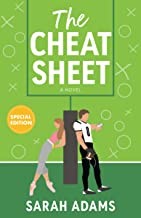
The Cheat Sheet
Best friends Bree and NFL star Nathan fake date for three weeks after her drunken confession goes viral.
2,401-word summary · 11 min read
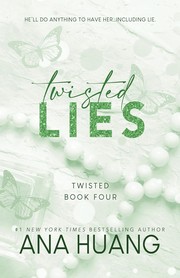
Twisted Lies
Shy influencer Stella Alonso fake dates billionaire Christian Harper to save her career, until a returning stalker forces them into his penthouse.
2,455-word summary · 11 min read
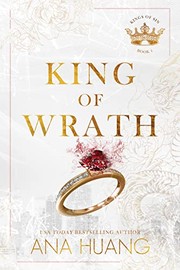
King of Wrath
Billionaire Dante Russo enters an arranged engagement with Vivian Lau and control slips into feeling.
2,975-word summary · 13 min read
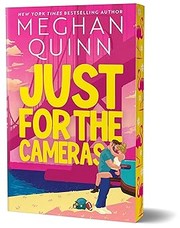
Just for the Cameras
A grumpy football star and a sunny flamingo keeper fake a romance for the cameras, then catch real feelings fast.
2,366-word summary · 11 min read

Austenland
A New York graphic designer obsessed with Mr. Darcy inherits a trip to a Jane Austen theme park, where the fantasy of Regency romance collides with the men…
2,030-word summary · 9 min read

Lick
Evelyn wakes up married to the lead guitarist of Stage Dive after a Las Vegas birthday she cannot remember, and the annulment gets complicated.
1,989-word summary · 9 min read

The Bookshop on the Corner
A Birmingham librarian loses her job, buys a van, and moves to the Scottish Highlands to run a mobile bookshop. Warm and bookish, with uneven pacing.
2,557-word summary · 11 min read

Ricochet
Lily Calloway tries to stay celibate for ninety days while Loren is in rehab, leaning on Rose, Connor, and Ryke as therapy forces her to face her childhood.
2,575-word summary · 11 min read
Under Locke
Iris Taylor moves to Austin broke and wary, takes a front-desk job at a tattoo shop, and spends the book learning that Dex Locke’s blunt cruelty and unexpected…
2,591-word summary · 12 min read
Bet Me
A sharp actuary agrees to dinner with a charming serial bettor, then spends the next month pretending the wager does not matter.
2,710-word summary · 12 min read
Act Your Age, Eve Brown
Eve Brown crashes into a Lake District bed and breakfast, breaks the owner's arm, and talks her way into his kitchen. A grumpy-sunshine romance about work,…
2,474-word summary · 11 min read

Two by Two
Sparks's twentieth novel turns from first love to a marriage breaking up: Russell Green loses his wife and his job, then rebuilds his life around his…
2,192-word summary · 10 min read

There Are No Saints
Two rival artists circle a struggling San Francisco painter. Cole Blackwell wants her, Alastor Shaw wants her dead. Book one of the Sinners duet.
2,190-word summary · 10 min read

The Predator
Coder Morana Vitalio and mob enforcer Tristan Caine chase stolen software while a case of missing girls from twenty years back catches up with them both.
2,296-word summary · 10 min read

One to Watch
A plus-size fashion blogger takes the lead role on a reality dating show to prove she belongs on television, and finds she might want what the cameras offer.
2,478-word summary · 11 min read
This Time Next Year
Two women give birth minutes apart on New Year's Day 1990, and one takes the other's lucky name. Thirty years on, their children meet again.
2,194-word summary · 10 min read

Indigo Ridge
A new police chief in a Montana town meets the founding family's eldest son in a bar, and one night later a body turns up under their cliff.
2,763-word summary · 12 min read

At First Sight
Jeremy and Lexie are married and expecting a baby when anonymous emails tell him the child may not be his.
2,317-word summary · 10 min read