
Silver Borne
2,571-word summary 11 min read 342 pages in the book
- First published
- 2010
- Publisher
- Ace Books
- Pages
- 342
- ISBN
- 9780441018192
- Series
- Mercy Thompson (#5)
Reading options
What's inside (8 sections)
I picked up Silver Borne because the previous Mercy book left Samuel in a bad place and I wanted to see where that went. Silver Borne by Patricia Briggs was first published in 2010 by Ace Books, a 342 page novel with ISBN 9780441018192. It is book five of the Mercy Thompson series. Mercy is now mated to Adam Hauptman, living in the Tri Cities, working as a mechanic, and caught between wolf pack demands and fae politics. I read it across three nights, slower than the earlier books, because there is more grief in it than action.
The setup is personal from the start. Samuel, the Marrok son who once hoped Mercy would choose him, is falling apart. His wolf wants a mate and a family. Samuel the man knows Mercy has moved on. That split turns dangerous when an old wolf loses control of the shift between man and animal. Mercy feels responsible because she loves him like family and because Bran, his father, asked her to keep an eye on him. Adam feels the strain too, because Samuel lives in their territory and his instability risks the pack.
Running under that is fae trouble. Zee, Mercy old boss and friend, is taken by fae authorities for a killing tied to old iron magic. At the same time Mercy ends up holding a powerful fae book that various fae want back. She hides it the way she hides everything important, in plain sight, in her workshop life, while trying to keep humans, wolves, and vampires out of the blast zone. The fae have withdrawn from public human society by this point in the series, which makes them less predictable and more willing to settle scores quietly.
What I liked right away is how domestic the stakes feel. There are no world ending prophecies here. There is a garage with bills to pay, a pack that needs feeding, a husband learning how a mate bond works, and a friend who will not ask for help even when he is clearly drowning. Briggs keeps the magic tied to chores and choices. Mercy fixes cars during the day and negotiates with ancient powers at night, and both kinds of work leave grease under her nails.
Mated life with Adam
Mercy and Adam marriage is still new, and Briggs writes it with practical friction rather than honeymoon glow. The mate bond lets them feel flashes of each other emotion and sometimes share strength, but it does not solve arguments. Adam is an Alpha used to giving orders that get obeyed. Mercy is a walker used to answering to no one. Their fights are about Samuel, about risk, about when Mercy should call for backup and when Adam should trust her to go alone.
One strong thread is how Adam handles jealousy without turning possessive in a cruel way. He knows Samuel history with Mercy. He does not like Samuel sleeping on their couch, borrowing their calm, bleeding grief into their house. But he makes room anyway because pack means taking in the wounded. There is a scene pattern I enjoyed where Adam checks in by bringing food or sitting nearby during hard talks instead of demanding a summary. It shows rank expressed as care, not control.
The pack itself gets good small moments. Jesse, Adam daughter, is older now and sharper about pack politics. She likes Mercy and worries about Samuel in the open way teenagers do. Warren and Kyle, Darryl and Auriele, Ben and the others fill kitchen scenes with teasing and watchfulness. New readers could follow this, but the warmth lands harder if you have read the earlier books and know who lost what to get here.
A fair criticism of this section is pacing. The first third spends a lot of time on household logistics, car repair, phone calls, and pack dinners. If you came for fae battles, you may fidget. I did at first.
What saves the domestic stretch is Mercy voice. She notices who eats and who only pushes food around. Her power remains modest. She cannot force Samuel wolf to settle. She can offer work, routine, and honesty.
Samuel slipping
Samuel is the heart of this book and the hardest part to read. He came to the Tri Cities years ago hoping Mercy would pick him. She picked Adam. Samuel stayed, telling everyone he was fine, throwing himself into doctor work and pack chores. In Silver Borne, fine collapses. His wolf, tired of waiting for pups and a mate, starts taking over for longer stretches. Sometimes Samuel the man goes quiet for days. Sometimes the wolf walks to the river and stares at water like it might answer.
Briggs handles this with care rather than melodrama. Samuel does not become a villain. He becomes unreliable, which in wolf culture is almost worse. He forgets appointments. He snaps at Jesse, then looks stricken. He shifts at odd hours and runs alone, which Alphas hate because lone wolves draw attention and get hurt. Mercy tries to reach the man by talking about Bran, about music, about old times in Montana. She tries to reach the wolf by offering pack contact without challenge. Neither holds for long.
The most painful scenes involve Mercy guilt. She knows she cannot fix Samuel by loving him differently. Adam knows it too, and his patience wears thin in believable ways. He respects Bran and he pities Samuel, but his first duty is to his own pack. When Samuel wolf growls at Mercy in her own kitchen, Adam steps in fast. No speech. Just body between threat and mate. Afterward Mercy cries in the bathroom so Samuel will not hear, which tells you everything about her loyalty split.
I appreciated that Briggs does not offer a clean cure. What helps Samuel is a mix of hard choices, distance from Mercy household, and a new purpose that his wolf can accept. Some readers may find that resolution too quiet after so much buildup. I found it honest.
If there is a weakness here, it is repetition. Samuel circles the same thoughts about Mercy, about failure, about age, in several scenes. The point lands early. The extra passes feel like padding. A tighter edit would have kept two strong Samuel chapters and cut the third wander by the Columbia River. Even so, the acting from the supporting cast, especially Adam refusing to abandon him and Bran calling with strained calm, keeps the thread from stalling.
Zee taken and fae law
Zee story gives the book its external pressure. Zeeland, the fae smith who taught Mercy about iron and work ethic, is seized by his own people. The charge relates to a killing done with fae craft that human law already looked at and wolf law cannot touch. Fae justice does not work like a courtroom drama. It works through debt, oath, and rank, with punishments that can unmake a person story rather than just lock a body up.
Mercy owes Zee a great deal. He gave her a job when she needed one, taught her to spot fae work, lent her tools that burn his own kind. So she cannot stand aside while the fae take him. The problem is access. The fae closed their reservation to outsiders and stopped playing by human rules. Mercy has no standing in their courts. She has only favors owed, old names remembered, and a stubborn refusal to let a friend face that machinery alone.
Tad, Zee son, adds weight. He is half human, caught between his father silence and Mercy questions. His scenes with Mercy in the shop, sorting through leftover orders while Zee sits in fae custody, carry real shop floor sadness.
Briggs does well showing fae law as alien without making it silly. The fae Mercy meets are polite, precise, and cold. They answer questions with corrections to the question. They offer deals that sound generous until you count the cost in years. One fae functionary type, all manners and no mercy, explains procedure while making clear procedure is whatever the powerful decide that morning. That arbitrariness is the point. Mercy mechanic mind hates it. You cannot fix an engine if the rules change while you hold the wrench.
My complaint is that the legal mechanics stay vague. We learn Zee is held, that Mercy cannot visit freely, that certain tokens grant passage, but the hierarchy of who can overrule whom never sharpens. When the rescue finally moves, it relies on personal daring and old debts more than on exploiting a stated loophole. That is exciting but slightly unsatisfying for readers who like rule based magic. I wanted one clear fae law to crack, and instead got atmosphere.
The book Mercy hides
The other fae thread is the object Mercy guards. Early in the story she comes into possession of a fae made book, a record tied to old power that several fae factions want. She hides it while trying to understand what it can do and who it can harm. The choice fits her. Mercy does not hand dangerous things to the loudest claimant. She studies them, asks Zee people what they know, and keeps the thing close where she can watch it.
Hiding a magical book sounds like a familiar plot, but Briggs keeps it grounded. Mercy worries about practical issues. Where to keep it so pack kids do not touch it. How to carry it without fae sensing it. Whether to tell Adam everything at once or in pieces so he does not go Alpha and lock it in a safe that will only attract thieves. Her caution creates tension in the marriage, because Adam can feel through the bond that she is holding something back, and secrets read as distrust.
The book also draws attention from unpleasant fae. Not armies. Individuals with glamour and patience. A stranger who asks too precise questions at the shop. A customer whose car has no real problem but whose eyes track Mercy hands. A phone call with long silence before a polite voice asks after old friends. Briggs builds dread through small intrusions rather than battles, which suits Mercy limited power. She cannot fight the fae head on, so she must notice them early.
What works is how the book connects to silver and iron themes that run through the series. Mercy, who works metal for a living, understands objects as carriers of intent. That craftsman logic gives the middle chapters texture that pure chase scenes would lack.
What works less is explanation. Briggs keeps the full nature of the book hazy to preserve mystery, but by the final act I still was not sure what it could actually do beyond attracting trouble. It functions more as a magnet than as a tool with clear costs. When Mercy finally uses her knowledge of it to bargain, the move feels clever but under set up. One more concrete demonstration earlier, a small effect with a price, would have raised stakes and made the climax land harder.
Fae closing in
The last quarter tightens nicely after the slow middle. Samuel crisis peaks at the same time Zee case turns urgent and the book hunters stop being polite. Mercy has to triage. Save the friend she can reach first. Trust Adam to hold the pack line. Accept help from vampires she does not fully trust and from Bran, who calls with orders wrapped as advice. The cross cutting between a wolf emergency and a fae negotiation keeps pages moving.
Action, when it comes, is short and costly in classic Briggs style. No long duels. A grab in a parking lot. A glamour that makes a familiar road look wrong. Iron filings in a pocket, silver where it counts, running water when you can find it. Mercy gets hurt and stays hurt. She makes mistakes under pressure, misreads one fae offer and has to pay for the correction with something she did not want to give. Adam gets to be terrifying in the controlled way good Alphas are, all focus and no waste, and it costs him too.
The fae themselves remain scary because they do not gloat. They state terms. They wait. One elder type treats Mercy like a child who picked up an adult tool, which infuriates her and keeps her sharp. She wins ground not by overpowering anyone but by knowing names, by remembering who owes Zee, by using her status as Adam mate and Bran foster daughter in precise doses. Victories feel earned because they are partial. She saves what she can and loses the rest.
Bran role deserves mention. He mostly acts by phone and through intermediaries, but his presence shapes every choice. His solution is unsentimental and very Marrok. Mercy hates parts of the plan and follows it anyway because pack survival outranks personal comfort.
A structural gripe. The climax tries to resolve Samuel, Zee, and the book in quick succession, and the transitions feel rushed after so much buildup. One rescue leans on a power Mercy has used before but in a new way that needed one more line of setup. One farewell happens off center while fae business still clutters the scene. I finished satisfied but slightly breathless, wishing Briggs had given the last fifty pages ten more pages of air.
What holds and what drags
Stepping back, Silver Borne is a middle book that knows it is a middle book. It pays off threads from Moon Called through Bone Crossed about Samuel devotion, Zee debt, and Mercy place between species. Small callbacks land. None of it requires a wiki, but familiarity helps.
Briggs strengths remain voice and ethics. Mercy notices work, pays debts, keeps promises even when Alphas order otherwise. She apologizes when she is wrong, which is often enough to feel human. She draws lines around kids and civilians and holds them under pressure. The prose stays plain and readable, with humor that comes from character rather than quips. Adam dry asides. Tad tired jokes. Warren warmth. These keep a heavy book from sinking.
The weaknesses are real but not fatal. Pacing sags in the middle third. Fae law stays foggy. Readers new to urban fantasy may also struggle with the cast size. By book five, pack meetings involve many names, and Briggs does not pause to reintroduce everyone.
Who should read it. If you like practical heroines who solve problems with tools, favors, and attention rather than raw power, this is a strong entry. If you like mate bonds written as negotiation rather than fate, Adam and Mercy here are among the better examples. If you need every thread tied shut, you may chafe, because Briggs leaves fae politics open for later books. I closed it tired in the way you feel after helping friends move. Sore, a little sad, glad you showed up. That feels right for a book about hiding something precious while someone you love slips and the old powers close in.
For series order, read Moon Called, Blood Bound, Iron Kissed, and Bone Crossed first. Silver Borne pays off Samuel arc and Zee loyalty that those books build. You could start here and follow the main plot, but the emotional cost of Samuel choice and Zee capture hits harder with history. After this, continue forward, because the fae withdrawal and Mercy standing with both pack and fae still have room to grow.
FAQ
When was Silver Borne published?
Ace Books published it in 2010. It runs 342 pages and the edition ISBN is 9780441018192.
Is Silver Borne part of a series?
Yes. It is book five of the Mercy Thompson series. Read Moon Called through Bone Crossed first for Samuel and Zee backstory.
Do I need to read the earlier Mercy Thompson books first?
It suits readers who like practical heroines, pack politics, and fae bargains. New readers can follow it, but book five hits harder with series history.
Similar books
More from Mercy Thompson first, then related titles.

Moon Called
A coyote mechanic in wolf country gets pulled into pack fights and fae bargains when a lost teen shows up.
1,943-word summary · 9 min read

Blood Bound
Coyote mechanic Mercy Thompson stands with vampire friend Stefan against a demon driven rival while pack ties strain.
2,636-word summary · 12 min read

Iron Kissed
Mercy repays Zee by hunting a fae killer, clears his name, and finally chooses between Adam and Samuel.
2,944-word summary · 13 min read

Bone Crossed
Mercy faces vampire queen Marsilia after killing a vampire to save friends.
2,261-word summary · 10 min read

River Marked
Mercy and Adam's honeymoon on the Columbia River turns into a fight with an ancient river devil, and Mercy finally learns the truth about her father.
2,008-word summary · 9 min read

Cry Wolf
Omega Anna joins Charles to hunt a rogue werewolf in Montana.
2,463-word summary · 11 min read

Bitten
Elena Michaels is the world's only female werewolf, and keeping that world away from her human life in Toronto works fine until the Pack calls in a favor.
2,039-word summary · 9 min read

Magic Burns
A magic flare hits Atlanta, and mercenary Kate Daniels must recover stolen maps, find a missing witch, and keep a teenage girl alive while Celtic gods try to…
2,021-word summary · 9 min read

Dreamfever
With the walls between worlds down and Mac broken by the Fae, Dreamfever is the darkest volume of the Fever series, and the one that changes everything.
2,007-word summary · 9 min read
Shadowfever
Mac Lane hunts the Sinsar Dubh in Dublin as Fae walls fail and Barrons secrets surface.
3,016-word summary · 13 min read

One Foot in the Grave
Cat hunts vampires with Bones while her Sire plots from the grave.
2,200-word summary · 10 min read

Bloodfever
Mac hunts the Sinsar Dubh in Dublin while Barrons tests her.
2,124-word summary · 9 min read

Forever
Grace turns wolf, Sam scrambles for a cure, and Mercy Falls votes to hunt the pack in trilogy end.
2,217-word summary · 10 min read

Shiver
Grace Brisbane loves yellow eyed wolf Sam, human in summer, as winter cold threatens to take him back for good in small town Mercy Falls.
2,408-word summary · 11 min read

First Grave on the Right
Charley Davidson is a private investigator in Albuquerque and the grim reaper. When three murdered lawyers come back as ghosts, her two jobs collide.
2,770-word summary · 12 min read
At Grave's End
Cat and Bones face Max, a zombie-raising ancient vampire, and a prophecy that ties their marriage to Patra's death in the third Night Huntress novel.
2,061-word summary · 9 min read

Masquerade
After Cordelia's death, Schuyler flies to Venice to find her exiled grandfather, then returns to the Blue Bloods as they prepare for a masked ball and a hidden…
2,543-word summary · 11 min read

Blood Bonds
Oleander is chained in a Resistance camp, and her five Bonds have to find her before Silas Davies finishes what he started in this third Bonds that Tie book.
2,018-word summary · 9 min read

Demonglass
Sophie Mercer spends the summer at the Council's English estate, where two new demons, a suspicious host, and Archer's return complicate her plan to remove her…
2,771-word summary · 12 min read

Born at Midnight
Kylie Galen is sent to a camp for troubled teens and discovers it is a haven for vampires, werewolves, and witches, and that she may be something stranger…
2,310-word summary · 10 min read

Paranormalcy
A teenage agent who can see through glamour falls for a shape-shifter and learns the agency she works for is hiding her true nature.
2,041-word summary · 9 min read

Lore
Lore Perseous, the last of a hunted bloodline, is pulled back into the Agon when a wounded Athena offers her revenge against the god who killed her family.
2,188-word summary · 10 min read

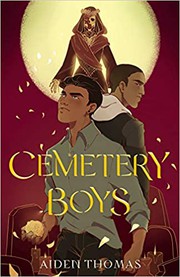
Cemetery Boys
A trans brujo in East Los Angeles summons the ghost of a boy who refuses to move on, and together they uncover a murder hidden beneath Día de los Muertos.
1,997-word summary · 9 min read
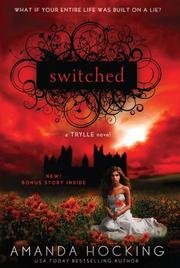
Switched
A Minnesota teenager who can make people obey her discovers she is a changeling troll princess, and the hidden kingdom she came from wants her back.
2,131-word summary · 9 min read

Savage Bonds
Oli's deadly gift is out in the open, her Bond runs the show, and the Resistance is closer than ever in the second Bonds that Tie novel.
2,431-word summary · 11 min read

Glass Houses
Claire Danvers moves off campus to escape a bully and lands in a house where the roommates know Morganville's real secret: the town belongs to vampires.
2,345-word summary · 10 min read

The Indigo Spell
Sydney Sage hunts an aging witch, learns forbidden magic, and finally admits she loves Adrian, while the Alchemist tattoo on her cheek may be controlling her.
2,604-word summary · 12 min read
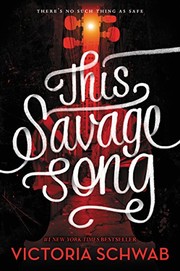
This Savage Song
Monster hunter Kate meets August, a monster who plays violin.
2,574-word summary · 11 min read