

Iron Kissed
2,944-word summary 13 min read 304 pages in the book
- First published
- 2008
- Publisher
- Ace Books
- Pages
- 304
- ISBN
- 9780441015665
- Series
- Mercy Thompson (#3)
Reading options
What's inside (9 sections)
I picked up Iron Kissed by Patricia Briggs because book two left Mercy in an impossible spot and I wanted to see how she got out of it. First published in January 2008 by Ace Books, a 304 page hardcover and mass market story with ISBN 9780441015665, it is book three of the Mercy Thompson series. I read Moon Called for the pack rules and Blood Bound for the vampire mess. This one is the fae book, and it is heavier than the first two. It still has garage scenes and pack banter, but the center is darker. I finished it in three nights and sat quiet after the last fifty pages.
Mercy is still the same person. She fixes cars in the Tri Cities, lives in a trailer by choice, keeps ties to Bran Marrok pack without joining Adam pack. She can turn coyote at will because she is a walker, old magic through her father line. She smells lies better than most wolves. She keeps promises even when it costs her. At the start of this book that habit puts her between two men and one old friend, and all three problems blow up at once.
Samuel has been living in her basement. Adam lives next door and leads the local pack. Both want her. Adam has said it plain. Samuel has history with her going back to her teens, when Bran took her in. Mercy likes Samuel. She loves parts of him. But she has been leaning toward Adam for two books, and here she has to stop leaning and decide. Adam tells her that her indecision hurts his wolves. He is not cruel about it. He is practical. A mate bond with an outsider who might pick someone else makes him look weak. His wolves feel it. Mercy hates being a pack problem. She also hates being rushed. That tension sits under everything else.
Caught between Samuel and Adam
This triangle never felt like a game to me. Samuel is sick in a way doctors cannot fix. He is centuries old, his wolf is tired, and living as a lone wolf without a pack to anchor him makes it worse. He clings to Mercy because she is familiar and kind and because long ago Bran told her that Samuel wanted kids she could give him, which female wolves cannot. That old wound never fully healed. Samuel jokes, cooks, helps in the shop. Then some nights he goes still and far away. Mercy sees it. She keeps him housed partly from love and partly from guilt.
Adam is different. He is an Alpha with a daughter, Jesse, a mortgage, a pack that includes restless young males like Warren and Darryl and Ben. He wants Mercy as a mate, not as a guest. He brings her soup after fights. He guards her without smothering her, mostly. He also pushes. In this book he says out loud that she needs to choose. I liked that Briggs let him be frustrated. He has waited through two books of almost. He has watched Samuel sleep under her roof. Any man would snap. Any Alpha would snap faster.
Mercy response is very Mercy. She works. She changes oil. She avoids the talk by taking a job. I recognized myself in that. When my life gets tangled I clean the kitchen. Mercy takes a fae favor instead. It does not help. The choice follows her into the reservation, into jail visiting rooms, into a hospital bed. By the end she does choose, and Briggs makes the choice stick with consequences for Samuel that hurt to read. If you love Samuel, brace yourself. This book picks Adam. It does not pretend Samuel will be fine right away.
A small complaint here. The early chapters spend a lot of time rehashing who likes whom. If you read straight from book two, you will skim some pages. I did. The recap is useful if you took a break, but back to back it drags. Once Zee calls, the pace picks up and stays up.
A favor Zee can call in
Zee, Siebold Adelbertsmiter, is the fae who taught Mercy the trade. He is old, gruff, bound by fae rules that forbid direct lies. He cannot lie the way humans do. He can mislead by wording, stay silent, charge a price that sounds fair and lands hard later. He has run a pawnshop full of iron, which burns fae flesh. He hired Mercy when no one else would take a walker girl. She owes him work and loyalty and love, in that order.
The favor is this. People have died on the fae reservation in Walla Walla. The fae came out to humans years ago and live uneasily under human law. The Grey Lords, the hidden rulers of fae, punish any fae who uses too much open magic or draws human attention. So when murders happen inside fae ground, the fae cannot just use power to find the killer. They need a nose that is not fae. Mercy can smell death and glamour and iron. She is neutral enough to walk in, useful enough to help, weak enough that the Grey Lords might ignore her. Zee asks her to come sniff around.
Mercy says yes. Partly to repay him. Partly to escape the Adam and Samuel talks. Partly because she is curious. She drives out with second thoughts and a kit in her trunk. The reservation feels wrong from the gate. Too quiet. Lawns too neat. Fae trying hard to look normal. Uncle Mike, who runs a bar in town and plays tame for humans, helps with introductions. Other fae watch her like she is a stray dog someone let inside. Which is fair. She is.
What I liked here is how Briggs writes fae politics without a lecture. You learn by watching Mercy make mistakes. She thanks the wrong person. She accepts food without asking price. She asks a direct question and gets a smiling non answer. Zee corrects her after, sharp and scared. Fear suits him. He knows what the Grey Lords do to fae who break cover. His fear made me nervous in a way vampire threats never did. Vampires kill you. Grey Lords erase you and your story.
Murder on the reservation
The murders themselves are ugly. Fae dead by iron, which among fae is like a hate crime and a taboo at once. Iron kills them, burns them, blocks their magic. To kill a fae with iron means you knew what you were doing and you wanted it to hurt. Mercy walks the scenes with Zee and a couple of reservation guards. She smells old blood, cleaning chemicals, and underneath, a wrong sweet smell she cannot place. She finds hairs, a track that shifts from human to something else, a door forced without tools. She works like a mechanic. What is broken. What does not fit. What was forced.
She does identify a suspect. A fae with access and temper and reason to hate the victims. She tells Zee privately. She thinks that is the end of her part. Go home, change oil, think about Adam. Then police arrest Zee at the killer house with the killer body at his feet and blood on his hands. The news hits fast. Old fae kills rival. Humans mutter about monsters among us. The fae council wants it quiet. A quick plea, a quiet lockup, no human trial with cameras. Zee refuses to explain himself fully, which looks guilty and is actually fae honor. He will not drag Mercy into Grey Lord trouble. He tells her to stay out.
Mercy does not stay out. Of course she does not. This is the part where some readers will get frustrated with her. The evidence looks bad. Zee was there. Zee had motive if you squint. Police have a confession shaped hole and want to fill it. Mercy insists Zee would not do it that way, with iron, leaving a mess for humans to find. She knows him. She worked for him for years. She trusts her nose over reports. She starts asking around the reservation on her own, with Adam backing her and Samuel worrying from the sidelines.
The investigation middle is solid but crowded. Names pile up. Fae you met once return with new titles. A widow who lies by omission. A young fae who wants human friends too much. A guard who follows orders too well. A human cop who is fair but tired of magic cases. I kept notes. You may want to. Briggs plays fair with clues. The smell from the first scene matters. The iron source matters. Who can walk through fae wards without burning matters. I guessed the shape of it before Mercy said it, but not the full who and why. That felt right. A mystery should let you almost get there.
One more note. Mercy uses her coyote form here to good effect. She shifts to run a fence line, to slip under a porch, to smell where human nose fails. Coyote is small, thirty pounds, fast on turns, invisible in scrub. Briggs remembers limits. Mercy cannot fight a fae straight. She can listen, hide, run. A scene where she hides under a trailer in coyote form while boots pass inches away had my shoulders up by my ears.
Police, packs, and Grey Lords
What raises this book above a simple whodunit is pressure from three sides. Police want a closed case. The fae want no scandal. The pack wants Mercy home and safe. Adam tries to help without claiming her in front of fae. That is hard for him. His instinct is to stand between her and danger and growl. Fae read that as a challenge. Mercy has to tell him, more than once, to let her walk in alone. He hates it. He does it anyway, then waits in the truck with his hands tight on the wheel. I liked those small beats more than the big fights.
Bran calls from Montana. Short calls. Heavy pauses. He cannot step in without making it a pack versus fae incident. He tells Mercy to be careful, which from Bran means a lot. He raised her. He knows she will not be careful. Samuel tries to play peacemaker and ends up hurt in the crossfire of her choices. Jesse, Adam daughter, gets a few good scenes. She is human, brave, tired of being sheltered. She makes Mercy promise to come back for movie night. Promises like that land hard when you know what is coming.
The Grey Lords hover off page. You never meet them fully. You hear what they did to fae who broke rules in the past. Whole families gone. Names removed from songs. Zee would rather go to human prison than draw their eyes to Mercy. Uncle Mike warns her with jokes that are not jokes. Even Bran sounds careful saying their name. Dread built this way works. I was more scared of a polite fae letter than of fangs.
A fair criticism. The legal parts blur. Human law versus reservation law versus Grey Lord law gets talked about in cars and kitchens while people bleed or worry. I had to reread one talk between Adam and Darryl about what protection the pack can offer Zee. It boils down to not much. Humans have custody. Fae have politics. Wolves have teeth they cannot use. That helplessness is the point, but the path to get there involves a lot of talk. Coffee helps. Take breaks.
The house and what happened there
I want to handle this part plainly because Briggs does. Mercy figures out the real killer plan and goes to confirm it. She is caught. She is beaten. She is sexually assaulted. It is not written for shock or detail. It is written as pain, fear, anger, and aftermath. The attacker uses power and cruelty to humiliate her because she saw through him and because she is walker and woman and outsider all at once. She survives by thinking like Mercy. Notice the room. Notice the tools. Notice the smell. Wait for one opening and take it with everything left.
I found these chapters hard and well done. Hard because the violation is real and lingers. Well done because Briggs stays with Mercy point of view and does not turn it into a lesson or a plot trick. Mercy gets hurt and stays hurt. She bleeds. She shakes. She throws up. She hates being touched for a while, even by people she loves. She hates feeling weak more. Adam finds her and does the right things badly and then better. He brings blankets. He stands guard. He does not demand details. He asks what she needs and listens to the answer. Samuel wants to fix it and cannot, which breaks him a little.
After, Mercy has to keep functioning. Police need statements. Zee still sits in jail. The killer still walks. She gives what she can, holds back what she must to protect fae secrets, and goes back to work because work is how she steadies herself. Some readers may wish she rested more. I thought the restlessness felt true. Trauma does not wait for court dates. It shows up while changing spark plugs. Briggs lets Mercy be angry, numb, practical, and scared in turns. No single speech fixes it. The healing starts much later, past this book. That honesty matters.
If you need to skip graphic content, know that the assault is not described with explicit physical detail, but the fear and pain are clear and the emotional fallout runs through the last third. You can read a plot summary of those ten pages and rejoin after without losing the thread. The book will still hit. Take care of yourself first.
Clearing Zee and choosing Adam
The endgame ties the murders, the iron, and Zee arrest into one knot. Mercy lays it out with help. Who had access to iron on the reservation without burning. Who could pass wards. Who wanted the victims dead for old grudges that predate human law. Who framed Zee by counting on police to see an old monster and stop looking. The confrontation is tense and physical and costly. Mercy does not win by strength. She wins by noticing one small wrong thing and refusing to let it go, then by paying a price to make others see it. Zee is cleared, but not cleanly. Fae politics never end clean. The Grey Lords allow a story that keeps humans calm. Some fae hate Mercy for what she exposed. Some owe her. Zee owes her and hates owing her, which strains their easy old bond.
Mercy choice lands in the quiet after. She picks Adam. Not because Samuel is bad. Samuel is good and broken and loved her long. She picks Adam because she wants a partner who meets her as she is now, not as the girl she was at sixteen. She picks the pack that chose her back, Jesse included. She accepts the mate bond with eyes open, knowing what it costs in freedom and safety. Samuel leaves. Not far in miles at first, but far in heart. His goodbye scene got me. No shouting. Just a man who finally hears no and believes it.
The last pages are domestic in the best way. Garage noise. Food. A shower that runs too long. A cat fed. A truck fixed. Mercy sore, tired, alive. Adam steady beside her without owning her. Zee free but changed. Bran calling to check, proud and worried. No big speech about healing. Just small steps. I closed the book sad and satisfied, which feels right for this series at book three. It grew up here. It stopped being only monsters of the week and became about what living with monsters costs.
Read Iron Kissed if you liked Mercy practical voice and want more fae than wolves or vampires. Start with Moon Called, then Blood Bound, then this. You need the pack rules and the Samuel history for the choice to land. Skip if sexual assault storylines are too much right now. This one does not look away. If you do read, give yourself room after. I needed a walk and soup, like Mercy would want. Then I wanted book four, because after this kind of break and mend, you want to see what holds.
Why this one stays with me
A week later what sticks is not the mystery solution. It is Zee teaching Mercy to test iron with tongs and gloves. Adam waiting in a truck instead of bursting in. Jesse asking for movie night like a promise can keep someone safe. Samuel smile that does not reach his eyes. Mercy in coyote form listening under a porch, small and still, refusing to whine. Those images hold because Briggs writes work with her hands. Engines. Oil. Blood cleaned with bleach that still smells underneath. Magic has rules and costs here. Iron burns. Water confuses scent. Names open doors. Favors bind.
It is not perfect. The middle sags with names. The law talk confuses. The love triangle takes too long to resolve if you binge. But the emotional core holds. A woman who fixes things learns some things cannot be fixed fast, only carried, and she chooses who helps her carry. That feels honest. I will keep going with the series. I want to see Samuel find footing. I want to see Zee and Mercy easy again. I want to see Mercy and Adam build something steadier than sparks. Book three earned that want.
FAQ
When was Iron Kissed published?
Ace Books published it in January 2008. It runs 304 pages and the mass market ISBN is 9780441015665.
Is Iron Kissed part of a series?
Yes. It is book three of the Mercy Thompson series, after Moon Called and Blood Bound. Read those first for the Samuel and Adam history.
Who does Mercy choose in Iron Kissed?
She picks Adam and accepts the mate bond. Samuel leaves, hurt but alive, which shapes later books.
Similar books
More from Mercy Thompson first, then related titles.

Moon Called
A coyote mechanic in wolf country gets pulled into pack fights and fae bargains when a lost teen shows up.
1,943-word summary · 9 min read

Blood Bound
Coyote mechanic Mercy Thompson stands with vampire friend Stefan against a demon driven rival while pack ties strain.
2,636-word summary · 12 min read

Bone Crossed
Mercy faces vampire queen Marsilia after killing a vampire to save friends.
2,261-word summary · 10 min read
Silver Borne
Mercy hides a Fae book while Samuel slips and the fae close in.
2,571-word summary · 11 min read

River Marked
Mercy and Adam's honeymoon on the Columbia River turns into a fight with an ancient river devil, and Mercy finally learns the truth about her father.
2,008-word summary · 9 min read
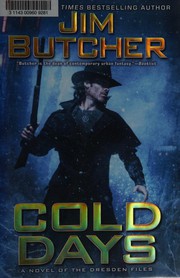
Cold Days
Back from the dead as the Winter Knight, Harry Dresden must follow Mab's order to kill an immortal and defend Demonreach on Halloween night.
2,361-word summary · 10 min read

Fool Moon
Wizard Harry Dresden hunts a full moon killer through Chicago werewolf packs.
2,855-word summary · 13 min read

Cry Wolf
Omega Anna joins Charles to hunt a rogue werewolf in Montana.
2,463-word summary · 11 min read
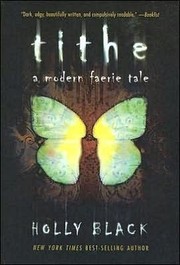
Tithe: A Modern Faerie Tale
A retelling of Holly Black's Tithe: Kaye Fierch returns to the Jersey Shore, discovers she is a changeling, and becomes the mortal sacrifice in a faerie power…
2,586-word summary · 11 min read
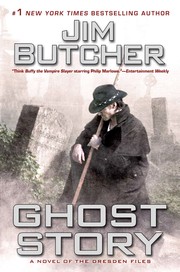
Ghost Story
Dead but not gone, Harry Dresden returns as a spirit to find his killer, protect the friends he left behind, and learn why the afterlife gave him a second…
1,978-word summary · 9 min read

Dreamfever
With the walls between worlds down and Mac broken by the Fae, Dreamfever is the darkest volume of the Fever series, and the one that changes everything.
2,007-word summary · 9 min read
Deadlocked
A dead woman on Eric's lawn starts a murder investigation, a vampire queen wants Eric as her consort, and the fairies in Sookie's life close in.
2,885-word summary · 13 min read

Bitten
Elena Michaels is the world's only female werewolf, and keeping that world away from her human life in Toronto works fine until the Pack calls in a favor.
2,039-word summary · 9 min read
Turn Coat
Morgan asks Harry for sanctuary as the Council calls him traitor.
2,590-word summary · 12 min read
Small Favor
Harry owes Mab a favor and must find Marcone while Denarians hunt a holy girl.
2,741-word summary · 12 min read
Shadowfever
Mac Lane hunts the Sinsar Dubh in Dublin as Fae walls fail and Barrons secrets surface.
3,016-word summary · 13 min read

Bloodfever
Mac hunts the Sinsar Dubh in Dublin while Barrons tests her.
2,124-word summary · 9 min read
White Night
Wizard Harry Dresden hunts fear-feeding White Court killers preying on Chicago's minor talents, reunites with Elaine Mallory, and faces a coup at Chateau Raith.
2,521-word summary · 11 min read
Changes
Harry Dresden learns he has a seven-year-old daughter Maggie, hidden for years. The Red Court seizes her for a bloodline rite, forcing him toward Chichen Itza.
2,855-word summary · 13 min read
Proven Guilty
Warden Harry defends teen Molly from White Council while fear phages stalk con.
2,068-word summary · 9 min read

Magic Bites
A broke Atlanta mercenary takes her murdered guardian's last case and walks into a war between vampires and shapeshifters.
2,272-word summary · 10 min read
Dead Beat
Wizard Harry Dresden hunts the Word of Kemmler through necromancers to stop a Halloween godmaking rite.
2,883-word summary · 13 min read
Blood Rites
Wizard Harry Dresden guards a porn set from entropy curses while learning brother Thomas and fighting Black Court nest.
2,211-word summary · 10 min read
Death Masks
Wizard Harry Dresden hunts the stolen Shroud of Turin while dueling a vampire lord and facing fallen angels.
2,979-word summary · 13 min read

Summer Knight
Harry refuses Mab to solve a Summer Knight murder and stop fairy war.
2,147-word summary · 10 min read
Grave Peril
Chicago ghosts turn murderous as Harry Dresden faces a vengeful sorcerer and Bianca's vampire trap.
3,484-word summary · 15 min read
Storm Front
Wizard PI Harry Dresden hunts heart-explosion killer in Chicago.
2,563-word summary · 11 min read
Hounded
A two-thousand-year-old druid runs a bookshop in Arizona, hides from an Irish god who wants his sword back, and talks to his dog.
2,159-word summary · 10 min read