
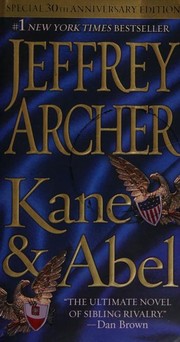
Kane and Abel
2,016-word summary 9 min read 592 pages in the book
- First published
- 1979
- Publisher
- St. Martin's Press
- Pages
- 592
- ISBN
- 9780312942724
- Series
- Kane and Abel (#1)
Reading options
What's inside (7 sections)
I picked up Kane and Abel on a long flight because a seatmate said it was the fastest 600 pages ever, and she was right enough that I missed landing snacks. First published in 1979 by Hodder and Stoughton, the St. Martin's edition runs 592 pages with ISBN 9780312942724. It opens the Kane and Abel series, followed by The Prodigal Daughter. It follows William Kane and Abel Rosnovski, born same day worlds apart, through sixty years of building empires while hating. If you like rival sagas with twists, this delivers without apology.
William Lowell Kane is born to Boston wealth. His father dies early. His mother remarries a man who wants his money. William learns banks young, counts, saves, judges. He goes to St Paul's, Harvard, works hard, marries well, inherits, builds. He is principled to a fault, which means rigid when wrong. He believes rules matter and enemies should be beaten fairly, until hatred teaches otherwise.
Abel Rosnovski is born in Poland, in woods, to a mother who dies. Raised by a trapper family, then a baron, he survives war, Russian camps, hunger that kills. He reaches America with nothing but brains and rage. He works as waiter, learns hotels, saves, buys, builds. He is warm to friends and ruthless to foes. He believes no one gives, you take, because history took from him first. His hatred for Kane starts from a real slight and grows on misunderstanding.
Parallel lives
Archer structures in parallels that make pages fly. Kane christened with silver spoon. Abel found in forest. Kane at school with tutors. Abel at school with beatings. Kane loses father to illness. Abel loses family to war. Both brilliant with numbers. Both love women badly at first. Both go to war, World War Two, and return changed. Kane serves with honor. Abel survives camps and comes to America on a ship with nothing. Their paths cross without meeting for chapters, near misses at hotels, banks, parties. Dramatic irony hums. Readers shout, just talk.
Business building is the fun middle. Kane grows Lester bank, fights old board, backs new industries. Abel grows Baron hotel chain, from one burned hotel to many, with charm and threats. Both work dawn to midnight. Both marry, Kane to Kate, steady and smart, Abel to Zofia, then later others. Both have children who will matter more than they know. Florentyna, Abel daughter, bright and headstrong. Richard, Kane son, kind and torn. Their love story becomes the true sequel hook. Parents feud while kids fall. Classic, effective.
Hatred ignites over money and pride. Kane denies Abel a loan, for sound banking reasons that look like snobbery. Abel takes it as class war. He buys bank stock to humiliate Kane. Kane blocks his hotel expansion to protect clients. They sue, smear, outbid. Over decades, through Depression, war, boom, they spend fortunes to wound each other. Friends beg them to stop. Wives beg. They cannot. Each sees the other as the system that hurt him, Boston snobbery versus immigrant threat. Archer keeps both sympathetic enough that you root for both to quit, knowing they will not.
War chapters give scope. Kane serves in Navy, learns command. Abel fights in forests, loses fingers, learns survival. Both return with scars that explain hardness. Postwar boom lets them expand fast. Hotels for soldiers turned salesmen. Loans for houses. Archer loves period detail, suits, phones, menus. It dates charmingly now. Numbers fly, interest rates, occupancy, stock prices. If you like business as battle, these pages sing. If you hate numbers, skim. People matter more.
Children pay
The second generation carries the last third and best parts. Florentyna Kane? No, Florentyna Rosnovski, Abel daughter, wants to run hotels, not marry well. She meets Richard Kane, William son, at Harvard. They fall fast, funny, real. Neither knows fathers hate. When they learn, they must choose. Love or loyalty. They choose each other and pay with exile from both families. Their struggle to build a shop, a life, without daddy money is the most modern section. Two rich kids learning work. I liked them more than fathers by the end.
The feud poisons weddings, births, funerals. Kane refuses to attend daughter? Actually son wedding. Abel refuses to meet grandchild. Friends carry messages that get twisted. Lawyers profit. One scene where Florentyna asks both fathers to hold her baby and both refuse broke me a little. Pride costs exactly what they claim to protect, family. Archer hammers this without subtlety. It works because he earned it over 400 pages. You want to shake them. You also understand. Old wounds calcify.
The final twist, famous among fans, reframes everything. I will not spoil, but it involves a meeting, a misreading, and a lifetime of hate built on a mistake that a five minute talk could have fixed. When it lands, you reread early chapters in head. Oh, that loan. Oh, that letter. Oh, that silence. Some call it trick. I call it tragedy of pride. Men who build empires cannot ask, are you the one. They assume. Assumption compounds like interest. Sixty years, three generations, all for nothing that mattered.
Fair criticism is easy and fair. Characterization is broad. Good guys good, bad guys bad, women mostly wives or prizes, though Florentyna breaks mold late. Prose is serviceable, not beautiful. Coincidences pile. Same day births, same hotels, same wars. Pacing skips years with paragraphs, which thrills and thins. If you want interiority, look elsewhere. Archer writes plot, not soul. That is the deal. Take it or leave.
But the engine runs like nothing else. Short chapters, cliffhangers, time jumps that land. You tell yourself one more and read fifty pages. My flight test proves. The book sold 34 million copies for a reason. It respects reader desire to know what happens next. Modern literary fiction sometimes forgets that hunger. Archer feeds it without shame.
Who should read it
Adults and older teens fit best. There is war death, poverty, strong language, sexual content mild, business ruthlessness. No explicit gore. Fans of sagas, Pillars of the Earth, Thorn Birds, North and South, will feel at home. Fans of subtle prose should adjust. This is storytelling as engine, not embroidery.
Read Kane and Abel first, then Prodigal Daughter for Florentyna payoff. Keep a family tree. Kane, Kate, Richard. Abel, Zofia, Florentyna. Mark banks versus hotels. Watch for letters never sent. They matter. Expect to hate both men and miss them after. I closed it tired and satisfied, like after a long meal. Empires built. Children lost. One meeting that could have saved all. If there were a Nobel for storytelling, as Telegraph says, Archer would contend. For one flight, he won mine.
Wives, children, and letters
Wives carry more than the plot admits and deserve credit. Kate Kane, steady, smart, loves William but will not excuse cruelty. She tells him when hate costs. He listens for a day, then forgets. She stays anyway, managing house and charity while he wages war. Her patience is not weakness. It is strategy to keep family whole while men break it. When she finally confronts him about Richard, she speaks plainly and leaves room overnight. That night apart scares him more than any board fight. He apologizes badly and means it. She returns with terms. Family first, feud second. He agrees and breaks promise within chapters. That cycle feels true to marriages with workaholics.
Zofia Rosnovski, Abel first wife, suffers differently. She follows him to America, works, bears Florentyna, endures his absences and rages. She loves him fiercely and fears his hate will eat their child. When she dies, Abel grief turns to harder drive. He names hotels for her, then forgets her in deals. Their daughter Florentyna inherits his brains and her kindness. She remembers her mother bedtime stories while father tells war stories. That maternal line saves her from becoming Abel copy. When she chooses Richard, she chooses Kate kindness too, learned from stories. Mothers dead still mother through memory. Archer, to his credit, lets that stand.
Letters never sent run the tragedy. Kane writes to Abel once to propose truce after children marry. He burns it, thinking Abel will mock. Abel writes to Kane to warn about a bad investment, out of old respect. He tears it, thinking Kane will gloat. Friends carry verbal messages that twist. If one letter had gone, hate might have paused. Both men fear rejection more than war. That fear, in giants, is human and sad. Readers shout, send it. They do not. Pride weighs more than paper. Sixty years turn on postage never bought. Keep this in mind when you hesitate over a hard email. Send it. Worse than mockery is decades of war.
Children pay and then teach. Richard and Florentyna build a small shop without family money after both disown them. They argue about inventory, customers, rent. They learn work their fathers skipped, starting small. When they succeed modestly, fathers notice from afar and claim credit privately. Neither asks for help. That independence heals what feud broke. Their baby, when born, gets two grandfathers who refuse to visit together. Florentyna sends photos to both. One replies with money. One with silence. She frames neither. She raises her child to know both stories and choose better. That choice is the true sequel hook. Hate ends when someone refuses to inherit.
Banks, hotels, and how empires show character
Business detail is not filler here. It reveals men. Kane bank grows by caution, refusing bad loans, backing solid builders. He reads balance sheets like morals. When he denies Abel loan, he cites numbers that are sound and blind. He cannot see that numbers carry bias. His board nods. Abel hotel grows by charm, hiring immigrants, remembering names, feeding guests. He reads people like numbers. When he buys bank stock to hurt Kane, he cites revenge that is sound to him and blind to cost. His staff cheers. Both build well and wound deeply because skill without empathy scales harm. Archer, a politician himself, knows how institutions amplify pride. He shows it without lecturing. Watch what they fund. Banks fund sameness. Hotels house strangers. Each man funds himself.
War profits test them too. Kane serves and invests carefully, avoiding war profiteering though tempted. Abel survives camps and vows never to be helpless, so he hoards and expands fast when peace comes. Postwar boom rewards both. New hotels for travelers. New loans for houses. They meet at charity dinners and spar politely while planning next blow. Friends who served with them see change. Kane harder. Abel colder. War taught them life is cheap and work is control. Those lessons build empires and ruin families. Peace needs softer skills neither learned in uniform. Their children, raised in peace, must learn them fresh. Richard quits banking to run a shop. Florentyna quits hotels to run a boutique. Small is their rebellion. Small saves.
The final meeting twist needs no detail here to praise structure. Archer plants a silver gift early, a watch, a pen, a letter opener, that returns late with meaning. He plants a name misheard that matters. He plants a scar described once. Readers forget. Ending remembers. Reread rewards. That planting is craft, not trick, because clues were visible. I missed them first time, caught half second. Good blockbusters do that. They rush you past evidence with pace, then invite return. Hate built on mistake feels tragic, not cheap, because mistake was human. Misheard name. Unopened letter. Pride that stopped ears. Send your hard letters today. Worse than mockery is decades of needless war. Kane and Abel endures because it shows how ordinary pride scales into empire feud. Read it as warning and entertainment together. Enjoy the pace. Heed the cost. Talk before assuming. Forgive before ledger hardens. That lesson outlasts banks and hotels alike.
Empires fade. Letters last. Take an evening to write the hard note you avoid. Say what happened, what it cost, what you want now. Send it kindly. Hate needs silence to grow. Truth spoken early starves feud before it feeds on years.
FAQ
When was Kane and Abel published?
First published in 1979 by Hodder and Stoughton. The St. Martin s edition runs 592 pages with ISBN 9780312942724.
Is it part of a series?
Yes. It opens the Kane and Abel series, followed by The Prodigal Daughter.
Who should read it?
Adults and older teens fit best. There is war, death, and ruthless business.
Similar books
More from Kane and Abel first, then related titles.
Only Time Will Tell
A Bristol dockworker's son wins a scholarship, falls in love with the daughter of the family that owns the shipyard, and learns that his father's death was not…
2,082-word summary · 9 min read
The Evening and the Morning
Edgar, Ragna, and Aldred build a bridge town that becomes Kingsbridge around 997, facing Viking raids, harsh law, and a scheming bishop in Follett's prequel.
2,833-word summary · 13 min read
The Thorn Birds
Meggie loves priest Ralph across decades on Drogheda sheep station.
2,280-word summary · 10 min read

Violeta
A woman born in 1920 writes her life story to her grandson, from one pandemic to another, through wealth, ruin, passion, and dictatorship in South America.
2,555-word summary · 11 min read
The Stationery Shop
Two teenagers fall in love in a Tehran stationery shop in 1953, are separated by the coup and a family deception, and meet again sixty years later.
2,024-word summary · 9 min read

Take My Hand
In 1973 Montgomery, a young nurse discovers that two sisters were sterilized without consent, and spends the rest of her life living with what she could not…
2,126-word summary · 9 min read

The Shadow Sister
Star D'Apliese steps out of her sister's shadow and follows a bookshop clue into the Edwardian life of Flora MacNichol, a woman who gave up love for duty.
2,260-word summary · 10 min read
Mrs. Everything
Two Jewish sisters in Detroit grow up, apart and together, across seven decades of American life, from the 1950s to the 2016 election.
2,362-word summary · 10 min read
The Lowland
Two brothers grow up beside a marshy lowland in Calcutta, and the choices of the younger one draw the older into a life of duty, distance, and quiet grief that…
2,213-word summary · 10 min read
Stones from the River
Trudi Montag is born a dwarf in a small German river town in 1915 and grows up to keep the town's library and its secrets, from the First World War to the…
2,818-word summary · 13 min read

A Long Petal of the Sea
A pregnant widow and her brother-in-law marry for passage on a ship of Spanish exiles bound for Chile, then spend decades building and losing homes together.
2,016-word summary · 9 min read
Vanishing Acts
A search-and-rescue worker's perfect life cracks when her past and her father catch up.
2,799-word summary · 12 min read
The Tea Girl of Hummingbird Lane
A Chinese tea farming mother gives up a daughter who later seeks roots.
2,607-word summary · 12 min read
The Red Badge of Courage
Henry Fleming runs at Chancellorsville, then returns to stand.
2,486-word summary · 11 min read
News of the World
Captain Kidd carries captive Johanna home across 1870 Texas.
2,571-word summary · 11 min read
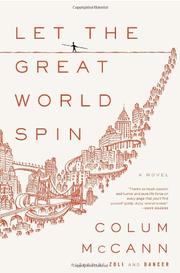
Let the Great World Spin
A wire walker crosses the towers as Bronx lives collide below.
2,338-word summary · 10 min read
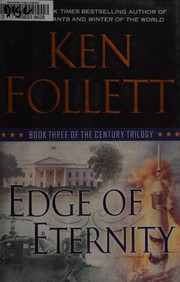
Edge of Eternity
Five families cross civil rights, Cold War and Berlin Wall to the eighties.
2,489-word summary · 11 min read
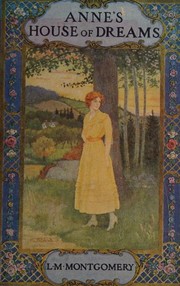
Anne's House of Dreams
Newlyweds Anne and Gilbert start in a seaside house with kind neighbors.
2,465-word summary · 11 min read
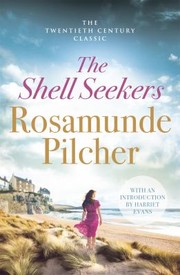
The Shell Seekers
Elderly Penelope Keeling must decide the fate of her father's treasured painting while her three children press her to sell.
2,592-word summary · 12 min read
Moloka'i
Seven-year-old Rachel Kalama is sent to Kalaupapa leprosy settlement in Hawaii, growing into a full life of love and loss.
2,190-word summary · 10 min read
House of Sand and Fog
A foreclosed California house pits recovering addict Kathy against Iranian immigrant Behrani, with a deputy whose obsession turns fatal.
2,008-word summary · 9 min read
Winter of the World
Five families from Berlin to Moscow live through the Nazis, World War II, and the atomic age in Follett's second Century volume.
2,402-word summary · 11 min read
Roots: The Saga of an American Family
Kunta Kinte's Gambian capture begins seven generations to Haley himself across slavery and freedom.
2,082-word summary · 9 min read

Snow Falling on Cedars
A Japanese American fisherman stands trial for murder on a snowy island, while a reporter faces lost love and wartime prejudice.
2,224-word summary · 10 min read
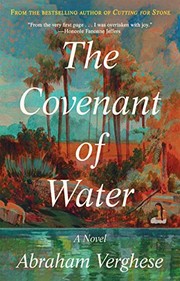
The Covenant of Water
Three generations of a Kerala family face a drowning affliction from 1900 to 1977, from child bride Big Ammachi to physician Mariamma who seeks its cause.
2,955-word summary · 13 min read
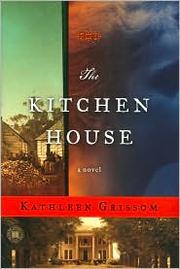
The Kitchen House
Irish orphan Lavinia is raised by enslaved cooks in the kitchen house, then torn between that family and the big house.
3,382-word summary · 15 min read
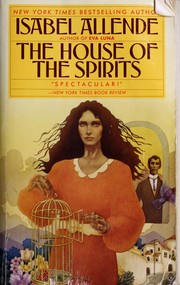
The House of the Spirits
Three generations of the Trueba family face love, ghosts and a coup, from Rosa's strange death to Alba's prison cell.
2,867-word summary · 13 min read
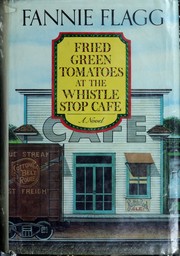
Fried Green Tomatoes at the Whistle Stop Cafe
Evelyn meets Ninny in a nursing home and hears the story of Idgie and Ruth and their Alabama cafe.
2,825-word summary · 13 min read
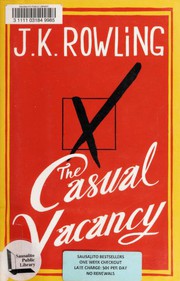
The Casual Vacancy
Barry Fairbrother dies and leaves a Pagford council seat open, sparking an election, a class war over the Fields, and trouble for local teenagers.
2,571-word summary · 11 min read

Still Alice
Harvard professor Alice Howland faces early onset Alzheimer's and her family must adapt as memory fades.
2,477-word summary · 11 min read