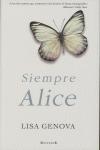
Still Alice
2,477-word summary 11 min read 342 pages in the book
- First published
- 2007
- Publisher
- Pocket Books
- Pages
- 342
- ISBN
- 9781439102817
Reading options
What's inside (9 sections)
I picked up Still Alice because a friend whose mother lived with dementia said it was the only novel that got the daily texture right. I expected a sad issue book I would respect more than like. What I found was plainer and harder to shake. Lisa Genova, who holds a doctorate in neuroscience from Harvard, first self published the novel in 2007 before Pocket Books picked it up. It follows Alice Howland, fifty, a cognitive psychology professor at Harvard who receives a diagnosis of early onset Alzheimer disease. I read it in short sittings, because some scenes made me set it down and stare out the window.
Alice starts at the top of her field. She lectures on language and memory to packed rooms, runs most mornings, flies to conferences without notes. Her husband John is also a Harvard professor, a cancer researcher with his own lab and grants. They have three grown children. Anna is in her late twenties, a lawyer, married to Charlie and thinking about children. Tom is in medical school. Lydia, twenty two, lives in Los Angeles, waits tables and studies acting, which both parents treat as a phase. Alice loves her family, but much of her identity sits in her mind, in finding the exact word in seminar and holding the room.
The first slips are easy to explain. In a lecture Alice loses a simple word and has to talk around it while students wait. She blames poor sleep and travel. Then on a jog through Harvard Square, a route she has run for years, she suddenly does not know where she is. She stands on a familiar corner and feels panic because nothing connects. Later she ruins a holiday pudding she has made many times and must reread one line over and over. She forgets meetings. John calls it stress. Alice, who teaches memory for a living, knows stress does not explain getting lost a block from home.
Losing Words at Harvard
What makes the opening work is how normal Alice looks from outside while thinking frays inside. She still grades papers and flies to Chicago. But Genova stays close to her view, so we feel the gap between knowing and saying. Alice reaches for a familiar term and finds a blank. She smiles through class, then sits alone in her office trying to pull the word back, scared in a way she does not yet tell John.
She starts losing objects and steps. Glasses turn up in strange places. She asks a student the same question twice. At dinner she loses a story halfway and covers with a joke. I liked that Genova does not make her a saint before illness. She can be sharp with Lydia about college, brisk with Anna about career timing, proud of being the smartest person in most rooms. That pride makes it harder to admit something is wrong, and it makes her decision to see a neurologist feel earned.
Running, once her proof of strength at fifty, turns unreliable. Campus feels larger. She relies on landmarks she once ignored and carries her phone as a tether. When she tells John she wants testing, he agrees fast, almost relieved she said it first. Both assume labs will clear her and life will return to arguments about holidays and Lydia plans.
The Diagnosis and the Gene
The workup will feel familiar to anyone who has sat with a parent through it. Word lists, drawing tasks, blood work, imaging to rule out tumor or stroke. Alice does well on some parts because education and test savvy mask early loss. Still the pattern points one way. The neurologist tells her she has early onset Alzheimer disease, likely familial, and refers her for genetic testing. She is fifty. There is no cure, only drugs that may blunt symptoms for a time in some people.
She learns she carries a presenilin mutation, with each child having a fifty percent chance of inheriting it. John asks practical questions about trials while Alice hears little after the word inherited. At home they tell Anna, Tom and Lydia together. No one says the perfect thing. Anna cries and moves to planning. Tom goes quiet. Lydia is angry that her mother waited. The scene lands because it is awkward and loving at once.
The diagnosis changes how Alice hears her own lectures. Plaques and hippocampal loss were once slides. Now they live in her body. She tries medication, gets stomach trouble, wonders if it helps. She applies for a trial and is turned down, which stings more than expected. It is one thing to teach exclusion criteria. It is another to fail them. She keeps making lists, as if discipline can hold back a disease that does not answer to effort.
A fair criticism even here is tone. The doctor explains a lot in neat paragraphs, and John explains trial design the same way. Genova knows this science well and sometimes lets people speak like textbooks. It gives authority but cools scenes that should feel messy. I noticed it twice and forgave it because the family moments around it felt true.
John, Anna and Tom
John is easy to dislike at first and harder to judge later, which felt honest. He loves Alice, but his love grew around two busy careers side by side. He comforts her, then buries himself in work where he feels useful. When Alice needs repeated directions or help with travel, he gets short. Not cruel, just impatient in the tired partner way. Talk of a sabbatical and later a job that would move them sounds to Alice like a wish for a life where illness takes less space.
Anna reacts by trying to manage risk. She and Charlie were discussing children. If Anna carries the mutation, a child could inherit it. Anna chooses testing and learns she is positive. She does not hide from Alice. She pursues pregnancy with screening to avoid passing the gene on, making calls, crying in the car, then bringing food and lists to her mother. Anna and Alice were often tense, with Alice pushing ambition and Anna pushing back. Illness softens the contest without erasing it.
Tom also gets tested. His result is negative, relief mixed with guilt. He struggles to meet Alice eyes when he tells her. In medical school and drained by hospitals, he calls less, not from lack of care but from lack of reserve. Once he explains something to Alice slowly, as if to a patient, and she snaps. Both apologize badly. I recognized that dance, where medical knowledge blocks plain comfort.
Labor splits without discussion. Anna handles paperwork. Tom translates medical terms. Neither lives close enough for daily help. That falls on John, no natural caregiver, and later on paid help. Genova is clear that love does not solve logistics. Someone must drive, stay home, answer the same question kindly for the tenth time in an hour. The book is strong on that fatigue and does not shame anyone for feeling it.
Lydia and the Butterfly
Lydia changes the most, and her thread moved me most. At the start she is the family worry. She left college, moved to Los Angeles, studies acting. Alice mails articles about degree programs. Lydia does not read them. Calls are short. Lydia refuses genetic testing, preferring to live without that shadow, which Alice reads as careless and John reads as immature.
As Alice declines, Lydia listens best, perhaps because acting trained her to watch faces and pauses. She visits more and sits without rushing to fix talk. When Alice hunts for a word, Lydia waits instead of supplying it fast like John and Anna. Slowly Alice sees her clearly, not as a failed academic but as a young woman learning a craft. Watching Lydia rehearse, Alice is startled by the control it takes to cry on cue and still hit marks.
The butterfly image grows here. Alice is invited to speak at a dementia conference. With Lydia help and morning notes to herself, she writes a short talk where she describes feeling like a butterfly that has lost its way, still present and worthy even when it cannot find the old path. She asks listeners not to write off people who are still there. She loses her place, finds it, finishes to applause that surprises her. Lydia cries in back. For Alice, who measured worth in recall and publications, letting her youngest help write those pages is apology and acceptance at once.
Later Lydia reads aloud to her, including a play with a butterfly monologue that echoes that speech. By then Alice often cannot track plot but answers to tone and to Lydia voice. Near the end, when Lydia asks if the words meant something, Alice gives a brief, clear sign of recognition. Genova leaves it open whether this is a true window or tired family hope. I was glad there was no miracle, only attention and love.
If this thread has a soft spot, Lydia turns patient a little fast. The prickly twenty two year old becomes almost steadily gentle. It moves, but money and distance strains from early pages fade too smoothly. I wanted one more angry visit where she both fought and stayed, which would have felt more human.
The Blackberry and the Plan
The Blackberry carries much of the middle. At first it is just a phone. Then it becomes Alice memory. She sets alarms for pills, meetings, and morning questions she asks herself, what month it is, how many children she has, where she lives. John helps set reminders. Anna checks them. For a while the system holds and Alice feels almost herself, a professor running a project.
Then it fails in plain, scary ways. She cannot recall how to open the app. She finds the phone in odd spots and cannot place the ringing alarm she set. She writes passwords down and loses the paper. She repeats answers she just read on screen. Genova lets Alice stare at a familiar menu as if in another language, then pretend she checked. Pride outlasts skill, and that gap is where risk lives.
While still clear, Alice makes a private end of life plan. She writes a letter telling her future self where she hid sleeping pills, to take them once she can no longer answer her morning questions, in order to spare long decline and nursing care. She tells no one. She frames it as control and mercy. The book treats it gravely, not as suspense. She rehearses steps, then forgets pieces, which proves the flaw. A plan that needs perfect memory cannot survive the disease it fears.
One afternoon after more losses and a medication mix up, she tries to follow the letter. The order goes wrong because she cannot keep steps straight, and Lydia arrives before fatal harm. Genova writes this without graphic detail and without slow motion heroics. It is confused and quiet. After, Alice does not remember trying, leaving John and Anna to decide what to remove and how closely to watch. I thought this was handled with care. It shows why such plans often fail in real life and moves the issue from choice to safety. They accept she can no longer be left alone with that access.
The phone thread ends as many aids do. It still rings, but Alice no longer trusts it. Someone else must hold the schedule. That handoff, more than any test score, marks the shift from coping to needing daily care.
Needing Care and What Remains
The last third concerns care and is hard if you have lived it. John, who once promised home care no matter what, cannot do daily tasks and keep his lab and health. He hires daytime help, then more hours. He argues with Anna about home aides versus a nursing facility. Alice senses strain and tries to be easy, which makes it sadder. She follows John room to room, asks when she can go home while in her living room, needs prompts to dress and bathe.
He later takes work that keeps him away weekdays, leaving Alice with paid caregivers and family visits. I judged him at first. On reflection Genova gives him shape. He calls, visits, cries after hanging up, yet feels relief at work where problems have answers. He is not made for slow repetition, and shame follows that admission. The book neither excuses nor flattens him. Promises meet limits, and limits hold.
Nursing here is mostly home nursing and day programs. Aides learn habits, a walk after lunch, music when words fail. Anna brings the baby and lets Alice hold the child with someone close. Tom visits and hides fear behind clinical talk. Lydia sits on the floor and narrates her day even when Alice cannot answer in sentences. Days blur on purpose. Progress runs one way. Small comforts outweigh milestones.
At the close Alice speaks little and drifts often, still answering to touch and familiar voices. When Lydia performs the butterfly lines and asks if she understands, Alice answers with one clear word. Not a return, only a flicker. Genova does not cure or moralize. John stays torn. Anna keeps trying to get everything right. Tom learns to stay. Lydia keeps showing up. Alice is still Alice, even as much of what signaled herself to others has thinned.
What Works and What Feels Clinical
What works is closeness. Told from inside Alice, decline feels lived rather than listed. A lost word in lecture, a lost route on a run, failed morning questions on the Blackberry, these add to a life, not a case file. The family feels specific. Anna planning, Tom distance, Lydia patience, John work centered love, each rings true even when I disagreed with choices. The butterfly speech lands because Genova saves it for late, after many small losses.
What feels clinical is the other side of expertise. Some talks read like lessons, test scenes like checklists, and colleagues and aides can feel thin, kind or curt as needed. The middle sags as bad days repeat, true to illness but slow on the page. A few helps arrive neatly, a phone found in time, the right words from a caregiver, which softens hard edges.
Even so, I closed the book more careful with people than when I opened it. It made me notice how fast I correct someone hunting for a word, how I mix competence with worth. If you want a fast mystery or grand romance, look elsewhere. If you want a sensitive walk through early diagnosis, gene choices, daily tools like the Blackberry, a private plan that fails, and the long move toward nursing care, without sensational scenes, Still Alice does that work with respect. It left me sad and more patient, which feels like the right response.
FAQ
When was Still Alice published?
Lisa Genova first self published Still Alice in 2007, and Pocket Books later reissued it. The edition cited here is dated 2007 with 342 pages.
Is Still Alice based on a true story?
No. It is fiction written by Genova, who holds a doctorate in neuroscience. Alice Howland and her family were created to show early onset Alzheimer disease from inside.
What genetic risk does the book describe?
Alice carries a presenilin mutation linked to early onset familial Alzheimer disease. In the story each child has a fifty percent risk, Anna tests positive, Tom tests negative, and Lydia declines testing.
Similar books
More like Still Alice →
Nineteen Minutes
Sterling High student Peter Haddon commits a school shooting and lawyer Jordan McAfee defends him while Josie Cormier hides truth.
2,267-word summary · 10 min read

The Casual Vacancy
Barry Fairbrother dies and leaves a Pagford council seat open, sparking an election, a class war over the Fields, and trouble for local teenagers.
2,571-word summary · 11 min read

And the Mountains Echoed
When Abdullah and Pari are split in 1952 Afghanistan, their parting echoes across decades from Kabul to Paris to California in linked stories of loss and…
2,572-word summary · 11 min read

The Light Between Oceans
Lighthouse keeper Tom Sherbourne and Isabel raise a boat baby on Janus Rock and face her true mother on shore.
2,818-word summary · 13 min read

The Memory Keeper's Daughter
On a snowy night a doctor gives away his newborn daughter and tells his wife she died.
2,154-word summary · 10 min read

Dear John
A soldier and a student trade letters through war until duty and waiting pull them apart.
2,138-word summary · 10 min read