
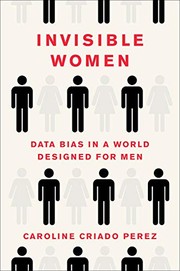
Invisible Women: Data Bias in a World Designed for Men
2,316-word summary 10 min read 272 pages in the book
- First published
- 2019
- Publisher
- Abrams Press
- Pages
- 272
- ISBN
- 9781419729072
Reading options
What's inside (8 sections)
I read Invisible Women with a pencil and filled margins with exclamation marks before I learned to just nod grimly. Caroline Criado Pérez's 2019 expose argues that data treating men as default harms women everywhere, from pianos to snow clearing to heart attacks. At 272 pages in the US Abrams edition, it is dense with studies but written with wit that keeps fury readable. It changed how I see crosswalks, thermostats, and drug doses.
Male default everywhere
The core idea is simple and devastating. Most data assumes male bodies and male lives as norm, then designs for all based on that sample. Crash test dummies sized to average American men, so women die more in same crashes. Office thermostats set for male metabolic rates, so women freeze. Phones sized for male hands, so women drop or strain. Voice software trained on male voices, so it fails women. Pianos with keys too wide for smaller hands, causing injury. Even snow clearing in Sweden prioritized car commuter routes used by men over sidewalks and bus stops used by women, until a feminist audit reversed order and hospital falls dropped. Each example alone annoys. Together they indict.
Perez, British journalist and activist who got Jane Austen on banknotes, writes with energy that never turns academic despite hundreds of citations from the US, UK, and world. She tours home, workplace, public square, doctor's office, and disaster response with chapters that mix stats and stories. A woman who missed a promotion because she could not stay late without childcare. A girl who walks miles for water because wells were placed for trucks not carriers. A researcher told to include women would complicate results, as if complication excuses ignorance. The accumulation is the argument. Bias is baked, not incidental.
What hooked me is how she connects small design to large cost in time, money, and lives. Women do more unpaid care worldwide, then are punished at work for part time needs that care creates. Transit systems built for nine to five commutes fail trip chaining mothers who drop kids, shop, and visit elders in loops. Tax systems reward breadwinner models. Disaster shelters ignore lactation and safety, leading to assaults after hurricanes. None of these are accidents. They follow from counting paid work as work and male travel as travel. Change what counts and design changes. That is hopeful inside bleak.
A fair note is UK centrism that US readers will notice. NHS examples, British transport studies, EU regulations. Perez nods to Global South with water and cooking fuel chapters, but depth is thinner there. Still, patterns transfer. Male default travels well across borders because patriarchy does. Readers elsewhere can map local equivalents while noting gaps. The book invites that work rather than claiming universal coverage.
Work, care, and transit
Work chapters hit hardest for anyone who has balanced job and family. Women do 75 percent of unpaid care globally, then are called uncommitted when they need flexible hours. Part time work pays less per hour and offers no promotion track in most countries. Paternity leave, where it exists, is short and stigmatized, pushing care back to mothers. Perez cites studies where resumes with motherhood signals get fewer callbacks while fatherhood boosts men. The motherhood penalty versus fatherhood bonus explains pay gaps more than choices rhetoric admits. Choice under constraint is not free choice, she insists, and data that ignores constraints lies.
Transit examples delighted me as a walker. Cities plan for peak commuter men driving to centers, neglecting off peak women walking with strollers and bags. Snow clearing in Karlskoga that switched to sidewalks first cut pedestrian injuries and costs. Bus routes that require transfers punish trip chaining. Safety audits that count well lit main roads miss dark paths to clinics. Perez praises cities like Vienna that gender mainstream budgets, adding lights, benches, and wider sidewalks after auditing who moves how. Those fixes help men too. Elderly men with canes, fathers with prams, anyone carrying. Design for edge cases improves center, a universal design lesson the book repeats without preaching.
Toilets get a whole section that made me laugh then fume. Equal floor space gives men more fixtures because urinals pack tighter, leading to queues that make women late. Office buildings, stadiums, schools all repeat the math error. Potty parity laws that require two to one female fixtures fix it cheaply. Perez notes schools where girls skip water to avoid missing class in lines, harming kidneys. Small bladder politics as human rights issue sounds absurd until you have missed a train because line would not move. I have. Many have. Fixing requires counting bodies correctly, not equally badly.
Care counting closes the loop. GDP ignores unpaid care, so policies optimize paid output while burning out carers. Perez advocates time use surveys, care credits in pensions, and flexible defaults where men must opt out of leave rather than opt in. Countries that tried see fathers caregiving more without career ruin. The point is not to make women work like men, but to make work fit lives that include care for all genders. That reframe helped me more than any productivity hack. Stop optimizing a broken measure. Measure care and design around it.
Medicine that misses women
Medical chapters scared me most because stakes are bodies. Women excluded from trials for decades over fears about hormones and pregnancy, then dosed by male data. Heart attacks present differently in women, nausea and fatigue rather than chest clutch, and are missed as anxiety. Stroke signs missed. Pain dismissed as emotional. Drugs from Ambien to aspirin dosed wrong, causing overdoses or failures. Perez cites studies where eight of ten withdrawn drugs harmed women more, a direct result of testing on men. The 1993 US mandate to include women helped, but loopholes and animal studies on male mice persist. Even cell lines are male by default in labs that never question.
Pregnancy data gaps compound harm. Thalidomide fears led to excluding pregnant people from almost all trials, leaving doctors to guess doses for conditions from depression to epilepsy. COVID vaccines, developed fast, initially lacked pregnancy data though Perez wrote before pandemic and later editions note the pattern repeating. Crash dummies, the book's most famous example, still lack standard female models in many countries despite decades of evidence. A pregnant dummy exists but is rarely required. Perez follows activists who staged die ins with fake blood to demand parity. Images stick. Policy moves slowly, but moves when shamed with bodies that count.
The book does not argue men have it easy in medicine. Male suicide, occupational injury, and underdiagnosed eating disorders get nods. The argument is default harms all when it ignores difference. Men with smaller frames also suffer from male sized doses. Trans people vanish entirely from binary data. Perez calls for sex disaggregated data as floor, not ceiling, with gender, race, and disability layered after. Intersectionality appears in chapters on Black maternal mortality in the US and UK, where racism plus sexism kills. Those pages, built on Serena Williams's near death story and UK MBRRACE reports, are essential and enraging. Default is not just male. It is white male, straight, able bodied. Others fade further from count.
Read the medical section with a notebook for appointments. Ask about doses tested on women. Describe heart symptoms fully though rushed. Demand pain be charted. These tips will not fix systems, but they help navigate broken ones while pushing for better. Perez ends not with despair but with methods. Count, disaggregate, design with edge users in room. It sounds dull. It saves lives more surely than pink ribbon campaigns that ignore data. That is the book's cold comfort. Change is boring administrative work that matters enormously. Fund it.
What to do with numbers
The final chapters turn from harm to method in ways organizers will use. Collect sex disaggregated data by default in research, cities, and companies. Audit algorithms trained on male histories before deploying in hiring and lending. Fund childcare as infrastructure like roads. Mandate paternity leave that men actually take by making it use or lose. These fixes cost less than bias does in injuries, lawsuits, and lost talent. Perez prices snow falls, missed diagnoses, and turnover to prove thrift as well as justice favors counting women. Conservatives who flinch at feminism may listen to budgets. Use both arguments. Win twice.
Criticism is fair on tone and scope. Perez is angry and funny, sometimes sarcastic about men who will feel attacked though data indicts systems more than individuals. A few studies cited are small or dated, a risk in fast moving fields. The book focuses on cis women with limited trans analysis beyond noting erasure, a gap later editions promise to address but have not fully. Still, as primer on gender data gaps for general readers, it has no equal for clarity and range. Keep it near Invisible Man? No, near Factfulness for data literacy with moral spine.
Read it if you design anything, manage anyone, take medicine, ride transit, or love someone who does. Which is everyone. Pair with Algorithms of Oppression for race and tech, or with Criado Perez's own journalism for updates on COVID gaps she warned about before they widened. At 272 pages it moves fast for nonfiction, with jokes about pianos and toilets that stick in meetings where you can ask who was counted. Ask that once a day and design improves. Invisibility ends when counting starts. Start counting.
Disasters, violence, and who counts
Disaster chapters show male default turning deadly when crisis hits. Shelters after hurricanes without lactation spaces, lighting, or locks where women are assaulted while seeking aid. Evacuation plans that assume car ownership men hold more often, leaving women with children and elders stranded. Relief food that requires queuing in crowds where pregnant people faint. Perez cites Haiti, Katrina, and tsunami responses where gender blind logistics increased harm. Solutions are boring and lifesaving. Female shelter managers, separate washrooms with lights, cash transfers to mothers rather than household heads defined as male. Agencies that adopted these after audits cut assaults and improved distribution. Counting women in planning is not identity politics. It is logistics that works.
Violence data gaps hide femicide behind family quarrel labels in police stats that undercount. Transport surveys that ignore harassment miss why women avoid night buses and lose jobs. Medical examiners who classify dowry deaths as kitchen accidents erase motive. Perez argues what is not counted is not addressed, allowing states to claim progress while women die off ledger. Her fix is disaggregate by sex and publish, forcing light. Journalists can then track. Activists can sue. Politicians can be asked why numbers differ. Data as flashlight rather than verdict is the book's method. Shine, then demand wiring be redone. Readers who work in local government will find templates here for audits that cost little and reveal much. Start with toilets and snow, then move to budgets and bodies.
Everyday objects close the loop with humor that sticks in design meetings. Pianos with octave spans too wide for most women, causing injury to girls who practice more. Smartphones too big for one handed use while holding rails or babies. Voice assistants that fail higher voices. Office air set for suited men in a study from the sixties that still governs. Perez does not demand pink tools. She demands adjustable defaults and testing on varied bodies before ship. Companies that listened, like those that added smaller grips after complaints, gained customers without losing men. Inclusion as market expansion, not charity, is the pitch that wins rooms where justice talk fails. Use both pitches. Win twice, as with climate. Count right and profit follows care.
Work hours, pensions, and care credits
Work hours built around male breadwinners with wives home punish anyone with care duties regardless of gender, but women most. Long hours culture rewards face time over output, penalizing part timers who are mostly mothers. Perez cites studies where managers rate part time professionals as less committed though output per hour matches. Promotions require relocations families cannot make when schools and elders anchor. The fix is not flexible stigma but default flexibility with core hours for all and promotion tracks that count part years proportionally. Companies that tried report retention up and sick days down. Men use flexibility more when it is normal rather than special request that marks them as unambitious. Normalize to degender.
Pensions punish care gaps with poverty in old age that is overwhelmingly female. Years out for children or parents count as zero though unpaid work enables paid work for others. Perez advocates care credits where states contribute to pensions for caregiving years, as some European systems do modestly. Divorce settlements that split pensions help but arrive late after earning gaps compound. Better to count care in real time through allowances and credits that keep women attached to systems. Critics call it unaffordable. Perez prices elder falls, child poor outcomes, and turnover from burnout to show carelessness costs more. Pay now in credits or later in hospitals and hiring. Math favors care when horizons extend beyond quarterly reports.
Unions and strikes get welcome attention as tools that once won weekends and can win care. Icelandic women's day off that crashed economy to prove value. Swedish parental leave use or lose for fathers that shifted norms in a generation. Perez interviews organizers who frame care as infrastructure like roads, deserving public funds because all use it though few maintain. That framing moves debates from family choices to public goods. Roads are not left to families to build alone. Neither should nurseries be. Readers who organize workplaces will find scripts here for bargaining that include toilets, lights, and shift swaps alongside wages. Small wins build toward counting that changes budgets. Start with a bench at a bus stop used by night cleaners. Win it and point to falls prevented. Repeat.
FAQ
When was Invisible Women published?
Chatto and Windus published the UK original in 2019. Abrams Press issued the US hardcover on March 12, 2019 with 272 pages.
Is it part of a series?
No. It is a standalone nonfiction expose of gender data gaps across home, work, and public life.
What are examples?
Crash test dummies sized male, heart symptoms studied male, snow clearing for drivers not walkers, phones sized male.
Similar books

Infidel
Ayaan Hirsi Ali's memoir of a Somali childhood, a forced marriage, a Dutch asylum claim, and the political fight that followed the murder of Theo van Gogh.
2,041-word summary · 9 min read

Why I'm No Longer Talking to White People About Race
Reni Eddo-Lodge traces black British history and shows how institutions, culture, and everyday assumptions keep producing racial inequality.
2,071-word summary · 9 min read
White Fragility: Why It's So Hard for White People to Talk About Racism
DiAngelo's 2018 bestseller on why cross-racial talk about racism stalls, and what white readers can practice instead.
2,904-word summary · 13 min read

We Should All Be Feminists
Adichie turns her 2012 TEDx talk into a short sharp essay on gender, using stories from Lagos and America to argue equality helps everyone.
2,625-word summary · 12 min read
Nudge: Improving Decisions About Health, Wealth, and Happiness
Thaler and Sunstein show how defaults, framing, and social cues steer choices, and argue for choice architecture with an opt-out.
3,146-word summary · 14 min read

Long Walk to Freedom
Mandela's account of a Thembu childhood, a law practice, a banned movement, twenty-seven years in prison, and the negotiation that ended apartheid.
2,454-word summary · 11 min read
Nothing to Envy
Barbara Demick follows six defectors from Chongjin through the North Korean famine, showing how ordinary people lived, believed, and finally left.
2,068-word summary · 9 min read

In Order to Live: A North Korean Girl's Journey to Freedom
A young North Korean girl crosses the Yalu, survives trafficking in China, and rebuilds her life in Seoul in this unsparing memoir.
2,027-word summary · 9 min read

Too Much and Never Enough: How My Family Created the World's Most Dangerous Man
Mary L. Trump's 2020 memoir traces how a cold, zero-sum Queens household shaped her uncle, and uses family tax documents to challenge his self-made story.
2,059-word summary · 9 min read

Moonwalking with Einstein: The Art and Science of Remembering Everything
A journalist spends a year training for the U.S. Memory Championship and discovers that extraordinary memory is mostly technique, attention, and a lot of…
2,027-word summary · 9 min read

Down and Out in Paris and London
Orwell's account of washing dishes in Paris hotels and tramping through London does not ask for pity, only for a clear look at how poverty actually works.
2,282-word summary · 10 min read

The Girl with Seven Names: A North Korean Defector's Story
Hyeonseo Lee crossed the frozen Yalu River at seventeen, spent years hidden in China, escaped to South Korea, and later returned to rescue her family.
2,404-word summary · 11 min read
Made to Stick: Why Some Ideas Survive and Others Die
The Heath brothers break down why some ideas vanish on contact while others lodge in memory, tracing six traits that make a message stick.
2,527-word summary · 11 min read

Cultish: The Language of Fanaticism
Amanda Montell argues that the real machinery of a cult is its vocabulary, and she traces how loaded language from 1960s communes to modern wellness brands and…
2,087-word summary · 9 min read
Breath: The New Science of a Lost Art
Journalist James Nestor investigates how modern humans learned to breathe badly, and what researchers, athletes, and breathwork practitioners have found about…
2,011-word summary · 9 min read

Dear Girls: Intimate Tales, Untold Secrets & Advice for Living Your Best Life
Ali Wong's debut collects fourteen letters to her daughters, covering sex, money, work, marriage, Vietnam, and being a working Asian American mother.
2,266-word summary · 10 min read

America (The Book): A Citizen's Guide to Democracy Inaction
Jon Stewart and the Daily Show writers turn a high school civics textbook inside out, with a foreword from beyond the grave.
2,511-word summary · 11 min read

The Elegant Universe: Superstrings, Hidden Dimensions, and the Quest for the Ultimate Theory
Brian Greene explains relativity, quantum mechanics, and the promise of string theory without requiring a physics degree.
2,110-word summary · 9 min read
Red Notice
An American financier in Moscow exposes a $230 million tax fraud, watches his lawyer die in prison, and turns the case into an international human rights law.
2,008-word summary · 9 min read

Prisoners of Geography: Ten Maps That Tell You Everything You Need to Know About Global Politics
Tim Marshall explains how mountains, rivers, coasts, and resources shape the choices of nations, from Russia's flat borders to the chokepoints of the South…
2,328-word summary · 10 min read
Catch and Kill: Lies, Spies, and a Conspiracy to Protect Predators
Ronan Farrow recounts how NBC killed his Harvey Weinstein reporting, then how The New Yorker published it and helped ignite #MeToo.
2,057-word summary · 9 min read

Attached
A psychiatrist and a psychologist explain adult attachment styles and show how anxious, avoidant, and secure patterns shape dating, conflict, and the search…
2,157-word summary · 10 min read

All About Love: New Visions
bell hooks borrows a definition of love as an action rather than a feeling, then spends thirteen chapters showing how hard it is to practice.
2,385-word summary · 11 min read

The World Is Flat: A Brief History of the Twenty-first Century
Thomas L. Friedman's 2005 bestseller argues that technology, trade, and open borders leveled the global playing field, and it names the ten forces that did it.
2,369-word summary · 11 min read
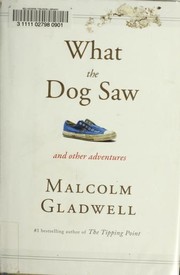
What the Dog Saw and Other Adventures
Nineteen New Yorker essays on pitchmen, ketchup, Enron, profiling, late bloomers and the limits of prediction, arranged in three parts.
2,049-word summary · 9 min read
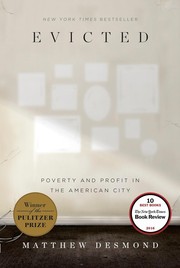
Evicted: Poverty and Profit in the American City
Desmond follows eight Milwaukee families and two landlords through a year of evictions, showing how losing a home causes poverty rather than just reflecting it.
2,032-word summary · 9 min read
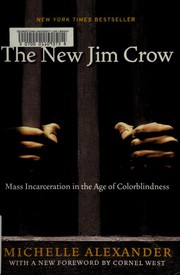
The New Jim Crow: Mass Incarceration in the Age of Colorblindness
How mass incarceration became a racial caste system after civil rights.
2,413-word summary · 11 min read

The Emperor of All Maladies
A biography of cancer from Galen to chemo through one doctor cases.
2,255-word summary · 10 min read

How to Be a Woman
Moran mixes girlhood and work stories into plain feminist advice.
2,600-word summary · 12 min read
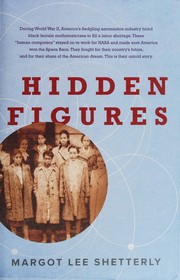
Hidden Figures
Black women computers at Langley launch rockets past Jim Crow.
2,385-word summary · 11 min read