
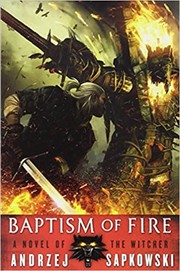
Baptism of Fire
2,076-word summary 9 min read 400 pages in the book
- First published
- 1996
- Publisher
- Orbit
- Pages
- 400
- ISBN
- 9780316219181
- Original title
- Chrzest ognia
- Series
- The Witcher (#5)
Reading options
What's inside (7 sections)
I came to Baptism of Fire tired of chosen one quests and found instead a road book about hurt people arguing toward a child they may not save. Andrzej Sapkowski first published it in Polish in 1996 as Chrzest ognia with superNOWA, English in 2014. The Orbit English paperback runs 400 pages with ISBN 9780316219181. In this project reading order it is The Witcher book five, after The Time of Contempt, before The Tower of the Swallow. It is the third novel of the saga proper, after Blood of Elves. You need book four first. This one starts with Geralt broken and ends with him walking anyway.
When we left, the Thanedd coup shattered the Brotherhood. Vilgefortz broke Geralt leg and humiliated him. Yennefer vanished through a portal after trying to save Ciri. Ciri fled through Tor Lara into the Korath desert, survived with unicorn Ihuarraquax, and joined the outlaw Rats under the name Falka. War between Nilfgaard and the North burns openly now. Everyone wants Ciri, the Child of Prophecy, for blood, marriage, or sacrifice.
Baptism opens with Geralt healing slowly in Brokilon forest under dryad care. His leg mends crooked. His throat still hurts from Vilgefortz hands. Dandelion, his bard friend, stays and nags him to rest. Geralt cannot rest. He dreams of Ciri calling. He leaves too soon, limping, with Dandelion, to find her. He has no money, no horse fit for war, no plan beyond walking toward where he thinks she went.
The company gathers
What makes this book beloved is the company that forms around Geralt limp. First Milva, Maria Barring, a peerless archer and guide who knows forests and armies. She is sharp tongued, pregnant by an elf she will not name, angry at the world for making her choose between child and bow. She joins because she owes Geralt nothing and likes Dandelion songs, which is reason enough when war burns villages.
Then Cahir, a Nilfgaardian knight with a winged helm, who chased Ciri before and failed her. He claims he wants to save her to clear honor. Geralt hates him on sight. Dandelion hates him on principle. Milva hates him because he is Nilfgaardian. Cahir keeps riding behind them anyway, taking night watches no one asks him to take. His shame is real. Whether it earns trust is the slow question of the book.
Then Regis, Emiel Regis Rohellec Terzieff Godefroy, a barber surgeon met in a hut, who turns out to be a higher vampire. Not the bat kind. The kind who does not drink blood unless he chooses, who has lived centuries, who knows herbs, philosophy, and how to sew a leg that should not walk. Regis joins with wine and calm. He has seen wars before. He knows they eat the young first. He likes Geralt because Geralt treats monsters as people until they prove otherwise.
Dandelion holds them together with songs, jokes, and cowardice that turns brave at odd times. He is not a fighter. He carries lute, paper, and fear. He also carries news, which in war is weapon. He tells Geralt what bards hear, which armies moved, which bridges burned, which prophets shout about White Frost. The group argues constantly about routes, about whether Ciri is even alive, about whether Geralt quest is rescue or suicide. They keep walking together anyway. That stubborn togetherness is the heart.
Sapkowski writes travel without glamour. Mud, rain, bad food, sore feet. They sleep in barns, in ditches, in a field hospital where Regis works through the night while others hold lanterns. They meet refugees, deserters, burned farmers who do not care about prophecy, only about bread. Geralt, who once stayed neutral, finds neutrality impossible when soldiers take food from children in front of him. He intervenes and pays with pain. Milva covers him with arrows. Cahir takes a wound meant for Dandelion. Regis sews them all and pours wine.
Ciri with the Rats
Ciri chapters run parallel and colder. With the Rats, a gang of teen outlaws, she is Falka, knife fighter, rider, thief. They rob tax collectors, free horses, kiss and fight among themselves. Ciri, who was a princess, then a witcher trainee, then a lost child, becomes someone harder. She kills when she must and feels sick after. She loves a girl named Mistle with fierce teen intensity that is tender and doomed. The Rats give her family, but a family built on theft and revenge.
Sapkowski does not romanticize them. The Rats are brave and cruel. They mock peasants they rob. They kill without trial. Kayleigh, Giselher, Reef, Asse, Iskra, Mistle, each gets a sketch, young, angry, alive. Ciri fits because she is angry too. She practices sword forms in secret. She dreams of Geralt and Yennefer and wakes scrubbing. Her famous moment, killing a bounty hunter who calls her Falka to mock her, is thrilling and awful. She chooses the name her captors gave her to spit back at them. It costs her.
Her magic stays wild. She cannot control it. She fears it after desert visions. Ihuarraquax the unicorn saved her and left. She misses that clean presence among dirty humans. When the Rats press her to use power for raids, she refuses until refusal risks them all. The book leaves her alive but stained, which is honest for a child soldier arc. Readers who want Ciri pure will ache. That ache is intended.
Yennefer gets fewer pages but key ones. Captured and used by Lodge schemes, she bargains with information while searching for Ciri through magic. She appears in dreams, in scrying, in stories others tell. Geralt thinks of her with guilt and love tangled. He failed her at Thanedd by being weak. She failed him by vanishing. Their reunion is not in this book, which frustrates and fits. War delays letters, let alone lovers.
War as weather
Sapkowski uses war councils, songs, and peasant talk to show invasion better than battles. Nilfgaard advances like weather, slow, heavy, with supply wagons and bankers behind. Northern kings argue while cities burn. A field hospital chapter, where Regis operates and Milva carries stretchers and Geralt holds a boy down for amputation, is the moral center. No monsters. Just men cut by men. Dandelion writes a ballad and tears it up because it sounds pretty and war is not.
Prophecy talk swirls. Elves, sorceresses of the Lodge, priests, all claim Ciri means something, White Frost, Hen Ichaer blood, a son who will rule. Geralt rejects it. She is his child by destiny, not a tool. That refusal puts him against powerful women who think they know best, including Yennefer allies. Sapkowski lets both sides have points. The world is ending. Using one girl to save many tempts even good people. Geralt says no anyway, limping toward her with a broken leg and three misfits.
The title baptism refers to a river crossing under fire late in the book, where the company earns a name. I will not detail positions, but they fight to hold a bridge for refugees while Nilfgaard cavalry presses. Milva shoots until fingers bleed. Cahir holds line though he could flee to his own army. Regis carries wounded without fear because he cannot die easily but feels pain fully. Geralt, still lame, duels to buy minutes. Dandelion, useless with sword, drags bodies from water. After, soldiers call them something. The name sticks. Geralt, who hates titles, accepts this one because it was given by people they saved, not kings.
Fair criticism is needed. At 400 pages, talk outweighs action for long stretches. Philosophy debates in camps, Dandelion lectures on ballad forms, Regis lectures on wine and blood, Milva and Cahir bicker about honor. If you came for monster contracts, you will wait. The book has almost no contracts. It has one zeugl in a swamp, handled fast to remind you Geralt is still a witcher, then back to walking.
Translation seams show. Jokes about Polish idioms land flat. Names shift spelling between books. The timeline of war can confuse without a map. Ciri Rats slang repeats. Some readers find Mistle relationship troubling given ages and coercion. Sapkowski writes it as messy teen bond under trauma, not romance ideal, but it still unsettles. Content notes help.
Still, the company kept me. Geralt learning to accept help, Milva learning to accept care while pregnant, Cahir learning to earn rather than demand forgiveness, Regis modeling how to live long without going cold, Dandelion proving songs matter when they tell truth. Their campfire arguments about whether to cross a river under fire felt more heroic than any dragon hunt because the stakes were plain. Children behind them. Soldiers ahead. Walk or run. They walked.
Milva, Cahir, and debts
Milva deserves her own praise. She is the best archer in the book and the angriest pregnant woman in fantasy I met. She hides the pregnancy for chapters, binding, riding hard, drinking when offered then pouring away. When Regis guesses, she threatens him. When Geralt learns, he offers clumsy kindness. She rejects pity and accepts practical help, extra food, a slower horse, a watch shift swapped. Her choice about the child, which I will not spoil fully, is hers alone. The men around her argue, then step back. That stepping back matters in a genre where men decide for women often. Sapkowski, to his credit, lets Milva decide and live with it.
Cahir earns slow trust in ways that feel right for a former enemy. He does not speechify. He takes the worst watch. He shares his horse when Dandelion blisters. He tells the truth about Thanedd when asked directly, that he froze, that he dreamed of Ciri calling and did nothing. Geralt hates him less after that, not more, because freezing is human. Their sparring practice, where Cahir teaches Dandelion a dirty trick and Geralt corrects both, shows male bonding without warmth washing. They will never be friends. They become people who will die for the same girl, which is stronger.
Regis calm anchors every camp. He makes soup from nothing. He tells stories about plagues he survived. He explains why he does not drink blood, that restraint is identity after centuries. When the company finds a massacred village, Regis digs graves while others stand sick. When Milva bleeds, he works without flinching and then drinks alone after. His friendship with Dandelion, two talkers who love wine and words, gives the book humor. They debate ballad meters while marching through mud. It should feel out of place. It feels like survival, making beauty where death walks.
Dandelion grows too. Early books use him as comic relief. Here he carries fear openly and still rides toward danger. He writes what he sees instead of pretty lies. When Geralt asks why he stays, Dandelion says someone must remember correctly. That line reframes bard work as witness, not entertainment. His songs in this book are sadder, about rivers, lost girls, soldiers who do not come home. Troops sing them without knowing the author rides nearby. That quiet fame suits him.
The river baptism itself, when it comes, involves no magic. Just current, arrows, and holding. After, no king thanks them. Refugees remember. A child gives Geralt a carved horse. Milva keeps a cloak from a woman they saved. Cahir gets a nod from Geralt, which for him is knighthood. Regis gets empty wine skins to fill. Dandelion gets a true verse. Those small payments outweigh prophecy. Sapkowski knows war heroes are made by the saved, not crowns.
Where it sits
Read The Time of Contempt first. This book assumes you know Thanedd, Vilgefortz break, Ciri flight, Yennefer loss. It ends not with reunion but with direction. Geralt knows where Ciri rode. Ciri rides farther. Yennefer plots. War widens. The Tower of the Swallow follows Ciri more closely. If you love Geralt father ache, this is your book. If you love Ciri wild years, you get enough to ache more.
I closed it thinking about names. Geralt of Rivia, who is not from Rivia. Dandelion, who is really Jaskier. Milva, who is Maria. Regis, with four names he barely uses. Falka, who is Ciri pretending not to be. War strips names and gives new ones. Baptism gives another. What matters is who answers when called. This company answers for each other by the end. That is why the river scene lands. They are not heroes of prophecy. They are people who stayed.
FAQ
When was Baptism of Fire published and how long is it?
First published in Polish in 1996 as Chrzest ognia. The Orbit English paperback runs 400 pages with ISBN 9780316219181.
Do I need to read The Time of Contempt first?
It helps a lot. Geralt injury, Ciri flight, and Yennefer loss continue straight from that book.
Similar books
More from The Witcher first, then related titles.
The Last Wish
Geralt hunts strigas genies and golden dragons while Law of Surprise binds Ciri.
2,598-word summary · 12 min read
Sword of Destiny
Geralt hunts a golden dragon, faces a doppler in Novigrad, and meets Ciri in Brokilon as old promises close around him.
2,256-word summary · 10 min read
Blood of Elves
Geralt shelters Ciri at Kaer Morhen while Triss and Yennefer train her wild Source talent as Rience hunts her and Northern kings and Nilfgaard plot open war…
3,394-word summary · 15 min read
The Time of Contempt
Geralt and Yennefer shelter Ciri as mages split and war breaks over the Thanedd coup.
2,355-word summary · 10 min read
The Tower of the Swallow
Ciri flees as a bandit while Geralt gathers allies to find her.
2,580-word summary · 11 min read
The Blinding Knife
Kip trains to join the Blackguard while the Prism hides his true identity, loses his colors, and fights a war against a rogue drafter who wants to birth a god.
2,049-word summary · 9 min read
The Black Prism
Dying Prism Gavin Guile hides a secret son while war brews over color magic in the Seven Satrapies.
2,169-word summary · 10 min read
Gardens of the Moon
Empire, gods, and mages collide over Darujhistan as Bridgeburners bleed for Empress Laseen.
2,188-word summary · 10 min read
House of Flame and Shadow
Bryce lands outside Midgard while Hunt sits in Asteri dungeons and the war for two worlds builds.
2,983-word summary · 13 min read

Inkdeath
The final Inkworld novel sends Mo into the land of the dead, leaves Meggie choosing between two boys, and ends the Adderhead's immortality with three written…
2,062-word summary · 9 min read

Dawnshard
Rysn sails toward forbidden Akinah to save her dying larkin and finds a Dawnshard guarded by the Sleepless.
3,229-word summary · 14 min read

The Field Guide
Three siblings move into a creepy Maine estate, anger a brownie, and find a forbidden guide to the fairy world in the first Spiderwick book.
2,033-word summary · 9 min read
Secrets of the Dragon Sanctuary
Kendra is replaced by a plant copy and held by the Society, while Seth steals a unicorn horn so the family can enter a dragon sanctuary.
2,590-word summary · 12 min read

Lioness Rampant
Alanna searches for the Dominion Jewel with the Shang Dragon, then returns to Tortall to face Duke Roger at Jonathan's coronation.
2,478-word summary · 11 min read
Witches Abroad
Three Lancre witches fly to Genua to stop a fairy godmother from forcing a servant girl into a storybook marriage, and find a city arranged around a happy…
2,651-word summary · 12 min read
The Time Paradox
When his mother falls ill with a fairy disease, Artemis Fowl travels back in time to find the extinct lemur that can cure her and confronts his younger self.
2,601-word summary · 12 min read

The Golem's Eye
Two years after The Amulet of Samarkand, Nathaniel is a rising bureaucrat, Bartimaeus is his unwilling servant again, and something made of clay is tearing…
2,299-word summary · 10 min read

Magician's Gambit
Garion and his companions cross haunted Maragor and the caves beneath Rak Cthol to recover the Orb of Aldur.
2,391-word summary · 11 min read
Homeland
Drizzt Do'Urden is born into the cruel drow city of Menzoberranzan, where his father teaches him to fight and to doubt everything his family believes.
2,303-word summary · 10 min read
Enchanters' End Game
Garion marches toward Torak while Ce'Nedra leads the West's army in the final Belgariad volume, where prophecy and war meet.
2,557-word summary · 11 min read
Nettle & Bone
Marra, a princess in a convent, leaves to save her abused sister, but first she must finish three impossible tasks: a bone dog, a nettle cloak, moonlight in a…
2,061-word summary · 9 min read
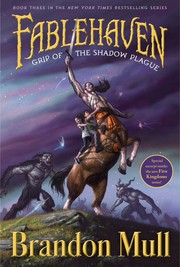
Grip of the Shadow Plague
A plague turns Fablehaven's creatures of light into shadows while Kendra hunts an artifact in Arizona and Seth races to find the cause.
2,131-word summary · 9 min read

The Rose & the Dagger
Shahrzad is pulled from her Caliph husband and left in a desert camp of rebels, needing to break his curse and end a war before it ends her.
2,520-word summary · 11 min read
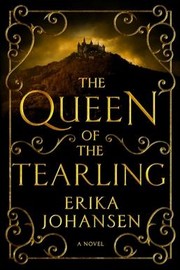
The Queen of the Tearling
Nineteen-year-old Kelsea leaves the woods to take her throne, ends a shipment of human captives, and draws the Red Queen's revenge.
2,357-word summary · 10 min read
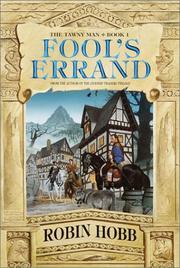
Fool's Errand
FitzChivalry Farseer has lived in exile for fifteen years. When Prince Dutiful vanishes before his betrothal, Fitz returns to Buckkeep to find him, with a wolf…
2,606-word summary · 12 min read

We Hunt the Flame
In a fractured Arabia-inspired world, a disguised huntress and a prince-assassin race to find a magic-restoring book and confront an ancient evil.
2,195-word summary · 10 min read
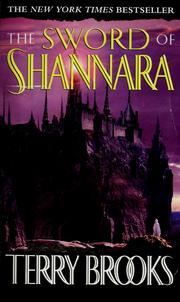
The Sword of Shannara
A young half-Elf and a company of companions set out to recover a magic sword before the Warlock Lord destroys the Four Lands.
2,474-word summary · 11 min read
The Magician
Sophie and Josh flee to Paris with Nicholas Flamel, where John Dee, Machiavelli, and an awakened god close in on the missing pages of the Codex.
2,162-word summary · 10 min read
Magician: Apprentice
An orphan kitchen boy and a smith's son grow up in a frontier castle just as invaders from another world open a rift and begin a war that will change both of…
2,114-word summary · 9 min read
In the Hand of the Goddess
Alanna, still disguised as a boy, survives war, court plots, and a death duel as the Goddess's chosen warrior in the second Song of the Lioness book.
2,018-word summary · 9 min read