
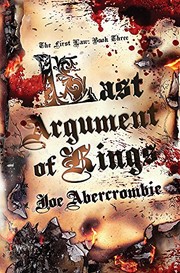
Last Argument of Kings
2,479-word summary 11 min read 536 pages in the book
- First published
- 2008
- Publisher
- Gollancz
- Pages
- 536
- ISBN
- 9780575077904
- Series
- First Law (#3)
Reading options
What's inside (8 sections)
I finished Before They Are Hanged close to midnight and sat there annoyed at how much I cared. Logen had fallen, Glokta had lost a city, West had blood on his hands, and the great quest for the Seed had paid out in nothing. So I picked up Last Argument of Kings the next day wanting one thing: a single clean win for somebody, anybody. Joe Abercrombie published it with Gollancz in 2008, a 536 page trade paperback that closes out the First Law trilogy, and it gives you wins the way a miser gives tips. Technically, yes. You will not feel tipped.
There is no quest this time, no march across the map. Almost everything happens in two places: Adua, the Union capital, where the old king is dying and every faction sharpens its knives, and the North, where Logen walks back toward the man who made him. The threads from the first two books pull tight until they meet in a siege. If you have read the first two, you know the voices. If you have not, stop and start with The Blade Itself. Nothing here will make sense without them, and the emotional hits will land flat.
Short version before I get into it. Everybody gets what they were chasing. It tastes like ash.
The worst job in Adua is being king
Jezal dan Luthar comes home from the west a different man, which mostly means he complains less and listens more. He still wants the same things: Ardee West in his bed, applause in his ears, and no hard decisions anywhere near him. Adua is happy to deny him all three.
The old king is failing fast, and the Closed Council must choose a successor. What follows is the most cynical stretch of politics in the trilogy, and that is saying something. Nobles who spent two books sneering at Jezal suddenly discover his virtues. Bayaz, First of the Magi, backs him with proof of royal blood and the kind of smile that tells you the proof was ready long before anyone asked. The council votes. Jezal gets the crown and a chair that is far too big for him.
I found these chapters funny in a queasy way. Jezal tries to be a good king the way he once tried to be a good fencer, by looking the part and hoping effort counts. He sits through councils where men like High Justice Marovia and the others talk circles around him. He learns that a king cannot marry where he loves, so the match is made with Princess Terez, a cold and furious foreign noblewoman who despises him on sight and never revises the opinion. Ardee, the woman he actually loves, slides deeper into drink while her brother fights a war, and Jezal watches it happen with the helplessness of a man watching rain through glass.
Someone poisons him midway through, and the scare should change him. It does, in the worst direction. He comes back weaker, easier to steer, more grateful to whoever stands closest. Bayaz stands closest. By the end Jezal is a king in name with a wife who hates him, a love he ruined, and strings running off his arms in every direction. The tragedy is that he is not a villain. He is a decent-ish lightweight handed a weight that would crush stronger men, and Abercrombie never lets you forget that the lightness was the point. Bayaz picked him because he could be held.
A torturer with two masters
Sand dan Glokta returns to Adua expecting gratitude and receiving, instead, the most dangerous assignment of his life. Arch Lector Sult, head of the Inquisition, wants Bayaz destroyed. The wizard has grown too strong, too rich in friends, too careless about who sees his hand moving. Sult orders Glokta to build the case: follow the money to the bank of Valint and Balk, find the Eaters in the city, and bring the First of the Magi down.
This puts Glokta between two men who eat people like him for breakfast, and his chapters turn into a long exercise in smiling while the floor tilts. He owes Bayaz his return and probably his life. He owes Sult his obedience and definitely his daily bread. So he investigates just slowly enough to stay alive, tortures just enough to keep up appearances, and files everything away in that precise, bitter mind of his. His inner patter about his ruined teeth, his twisted leg, his burning back runs through every scene, and here it reads less like comedy and more like a ledger. Pain in, pain out, balance due.
The countryside is rising while the city schemes. Peasants burned out by taxes and war have found leaders, and the Union answers its own poor with fire and rope. Glokta sees the reports, signs some of them, and hates himself in short sentences before moving on. That is the book's moral engine in miniature. Nobody in Adua is clean enough to judge, so nobody judges, and the machine keeps turning.
His helpers carry half the weight. Practical Frost looms, loyal and unreadable, delivering corpses with the same flat line every time. Practical Severard grins through jobs that should wipe the grin off. And then there is Vitari, the new Practical sent down from above, who frightens even the people on her own side. The scenes of the three of them working a suspect are horrible and, I hate to admit it, gripping. Abercrombie writes interrogation the way other writers write duels. Every pause matters.
Sult overplays. I will not spell out the moves, because watching a master plotter realize he has been out-plotted is one of the genuine pleasures here. Enough to say the Inquisition changes hands, and Glokta rises higher than any cripple from a fencing hall had a right to dream. His promotion is the bleakest joke in the trilogy. The man who knows exactly how the machine works is now the man who runs it, and the machine does not take holidays.
The Bloody Nine goes home
Logen Ninefingers survives the fall at the end of book two. The river spits him out, half dead, and he does what he always does. He gets up, makes a joke nobody laughs at, and starts walking toward the worst possible place. Bethod, King of the Northmen, his old friend and oldest enemy, holds the North. Logen means to finish it between them, one to one, and the whole middle of the book leans toward that meeting like a drunk toward a wall.
The North chapters are spare and cold after the scheming of Adua, and I breathed easier in them even when they were bloodier. Dogman and the remnants of his crew drift through, tired men trying to stay fed and stay out of graves. Black Dow watches everything with those flat eyes, waiting for weakness the way a crow waits on a fence. You can feel the old loyalties fraying. Every campfire argument is really about one question: who follows a legend home, and what do they do with him when the legend starts talking to himself.
The duel with Bethod is worth the two-book wait. No tricks, no rescue, no speech first. Two old killers in the snow with everything they ever did to each other standing around watching. Logen wins it as the Bloody Nine, laughing, terrible, gone past mercy, and the crown of the Northmen lands on a man who never wanted a crown in his life.
What happens next is the most Abercrombie passage in all three books, so I will keep it vague and let you feel it fresh. The crown barely settles before men he fought beside take it from him. His legend was useful on the road up. It is inconvenient at the top. Logen ends this book as he began the first one: on his feet, bleeding, walking away from a fire, with fewer friends than fingers. Whatever grew between him and Ferro on the road west does not survive the return. He talks to himself. He keeps walking. Say one thing for Logen Ninefingers. Say he keeps walking.
What Ferro carries
Ferro Maljinn swallowed the Seed at the end of book two, and it lives in her blood now like a coal that never cools. She is the only person in the trilogy holding real power inside her own skin, and it has made her neither happy nor wise. It has made her hot. Everything she touches seems to lean toward burning.
Her thread starts away from the others. She goes south toward the Gurkish, the empire that enslaved her and gave her the scars she counts like coins, looking for revenge in its purest form. What she finds is that an empire is too big to stab. You can kill soldiers, burn stores, murder officers in their beds, and the machine replaces them by morning. Her chapters have a frantic quality the other threads lack. She is the fastest person in every scene and the most lost in every room.
Ferro was always the hardest character to love, written mostly in anger and flinch, and this book does not soften her. It explains her without excusing anything, which is harder and better. Every kindness offered to her gets tested to destruction. Logen offers steadiness, and she reads it as a leash. Bayaz offers purpose, and she reads it, correctly, as a handle.
Because that is what she is to Bayaz. The phrase that gives the book its title is an old one for cannon, the final persuasion of kings, and Ferro is the cannon Bayaz spent two books forging. He does not need her happy. He needs her pointed. When she finally turns back toward Adua, with Gurkish armies and Eaters converging and every plot line strangling the others, she is not returning as a friend. She is returning as a loaded weapon, and the hand on the lanyard belongs to the First of the Magi.
The siege of Adua
It all comes down to the walls. The Gurkish land in force near Adua, more men than the Union has ever faced at home, and with them come the Eaters, Khalul's changed fighters, seeded through the city and the camps. Khalul, Bayaz's ancient enemy, has spent the whole trilogy moving pieces from across the sea. Now the pieces arrive at once.
West holds the Union command, and his chapters are the grimmest soldiering Abercrombie has written. Supply failing, nobles squabbling over precedence while scouts go missing, orders from a council that cannot agree what day it is. West does the arithmetic of defeat in his head and keeps marching the lines anyway, because that is what West does. Men follow him not because he inspires them but because he is still standing where the worst of it is. It is heroism with the shine buffed off, and it ached to read after watching him curdle across two books.
The battle itself runs for a long stretch, and Abercrombie stages it the way he stages everything: close, confused, and physical. Charges that dissolve into shoving matches. Orders that arrive dead. A wall held by men who know the wall is the only thing between their families and Gurkish steel. Twice the city nearly breaks. The second time it does break, in a sense, because Bayaz stops conserving his strength and spends Ferro like coin.
What happens then is the image the whole trilogy has been saving. Fire from the Other Side, the place the First Law forbids any wizard to touch direct, poured through one burned woman onto an army and a city alike. The Gurkish burn. The Eaters burn. And Adua burns with them, street after street, because power on that scale does not aim. Thousands die in the pages, soldiers and clerks and children, and the book does not look away or dress it as triumph. Bayaz wins his war against Khalul's invasion in a single afternoon. The price is written in smoke over the capital, and the bankers, who funded everything, will present their bill in the morning. They always do.
Why the ending lands, and where it drags
Here is what I admire. Abercrombie refuses every comfort the genre usually offers at the end of a trilogy. The puppet king stays a puppet. The torturer gets promoted. The barbarian loses everything except his feet. The wizard wins by doing the thing he once punished, and the money men collect. It should feel nihilistic. Instead it feels honest, because every one of those outcomes was planted in book one and watered in book two. Nothing here is shock for shock's sake. It is just what happens when power, money, and magic all answer to appetite. The last line of Logen's story is famous, and it earned its fame:
You have to be realistic about these things.
Now the fair complaints, because this book is not flawless. The middle sags under council scenes. There are stretches in Adua where men sit in rooms and explain the stakes to each other, and even sharp dialogue cannot fully hide that the plot has paused for accounting. Jezal's chapters, sympathetic as his arc is, sometimes circle the same drain: weak, shamed, steered, repeat. Readers who struggled with the torture scenes in the first two books should know they have not gone anywhere. Glokta's work is described in the same close detail, and the peasant war adds hangings and burnings on top. The magic stays deliberately vague, which works thematically but means the climax turns on rules the reader was never fully shown. Ferro gets power and presence but little interior life beyond hunger and hate. Terez is ice from first appearance to last, which suits her function but not her billing as a major figure. And Bayaz as a walking solution can feel too convenient: whenever the heroes run out of road, the wizard has a heavier hammer.
Who should read it. Anyone who finished book two owes themselves this ending, because the trilogy only makes its full argument here. Readers who like fantasy where choices cost, where institutions beat individuals, and where humor comes out black will find it among the best closers in modern grimdark. Skip it if you want hope, romance that heals, or heroes who grow into their legends. The legends here shrink the men, every time.
I closed it and went for a walk, which tells you more than any rating. Three books of jokes and gore and scheming, and what stayed with me was quiet: a weak king eating alone, a cripple climbing higher up a tower he hates, a killer walking north out of his own story. Say one thing for this trilogy. Say it does not lie to you.
FAQ
When was Last Argument of Kings published?
Gollancz published it in March 2008. The first trade paperback runs 536 pages and the ISBN is 9780575077904.
Is it part of a series?
Yes, it is book three of the First Law series, after The Blade Itself and Before They Are Hanged.
Do I need to read the earlier books first?
Start with The Blade Itself. The election, the siege, and the betrayals only land if you know Logen, Glokta, and Jezal.
Similar books
More from First Law first, then related titles.

The Blade Itself
A torturer, a barbarian, and a spoiled officer circle a wizard quest that serves banks more than heroes.
1,998-word summary · 9 min read
Before They Are Hanged
Glokta holds Dagoska, West fights Bethod in the North, and Bayaz chases the Seed with Logen and Jezal.
2,090-word summary · 9 min read

Best Served Cold
Left for dead by the duke she served, mercenary general Monza Murcatto recruits a broken crew and works through a list of seven men who owe her a debt of blood.
2,108-word summary · 9 min read
The Blinding Knife
Kip trains to join the Blackguard while the Prism hides his true identity, loses his colors, and fights a war against a rogue drafter who wants to birth a god.
2,049-word summary · 9 min read
The Tower of the Swallow
Ciri flees as a bandit while Geralt gathers allies to find her.
2,580-word summary · 11 min read
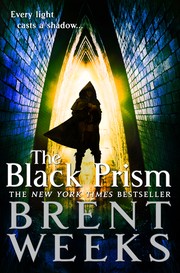
The Black Prism
Dying Prism Gavin Guile hides a secret son while war brews over color magic in the Seven Satrapies.
2,169-word summary · 10 min read
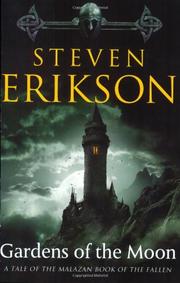
Gardens of the Moon
Empire, gods, and mages collide over Darujhistan as Bridgeburners bleed for Empress Laseen.
2,188-word summary · 10 min read
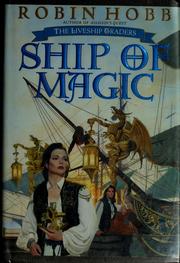
Ship of Magic
A sentient ship wakes when her captain dies, and the family that owns her starts to come apart over who gets to sail her.
2,026-word summary · 9 min read
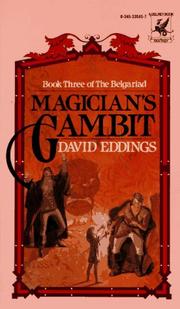
Magician's Gambit
Garion and his companions cross haunted Maragor and the caves beneath Rak Cthol to recover the Orb of Aldur.
2,391-word summary · 11 min read
Homeland
Drizzt Do'Urden is born into the cruel drow city of Menzoberranzan, where his father teaches him to fight and to doubt everything his family believes.
2,303-word summary · 10 min read
Enchanters' End Game
Garion marches toward Torak while Ce'Nedra leads the West's army in the final Belgariad volume, where prophecy and war meet.
2,557-word summary · 11 min read
The Queen of the Tearling
Nineteen-year-old Kelsea leaves the woods to take her throne, ends a shipment of human captives, and draws the Red Queen's revenge.
2,357-word summary · 10 min read
Fool's Errand
FitzChivalry Farseer has lived in exile for fifteen years. When Prince Dutiful vanishes before his betrothal, Fitz returns to Buckkeep to find him, with a wolf…
2,606-word summary · 12 min read
The Sword of Shannara
A young half-Elf and a company of companions set out to recover a magic sword before the Warlock Lord destroys the Four Lands.
2,474-word summary · 11 min read
Magician: Apprentice
An orphan kitchen boy and a smith's son grow up in a frontier castle just as invaders from another world open a rift and begin a war that will change both of…
2,114-word summary · 9 min read
A Knight of the Seven Kingdoms
Three novellas follow Ser Duncan the Tall and his squire, Egg, through tourneys, feuds, and conspiracies in Westeros ninety years before A Game of Thrones.
2,059-word summary · 9 min read
The Battle for Skandia
Will and Evanlyn are still hiding in the Skandian mountains when Halt and Horace arrive with word of a Temujai invasion that could roll on to Araluen next.
2,248-word summary · 10 min read
Beyond the Shadows
Kylar Stern bargains with the Wolf, hunts a legendary sword, and faces a goddess wearing the face of the woman he loves in the Night Angel finale.
2,467-word summary · 11 min read
The Emperor's Soul
Forger Shai must stamp a new soul for the dying emperor in 100 days.
2,313-word summary · 10 min read
The Burning God
Rin burns south and bargains with the Phoenix as the Republic splits.
2,381-word summary · 11 min read
Shadow's Edge
Kylar fakes death as a king killer while Vi hunts him for the Godking.
2,245-word summary · 10 min read
Pawn of Prophecy
Farm boy Garion learns sorcerers watch him as an old Orb wakes.
2,331-word summary · 10 min read
New Spring
Moiraine and Lan hunt the newborn Dragon before the Black Ajah finds him.
2,475-word summary · 11 min read
Furies of Calderon
Furyless Tavi defends Calderon Valley when the Marat return and lords scheme.
2,587-word summary · 11 min read
Stone of Tears
After the veil tears, Richard seeks training from the Sisters while Kahlan holds a fracturing Midlands and Zedd hunts the missing Stone.
2,483-word summary · 11 min read
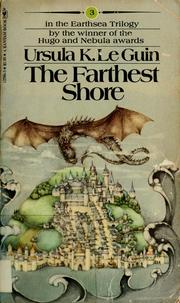
The Farthest Shore
Archmage Ged and Prince Arren sail to the far west to stop Cob, whose bid for endless life drains magic across Earthsea in Le Guin's sad 1972 third volume.
2,800-word summary · 12 min read
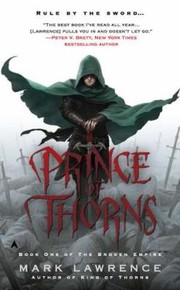
Prince of Thorns
At thirteen Jorg Ancrath rides with killers across a broken Europe, hunting Count Renar for family murder while chasing lost Builder fire and the empire throne.
2,488-word summary · 11 min read
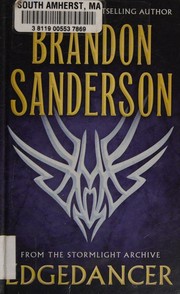
Edgedancer
Hungry street thief Lift and her vine-like friend Wyndle cross the Herald Nale in Tashikk when a child emperor shows Radiant signs and she refuses to step…
2,328-word summary · 10 min read
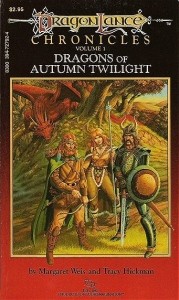
Dragons of Autumn Twilight
Old friends reunite at the Inn of the Last Home, guard a glowing Blue Crystal Staff, face black dragon Khisanth, and free slaves at Pax Tharkas in this 1984…
2,803-word summary · 12 min read
The Eyes of the Dragon
In the kingdom of Delain, a jailed prince and his younger brother face a magician whose long plot for the throne turns on a napkin clue.
2,018-word summary · 9 min read