
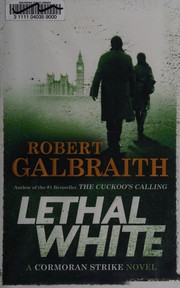
Lethal White
3,063-word summary 14 min read 650 pages in the book
- First published
- 2018
- Publisher
- Mulholland Books
- Pages
- 650
- ISBN
- 9780316422734
- Series
- Cormoran Strike (#4)
Reading options
What's inside (8 sections)
I came to this one tired and curious in equal parts. Career of Evil had ended with Robin's wedding and Strike alone in pain, and I needed to know if their partnership survived it. I also knew this book had a reputation for being huge and slow. Friends told me to clear a week. I did, and I read it in long evening stretches with tea going cold beside me. Lethal White was published in 2018 by Mulholland Books, 650 pages in the edition cited, ISBN 9780316422734, fourth in the Cormoran Strike series after Career of Evil. It is a London crime novel tangled up with politics, family shame, and two people trying to work together while their personal lives pull apart.
The setup grabbed me fast even though the book itself takes its time. A disturbed young man named Billy walks into the Denmark Street office and tells Strike a strange story about seeing a child strangled and buried years ago on a hill. He is thin, dirty, and frightened, talking in fragments. Before Strike can get anything solid, Billy runs. Strike is left with a name that may not be real, a place he cannot pin down, and a feeling he cannot shake. Around the same time a government minister named Chiswell hires Strike to look into blackmail around his family. Those two threads look separate at first. They are not.
I liked Strike and Robin enough by now that I would follow them through paperwork. Still, I want to say up front that this is the longest and baggiest book in the series so far. If you want a tight puzzle, this may test you. If you like living inside an investigation, with stakeouts and interviews and wrong turns, there is a lot to enjoy. I landed in the second group, though I grumbled along the way.
The boy who saw a killing
Billy is the heart of the opening, and he stayed with me longer than any minister or plot twist. He arrives without an appointment, past Robin at the desk, talking fast about a dead child and a grave near horses. Strike, who served in Afghanistan and lost part of his right leg there, knows how trauma scrambles memory. He also knows when fear is real. Billy is terrified of someone finding him, and also terrified no one will believe him.
Robin is kind to him in a way that matters later. She gets him water. She listens without correcting every detail. She writes down what he says about fields and woods and a pink blanket or cloth, though I am keeping details general here because Billy's account shifts. Then Billy sees something that scares him and bolts into the London streets. Strike follows but loses him in crowds and traffic.
After Billy vanishes, Strike tries to trace him through rough sleeping charities, clinics, and family contacts. He learns Billy has a brother involved in left wing street protests, and that the brothers come from a troubled home with old ties to the area Billy described. I will keep the family specifics loose, since memory and rumor mix in the book, but the shape is clear. Two brothers who grew up poor, one unwell and drifting, one angry and political, both marked by something that happened when they were young.
What I admired is how Galbraith treats Billy. He never turns him into a clue machine. Billy is ill, and the book shows his paranoia, his gaps, his moments of sudden clarity, without mocking him. Strike believes something happened to Billy even when police shrug. That belief drives the whole novel. A big ex soldier with money problems and a bad leg decides a homeless young man is worth weeks of unpaid time. It tells you who Strike is better than any speech.
Robin keeps Billy's note on her desk. She thinks about him on night buses. She asks about him when other cases feel thin. That small care becomes a thread through hundreds of pages. When Billy resurfaces later, thinner and stranger, the relief I felt surprised me. I had started to fear he was dead.
Chiswell and the blackmail job
Jasper Chiswell, the minister, is the opposite of Billy in every outer way and close to him in inner rot. He is a Conservative culture minister with a grand house, grand manners, and a family full of resentment. He comes to Strike because someone is blackmailing him. He will not say plainly what the lever is at first. He talks about reputation, about the party, about enemies in the press. He wants Strike to find the blackmailer and make it stop quietly.
Strike takes the job because the agency needs money. After the events of book three, bills are high and staff is thin. Chiswell pays well and expects discretion. Strike assigns Robin to get inside Chiswell's world. She takes a temporary office role in the minister's orbit, answering phones, watching visitors, learning who hates whom. It is classic Robin work, patient and observant, and she is good at it.
The Chiswell family is a nest of grievances. A dead son whose memory poisons everything. A living son and daughter with debts and habits. An ex wife and a current wife who barely hide their contempt. Old school friends who do deals over lunch. Everyone uses everyone. Galbraith writes these rooms well. Cold large houses in Oxfordshire. London clubs where men talk loudly about loyalty. Charity boards where smiles do not reach eyes. Robin sits in corners taking notes while powerful people lie to her face.
The blackmail itself keeps changing shape. At first it looks like a sex scandal or a money scandal, the usual Westminster stuff. Then it touches on a favorite project of Chiswell's tied to the London Olympics legacy and on money moved through odd channels. Then it touches on something darker, a death in the family that was ruled one way but whispered about another way. Strike has to sort which secrets are embarrassing and which are criminal. Chiswell lies to him more than once, which makes Strike like him less and bill him the same.
I found these chapters slow but rich. Slow because there are many names, many lunches, many memos. Rich because Robin shines in them. She learns how to dress for the office, how to flatter a secretary into sharing a diary, how to copy a document without shaking. She also sees how women are treated in those rooms, as decoration or help, and she uses that low expectation to move unseen. One scene where she calms a shouting wife while memorizing the layout of a study stayed with me. That is Robin at her best, kind on the surface, sharp underneath.
Robin married and Strike limping
The personal story runs beside the cases and sometimes swallows them. When the book opens, Robin has married her long time partner. She wears her ring to work and tries to make home life fit around surveillance hours. It does not fit. Her husband wants normal evenings and weekends and a wife who is safe. Robin wants to be a detective. She loves him, but she loves the work more, and both of them know it.
Galbraith does not make the husband a cartoon. He is worried, jealous, and often unkind about Strike, but his fear has roots. Robin was attacked years ago as a student and nearly died in the last book. He wants her out of danger. Robin hears control where he hears care. Their fights follow a tired loop. Late nights. Missed dinners. Deleted messages. Accusations about Strike. I dreaded those scenes and also believed them. Anyone who has tried to keep a hard job and a fragile marriage will recognize the exhaustion.
Strike is no better at life. His leg stump is inflamed and painful through much of the book. He avoids doctors, pops painkillers, and keeps walking on it until he can barely stand. He is sleeping badly, eating badly, and pining for Robin while pretending he is fine. He dates women he does not love and pushes away help he needs. His famous temper flares at staff. His friendship with his old army mate and his on and off warmth with his assistant add light, but mostly he is lonely and stubborn.
What saves these threads is the work bond. On surveillance, Strike and Robin are easy together in a way they are with no one else. He trusts her judgment on witnesses. She trusts his read of physical risk. They share chips in cars, trade jokes on radios, and cover for each other without asking. A stakeout outside a pretty mews house or a long train ride to Oxfordshire feels almost happy, even when the case is grim. I kept thinking, these two should just admit they are each other's home and stop marrying or dating other people. The book makes you wait for that admission, and the wait aches.
There is one quiet scene I loved. Robin, sore after a long day in heels she hates, takes them off under the desk. Strike pretends not to notice and brings her tea. No big talk. Just care. It reminded me why I stuck with 650 pages. Not for ministers, but for moments like that.
Horses, houses, and a buried past
The middle of the book moves between London streets and country fields. Strike and Robin try to prove Billy saw something real. They walk ridgelines and bridle paths. They ask horse owners and farm workers about land use years back. They check old maps and planning files. They learn about a secluded house tied to Chiswell's circle where parties happened and where staff were told not to look too closely.
I will keep the geography general to avoid false precision, but the feel is strong. Mud on boots. Cold wind on a hill. A copse of trees that feels wrong even in daylight. Neighbors who remember a van or a digger but not dates. A local woman who will talk about horses but not about people. Strike loves this kind of ground truth. He would rather walk a field than read a file, though he does plenty of both.
The house itself matters more as a symbol than as a set. Big, comfortable, and used to hiding. A place where rich men made deals and their children paid the price. Old photos show smiling groups. Staff remember crying behind doors. A girl who worked there and later struggled is spoken of in lowered voices. Galbraith connects class and harm without speeches. Money bought privacy, and privacy let cruelty sit for years.
Robin does much of this legwork while still temping for Chiswell. She interviews a housekeeper with patience. She befriends a young woman in the minister's office who knows where letters are kept. She photographs a ledger page with shaking hands. Strike checks her work and adds his own. Phone records. Bank transfers. A rental van on a key date. A footprint of lies that tightens around two or three men.
Meanwhile the activist brother and his friends protest, march, and film police. Strike has to move through those crowds without getting spotted or punched. He respects their anger even when he dislikes their methods. One tense scene at a demonstration, with Robin caught between chanting lines and plainclothes officers, shows how divided London feels in the book. Left and right shouting past each other while a dead child lies unmourned somewhere. I thought that contrast gave the novel weight beyond puzzle solving.
The buried child story never leaves the page for long. Every time Chiswell rants about reputation, I thought of Billy sleeping under a bridge. Every time Robin files expense forms, I thought of a small grave no one marked. That moral pressure keeps the slow middle moving even when the plot stalls.
Pressure, mistakes, and the long road to answers
Around the last third, cases collide and mistakes cost. I will stay broad on twists to leave discovery intact, but the shape is fair to sketch. The blackmailer is not who Chiswell claims. The money trail leads away from politics and toward family shame. A death once called suicide looks less settled the closer Strike looks. Billy's memory, broken as it is, points to a real place and a real loss.
Strike makes errors that felt human to me. He trusts Chiswell too long because the fee blinds him. He sends Robin into rooms that turn hostile. He ignores his leg until it forces him to stop, which puts others at risk on a key night. He withholds a theory from police because he wants to prove it himself first. Each choice costs time or safety. Galbraith lets him be wrong without making him foolish. He is tired, proud, and spread thin across two cases that both need full attention.
Robin makes errors too, mostly from loyalty. She stays late when she should leave. She follows a subject alone when backup is stuck in traffic. She keeps secrets from her husband until secrets become lies, then hates herself for lying. She also keeps secrets from Strike about how bad home has gotten, which leaves him guessing why she cries in cars. Her courage is real, but so is her depletion. By the final hundred pages she looks thin and pale even to people who like her. I worried for her more than for Strike.
The police thread adds friction. One senior officer respects Strike and trades info. Another sees him as a pest and blocks access. Forensics on old bones, if bones exist, move slowly. Witnesses die or vanish or lawyer up. A search of a property needs grounds Strike does not yet have. He has to build those grounds with paper and patience while the press circles Chiswell for other reasons.
When answers come, they come in a rush after long patience. A confession that reframes a family story. A receipt that breaks an alibi. A horsebox or vehicle detail that only makes sense once you walk the lane yourself. Billy's fragments line up into a terrible picture of childhood harm, adult cover up, and chance. Chiswell's panic makes sense at last, though it wins him no sympathy from me. Power protected itself, and children paid.
I found the closing confrontations satisfying and sad rather than triumphant. No clever parlor scene. Just tired people in small rooms telling ugly truths. Strike does not gloat. Robin does not feel healed. Billy does not get his health back because the case is solved. Justice, where it comes, feels partial. That felt honest for a book this rooted in real London pressures.
What holds and what drags
What holds first is the partnership. Strike and Robin together carry 650 pages. Their banter, their radio codes, their shared food, their silent signals in interviews. I would read another hundred pages of them watching a door. Galbraith also writes London well here, from Denmark Street guitar shops to cramped flats to Oxfordshire lanes. The city feels wide and specific, not a backdrop. And Billy as a moral center gives the sprawl a heart. Every time I got bored by committee minutes or family trees, I thought of Billy and kept going.
The politics add texture when they stay human. A minister who loves reputation more than people. Activists who love causes more than facts. Staff who love paychecks more than truth. Those are types, but Galbraith gives them enough small life, a cheap suit, a kind note, a dog, to keep them from cardboard. The theme that power hides harm is not fresh, but it is well shown through houses, files, and fear.
Now what drags, because a lot drags. This book is too long. Whole subplots could go. The Olympics legacy boardroom stuff repeats. Chiswell family money gripes circle. Robin's marriage fights hit the same beats. Strike's leg pain is described so often I started skimming those lines. A firmer edit could cut a hundred pages without losing story. Readers who loved the lean drive of book one may feel lost here.
The mystery structure also sags. Two big cases plus a marriage plus an agency struggling to pay rent is a lot. Clues hide under social detail. Suspects multiply. I had to flip back to remember who worked for whom. Some reveals rely on documents found late or memories recovered just in time, which can feel handy. The final solution is fair, but the road there has soft spots where talk replaces action.
Tone can feel heavy. Past books had humor in pubs and banter to lift dread. Here humor is thinner. Fear for Billy, pity for Robin, disgust at Chiswell. It accumulates. Content notes may help. This novel includes child murder and abuse in the past, strangulation, drug use, mental illness, domestic strain, and political extremism. Violence is mostly off page or remembered, not shown in close detail, but grief and anxiety sit on almost every chapter. If those themes are close for you, pace yourself or read a summary first.
Who should read it. If you are invested in Strike and Robin, read it. Their story moves in ways that matter for later books, and Robin in particular grows into a stronger investigator. If you want a standalone puzzle, start earlier in the series. If you dislike long books with many side rooms, you may want to skip or skim the committee scenes. I complained through parts and still felt moved at the end, especially by Billy and by Robin choosing work she loves even as it costs her comfort. That choice felt brave rather than reckless by the close.
I shut the hardcover late at night feeling both full and tired, the way you feel after a long walk that was worth it but longer than promised. Lethal White is not my favorite Strike novel. It is the most crowded and the slowest. Yet it deepened my care for its leads. Strike limping toward truth because no one else will bother. Robin learning to trust her own eyes in rooms built to fool her. Billy waiting to be believed. Those three kept me through 650 pages. I will keep going to the next book, hoping for a tighter plot and the same bruised heart.
FAQ
When was Lethal White published?
It was published in 2018 by Mulholland Books. The edition cited runs 650 pages with ISBN 9780316422734.
Who are the main people?
Cormoran Strike, Robin Ellacott, troubled young man Billy, and minister Jasper Chiswell drive the main threads.
Is it part of a series?
Yes. It is book four in the Cormoran Strike series, following Career of Evil.
Similar books
More from Cormoran Strike first, then related titles.
The Cuckoo's Calling
Broke detective Strike and temp Robin investigate a supermodel's fatal fall in London.
2,006-word summary · 9 min read
The Silkworm
A missing novelist and a cruel manuscript pull Strike and Robin into London publishing.
3,583-word summary · 16 min read
Career of Evil
A severed leg delivered to Robin forces Strike to face four men from his past as a London killer stalks, testing the agency and her wedding plans ahead.
2,887-word summary · 13 min read
Troubled Blood
Strike and Robin take a year long cold case: doctor Margot Bamborough vanished in 1974, with a nurse hiding more.
2,211-word summary · 10 min read

How the Light Gets In
Gamache investigates the murder of the last Ouellet quintuplet while the Sûreté he served is dismantled from inside by the man who took his protégé.
2,279-word summary · 10 min read

Bury Your Dead
Recovering from a failed raid that killed his officers, Gamache investigates a murder in a Quebec City library while Beauvoir reopens a case in Three Pines.
2,022-word summary · 9 min read

The Trespasser
A Dublin Murder Squad detective investigates a staged dinner-party killing and finds a cover-up that reaches into her own department.
2,051-word summary · 9 min read

Rules of Prey
Minneapolis detective Lucas Davenport hunts a killer who leaves a new rule at every scene and treats murder as a game of wits.
1,914-word summary · 9 min read

The Late Show
Exiled to the LAPD night shift after accusing her supervisor, Renée Ballard keeps two cases that were meant to be handed off at dawn: a brutal assault and a…
2,563-word summary · 11 min read
Finger Lickin' Fifteen
Lula sees a celebrity chef decapitated and talks Stephanie into entering a barbecue contest to lure the killers, while Ranger hires her to find a security leak…
2,248-word summary · 10 min read

The Camel Club
Four Washington misfits witness a murder on Roosevelt Island and stumble into a conspiracy that reaches the Oval Office, with a hostage president and a nuclear…
2,354-word summary · 10 min read
Fearless Fourteen
Bounty hunter Stephanie Plum babysits a teenager, guards a fading singer, and hunts nine stolen million dollars under her boyfriend's basement.
2,466-word summary · 11 min read

3rd Degree
The third Women's Murder Club novel follows a San Francisco terror cell and a three-day killing schedule, and it costs the club a member.
2,685-word summary · 12 min read
Lean Mean Thirteen
Stephanie Plum's ex-husband disappears after she attacks him, leaving her suspected of murder and chasing a forty-million-dollar secret through Trenton.
2,100-word summary · 9 min read
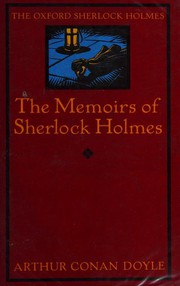
The Memoirs of Sherlock Holmes
Doyle's second Holmes collection gathers twelve Strand stories, including the early case of the Gloria Scott and the confrontation with Moriarty at Reichenbach…
2,390-word summary · 11 min read

The Redbreast
Harry Hole chases an ageing sniper through modern Oslo while two Norwegian volunteers on the Eastern Front carry a fifty-year-old betrayal toward a royal…
2,453-word summary · 11 min read
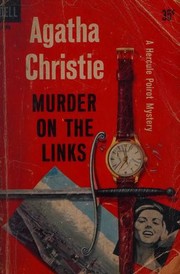
The Murder on the Links
Poirot arrives in France too late to save his client, who is found stabbed in a grave and was not the man he claimed to be. Christie's second Poirot novel.
2,055-word summary · 9 min read

Broken Harbor
A family is found slaughtered in a half-built Dublin estate where no one broke in, and star detective Scorcher Kennedy must explain the holes in the walls.
2,308-word summary · 10 min read
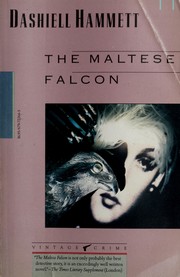
The Maltese Falcon
Sam Spade hunts a jeweled bird through lies after his partner is killed.
2,529-word summary · 11 min read

One, Two, Buckle My Shoe
Poirot links a dentist murder to a missing banker and stolen millions.
2,549-word summary · 11 min read
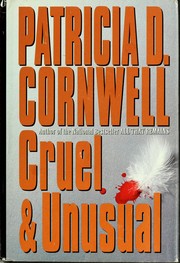
Cruel & Unusual
Scarpetta links an execution to a boy's murder while someone steals bodies.
2,533-word summary · 11 min read
Case Histories
A Cambridge PI takes three cold cases that tangle with his own loss.
2,465-word summary · 11 min read

At Bertram's Hotel
Miss Marple finds a luxury hotel fronting robbery and murder.
2,550-word summary · 11 min read
The Man in the Brown Suit
Anne Beddingfeld sees a Tube death in London and chases a paper clue to South Africa, diamonds, and the hidden Colonel.
2,292-word summary · 10 min read
The Body in the Library
A strange girl found dead in a library pulls Miss Marple into lies about dance halls and film.
2,017-word summary · 9 min read

Maisie Dobbs
A maid turned war nurse opens a London inquiry agency in 1929 and traces a quiet case to a refuge for shattered soldiers.
2,382-word summary · 11 min read

2nd Chance
Lindsay Boxer and the Women's Murder Club hunt the Chimera killer after a church shooting in San Francisco.
2,572-word summary · 11 min read
To the Nines
Janet Evanovich's ninth Stephanie Plum case retold: a missing skip, threats in Trenton, and a rescue run to Las Vegas.
2,839-word summary · 13 min read
The Bat
Oslo detective Harry Hole aids Sydney police after a young Norwegian woman is murdered and finds a wider pattern. Grief, drink, and a lost partner shape the…
2,766-word summary · 12 min read

Holly
Grieving detective Holly Gibney takes a missing-girl case in 2021 and traces it to two polite retired professors with a basement secret.
2,607-word summary · 12 min read