
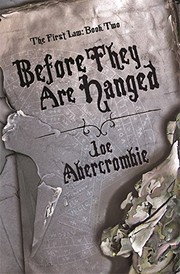
Before They Are Hanged
2,090-word summary 9 min read 580 pages in the book
- First published
- 2007
- Publisher
- Gollancz
- Pages
- 580
- ISBN
- 9780575077881
- Series
- First Law (#2)
Reading options
What's inside (7 sections)
I came to Before They Are Hanged the way most people do, straight off The Blade Itself and a little annoyed that I cared so much. Joe Abercrombie published it with Gollancz in 2007, a 580 page second book in the First Law series, and it does not behave like a normal middle book that just marks time. I remember closing the first book thinking the quest would fix things. This one opens that idea up and lets air out of it.
The setup is simple on paper. Three groups, two wars, one long walk. In the south, Sand dan Glokta is sent to hold Dagoska. In the north, Collem West is stuck in a Union army trying to stop Bethod. In the west, Bayaz drags Logen Ninefingers, Jezal dan Luthar, Ferro Maljinn and a few others across the Old Empire looking for the Seed. All of it ties back to Bayaz and his old enemy Khalul. By the end nobody gets what they wanted.
What I like is how personal it stays while the scale grows. Abercrombie keeps the camera close. Teeth, feet, backs, bad sleep. You feel the march.
Glokta in Dagoska
Glokta gets the worst job. Dagoska is a Union city on the southern continent, hot, white walls, built on rock over water. The Gurkish are coming for it with numbers and with Eaters, those changed fighters who can take wounds that would kill a normal person. Glokta arrives as Superior with Practical Frost and Practical Severard, his two very different helpers. Frost is huge and quiet. Severard talks too much and smiles at the wrong times.
The city council is already rotting. General Vissbruck commands the defense and resents a cripple from Adua telling him what to do. The merchants cheat. The food stores are wrong. The walls need work nobody wants to pay for. Glokta does what he always does. He asks questions, he listens for the pause before an answer, and then he finds a room with a chair in it.
I found these chapters hard to put down even though almost nothing happy happens in them. Glokta tortures a man to learn about grain. He tortures another to learn about bribes. He keeps score of his own pains in that running patter in his head, the teeth, the leg, the back. It could get old. Here it works because Dagoska forces him to want something beyond survival. He actually likes a couple of people in the city. A young officer who tries. A woman who runs a household with sense. He will not say so, but he acts like it.
The siege itself is slow dread rather than one big battle. Ships blocking the harbor. Messengers that do not return. A gate that should hold. A wall that might not. Inside, Glokta hunts a traitor who is feeding the Gurkish. The reveal is not flashy. It is sad and believable, the kind of betrayal that comes from fear and money rather than grand belief. When Dagoska falls, and I am not spoiling much by saying a book with this title does not end with parades, it falls in a way that feels earned. Bad choices stack. Good efforts come late.
What stuck with me was how Glokta leads. He cannot swing a sword. He can make frightened men stand a little longer by being more frightened and still staying in the room.
If book one made you laugh at Glokta, book two makes you sit with him. That is a harder trick.
West and the North
Collem West might be my favorite point of view here because he has no magic and no excuses. He is a common born officer with a temper, a sister to worry about, and a habit of doing the work while high born men take the credit. In Angland he serves under Lord Marshal Burr, a decent old soldier trying to hold a line against Bethod, the self crowned King of the Northmen.
The Northmen are not cartoon raiders. Bethod has united them and learned from the Union. He has the Feared with him for a time, a man who seems almost impossible to hurt, and he has numbers and knowledge of the ground. The Union has Prince Ladisla, the Crown Prince, who is vain and loud and desperate for glory. Burr wants a careful war. Ladisla wants a story.
You can guess how that goes.
Abercrombie writes the campaign in mud and rain. Supply wagons stuck. Scouts missing. Orders changed at night. West tries to keep his men alive while carrying messages between men who hate each other. Dogman and his crew, Tul Duru Thunderhead, Dow, Harding Grim, show up on the other side of the hill, and those chapters remind you that the Northmen are also cold, hungry, and scared. Threetrees tries to hold them together with jokes and sense. Black Dow watches for weakness.
There is a battle in the fog that I still think about. Not because of tactics. Because West has to make a choice with incomplete news and live with it. He does. The cost is plain on the page. No speech fixes it.
The fair criticism here is that the North chapters repeat a beat. March, argue, fight, blame. If you did not like military back and forth in book one, you will get more of it. I did not mind because West changes. He starts as the man who cleans up messes. He ends as a man who makes them. His last decisions in this book are ugly and human. I kept turning pages to see if anyone would stop him.
The long walk west
Then there is the quest. Bayaz, First of the Magi, takes Logen, Jezal, Ferro, his apprentice Malacus Quai, and a chatty guide called Brother Longfoot across the Old Empire to find the Seed, a leftover power from the Old Time that can be used against Khalul.
On paper this should be the fun adventure part. In practice it is the strangest and bleakest part. They cross empty cities, dry plains, ruins where something old broke the world. They are hungry. They argue. Jezal complains about boots and food and then complains again. Ferro wants revenge on the Gurkish and trusts no one. Logen tries to keep the peace and fails to keep his own temper down.
Jezal is much better here than in book one. In The Blade Itself he was easy to dislike, a spoiled swordsman who won a tournament and chased a girl. Out west he has no servants, no crowd, no tailor. He learns to carry, to watch, to shut up and listen. His fencing skill means little when the ground is uneven and the enemy does not follow rules. Abercrombie lets him grow in small steps. He shares water. He stands watch without being told twice. He looks at Ferro and sees a person rather than a problem to solve. It is not a full change. He is still Jezal. But the shift feels true.
Ferro and Logen get the most painful thread. Both have been used by violent men since they were young. Both know how to kill and little else. They find a kind of comfort with each other on the road, blunt and physical, without promises. I liked how Abercrombie writes it. No soft speeches. Just two damaged people who sleep better near someone who understands nightmares. It does not last. When it breaks, it breaks fast, the way real trust breaks when both people are still bleeding.
Bayaz himself turns colder the farther west they go. In Adua he was funny, eating too much, playing the harmless old wizard. Out here he is sharper. He answers fewer questions. Quai notices and starts to doubt. Longfoot keeps talking to fill silence. The ruins they pass suggest the Seed is not a gift. It is a weapon that hurt its makers. That sense of wrongness builds without big speeches.
Do they find it. Yes and no. I will not lay out the last steps beat by beat, but the trip does not pay off the way quest stories usually do. Someone gets hurt for nothing. Someone learns a fact that makes earlier hope look foolish. They come back thinner, angrier, less sure why they went. If you need a quest to matter in the usual way, this will frustrate you. I found it honest. Powerful men send younger bodies to fetch dangerous things. The bodies pay.
Logen and the Bloody Nine
Logen spends this book trying not to be who he was. He tells jokes. He helps carry loads. He apologizes. Then something snaps in a fight and the Bloody Nine comes out, that laughing killer self who talks to spirits and leaves mess behind.
Abercrombie handles this without turning it into a puzzle to solve. There is no cure scene. No wise talk that fixes years of killing. Logen wakes after and counts who is missing. He tries again. That cycle is the point.
One stretch near the end of the western trip shows it best. Logen has a chance to walk away from a fight. He does not. He tells himself it is to protect others. Part of that is true. Part is that he likes it. The book does not let him hide from the second part.
I have read a lot of fantasy where the barbarian learns manners and becomes safe. Logen does not become safe. He becomes tired. That felt more real to me, and sadder.
Short paragraph for breath. I kept rooting for him anyway.
That is Abercrombie's trick. He gives you people who do bad things and then shows you the small decency that keeps them human, without excusing the bad.
Why this middle book works and where it drags
Pacing is odd in a good way. The three threads cut at moments that keep tension up. Glokta in a cell, then snow in the North, then dust in the west. I never felt stuck for long. The language stays plain and sharp. Short sentences when pain hits. Longer ones when Glokta is thinking his way around a liar.
Humor helps. Not jokes told for laughs, but remarks that cut. Severard saying the wrong thing. Longfoot naming every rock. Jezal trying to be noble while covered in dirt. I laughed more than I expected in a book about sieges and hunger.
Now the fair complaints. This is a dark book with little relief. Torture scenes are frequent and detailed. Sexual violence and threat sit in the background and sometimes step forward. If you skimmed those parts in book one, you will do it here too. The plot also leans on powerful wizards moving pieces while normal people bleed, and Abercrombie does not explain the magic system in full. If you want clear rules, you will not get them. Bayaz says what he wants you to hear. Khalul stays off stage. The Seed stays vague.
Also, women get narrow space in this volume. Ferro is strong but written mostly through anger and hurt. Ardee West, back in Adua, gets letters and waiting. It fits the grim world but it can wear on you. Opal and later books widen the view. Here the circle is tight.
Should you read it without book one. No. Start with The Blade Itself. Characters, jokes, and betrayals land because you know these voices. This is not a place to jump in.
Who will like it. Readers who want fantasy where choices cost, where heroes are not clean, where war is logistics and fear more than banners. Readers who liked Glokta's voice, West's anger, Logen's humor. If you want hope and clear wins, wait. The wins here are small. Holding a wall one more night. Getting a friend out of a cell. Saying sorry and meaning it for an hour.
I finished it late at night and sat quiet for a while. Not because of a twist. Because everyone lost something and kept walking. Dagoska gone. The North worse. The quest hollow. And still Glokta files his papers, West picks up his sword, Logen puts one foot forward. Forgive your enemies, the title says, quoting Heine. But not before they are hanged. After this book I understood the joke is not funny to the people living it.
If you liked book one for the edge, read this for the weight. Then go straight to Last Argument of Kings. You will need it.
FAQ
When was Before They Are Hanged published?
Gollancz published it in March 2007. The first paperback runs 580 pages and the ISBN is 9780575077881.
Is it part of a series?
Yes, it is book two in the First Law series, after The Blade Itself and before Last Argument of Kings.
Who are the main characters?
Logen Ninefingers, Sand dan Glokta, Jezal dan Luthar, Bayaz, Ferro Maljinn and Collem West.
Similar books
More from First Law first, then related titles.

The Blade Itself
A torturer, a barbarian, and a spoiled officer circle a wizard quest that serves banks more than heroes.
1,998-word summary · 9 min read
Last Argument of Kings
Jezal takes the crown, Glokta serves two masters, and Logen faces Bethod as the Gurkish close on Adua.
2,479-word summary · 11 min read

Best Served Cold
Left for dead by the duke she served, mercenary general Monza Murcatto recruits a broken crew and works through a list of seven men who owe her a debt of blood.
2,108-word summary · 9 min read

The Blinding Knife
Kip trains to join the Blackguard while the Prism hides his true identity, loses his colors, and fights a war against a rogue drafter who wants to birth a god.
2,049-word summary · 9 min read
The Tower of the Swallow
Ciri flees as a bandit while Geralt gathers allies to find her.
2,580-word summary · 11 min read
The Black Prism
Dying Prism Gavin Guile hides a secret son while war brews over color magic in the Seven Satrapies.
2,169-word summary · 10 min read
Gardens of the Moon
Empire, gods, and mages collide over Darujhistan as Bridgeburners bleed for Empress Laseen.
2,188-word summary · 10 min read
Ship of Magic
A sentient ship wakes when her captain dies, and the family that owns her starts to come apart over who gets to sail her.
2,026-word summary · 9 min read
Magician's Gambit
Garion and his companions cross haunted Maragor and the caves beneath Rak Cthol to recover the Orb of Aldur.
2,391-word summary · 11 min read
Homeland
Drizzt Do'Urden is born into the cruel drow city of Menzoberranzan, where his father teaches him to fight and to doubt everything his family believes.
2,303-word summary · 10 min read
Enchanters' End Game
Garion marches toward Torak while Ce'Nedra leads the West's army in the final Belgariad volume, where prophecy and war meet.
2,557-word summary · 11 min read
The Queen of the Tearling
Nineteen-year-old Kelsea leaves the woods to take her throne, ends a shipment of human captives, and draws the Red Queen's revenge.
2,357-word summary · 10 min read
Fool's Errand
FitzChivalry Farseer has lived in exile for fifteen years. When Prince Dutiful vanishes before his betrothal, Fitz returns to Buckkeep to find him, with a wolf…
2,606-word summary · 12 min read
The Sword of Shannara
A young half-Elf and a company of companions set out to recover a magic sword before the Warlock Lord destroys the Four Lands.
2,474-word summary · 11 min read
Magician: Apprentice
An orphan kitchen boy and a smith's son grow up in a frontier castle just as invaders from another world open a rift and begin a war that will change both of…
2,114-word summary · 9 min read
A Knight of the Seven Kingdoms
Three novellas follow Ser Duncan the Tall and his squire, Egg, through tourneys, feuds, and conspiracies in Westeros ninety years before A Game of Thrones.
2,059-word summary · 9 min read
The Battle for Skandia
Will and Evanlyn are still hiding in the Skandian mountains when Halt and Horace arrive with word of a Temujai invasion that could roll on to Araluen next.
2,248-word summary · 10 min read
Beyond the Shadows
Kylar Stern bargains with the Wolf, hunts a legendary sword, and faces a goddess wearing the face of the woman he loves in the Night Angel finale.
2,467-word summary · 11 min read
The Emperor's Soul
Forger Shai must stamp a new soul for the dying emperor in 100 days.
2,313-word summary · 10 min read
The Burning God
Rin burns south and bargains with the Phoenix as the Republic splits.
2,381-word summary · 11 min read
Shadow's Edge
Kylar fakes death as a king killer while Vi hunts him for the Godking.
2,245-word summary · 10 min read
Pawn of Prophecy
Farm boy Garion learns sorcerers watch him as an old Orb wakes.
2,331-word summary · 10 min read
New Spring
Moiraine and Lan hunt the newborn Dragon before the Black Ajah finds him.
2,475-word summary · 11 min read
Furies of Calderon
Furyless Tavi defends Calderon Valley when the Marat return and lords scheme.
2,587-word summary · 11 min read
Stone of Tears
After the veil tears, Richard seeks training from the Sisters while Kahlan holds a fracturing Midlands and Zedd hunts the missing Stone.
2,483-word summary · 11 min read
The Farthest Shore
Archmage Ged and Prince Arren sail to the far west to stop Cob, whose bid for endless life drains magic across Earthsea in Le Guin's sad 1972 third volume.
2,800-word summary · 12 min read
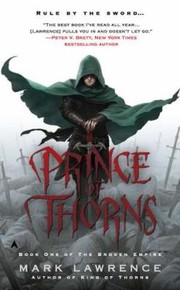
Prince of Thorns
At thirteen Jorg Ancrath rides with killers across a broken Europe, hunting Count Renar for family murder while chasing lost Builder fire and the empire throne.
2,488-word summary · 11 min read
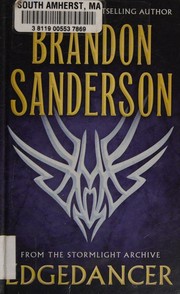
Edgedancer
Hungry street thief Lift and her vine-like friend Wyndle cross the Herald Nale in Tashikk when a child emperor shows Radiant signs and she refuses to step…
2,328-word summary · 10 min read
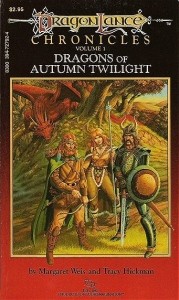
Dragons of Autumn Twilight
Old friends reunite at the Inn of the Last Home, guard a glowing Blue Crystal Staff, face black dragon Khisanth, and free slaves at Pax Tharkas in this 1984…
2,803-word summary · 12 min read
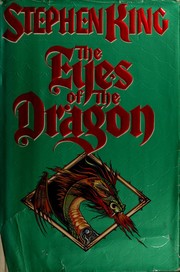
The Eyes of the Dragon
In the kingdom of Delain, a jailed prince and his younger brother face a magician whose long plot for the throne turns on a napkin clue.
2,018-word summary · 9 min read