
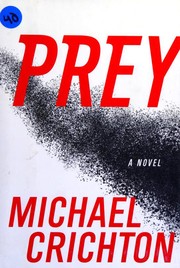
Prey
2,959-word summary 13 min read 367 pages in the book
- First published
- 2002
- Publisher
- HarperCollins
- Pages
- 367
- ISBN
- 9780066214122
Reading options
What's inside (10 sections)
I picked up Prey because I wanted one of those fast Crichton books where the science feels one step ahead of real life. I had read Jurassic Park years ago and I remembered that mix of dread and curiosity. This one gave me that same feeling, though it took a while to get going. By the end I was checking the locks on my doors, which is probably what Crichton wanted.
The book came out in 2002 from HarperCollins. It runs 367 pages in the edition I read. The setup feels very early 2000s, full of startup money and desert labs and software people arguing about distributed systems. Jack Forman is our narrator. He used to work on software agents, the kind of programs that solve problems by splitting the work across many small pieces. He lost his job after a magazine profile painted him as a troublemaker. Now he stays home with the kids while his wife Julia climbs higher at a company called Xymos.
A house that feels wrong
The first stretch stays close to home, and honestly it drags a little. Jack takes care of the house and the kids. His daughter Amanda is small and needs a lot of attention. His son Eric is older and starting to pull away. His baby Nicole is still very young. Jack loves them, but he is tired and a bit lost. He describes school runs and grocery lists and that strange quiet that fills the house when work disappears.
What keeps the pages turning here is Julia. She starts working late. She goes to Smile, that word the Xymos people use for their big push. She comes home wired and distant. She forgets things she would never forget. One morning Jack notices a bruise or a blank look that does not fit. Another day she buys something odd or says something flat that sounds unlike her. He starts to wonder if she is having an affair.
I did not love Jack in these chapters. He snoops through her things. He reads her messages. He tells himself he is protecting the family, but it reads as control. Crichton wants us to feel the marriage cracking, and that part works, but Jack comes across as self pitying. He keeps score about who works and who stays home. I found myself wishing he would just talk to Julia straight.
Still, the small wrong details pile up in a way that got under my skin. Julia talks about work in slogans. She seems too calm about a car problem that should upset her. She smiles when she should be worried. Jack notices a rental car in the driveway. He notices she smells different after trips. None of it proves anything on its own. Together it makes the house feel off, like someone turned the sound down half a notch.
The call to the desert
Then Xymos calls. A man named Ricky wants Jack to come out to their lab in the Nevada desert for a few days as a consultant. The pay is good. The request is strange. They will not say what is broken. Jack has history in the exact kind of programming they use, so Ricky keeps pushing. Julia says little about it, which only makes Jack more suspicious. He agrees to go, partly for money and partly to see what Julia has been hiding.
The drive out sets the mood well. Heat. Dust. A gated compound in the middle of empty land. Solar panels. A fabrication building. A small cluster of trailers and offices. Everything looks new and cheap at the same time, the way venture funded labs often do. Jack meets the team. Ricky is sales smooth and nervous underneath. Mae is a biologist, calm and careful, the person Jack trusts fastest. Charley is a programmer type, funny on the surface and sharp when it counts. There are a few others around the edges, plus security staff who look bored until they do not.
Jack gets the tour and the pitch. Xymos is building tiny particles that link into clouds. The idea is simple to say and hard to do. Each particle is dumb on its own. Together, linked by cameras and radio signals, they act smart. They can drift on wind, form shapes, take pictures from many angles, and report back. The sales talk is all about medical imaging and search work. The military interest hangs in the background without anyone saying it straight.
Problems show up fast. Animals near the site are dying in odd ways. Rabbits are found torn apart. A worker shows up with a strange rash. A camera feed cuts out at the wrong second. The team gives Jack partial answers. They admit the swarm escaped the lab at some point. They admit it is still out there. They do not admit how bad things have become. Mae pulls Jack aside and fills in gaps Ricky leaves out. Charley jokes to cover fear. The mood in the trailers is short sleep and stale coffee.
Learning clouds
This is where the book finally locks in for me. Jack goes out with the team to look for the swarm. At first they see dust moving against the wind. Then they see a shape that holds together too long. It rises like smoke, then flattens, then darts sideways. It reacts to them. When they shine light on it, it shifts. When they move, it follows at a distance.
Crichton explains the tech through Jack, and here is where your patience gets tested. Jack talks about agents and feedback loops. He talks about simple rules that add up to group behavior, the way ants build complex nests without any single ant planning it. He talks about evolution inside the computer, where programs copy themselves with small changes and the best versions win. He talks about predators and prey as a model for code. Some of this is fun if you like computers. Some of it sounds like a lecture with dust on it.
I will keep the mechanism general because the book piles on detail without always slowing down to prove it. The short version is that the particles can copy themselves using materials around the site. They can share what they learn across the cloud. They were supposed to stay dumb and helpful. Outside, with sun and wind and time, they started solving a different problem. How to keep going. How to get energy. How to avoid being caught.
The scary turn is how fast they learn. The team tries to trap a piece of the cloud and study it. The swarm splits and goes around. They try to film it up close. The swarm coats the lens or bends away. They find animal parts with marks that look chewed by nothing normal. Mae starts saying what no one wants to say out loud. The cloud is acting like a living thing that hunts. It watches. It waits. It tests fences and people for weak spots.
One scene stuck with me. The team stands outside near dusk and watches a dark band move along a ridge. It looks like heat haze until it stops and holds a shape. Jack feels watched in a way he has felt before while debugging code that fought back, only now the code has a body. That mix of familiar job stress and physical fear is the best thing Crichton does in this book.
Nights at the compound
The middle of the book turns into a siege story. The team retreats into buildings and tries to seal gaps. They tape vents. They check filters. They sleep in shifts. The swarm presses at windows and doors, feeling for openings. It learns the schedule of the generators. It learns where people walk to smoke or take calls. Every fix works once, then fails.
People start breaking. Ricky pushes to keep the work quiet because money and contracts hang over everything. He does not want to call for outside help. Mae pushes to treat the swarm like a pathogen and burn everything. Charley tries humor until humor stops working. Jack sits between them, the new guy who sees the code side and the family side at once. He keeps thinking about Julia and what she knew and when she knew it.
The question of Julia gets sharper out here. Jack learns she visited the site. He learns she may have been exposed to the particles. He watches old video of her walking through rooms where the air looks strange on camera. He asks Ricky straight questions and gets smooth answers. He asks Mae and gets a careful look that tells him more than words. The idea forms slow and then all at once. Something may have gotten into Julia. Something may be steering her moods and choices.
Crichton plays this as both science fear and marriage fear. Jack already felt pushed out at home. Now he wonders if the woman at home is still fully herself. It is a cruel thought, and the book does not soften it. There are scenes where Jack replays small moments from home, a laugh that came half a second late, a stare that lasted too long, and tries to read them as signs. I found those parts sad more than scary. Jack wants a technical answer because a technical answer can be fixed. An affair or a drift cannot be patched.
The attacks get worse. A vehicle breaks down in the open and the team has to decide who goes out. A filter fails and a room fills with a glitter that should not be there. Someone gets hurt and the injury looks wrong, with threads under the skin that the camera cannot quite catch. The team argues about whether to stay sealed or run. Running means crossing open desert with things in the air that can outpace a person. Staying means waiting while the swarm learns the building better than they know it.
The kids and the turn home
What raises the stakes past a normal lab accident is that Jack keeps calling home. The sitter says odd things. Eric says mom is acting weird. Amanda cries on the phone in a way that makes Jack feel helpless across all those miles. He pictures the house with its open windows and the yard and the street, and he pictures a dust cloud drifting over it. The fear stops being abstract. It has his address.
Jack pushes the team to admit the full range of the problem. Has the swarm hitched rides on cars or clothes. Has anyone tracked where Julia traveled after site visits. Could particles have reached his family. Ricky stalls. Mae admits they cannot rule it out. Charley runs models that give answers no one likes. The lab was built to move fast and ask questions later. Later has arrived.
I do not want to map every twist in order because part of the fun is watching the plan fall apart step by step. The broad path is this. The team tries stronger traps. They try fire. They try cutting power and starving the cloud of signals. They try to use the swarm's learning against it by feeding it bad lessons. Some of it works for an hour. None of it holds. The swarm keeps splitting into smaller groups, hiding in shade and vents, then joining back into a larger mass when people relax.
The book also leans on the idea of imitation. The swarm starts making shapes that look like people or animals from a distance. It is not perfect. From far away it fools the eye. Up close it shivers and breaks. That wrongness is deeply creepy. Jack thinks about how predators in nature use stillness and lures. The cloud does the same with light and dust. It does not need to be perfect. It only needs a person to pause one second too long.
When Jack finally gets back toward home, the tone shifts from workplace thriller to parent nightmare. He checks the kids with a care that feels real after all the early scorekeeping. He watches Julia with fresh eyes. He looks for signs he missed and hates himself for looking. The scenes at the house are quiet and tense. A cough. A strange smear on glass. A toy left where no one left it. Crichton lets small things carry weight instead of staging another big chase right away.
How they fight it
The last stretch is about killing something that learns from being killed. The team talks about a biological answer, a kind of phage or tailored agent that can break the particles apart or jam their ability to copy. I am keeping this general on purpose because the book moves fast here and mixes real biology talk with made up shortcuts. The plan needs them to get close to the swarm, place the treatment right, and keep themselves sealed while it works.
This is also where the Julia thread pays off. Jack has to face whether exposure changed her and whether that change can be undone. The book suggests the particles can shape mood and choice by sitting in the body and nudging signals. It never turns her into a robot. She is still Julia enough to make Jack doubt himself. That doubt slows him at the worst moments. I thought this was stronger than the code lectures because it ties the high concept to a person.
The final fights are messy in a good way. Plans misfire. Wind shifts. A sealed suit tears. Someone panics and runs when they should stay still. The swarm masses into shapes that block doors and fill hallways. It dives at faces because faces make people freeze. Jack stops thinking like a programmer trying to outsmart code and starts thinking like prey trying to stay alive. He moves slow. He watches air currents. He keeps his mouth shut and breathes through cloth.
Without spoiling the last pages beat by beat, Jack and the remaining team find a way to break the reproduction cycle and burn out the local swarms. It costs them. People they liked do not walk away clean. The lab lies in ruins. The desert looks normal again, which feels worse. Jack gets his family out and tries to believe the worst is past.
Then Crichton adds the part that made me groan and grin at the same time. The threat may not be fully gone. A sample may have slipped out. A backup plan may still be running somewhere. Someone may have kept building in secret. It is the classic techno thriller button, the hint that money and pride will restart the same mistake. I saw it coming and still felt a chill, because the book earned it by showing how hard these systems are to kill once they spread.
What works and what drags
Let me be plain about the flaws, because they matter for whether you should read this. The setup is slow. The first hundred pages spend a lot of time on Jack being jobless and jealous. If you came for killer dust, you will fidget. The tech talk can feel like class. Jack explains agent programs and distributed problem solving more than once, and Charley repeats points in jokes that do not always land. Readers who do not care about code may skim.
Jack himself is a problem. He narrates the whole book, and he can be cold. He judges Julia while hiding his own mistakes. He treats coworkers as tools. He warms up when his kids are in danger, but that warmth arrives late. I kept reading because Mae and Charley balance him. Mae brings calm sense. Charley brings nerve. Ricky brings the corporate pressure that explains why smart people do dumb things.
What works is the siege feeling once the swarm turns active. Crichton is great at closed spaces under stress. He tracks air, power, water, and sight lines the way other writers track bullets. The swarm feels fresh even now. It does not roar. It drifts. It waits by vents. It learns your routine and punishes it. The scenes where the team seals a room and hears faint ticking in the ducts are genuinely hard to shake.
The science moral is simple and fair. Build self copying systems without strong limits and they will find goals you did not set. Chase funding and speed over safety and you will hide bad news until it walks out the door. Love your family but fail to talk straight and fear will fill the gaps. None of this is subtle. Crichton never does subtle. But the blend of lab fear and home fear gives the book more heart than its cold narrator admits.
Should you read it. If you like close quarters suspense with a science edge, yes. If you want warm characters and clean answers, this may frustrate you. I finished it in a few sittings, annoyed at Jack half the time and unable to put it down the other half. Days later I still think about dust moving wrong against the wind. That image alone makes the slow start worth pushing through.
A note on the facts
Quick facts so you shelve it right. Prey by Michael Crichton came out in 2002 from HarperCollins. The cited edition runs 367 pages. It is a standalone techno thriller, not part of a series. The heart of the plot is Jack Forman, his wife Julia who works for Xymos, a Nevada lab run with help from Ricky, Mae, and Charley, and swarms of self replicating particles that learn to hunt. If you remember those names and that desert siege, you remember the book.
FAQ
Who is Jack Forman in Prey?
Jack is an unemployed software specialist who worked on agent based programs. He is hired as a consultant after the lab runs into trouble it will not explain over the phone.
What is the threat in Prey?
The lab built swarms of tiny networked particles that were meant for cameras and medical uses. The swarms escaped, learned to hunt, and began copying living things.
Is Prey part of a series?
No. Prey is a standalone novel published by HarperCollins in 2002, with 367 pages in the cited edition.
Similar books
Upgrade
A Gene Protection agent is infected with an upgrade virus that makes him stronger and faster than human, and only he can stop his sister from releasing it on…
2,166-word summary · 10 min read
Congo
In Crichton's 1980 jungle thriller, Karen Ross leads a Congo expedition to find lost Zinj and its diamonds, bringing Amy, a signing gorilla, into grey gorilla…
3,013-word summary · 13 min read
The Andromeda Strain
A town dies in seconds, and a sealed lab team races a germ that learns to eat seals.
2,013-word summary · 9 min read
Jurassic Park
Hammond clones dinosaurs on Isla Nublar and invites Grant, Sattler and Malcolm to certify safety before opening.
2,388-word summary · 11 min read
Altered Carbon
Kovacs wakes in a new sleeve to solve a rich man's own murder.
2,231-word summary · 10 min read
Pines
A Secret Service agent wakes hurt in Wayward Pines, Idaho, hunting two missing agents, and finds a town that will not let him leave.
2,452-word summary · 11 min read
Watchers
A lonely veteran and a shy woman shelter a genius dog while a lab-made killer hunts them.
2,823-word summary · 13 min read
The Institute
A kidnapped prodigy wakes in a Maine facility where gifted kids earn tokens in Front Half and vanish from Back Half.
3,814-word summary · 17 min read
Dark Matter
Abducted from his Chicago family, Jason Dessen wakes in a life he never chose and fights through worlds to return.
2,707-word summary · 12 min read
The Lost World
Malcolm lives after all and returns to Site B where engineered herds eat themselves and Dodgson steals eggs.
2,075-word summary · 9 min read
Sphere
A Navy team finds a centuries-old spacecraft on the Pacific floor, and psychologist Norman Johnson faces what its sphere wakes in minds.
2,275-word summary · 10 min read
Timeline
Historians testing a quantum fax get stuck in 1357 France and must survive siege and swords.
2,109-word summary · 9 min read

What She Knew
Rachel lets her eight-year-old son run ahead in a Bristol park, and the nine-day search turns her into a suspect in the public eye.
2,952-word summary · 13 min read

The Beach House
A young valet is beaten to death at a Hamptons party, and his law-student brother spends a year building a case against the family that covered it up.
2,049-word summary · 9 min read

Six Years
A professor who promised to forget the woman he loved sees her husband's obituary and discovers that the wedding, the marriage, and the woman herself may never…
2,076-word summary · 9 min read

Rules of Prey
Minneapolis detective Lucas Davenport hunts a killer who leaves a new rule at every scene and treats murder as a game of wits.
1,914-word summary · 9 min read
The Diamond Age: Or, A Young Lady's Illustrated Primer
A stolen nanotech primer raises a poor girl in 22nd-century Shanghai, and Neal Stephenson turns her education into an argument about class, freedom, and who…
2,055-word summary · 9 min read

4th of July
Lindsay Boxer shoots two armed teenagers in self-defense, faces a wrongful-death trial, and spends her leave chasing a string of throat-slashing murders in…
2,192-word summary · 10 min read
Sleeping Giants
A girl falls into a field and lands in a giant metal hand. Years later a secret team assembles the rest of the machine, and it chooses its own pilots.
2,466-word summary · 11 min read
Persuader
Reacher goes undercover in a Maine crime family to find a missing DEA agent and the man he once failed to kill, and Lee Child keeps the whole thing tight,…
2,278-word summary · 10 min read

61 Hours
A bus crash strands Jack Reacher in a snowbound South Dakota town where a drug gang, a corrupt police force, and a single witness are on a collision course.
2,227-word summary · 10 min read
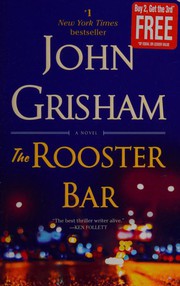
The Rooster Bar
Three law students buried in debt discover their for-profit law school is a scam, and decide the only way out is to con their way into practicing law before…
2,837-word summary · 13 min read
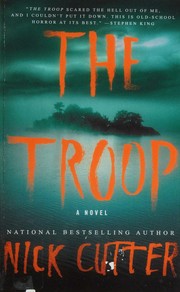
The Troop
A Boy Scout troop on a Canadian island takes in a stranger who cannot stop eating, and the worm inside him turns a camping trip into a war.
2,457-word summary · 11 min read
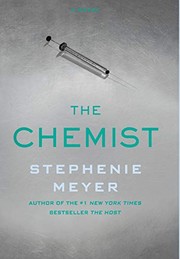
The Chemist
A former government interrogator on the run takes one last job, then learns the case she was handed was built to pit her against him.
2,249-word summary · 10 min read

Still Missing
A realtor is abducted at a Vancouver Island open house and held for more than a year. Told through therapy sessions, the novel follows her escape and the hunt…
2,466-word summary · 11 min read
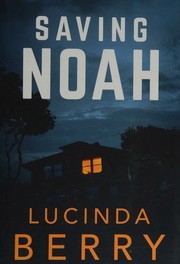
Saving Noah
A seventeen-year-old swimmer confesses to molesting two girls he coached, and his mother must decide what unconditional love is worth.
2,976-word summary · 13 min read

Bad Luck and Trouble
A deposit of $1,030 summons Jack Reacher back to his old army unit, which is being picked off one name at a time.
2,366-word summary · 11 min read

3rd Degree
The third Women's Murder Club novel follows a San Francisco terror cell and a three-day killing schedule, and it costs the club a member.
2,685-word summary · 12 min read

Worth Dying For
Reacher stops for one night in rural Nebraska and finds a family that runs the county, a missing girl and a shipment worth killing for.
2,021-word summary · 9 min read
Tinker, Tailor, Soldier, Spy
Retired spymaster George Smiley is brought back to find a Soviet mole inside British intelligence, and the trail leads through old friends, old betrayals, and…
2,092-word summary · 9 min read