
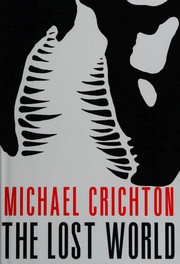
The Lost World
2,075-word summary 9 min read 416 pages in the book
- First published
- 1995
- Publisher
- Knopf
- Pages
- 416
- ISBN
- 9780679419464
- Series
- Jurassic Park (#2)
Reading options
What's inside (12 sections)
- Levine's glorious irresponsibility
- Site B and its survivors
- Kids with keyboards and wrenches
- Malcolm resurrected and lecturing
- What thrills and what lectures
- Dodgson as human predator
- Sarah Harding in the field
- Chaos theory for storytellers
- Site B versus Nublar lessons
- Who should visit Site B
- Key takeaways
- FAQ
I read The Lost World because Jurassic Park left me wanting more dinosaurs with footnotes. Michael Crichton published it in 1995 with Knopf. My reading follows the 416 page hardcover. Six years after the park disaster, chaos theorist Ian Malcolm, very much alive despite his apparent death, returns to a second island where something survived. It is the only sequel Crichton ever wrote, faster and more didactic than its predecessor.
Isla Nublar's disaster is public secret by now. InGen collapsed. Dinosaurs supposedly destroyed. Malcolm, who seemingly died closing the first book, lectures unsteadily about chaos while hiding his survival. Then rumors surface from Isla Sorna, the company's secret breeding Site B. Carcasses washing up. Research teams vanishing. Wealthy paleontologist Richard Levine, brilliant and reckless, plans an expedition and drags others along. Malcolm joins reluctantly, haunted and limping, because extinction questions interest him more than safety does.
Levine's glorious irresponsibility
Richard Levine deserves extended comic portrait as the book's engine of trouble. Brilliant, wealthy, and utterly certain that observation beats participation, he funds the expedition into teeth while ignoring every warning his own theory generates. His lectures on fieldwork courage embarrass the cautious into following. Once on Sorna he touches what should not be touched and approaches what should be fled. That recklessness drives plot more than villainy does. Dodgson schemes, but Levine volunteers everyone into jaws through curiosity unbound by sense. Readers will love and despair of him in equal measure. Science needs such men at distance. Up close they get teams killed.
Doc Thorne's trailers and toys supply the book's gadget joy amid theory. Mobile labs with armor plating. High hides with winches. Motorized nightmares painted for deterrence. Those contraptions delight tech minded readers while serving plot as rolling fortresses and traps. Eddie Carr's loyalty to machines over safety provides running humor with dark edge. He maintains what should be abandoned. His fate during raptor business punishes devotion to gear over instinct. Thorne survives to mourn with engineer's guilt. Built well. Deployed wrongly. The distinction matters for readers who make things. Tools serve judgment, not replace it.
Site B and its survivors
Isla Sorna differs from Nublar in purpose and payoff. Where Nublar staged dinosaurs for tourists, Sorna manufactured them in factories, then released the accident of freedom after shutdown. The island holds nests, herds, and predators living without fences for years. Levine wants to observe. Sarah Harding, animal behaviorist with field courage, wants to understand. Engineer Doc Thorne and assistant Eddie Carr bring trailers and toys. Kids Arby and Kelly stow away for adventure that turns survival. Corporate villain Lewis Dodgson arrives to steal eggs for Biosyn with cruelty that makes Nedry look patient.
Crichton stages the island as laboratory for his extinction thesis. Herds sicken from prion-like disease spread through sheep extract in feed. Predators overbreed. Prey collapses. The ecosystem, engineered without the full web, eats itself regardless of fences. Malcolm lectures between chases about behavior over environment as extinction driver. Those passages, lucid and provocative as science writing, slow adventure for ideas. PW's review nailed the split. Gripping thriller plus scientific fable in uneasy pairing. Readers choose which animal they prefer. Most get both whether they want them or not.
The dinosaurs themselves thrill through variety and viciousness. Camouflaging carnotaurs that vanish before eyes. Raptors with pack patience around trailers. T. rex parents defending an infant with a broken leg that Malcolm sets, a scene blending veterinary tenderness with mortal terror. Pterosaurs overhead. Compys underfoot. Crichton, who loved cutting edge paleontology, updates movement and metabolism beyond 1990 understanding. Feathers hinted. Warm blood assumed. The animals feel researched rather than movie scaled, though the 1997 film would enlarge them further. Book beasts bite with footnotes attached.
Kelly's hacking saves the day as PW noted, mirroring Lex's computer rescue in book one with deliberate symmetry. Arby's mechanical gifts complement. Those kid heroics annoyed some adult readers as formula. Young readers cheer the pattern. Crichton knew his audience spanned both and split the difference with uneasy results. Adults get extinction theory. Kids get control rooms. Everyone gets chased. That formula printed two million first copies. Commerce loved it even where critics sniffed.
Kids with keyboards and wrenches
Arby and Kelly earn extended attention as more than sequel symmetry to Lex and Tim. Arby, young Black computer talent, hacks systems adults can not penetrate while narrating his own brilliance with endearing lack of modesty. Kelly, white teen awkward and brave, handles field mechanics and dinosaur distractions with growing nerve. Their teamwork across race and gender lines reads naturally rather than assembled. Skills complement. Fear shared. Jokes exchanged mid crisis. When Kelly's hacking saves the trailers, the triumph lands because setup showed practice, not miracle. Kids who tinker survive. Adults who posture feed raptors.
Their presence also lets Crichton explore parenting under extinction pressure without slowing chases. Thorne's gruff care for both, Sarah's field instructions, Malcolm's lectures repurposed as lullabies of doom. Those dynamics warm the island's cold equations. Children ask why adults built death parks. Answers satisfy no one, including speakers. That generational accounting gives the sequel moral spine its predecessor found in Hammond's hubris. New kids. Same questions. Sharper teeth awaiting answers.
Malcolm resurrected and lecturing
Bringing Malcolm back required retconning his apparent death, which Crichton handles with a shrug worthy of Conan Doyle reviving Holmes. Rumors of death exaggerated. Limp real. The book winks at its own trick through characters noting obituaries. That metafictional nudge charmed most readers and irritated purists who prefer deaths to stick. Given Malcolm's function as chaos mouthpiece, resurrection was commercial and thematic necessity. Who else would lecture while running. His survival is the book's founding joke told straight. Reports were wrong. So are models. That is rather the point.
His lectures divide the book's reputation cleanly. Fans of ideas praise chapters on complexity, fitness landscapes, and extinction as behavior. Fans of action skim to the next roar. Both get plenty across 416 pages because Crichton alternates rhythmically. Chase, then classroom. Trailer cliff, then theory. That alternation keeps pages turning for mixed audiences while satisfying neither camp fully. The science dates in places, chaos hype cooled since the nineties, but the central warning about engineered systems outrunning models reads fresher after decades of algorithmic surprises. Models still break. Teeth still find flesh.
Sarah Harding emerges as the book's most capable human, outshining Malcolm in fieldcraft while matching him in nerve. She tracks, treats, and refuses hysteria that the genre often assigns women. Her competence attracted Spielberg's camera for the film's Julianne Moore version. Levine provides comic brilliance and narrative motor through glorious irresponsibility. Rich, certain, and wrong about risk, he funds the expedition into teeth. Doc Thorne builds impossible trailers with avuncular calm. Eddie Carr drives into danger with loyal dread. Those types orbit Malcolm's gloom like moons with toolkits.
What thrills and what lectures
What thrills is pace, dinosaurs, and set pieces engineered by a master. Trailer dangling over cliff. High hide ambush. Raptor nest infiltration. Each staged with cinematic clarity Crichton learned directing Westworld and writing ER. The 1997 film kept the trailer and fled the theory, which tells you what Hollywood valued. Readers get both whether they asked or not. Action reads fast. White space helps. Chapters end mid roar. That machinery hums regardless of theme debates. Run first. Think during water breaks.
What lectures is extinction theory at length that sometimes stalls teeth. Whole chapters of Malcolm and Levine debating fitness while dinosaurs wait off page test patience that book one balanced better. The pedagogy, while lucid, repeats its thesis past persuasion. Behavior kills as surely as asteroids. Got it. More raptors please. Young readers may bog here. Adult readers interested in science may find it thrilling in itself. Know which camp holds you before judging pace. The book serves two masters and occasionally starves both between feedings.
Length at 416 pages suits the double mission. No serious bloat, though one trailer sequence extends past plausibility even for fans. The ending offers escape without triumph. Survivors leave. Dinosaurs continue dying and breeding on their own terms. Malcolm's final musings on humility before complexity land softly after noise. That softness is deliberate come down. Roar fades. Ideas remain. Whether they console depends on reader appetite for morals with teeth marks.
Dodgson as human predator
Lewis Dodgson deserves emphasis as villainy that mirrors dinosaur teeth with corporate polish. Biosyn geneticist turned thief, he arrives on Sorna to steal eggs for competitors with hired muscle and zero field sense. His blunders cascade from arrogant to lethal with instructive precision. Loud engines near nests. Lights at night. Smells ignored. Each mistake teaches readers fieldcraft through negative example. Nature punishes unpreparedness without malice. Dodgson supplies malice separately through willingness to strand colleagues for samples. That combination of incompetence and cruelty makes him loathsome in ways pure monsters can not match. Teeth kill cleanly. Men betray first.
His fate in the dark, taken while pursuing theft past all warnings, satisfies without rejoicing. Crichton stages it as consequence rather than comeuppance speech. No monologue. Just undergrowth and sounds stopping. The book's moral accounting works through ecology rather than justice. Disrespect systems and systems digest you. That cold equation suits chaos themes better than courtroom closure would. Trials acquit. Jungles do not. Remember which jurisdiction you entered when leaving paved paths. Sorna keeps no appeals court.
Sarah Harding in the field
Sarah Harding's competence deserves standalone celebration as the book's most reliable adult. Animal behaviorist accustomed to predators that charge, she reads dinosaur body language faster than men read instruments. Her field decisions save the group repeatedly where theory paralyzes. Approach sideways. Avoid eye contact. Back away slowly. Those basics, executed under tonnage that dwarfs elephants, model expertise as calm rather than brilliance. Malcolm theorizes. Sarah acts. Both matter, but only one stops bleeding. Readers tired of screaming heroines will cheer her steadiness. She earns final girl status through skill, not script immunity.
Her romance with Malcolm stays refreshingly adult amid chaos. No grand declarations between chases. Shared glances over sedated predators. Arguments about risk that respect both positions. That mature partnership contrasts with the first book's younger couples and suits characters who survived one island already. Love after trauma looks like competence trusted. Hold this rope. Watch that flank. Those exchanges carry more erotic charge than speeches because danger strips pretense. Danger also clarifies priorities nicely. Finish the work. Hold each other after. Both, in order.
Chaos theory for storytellers
Malcolm's lectures deserve final assessment as popular science writing embedded in thriller. Fitness landscapes. Edge of chaos. Extinction as behavior. Those ideas arrive through dialogue that dramatizes rather than footnotes. Levine challenges. Malcolm responds. Thorne builds metaphors from trailers. That Socratic staging teaches better than paragraphs of exposition because disagreement keeps pages turning. Readers absorb complexity theory while awaiting teeth. Some simplifications grate on specialists, chaos hype exceeded evidence even in nineties. But direction pointed usefully toward systems thinking now standard. Read lectures as period science with live questions attached. What breaks first when models meet teeth.
Site B versus Nublar lessons
Comparing islands clarifies the sequel's darker thesis about control fantasies. Nublar failed through hubris staged for tourists. Sorna fails through neglect after abandonment, which proves wilder and harder to romanticize. No park music. No tour jeeps. Just factories rusting while animals adapt without permission. That shift from showcase to wilderness lets Crichton argue deeper point. Engineered life escapes plans faster than planned attractions collapse. Both fail. The second failure teaches more because no audience applauds. Nature works nights and weekends. Management sleeps. Teeth keep office hours no committee sets.
Who should visit Site B
Give The Lost World to Jurassic Park readers wanting the only sequel, to dinosaur fans who like science with chase scenes, to teens ready for heavier theory between teeth. It suits rainy weekends with film double features after. Do not give it to readers needing literary depth or standalone closure from formula. Pair it with the 1997 film to compare what Spielberg kept, trailer, and cut, theory.
At 416 pages I read it in three sittings, marking carnotaur pages. Malcolm starts presumed dead and ends lecturing from a hospital bed about behavior's revenge, while dinosaurs start rumored and end confirmed on their own doomed terms. That span, death faked into warning delivered, is why the sequel justifies itself past commerce. Something survived. It will not thank you. Run anyway.
FAQ
When was The Lost World published?
Knopf published it in September 1995. The hardcover runs 416 pages and the ISBN is 9780679419464.
Is it part of a series?
Yes. It is book two of Jurassic Park and the only sequel Crichton ever wrote.
What is Site B?
Isla Sorna, InGen's secret breeding Site B where dinosaurs lived unfenced for years.
Similar books
More from Jurassic Park first, then related titles.
Jurassic Park
Hammond clones dinosaurs on Isla Nublar and invites Grant, Sattler and Malcolm to certify safety before opening.
2,388-word summary · 11 min read
Congo
In Crichton's 1980 jungle thriller, Karen Ross leads a Congo expedition to find lost Zinj and its diamonds, bringing Amy, a signing gorilla, into grey gorilla…
3,013-word summary · 13 min read
Sphere
A Navy team finds a centuries-old spacecraft on the Pacific floor, and psychologist Norman Johnson faces what its sphere wakes in minds.
2,275-word summary · 10 min read
Timeline
Historians testing a quantum fax get stuck in 1357 France and must survive siege and swords.
2,109-word summary · 9 min read

Never Fade
Ruby, now a leader in the Children's League, must track down the boy whose memories she erased, because he holds the only proof of what caused the disease that…
2,188-word summary · 10 min read
Nemesis Games
The Rocinante crew scatters across the solar system just as Marco Inaros and the Free Navy bombard Earth. The Expanse reaches its turning point.
2,506-word summary · 11 min read
Seveneves
Stephenson 880-page William Morrow epic, May 2015: the Moon shatters, the Cloud Ark fails, seven women restart humanity, and heirs meet survivors on Earth.
2,389-word summary · 11 min read
The Running Man
Out of work in a broken 2025, Ben Richards enters a televised manhunt where each hour alive pays cash.
2,922-word summary · 13 min read
Under the Dome
Chester's Mill is sealed under an invisible dome as cook Barbie and editor Julia face Big Jim Rennie's rule.
2,731-word summary · 12 min read
The War of the Worlds
A Surrey writer watches Martians land in cylinders, march on London in tripods, and fall to Earth's smallest life.
2,667-word summary · 12 min read
Leviathan Wakes
A destroyed ice hauler, a missing heiress, and an alien growth pull a crew and a tired detective toward war across the solar system.
3,653-word summary · 16 min read
The Death Cure
Thomas refuses WICKED's final test, remembers too much, and runs with the Gladers toward a last cure and a ship north.
2,955-word summary · 13 min read
Dark Matter
Abducted from his Chicago family, Jason Dessen wakes in a life he never chose and fights through worlds to return.
2,707-word summary · 12 min read
Prey
Jack Forman takes a contract job at a Nevada lab in Michael Crichton's 2002 thriller Prey, where self replicating nanoparticle swarms have started hunting on…
2,959-word summary · 13 min read
The Andromeda Strain
A town dies in seconds, and a sealed lab team races a germ that learns to eat seals.
2,013-word summary · 9 min read
The Icebound Land
Captured and enslaved in Skandia, Will fights a drug that erases him while Halt and Horace cut a bloody road through Gallica to bring him home.
2,088-word summary · 9 min read
The Beach
A young backpacker follows a dead man's map to a hidden island community, then discovers what the people there are willing to do to keep it secret.
2,067-word summary · 9 min read
Prelude to Foundation
A young Hari Seldon arrives on Trantor with a theory he cannot yet prove, and a hunt through the planet-city forces him to turn psychohistory into a real…
2,013-word summary · 9 min read

Archenemies
Nova steals for the Anarchists while Adrian hides his Sentinel identity, and a serum that erases prodigy powers puts them both at risk.
2,485-word summary · 11 min read
Wilder Girls
At a quarantined boarding school off Maine, three girls with strange mutations search for a missing friend and learn what the adults have hidden.
2,594-word summary · 12 min read
The Valley of Horses
Exiled from the Clan, Ayla survives alone in a hidden valley, tames a horse and a cave lion, and nurses a wounded stranger back to life.
2,311-word summary · 10 min read
Carve the Mark
On a planet divided between conquered and conqueror, the tyrant's sister and a kidnapped oracle's son discover that their gifts make them useful to everyone…
2,340-word summary · 10 min read

The House of the Scorpion
A clone raised in a drug lord's poppy fields learns what he was made for and chooses what to do with the life he was given.
2,527-word summary · 11 min read
Sleeping Giants
A girl falls into a field and lands in a giant metal hand. Years later a secret team assembles the rest of the machine, and it chooses its own pilots.
2,466-word summary · 11 min read
Leviathan
In an alternate 1914, a prince on the run and a girl disguised as a soldier meet aboard a living airship.
2,406-word summary · 11 min read
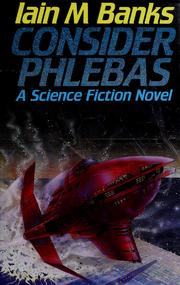
Consider Phlebas
The first Culture novel follows a spy for the opposing side, a man hired to hunt a fugitive through a war between an anarchist post-scarcity utopia and a…
2,350-word summary · 10 min read
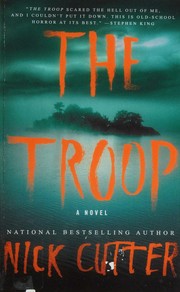
The Troop
A Boy Scout troop on a Canadian island takes in a stranger who cannot stop eating, and the worm inside him turns a camping trip into a war.
2,457-word summary · 11 min read

Still Missing
A realtor is abducted at a Vancouver Island open house and held for more than a year. Told through therapy sessions, the novel follows her escape and the hunt…
2,466-word summary · 11 min read
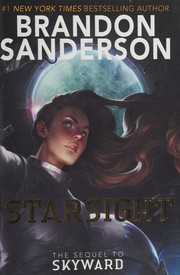
Starsight
Spensa Nightshade goes undercover aboard the Superiority space station Starsight to steal a hyperdrive, and finds a frightened bureaucracy where she expected…
2,568-word summary · 11 min read