
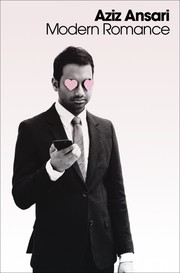
Modern Romance
2,322-word summary 10 min read 288 pages in the book
- First published
- 2015
- Publisher
- Penguin Press
- Pages
- 288
- ISBN
- 9781594206276
Reading options
What's inside (8 sections)
I came to Modern Romance sideways, the way most people did. I knew Aziz Ansari as the standup comedian and actor whose stage bits about texting and dating kept going viral among my friends. A comedy book about romance sounded like light reading, the kind you finish on a flight. What I found instead was stranger and more interesting: a comedian dragging a sociologist around the world, running a giant group chat on Reddit, and trying to figure out why finding love got harder at exactly the moment technology promised to make it easy. It was published on June 16, 2015 by Penguin Press, 288 pages in hardcover (ISBN 9781594206276), and it went on to win the Goodreads Choice Award for Non-Fiction that year. The credit on the cover belongs to Ansari, but the book is a genuine partnership with Eric Klinenberg, a sociology professor at New York University, and that partnership shapes every page.
The premise grew straight out of Ansari's act. He had been doing routines about the small miseries of modern courtship, the unanswered texts, the profile photos that lie, the strange etiquette of read receipts, and audiences kept responding like he had read their phones. Instead of stopping at jokes, he got curious about whether the confusion was real or just felt real. He contacted Klinenberg, and the two of them designed a project that mixed interviews, focus groups, an online forum, and conversations with established researchers. They talked with hundreds of people in cities on four continents of experience, and they invited strangers on Reddit to send in screenshots and stories through a forum they called Modern Romantics. Some of the prompts they posted are still funny to read: they asked people whether they research a date online beforehand and whether the web version matched the real person, whether social media had ever started or ended an affair, and whether anyone had been dumped by text. Thousands of answers came back.
A standup bit that needed a professor
The book opens with Ansari admitting the obvious. He is not a scientist. He is a guy whose job is making rooms laugh, and his expertise in romance consists of having survived it like everyone else. That honesty is doing real work. It gives him permission to ask naive questions and to translate academic ideas into bar talk without embarrassment. Klinenberg plays the straight man in the best sense, designing interview guides, pulling in findings from psychology and sociology, and stopping Ansari when a funny story starts pretending to be a conclusion.
The roll call of researchers they consulted tells you the book takes its homework seriously even when the tone stays loose. There is Eli Finkel at Northwestern on marriage and attraction, Helen Fisher at Rutgers on the chemistry of attachment, Sheena Iyengar at Columbia's business school on how people handle too many options, Barry Schwartz at Swarthmore on the paradox of choice, Sherry Turkle at MIT on what phones do to conversation, and Robb Willer at Stanford on social behavior. None of them get long chapters. They drop in like expert witnesses, each one handing Ansari and Klinenberg a lens, and then the street interviews take over again. The rhythm works: a researcher explains a pattern, and then a twenty something in a focus group demonstrates it without knowing the name for it.
Fair warning about what this method can and cannot do. Hundreds of interviews across a few cities is real legwork, and the Reddit forum added voices the authors could never have met in person. It is still not a representative sample of humanity. The stories skew young, urban, straight, and extremely online, because those are the people who show up to talk about dating with a comedian. The book is upfront about this most of the time. When it forgets to be, usually right after a hilarious anecdote, Klinenberg's footnotes and caveats are there to tap the brakes.
How our grandparents paired off
The first big idea is historical, and it reframes everything after it. For most of the twentieth century, Ansari argues, mate selection was a local and early affair. Your grandparents likely met within a few miles of where they grew up, through family, church, school, or the neighborhood, and married young. The expectations were practical. You looked for a decent person, a good provider or a good homemaker, someone your family could stand. Romance mattered, but nobody expected one person to be a soul mate, best friend, co parent, and adventure partner all at once.
Compare that with now. People marry much later, often after years of schooling and career building in big cities far from home. The pool of possible partners exploded from the kids on your block to basically everyone with a profile. And the expectations inflated to match. We went looking not for a good enough partner but for a soul mate, the one person who clicks on every level. Ansari lays this out with his family history woven in, and the contrast does more work than any single joke in the book. Once you see the shift, the modern anxiety starts looking less like personal failure and more like a structural trap. More options plus higher standards plus later deadlines equals years of searching and second guessing.
There is a sadness tucked inside this chapter that the jokes never quite bury. The old system was restrictive in ways the book does not romanticize. Women especially had far fewer choices about when and whom to marry, and leaving a bad marriage was brutally hard. Ansari and Klinenberg say this plainly. Nobody is arguing we should go back. The point is narrower and sharper: we traded one set of problems for another, and we never updated our instincts for the new game.
The shop window of online dating
The online dating chapters are the funniest in the book and, for me, the most uncomfortable to recognize myself in. Ansari walks through the whole ritual with the eye of someone who has watched friends do it for years. The profile photo selection, with its group shots that hide which person you are and its five year old pictures from a better lit era. The self descriptions that every profile seems to share, the same beloved shows, the same love of travel and food, the same claim to be laid back. The first messages, where most people write something forgettable and then wonder why nobody answers.
Under the comedy sits a real finding. People misrepresent themselves online in small, predictable ways, and everyone knows it, which breeds a low grade paranoia that poisons the first meeting. You arrive at the bar slightly suspicious that the person across from you is shorter, older, or less single than advertised, and they arrive suspecting the same of you. The book argues this suspicion tax is one reason online first dates so often feel flat even when both people are perfectly nice. You spend the evening auditing instead of connecting.
Then there is the browsing problem. Dating apps and sites turn people into tiles, and tiles invite the same behavior as any catalog. You keep swiping past perfectly good options because the next tile might be better. Ansari connects this to the paradox of choice, Schwartz's famous argument that an overload of options makes people less satisfied rather than more. Iyengar's research on choice gets the same treatment. A shelf with thirty kinds of jam sounds great until you have to pick one and then wonder forever about the twenty nine you left. Dating, the book suggests, is the jam shelf with feelings. The browsing never ends because the shelf restocks itself every morning, and every unopened profile is a small rebuke to the person you already matched with.
The read receipt spiral
If online dating is the catalog, texting is the negotiation, and this chapter lives inside the three dots of a typing indicator. Ansari and Klinenberg collected screenshots from the forum of exchanges gone wrong, and reading them is like watching slow motion car crashes. A man sends a short reply after a good first date. The woman reads five meanings into the missing exclamation point. She waits exactly as long to answer. He notices the delay and adjusts his own timing. Within a week, two people who liked each other are performing indifference at each other through glass.
The book's tour of texting norms is anthropology disguised as comedy. There are unspoken rules about who texts first after a date, how long is too long to wait, what a single word answer signals, and whether calling instead of texting reads as romantic or alarming. Older readers will find this baffling, and Ansari knows it. He stages the generation gap openly, noting how his parents' generation arranged meetings with one phone call while his peers can burn an entire evening composing seven words. Turkle's work on phones and empathy backs up the jokes: when every exchange is editable and every pause is visible, spontaneity starts to feel risky, and people armor up.
My favorite insight here is about goodwill. Texting strips out tone, timing, and face, which are exactly the channels humans use to signal kindness. A delayed answer that meant nothing, the person was in the shower, arrives as rejection. A brief answer typed on a bus reads as cold. The forum stories pile up until the pattern is undeniable: an enormous share of early dating misery is not about incompatibility at all. It is about two well meaning people misreading compressed text through tired eyes at midnight. The book cannot fix this, and to its credit it does not pretend to. It just shows you the machinery and lets you feel embarrassed on behalf of everyone, yourself included.
Four cities and what they showed
The middle of the book goes traveling, and the travel chapters are where Klinenberg's influence shows most. In Wichita, Kansas, the authors sit with older couples who married young after meeting through the tight circuits of church, family, and neighborhood. Their stories sound almost alien next to the app chapters. People describe meeting, knowing within months, and building a life without ever experiencing the modern phase of auditioning dozens of partners. Some of these marriages are deeply happy. The book does not treat them as museum pieces. It treats them as evidence for how much the surrounding structure matters, since the same human beings dropped into today's system would date exactly like everyone else.
Buenos Aires startles them in a different way. The interviewees there speak about affairs and infidelity with a casualness that stops the Americans cold. Cheating comes up as something closer to an open secret than a catastrophe, tangled with late nights, close quarters, and different expectations of marriage. Ansari plays this mostly for culture shock, and the chapter is thinner than the others, but it makes its point. The rules of romance are local. What feels like a universal moral emergency in one city is gossip fodder in another, which means at least some of what torments daters is custom rather than nature.
Paris gives them older voices. Divorced and widowed Parisians describe reentering dating late in life with a directness the younger Americans lack. They ask for what they want sooner, they waste less time on texting games, and they treat a bad date as an anecdote rather than a verdict. Tokyo is the sobering stop. Young Japanese interviewees describe brutal work hours, tiny apartments, and a growing sense that romance is more trouble than it is worth. Older customs of brokered introductions have faded without anything reliable replacing them for shy or overworked people. Falling marriage rates hover over these conversations. The authors do not diagnose Japan so much as listen, and the listening makes the chapter linger. Every city is dealing with the same phones and the same abundance, but the local answers rhyme without matching.
Good enough beats perfect
The closing argument pulls the threads together into advice, and the advice is refreshingly unglamorous. Drawing on Schwartz, the book urges readers to become satisficers instead of maximizers: decide what actually matters in a partner, find someone who meets those terms, and then stop shopping. Drawing on Finkel, it suggests that a good marriage is less about finding a perfect person than about building something sturdy with an imperfect one. And drawing on page after page of interview evidence, it suggests the smallest change of all, which is looking up. Put the phone away on the date. Answer the text like a person instead of a strategist. Treat the other tiled faces as people with commutes and colds rather than options in a catalog.
I want to be fair about the limits, because the book's charm can smuggle in more authority than it earns. The forum stories are self selected, the city samples are small, and the comedy sometimes lands on a punchline before the evidence arrives. The dating services described here have already mutated beyond recognition, since apps redesign their mechanics every year and the specific screenshots already feel vintage. Gay dating, older dating outside Paris, and dating outside big cities get thin coverage. Readers looking for rigorous science should read the researchers directly instead. This is a comedian's field trip with a professor riding shotgun, not a textbook.
Still, I finished the book thinking it had earned its award. The central diagnosis has only gotten more accurate with time. We search longer, expect more, browse constantly, and interpret tiny signals as verdicts, all while carrying a device that makes every alternative one tap away. Against that machinery, the book's plea reads less like settling and more like rebellion: pick a person, close the catalog, and do the unglamorous work of actually knowing them. It is not the funniest thing Ansari has ever made. It might be the most useful.
FAQ
Who wrote Modern Romance with Aziz Ansari?
Eric Klinenberg, a sociology professor at New York University. Ansari brings the comedy and questions while Klinenberg designs the research.
When was Modern Romance published?
Penguin Press published it on June 16, 2015. The hardcover runs 288 pages and it won the Goodreads Choice Award for Non-Fiction that year.
Does the book cover dating outside America?
Yes. The middle chapters report interviews from Wichita, Buenos Aires, Paris, and Tokyo, showing local rules around the same phones and abundance.
Similar books
The Wright Brothers
David McCullough tells the story of two self-taught Ohio brothers, working largely alone and out of a bicycle shop, who solved the problem of flight before…
2,027-word summary · 9 min read
Made to Stick: Why Some Ideas Survive and Others Die
The Heath brothers break down why some ideas vanish on contact while others lodge in memory, tracing six traits that make a message stick.
2,527-word summary · 11 min read
Cultish: The Language of Fanaticism
Amanda Montell argues that the real machinery of a cult is its vocabulary, and she traces how loaded language from 1960s communes to modern wellness brands and…
2,087-word summary · 9 min read
The Elegant Universe: Superstrings, Hidden Dimensions, and the Quest for the Ultimate Theory
Brian Greene explains relativity, quantum mechanics, and the promise of string theory without requiring a physics degree.
2,110-word summary · 9 min read

Attached
A psychiatrist and a psychologist explain adult attachment styles and show how anxious, avoidant, and secure patterns shape dating, conflict, and the search…
2,157-word summary · 10 min read
All About Love: New Visions
bell hooks borrows a definition of love as an action rather than a feeling, then spends thirteen chapters showing how hard it is to practice.
2,385-word summary · 11 min read
The World Is Flat: A Brief History of the Twenty-first Century
Thomas L. Friedman's 2005 bestseller argues that technology, trade, and open borders leveled the global playing field, and it names the ten forces that did it.
2,369-word summary · 11 min read
What the Dog Saw and Other Adventures
Nineteen New Yorker essays on pitchmen, ketchup, Enron, profiling, late bloomers and the limits of prediction, arranged in three parts.
2,049-word summary · 9 min read
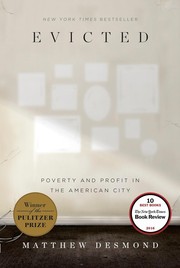
Evicted: Poverty and Profit in the American City
Desmond follows eight Milwaukee families and two landlords through a year of evictions, showing how losing a home causes poverty rather than just reflecting it.
2,032-word summary · 9 min read
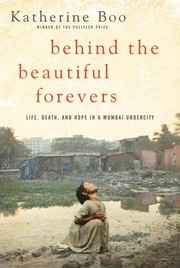
Behind the Beautiful Forevers: Life, Death, and Hope in a Mumbai Undercity
Life in a Mumbai slum near the airport, where families hustle for a better future.
2,406-word summary · 11 min read
Tiny Beautiful Things: Advice on Love and Life from Dear Sugar
Dear Sugar answers letters on love, grief, and work with tough empathy drawn from her own losses.
2,253-word summary · 10 min read
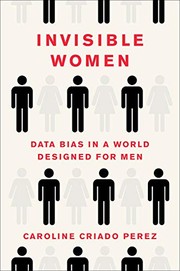
Invisible Women: Data Bias in a World Designed for Men
Data treating men as default harms women in medicine, work, transit, and design, with fixes from studies worldwide.
2,316-word summary · 10 min read

Three Women
Three American women tell years of desire, grooming, marriage and arrangement.
1,983-word summary · 9 min read
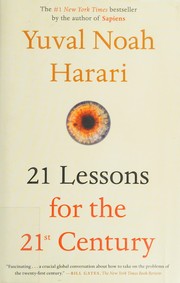
21 Lessons for the 21st Century
Twenty one essays on work, liberty, truth, and meaning when algorithms flood the world with noise.
2,101-word summary · 9 min read
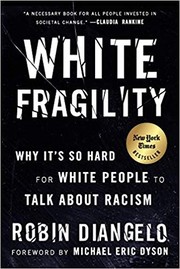
White Fragility: Why It's So Hard for White People to Talk About Racism
DiAngelo's 2018 bestseller on why cross-racial talk about racism stalls, and what white readers can practice instead.
2,904-word summary · 13 min read
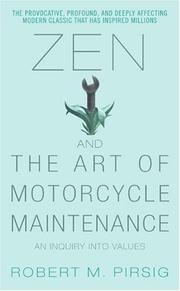
Zen and the Art of Motorcycle Maintenance
Father and son ride west while lectures on Quality and past madness intrude.
2,180-word summary · 10 min read
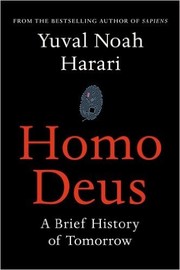
Homo Deus
After ruling the world, humans chase upgrades and delegate feeling to systems that know patterns.
2,013-word summary · 9 min read
Bad Blood
How Theranos sold finger prick miracles, faked tests, and silenced staff who knew patients were at risk.
2,021-word summary · 9 min read
Talking to Strangers
Gladwell asks why we misread strangers, from spies and frauds to traffic stops, and why good intentions still fail.
2,836-word summary · 13 min read
Zero to One: Notes on Startups, or How to Build the Future
Thiel argues monopolies create value through vertical progress, not by copying competition.
2,582-word summary · 11 min read
The Lean Startup
Ries lays out Build-Measure-Learn, MVPs, pivots and validated learning for building companies under extreme uncertainty.
2,581-word summary · 11 min read
Everything I Know About Love
Dolly Alderton recalls bad dates flatshares and female friendship in her twenties memoir.
2,194-word summary · 10 min read
The Five Love Languages
Chapman maps words, time, gifts, service, and touch through counseling stories and the empty love-tank idea.
3,122-word summary · 14 min read
The Tipping Point: How Little Things Can Make a Big Difference
How tiny shifts push ideas and products past a tipping point into epidemics.
2,014-word summary · 9 min read
Outliers: The Story of Success
Success comes from practice, timing, and hidden chances more than talent alone.
1,934-word summary · 9 min read
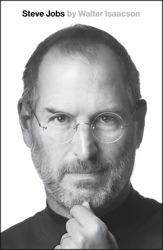
Steve Jobs
Walter Isaacson's authorized Steve Jobs: forty interviews covering the garage, the 1985 ouster, Pixar, and the return that made the iPhone.
2,415-word summary · 11 min read
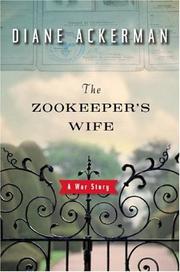
The Zookeeper's Wife: A War Story
The directors of the Warsaw Zoo hid roughly three hundred Jews in empty cages and outbuildings after the German invasion, while Jan worked for the resistance.
2,065-word summary · 9 min read
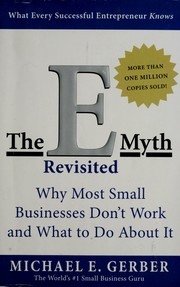
The E-Myth Revisited
Gerber argues that most small businesses are run by technicians who own a job rather than a business, and that the fix is a system that runs without them.
2,169-word summary · 10 min read

Sybil
A 1973 case study of a woman treated for multiple personalities, and the book that made dissociative identity disorder a household phrase.
2,054-word summary · 9 min read
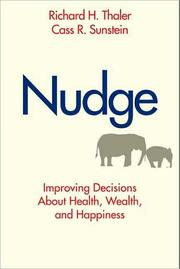
Nudge: Improving Decisions About Health, Wealth, and Happiness
Thaler and Sunstein show how defaults, framing, and social cues steer choices, and argue for choice architecture with an opt-out.
3,146-word summary · 14 min read