
Bad Blood
2,021-word summary 9 min read 352 pages in the book
- First published
- 2018
- Publisher
- Alfred A. Knopf
- Pages
- 352
- ISBN
- 9781524731656
Reading options
What's inside (6 sections)
I read Bad Blood like a thriller even though I knew the ending. Theranos collapsed. Elizabeth Holmes was convicted. Still, John Carreyrou reporting made my stomach tighten. It came out in 2018 from Knopf, 352 pages in hardcover. Carreyrou was the Wall Street Journal reporter who broke the story. He follows how a nineteen year old Stanford dropout built a nine billion dollar blood testing company on machines that did not work, and how many smart people helped her hide it.
If you lived through the hype, you remember the black turtleneck, the deep voice, the Time covers. Holmes said Theranos finger prick test could run hundreds of tests from one drop. Walgreens signed on. Safeway built clinics. Henry Kissinger and George Shultz joined the board. The technology never worked. Patients got wrong results. Employees who spoke up were followed by lawyers.
The pitch
Holmes starts with a real fear of needles and a real interest in engineering. At Stanford she files patents, drops out with professor support, and founds Theranos in 2003. Early investors give millions on slides and charisma. She hires smart engineers and sets impossible goals. Miniaturize big lab machines into a box called Edison. Run all tests from drops. Do it fast and in secret.
Carreyrou shows how secrecy became culture. Different teams could not talk. Engineers worked on parts without seeing wholes. Good results were cherry picked. Failed tests were deleted as outliers. When the Edison gave wrong potassium or cancer marker numbers, staff were told to rerun until something plausible appeared, then report that.
The board is stunning. Former secretaries of state, generals, a Wells Fargo CEO. Almost no one with lab medicine background. They trusted Holmes story about changing the world and her ability to raise money. Board meetings featured demos with rigged machines. One demo for Walgreens used commercial machines hidden in back while Edison boxes sat in front. The partner did not check. That detail made me angry. A pharmacy chain trusted what it wanted to see.
Money poured. At peak, valuation hit nine billion. Holmes owned half on paper. She bought a house, hired security, cultivated a Steve Jobs image down to the voice. Carreyrou notes former staff who say the low voice was put on. It sounds petty until you see the pattern. Image over substance, always.
Sunny Balwani role needs emphasis because he was the daily enforcer. A wealthy software executive twenty years older, he dated Holmes in secret while serving as president and COO. Staff describe shouting meetings, all hands emails at 2 a.m., firings for asking about validation. He tracked who badged in late. He split teams so no one saw full failure. He approved the surveillance of Tyler Shultz, including hiring investigators to follow a twenty something grandson of a board member. When Holmes charmed outsiders, Balwani scared insiders. The pair worked like a lock and key. One promised the future. One punished questions about the present.
Board dynamics get a full chapter for a reason. George Shultz, Henry Kissinger, James Mattis, Bill Frist, Richard Kovacevich. Serious names with no lab experience. They met in elegant rooms, watched videos, heard Holmes speak about soldiers dying for lack of tests. Mattis pushed for field use because he wanted to save troops. Frist, a doctor, asked better questions than most but accepted promises of peer review that never came. Kovacevich worried about numbers but stayed for potential. None demanded raw proficiency data before endorsing. Carreyrou does not call them corrupt. He calls them incurious in a way money and prestige made easy. That phrasing stuck with me. Incurious is worse than fooled. It is a choice.
I liked that Carreyrou does not paint Holmes as a lone genius of fraud. He shows helpers. Her boyfriend and COO Sunny Balwani ran daily operations with bullying and paranoia. Lawyers threatened whistleblowers. PR firms planted stories. Scientists who should have known better signed validation reports without running samples. The system wanted a young female founder story and paid for it.
The machines that did not work
The middle chapters are technical in a clear way. Blood testing is hard. A finger prick gives tiny volume. Diluting to run many tests adds error. Edison devices jammed, overheated, gave different results on same sample. Theranos ran most patient tests on modified Siemens machines while claiming Edison did them. That is not a startup shortcut. That is fraud with patient blood.
Carreyrou walks through parameters one by one. Potassium spikes that could send someone to ER. Thyroid numbers that change doses. PSA for prostate screening. HIV tests with false confidence. A pregnant nurse got a wrong result and panicked. A woman was told she miscarried based on a bad test. These are not hypotheticals. They are people who made medical choices on lies.
Walgreens rollout is the heartbreak. Clinics opened in Arizona stores. Patients chose Theranos because it was cheap and easy. One drop, quick results. Few knew results came from hacked commercial analyzers or from Edison runs that staff did not trust. When Arizona lab inspectors visited, Theranos showed Potemkin workflows. Regulators left satisfied. Staff who knew the truth felt sick.
The lab chapters show good people trapped. Young chemists who joined to help patients found themselves deleting data. Some quit and were threatened with lawsuits over NDAs. Some stayed and tried to fix from inside, working nights to calibrate. One, Erika Cheung, kept notes and emails. Another, Tyler Shultz, grandson of board member George Shultz, tried to tell his grandfather and was cut off from family money and followed by private investigators. His courage carries the book.
I found these sections the most readable because Carreyrou explains without drowning. He says what a test should do, what Edison did, and what staff did next. Diagrams would help, but words suffice. You do not need science background to feel the wrongness of rerunning a control until it passes.
Regulators deserve their own beat because they almost missed it. The FDA cleared one herpes test through a narrow path, which Theranos marketed as full approval. Arizona allowed lab developed tests with light oversight. It took a surprise CMS inspection in 2015, after Journal stories, to document what staff knew. Surveyors found unqualified staff running tests, results released without review, temperatures out of range, and proficiency samples handled specially. The report language is dry and damning. Immediate jeopardy to patient health. Theranos appealed, promised fixes, failed revisit. That paper trail, more than any interview, ended the Walgreens deal. When a federal agency writes jeopardy, lawyers cannot spin it as growing pains.
Walgreens own failures get fair scrutiny. The pharmacy wanted testing revenue as prescriptions thinned. Its innovation team fell for demos and skipped lab diligence. One consultant who raised concerns was sidelined. Contracts gave Theranos control of data. By the time pharmacists complained about customer calls over weird results, millions had been spent building clinics. Carreyrou shows emails where Walgreens staff ask for basic validation and get glossy decks in return. The lesson is blunt. If you put your logo on blood results, bring your own lab experts to the demo and demand to see venous draws compared side by side.
The reporting fight
Halfway through, the book turns on Carreyrou himself. He gets a tip in 2015 from a former employee. He starts calling. Theranos hires the law firm Boies Schiller, which threatens sources and the Journal. The company follows Carreyrou, parks outside his house, tries to get him fired. The Journal lawyers hold firm because Carreyrou has documents.
Sources risk a lot to talk. They meet in coffee shops, turn off phones, bring USB drives. Erika Cheung flies to meet him. Tyler Shultz talks despite family pressure. Lab experts explain results. A former Apple designer describes Holmes obsession with the miniLab look over function. Each interview adds a brick. Carreyrou protects names, confirms twice, writes carefully.
Publication in October 2015 does not kill Theranos at once. The company calls it a hit job. Investors circle. Holmes goes on TV and says they will publish data. They never do in a way that holds. Regulators visit for real this time. The Centers for Medicare and Medicaid Services finds failures that threaten patient safety. Walgreens sues. Safeway writes off 350 million. Partnerships die one by one.
What I admired was patience. Carreyrou does not rush to print rumor. He waits for lab reports, emails, demo logs. When Theranos says the Journal has it wrong, he prints their response and then shows documents that undo it. That methodical tone makes the outrage land harder than adjectives would.
There is a sad scene with George Shultz. The old statesman believes Holmes over his grandson for months. He hosts Theranos meetings at home. Tyler brings proof. His grandfather says Elizabeth has answers. Only after regulators act does Shultz step back. Family holidays never recover. Power and loyalty can blind even serious people. Tyler later says he does not regret speaking because patients deserved truth more than his family deserved comfort. That line reframes whistleblowing from betrayal to duty, which is how the best staff saw it even while lawyers called them thieves.
Collapse and trial context
The last chapters move fast. Theranos voids years of test results. It lays off staff. It pivots to a new machine called miniLab that also does not work. Investors sue. The SEC charges Holmes and Balwani with fraud. Holmes settles, pays a fine, gives up control. Criminal charges follow later, after the book manuscript, but Carreyrou outlines the path clearly.
He also asks why. Holmes wanted to be rich and admired, yes, but many founders do without faking blood tests. Balwani wanted control. The board wanted access. The press wanted a heroine. The Valley wanted a story that hardware could move as fast as software. Theranos promised to disrupt labs the way apps disrupted taxis. Bodies do not disrupt. Chemistry has limits. Hype ignored that.
The book avoids easy moralizing about ambition. It praises real Theranos engineers who tried to make the tech work and then told truth at cost. It names journalists, regulators, and patients who pushed. It saves anger for those who knew and chose money. Lawyers who threatened nurses. Executives who signed false statements. Directors who never asked to see raw data.
I finished feeling tired in a useful way. Due diligence matters. A famous board is not a technical review. A good mission does not excuse bad numbers. If a demo cannot be inspected, walk away. If employees cannot talk to each other, something is wrong. Those lessons apply beyond startups.
What dragged was repetition of fundraising rounds. How many times can a billionaire wire money after a slide deck. After the third round, I skimmed names. Carreyrou includes them for record, which historians will thank him for, but readers will feel the loop. The point, that money chased story, lands early.
I also wanted more patient voices. We get a few cases with impact, but most chapters follow staff and reporters. A longer section with patients who got wrong results would balance the engineer focus. Carreyrou protects privacy, which is right, but the harm feels a step removed compared to office drama.
Still, as business nonfiction, it is top tier. Clear, sourced, paced like a novel without inventing scenes. Notes and index help. If you liked The Smartest Guys in the Room or Empire of Pain, read this next. A final practical takeaway stayed with me. Ask who ran the control. In labs, controls are known samples that prove the machine works that day. Theranos staff knew controls failed and were told to keep testing patients anyway. Every field has a version of controls, flight checklists, bank reconciliations, code tests. When leaders say skip the check to hit a date, leave or report. Bad Blood shows what happens when no one stops the line.
Content notes. Medical harm from false test results, including pregnancy loss scare and cancer marker errors. Workplace bullying, surveillance, legal threats against whistleblowers. Family estrangement. No graphic medical detail beyond lab descriptions. Some strong language in quoted emails.
FAQ
Did the Edison device work?
No. Edison boxes jammed and gave unstable results. Most patient tests ran on modified commercial machines while the company claimed Edison did them.
What finally stopped Theranos?
The Journal stories in 2015, then a CMS finding of immediate jeopardy to patient health. Walgreens sued, partners left, results were voided, and fraud charges followed.
Similar books
More like Bad Blood →
Zero to One: Notes on Startups, or How to Build the Future
Thiel argues monopolies create value through vertical progress, not by copying competition.
2,582-word summary · 11 min read

The Lean Startup
Ries lays out Build-Measure-Learn, MVPs, pivots and validated learning for building companies under extreme uncertainty.
2,581-word summary · 11 min read
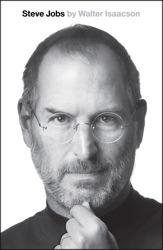
Steve Jobs
Walter Isaacson's authorized Steve Jobs: forty interviews covering the garage, the 1985 ouster, Pixar, and the return that made the iPhone.
2,415-word summary · 11 min read
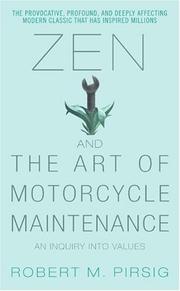
Zen and the Art of Motorcycle Maintenance
Father and son ride west while lectures on Quality and past madness intrude.
2,180-word summary · 10 min read

I'll Be Gone in the Dark
Michelle McNamara hunted the Golden State Killer for years; she died in 2016, and her team finished this book before his 2018 arrest.
2,155-word summary · 10 min read

Good to Great: Why Some Companies Make the Leap... and Others Don't
A five-year study of 11 companies that leapt ahead shows Level 5 leaders, right people, hedgehog focus and flywheel momentum explain lasting gains.
2,374-word summary · 11 min read