
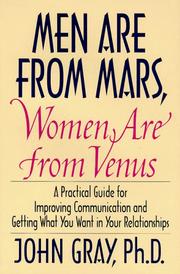
Men Are from Mars, Women Are from Venus
2,073-word summary 9 min read 286 pages in the book
- First published
- 1992
- Publisher
- HarperCollins
- Pages
- 286
- ISBN
- 9780060168483
Reading options
What's inside (8 sections)
I found this book the way most people my age did. It sat on a shelf in someone else's living room, spine cracked, lent out and returned more than once. John Gray published it in 1992 with HarperCollins, and the first edition ran to 286 pages. It went on to shape how a whole generation talked about coupledom, for better and for worse. I picked it up expecting dated jokes. I put it down with a few habits I still catch myself using.
That is the honest split with this book. The theory of the sexes is crude, and much of it has aged badly. The daily habits are good. Gray was a counselor who had sat with hundreds of couples, and he noticed the same fights repeating with different faces. He wrapped what he saw in a cartoon metaphor. Strip the cartoon away and plenty remains.
A metaphor that ate the nineties
Gray opens with a fable. Once, Martians and Venusians met, fell in love, and flew to Earth together. Then they woke with amnesia and forgot they came from different planets. Everything since has been one long misunderstanding.
It is silly. It also worked, because it gave couples a shared language. Instead of saying "you are cold and broken," a wife could say "you have gone to your cave." Instead of saying "you are hysterical," a husband could say "I forgot she is from Venus." The labels sound goofy now. At the time they let people describe a fight without assigning blame, and that small shift kept many arguments from turning cruel.
Gray's claim underneath the fable is simple. Men and women tend to handle pressure in opposite ways, misread each other, and then fight about the misreading instead of the problem. He spends the rest of the book proving it through scenes anyone partnered up will recognize. The scenes carry the book. The planet talk is just packaging.
One warning before going further. Gray writes about heterosexual couples almost exclusively, and about men and women as two fixed types. Readers outside that frame will have to translate as they go. I will note where the translation breaks down at the end.
When he shuts down and she talks
The most famous chapter sets up two characters. Mr. Fix-It and the home-improvement committee.
When a woman is upset, Gray says, she usually wants to talk it through. Talking is how she processes. She will pour out the day in no particular order, touching five troubles at once, and feel better simply for being heard. When a man hears this flood, his instinct is to fix. He interrupts with solutions. He tells her what she should have done. He minimizes what she feels so she will stop feeling it and he can get back to peace.
She hears dismissal where he meant help. He feels unappreciated after trying to help. Both walk away stung.
The mirror image runs the other way. When a man is upset, Gray says, he withdraws. He goes quiet, turns inward, maybe drives or putters in the garage. Gray calls this retreating into his cave. He is chewing the problem over alone and will come back out when he has an answer or has cooled down. His partner sees the silence and reads rejection. She follows him to the mouth of the cave with questions. He feels crowded and pulls further in. She feels shut out and knocks louder.
The fix Gray proposes is plain. When she talks, he should listen and hold back the advice. Nod. Ask a brief question. Resist the urge to solve what only wanted airing. When he goes quiet, she should give him room and do something pleasant for herself instead of chasing him. He will come back sooner if nobody stands guard at the cave door.
There is a list of phrases to stop saying that still reads well. Things like "you shouldn't feel that way" or "how could you think that" or "just forget about it." Gray points out that each one tells the other person their feelings are wrong. He suggests swaps. "Tell me more" instead of a rebuttal. Silence that listens instead of silence that punishes. It is basic stuff, and couples in his office apparently needed it badly, and plenty still do.
The line I kept coming back to is this one: nobody needs to be fixed, most days, just heard.
Rubber bands and waves
Two more metaphors do heavy lifting in the middle of the book. Men are like rubber bands. Women are like waves.
A rubber band stretches away and then snaps back. Gray means that a man in love will feel close for a while, then suddenly need distance. He pulls back, spends time with friends or work or his own thoughts, and then returns warmer than before, on his own schedule. The mistake, Gray says, is chasing the stretch. A partner who panics and demands closeness right then teaches him that intimacy means being crowded. A partner who stays steady while he drifts usually finds him landing back beside her.
Women, in Gray's picture, move like waves. Feeling loved and capable, then dipping for no visible reason, then rising again. During the dip, old hurts surface. Small things sting. She may cry or go quiet or pick a fight about nothing. The mistake here is treating the dip as a problem to solve or a verdict on the relationship. Gray says the wave always rises again if she feels heard through the low part. What helps is presence. Hugs. Listening. Little proofs of care. What hurts is a pep talk, a lecture, or walking away hurt.
You can see why therapists kept recommending this book even while rolling their eyes at the planets. The two patterns give names to things that otherwise feel personal. He is not leaving me, he is stretching. She is not falling apart, she is in a trough. Names calm people down. Calm people fight fairer.
They are also, plainly, generalizations stretched thin across a whole sex. Plenty of women need caves. Plenty of men ride waves. Gray admits variation in passing and then writes as if he forgot. Take the patterns as common moves people make, not as wiring diagrams, and they stay useful.
Twelve needs, two lists
The heart of the book, for me, is the chapter on emotional needs. Gray lists six a man tends to rank highest and six a woman tends to rank highest. For him: trust, acceptance, appreciation, admiration, approval, encouragement. For her: caring, understanding, respect, devotion, validation, reassurance.
Read them slowly and they explain a lot of ordinary misery. He comes home quiet and she asks worried questions, which he reads as distrust. She tells him her troubles and he offers brisk fixes, which she reads as proof he does not care. Each is starving the other while trying to feed them, because each feeds the other what they themselves would want.
Gray is good on motivation too. A man grows kinder, he says, when he feels needed and trusted. Tell him his help matters and he helps more. Hover, correct, or do everything yourself and he checks out. A woman opens up, he says, when she feels cherished. Show care without being asked and she gives more. Take her for granted and she closes like a shop at dusk.
There are practical bits attached. Men should practice small acts of care without keeping score. Women should practice asking for help in ways that let him succeed. Both should learn the other's first language instead of shouting louder in their own.
The lists can feel transactional on the page, like a vending machine theory of love. Put in trust, get devotion. Real people are messier. Someone grieving or ill or furious about money will not respond on script. Still, as a diagnostic tool the lists earn their keep. When my own household goes cold, it is almost always one of these twelve running empty.
Points, letters, and asking out loud
The scoring chapter is the one couples quote at each other for years. Gray says men and women count points differently. He thinks one grand gesture earns fifty points. She counts every act as one point, grand or small. So he skips the daily work, surprises her with a weekend trip, and feels generous. She remembers the weeks of unmade coffee and unasked questions, and feels unseen. He cannot understand her arithmetic. She cannot understand his.
The cure is unglamorous. Do small things often. Remember the call. Ask about the appointment. Touch in passing. Gray insists these one-point acts add up faster in a partner's heart than any single sweeping gift. It reads like common sense now, partly because this book made it common.
Then there is the love-letter technique, meant for fights that keep circling. Each person writes out the anger, hurt, fear, and sadness in full, without editing, and then writes the loving response they wish the other would give. Most of the time Gray says you will not even need to hand the letter over. Naming each layer drains the charge, and the wished-for response tells you what to ask for directly. I tried it once on paper over a stupid disagreement about weekend plans. It felt theatrical. It also worked, because by page two I realized I was not mad about Saturday at all.
On asking, Gray is blunt. Partners, and in his telling especially women, often hint and then resent the miss. He advises short, direct requests stated positively. Say what you want, not what you object to. Ask rather than demand, and accept a no without punishment so that yes keeps meaning something. He even covers how to say no kindly, with honesty plus a counteroffer, instead of the slow yes that curdles into a grudge.
The chapter on avoiding arguments collects the ways people shut down: going blank, going along falsely, giving in just to end it, or turning cold. Gray's alternative is pausing with a time attached. We stop now, we return at eight, nobody storms off into the night. Simple. Unromantic. The kind of rule that saves furniture.
What still works and what dates it
Time to be fair about the flaws, because they are large.
First, the gender picture is rigid. Gray writes as if all men arrive from one planet and all women from another, each with fixed natures. Research since has stressed how much overlap exists between the sexes on traits like talkativeness, risk appetite, and emotional range. Culture shapes the rest. Many same-sex couples read this book and had to do all the translating themselves, which is a real failure for a book about communication.
Second, the evidence is anecdote, not study. Gray reports what he saw in his practice and on seminar stages, and his crowds nodded along. Nodding is not data. Some of his claims about what men and women need read more like nineties California than universal law.
Third, the book repeats itself. The same cave gets visited many times. The rubber band stretches across chapters. A sharper edit could have cut a fifth. Readers who like their advice dense will fidget.
And yet. I keep thinking about three habits that have nothing to do with planets. Give a stressed person the response they actually want, not the one you would want. Count the small daily kindnesses instead of banking on grand ones. Ask for what you need in plain words before resentment writes the request for you.
Those three habits would steady most households, whatever the genders inside them. Gray deserves credit for packaging them so plainly that tired, busy, half-listening people could use them the same night. That is why the book outlived its fable.
Who should skip it? Anyone who needs help with contempt, control, or cruelty should look past this shelf entirely and toward a counselor or a book on harmful patterns. Gray assumes goodwill on both sides. Where goodwill is gone, his tools cannot bring it back.
For everyone else, read it the way you would listen to a friend's experienced uncle. Take the stories. Test the habits. Argue with the planets. Keep what lowers the temperature in your own kitchen, and leave the rest on the shelf for the next guest to borrow.
FAQ
When was Men Are from Mars, Women Are from Venus published?
John Gray published it in 1992 with HarperCollins. The first edition ran to 286 pages and it is a standalone work.
Is the book only for married couples?
No. Gray wrote it for married couples, but the habits suit dating partners and even close friends: listen without fixing, ask plainly, and count small kindnesses.
Does the science behind the Mars and Venus idea hold up?
Only loosely. Later work on gender finds more similarity than difference, so treat the ideas as habits that often help rather than rules about all men or all women.
Similar books

Attached
A psychiatrist and a psychologist explain adult attachment styles and show how anxious, avoidant, and secure patterns shape dating, conflict, and the search…
2,157-word summary · 10 min read
All About Love: New Visions
bell hooks borrows a definition of love as an action rather than a feeling, then spends thirteen chapters showing how hard it is to practice.
2,385-word summary · 11 min read
The Five Love Languages
Chapman maps words, time, gifts, service, and touch through counseling stories and the empty love-tank idea.
3,122-word summary · 14 min read
What Happened to You?
Oprah Winfrey and psychiatrist Bruce Perry explain how early experience shapes the brain, and why asking what happened to someone works better than asking what…
2,238-word summary · 10 min read

The Courage to Be Disliked: The Japanese Phenomenon That Shows You How to Change Your Life and Achieve Real Happiness
A philosopher and an angry young man argue over five nights about Adlerian psychology, trauma, approval, and the freedom to be disliked.
2,054-word summary · 9 min read

Moonwalking with Einstein: The Art and Science of Remembering Everything
A journalist spends a year training for the U.S. Memory Championship and discovers that extraordinary memory is mostly technique, attention, and a lot of…
2,027-word summary · 9 min read
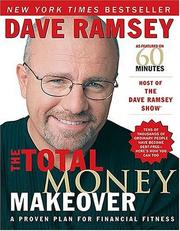
The Total Money Makeover: A Proven Plan for Financial Fitness
Dave Ramsey lays out seven Baby Steps, from a $1,000 starter fund to a paid-off house, with the debt snowball at the center.
2,663-word summary · 12 min read
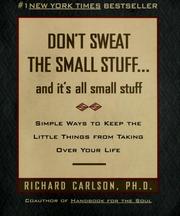
Don't Sweat the Small Stuff ... and It's All Small Stuff: Simple Ways to Keep the Little Things from Taking Over Your Life
Richard Carlson’s 1997 bestseller offers one hundred short chapters on lowering the volume on daily irritations, and it is more pragmatic than its title…
2,502-word summary · 11 min read
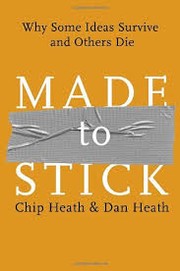
Made to Stick: Why Some Ideas Survive and Others Die
The Heath brothers break down why some ideas vanish on contact while others lodge in memory, tracing six traits that make a message stick.
2,527-word summary · 11 min read

Four Thousand Weeks: Time Management for Mortals
Oliver Burkeman turns the whole productivity project on its head, arguing that a human lifespan of roughly four thousand weeks is not a problem to optimize…
2,447-word summary · 11 min read

2 States: The Story of My Marriage
A Punjabi boy from Delhi and a Tamil Brahmin girl from Chennai meet at IIM Ahmedabad, and turn a love marriage into a campaign to convince two families.
2,634-word summary · 12 min read
The Road Less Traveled: A New Psychology of Love, Traditional Values and Spiritual Growth
M. Scott Peck argues that maturity begins with accepting difficulty, then builds discipline, love, and spiritual growth through honest, often painful work.
2,200-word summary · 10 min read
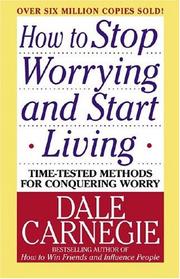
How to Stop Worrying and Start Living
Carnegie offers day-tight routines for worry built from interviews and worker stories.
2,505-word summary · 11 min read
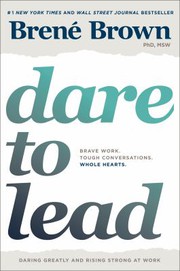
Dare to Lead
Research on courage shows how leaders build trust through vulnerability and clear values.
2,442-word summary · 11 min read
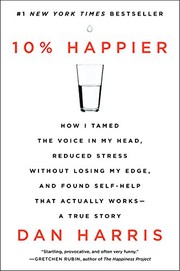
10% Happier
An ABC newsman panics on air, then finds meditation without losing his edge.
2,590-word summary · 12 min read
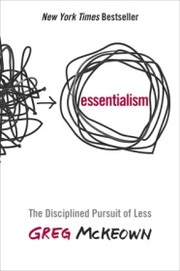
Essentialism
McKeown argues for less but better: discern the vital few, refuse the trivial many, and use buffers, small wins, and steady routines so key work gets done well…
2,421-word summary · 11 min read
Braving the Wilderness: The quest for true belonging and the courage to stand alone
Belonging to yourself first lets you stand alone and still stay close to others.
2,004-word summary · 9 min read

The Untethered Soul
Singer names the noisy inner voice and shows how watching thoughts, loosening old hurt, and keeping the heart open through surrender can ease daily suffering…
2,752-word summary · 12 min read
The Art of Happiness
The Dalai Lama and psychiatrist Howard Cutler link lasting happiness to training the mind, human warmth, compassion, and basic spiritual values for daily life.
3,394-word summary · 15 min read

Tiny Beautiful Things: Advice on Love and Life from Dear Sugar
Dear Sugar answers letters on love, grief, and work with tough empathy drawn from her own losses.
2,253-word summary · 10 min read
Grit
A psychologist argues sustained passion plus perseverance beats raw talent, and shows how grit can be grown.
2,432-word summary · 11 min read
Emotional Intelligence
Goleman argues self awareness and empathy shape success more than IQ alone.
2,026-word summary · 9 min read

The Perfect Child
Adoptive parents split over whether their traumatized six year old harms.
1,955-word summary · 9 min read
Influence: The Psychology of Persuasion
Six levers plus unity explain why people say yes, learned undercover in salesrooms and labs.
2,030-word summary · 9 min read
The Happiness Project
Gretchen Rubin spends a year testing monthly resolutions on energy, marriage, work, parenting, and play, tracking small habits to build a happier ordinary…
3,516-word summary · 16 min read
The Gifts of Imperfection
Shame research turned into ten guideposts for dropping perfectionism and living with courage and connection.
2,799-word summary · 12 min read
A New Earth
Tolle maps ego pain and shows how presence can loosen roles, thoughts, and suffering.
1,909-word summary · 8 min read
Start with Why
Great leaders start with Why before How and What, from Apple to King.
2,206-word summary · 10 min read

12 Rules for Life
Twelve essays on responsibility from posture to truth to petting cats.
2,045-word summary · 9 min read
Think and Grow Rich
Hill teaches desire, faith and autosuggestion, distilling lessons from Carnegie interviews into thirteen principles for success.
2,458-word summary · 11 min read