
Start with Why
2,206-word summary 10 min read 255 pages in the book
- First published
- 2009
- Publisher
- Portfolio
- Pages
- 255
- ISBN
- 9781591842804
Reading options
What's inside (8 sections)
I picked up Start with Why because my team at work kept arguing about mission statements and I wanted something shorter than a management course. Simon Sinek published it with Portfolio in 2009, a 255 page business book with ISBN 9781591842804. His argument is simple and sticky. Great leaders start with Why, the purpose behind what they do, then explain How and What. Most companies do the reverse, listing features and hoping people care. Apple, Martin Luther King Jr., the Wright brothers, all started with a belief that pulled others in. It is not a biography or a manual. It is one idea with stories to hold it. I finished it in two evenings and argued with it for a week, which is probably the point.
Sinek opens with the Golden Circle, three rings with Why in the center, How around it, What outside. Most marketing lives outside in. We make great computers. They are fast. Buy one. Sinek says inspiring leaders talk inside out. We believe in challenging the status quo. We make tools for creators. Want to join. That shift from features to belonging explains why people camp for Apple launches but yawn at faster Dell specs. I thought about my own buying. I bought a notebook brand for years because their founder wrote about paper as thinking, not because GSM was best. Why hooked me. What kept me only after. That personal test made the model click better than any chart. Ask what you buy for belonging rather than specs. Answers come fast.
Apple as example gets the most pages and the most criticism. Sinek says Apple sells Why, think different, challenge, while competitors sell speeds. True enough in 2009 when the book came out and Apple felt insurgent. Reading in 2026 after years of Apple as giant, the example wobbles. Is Apple still Why driven or just premium. Sinek would say they drifted when What overtook Why, which is convenient because the theory can never fail, only execution. That circularity bothered me. If success proves Why and failure proves lost Why, how do you test. Still, as a communication tip rather than law, it helps. Lead pitches with purpose before specs. Audiences lean in. I rewrote a presentation after reading, opening with why our project matters to users instead of roadmap. Questions improved. Small win. Take the tip, skip the physics envy.
King, brothers, and trust
Martin Luther King Jr. gets a chapter that moved me despite simplification. Sinek notes King was not the only civil rights leader with good ideas, but he drew a quarter million to Washington because he spoke of a dream, a Why, not a plan. I have a dream, not I have a twelve point bill. That framing honors oratory without reducing movement to one man, though the book leans too far toward great man telling. It barely names organizers, women, local chapters who did How and What daily. Bayard Rustin gets a nod if that. Readers who know movement history will want more credit to collective. Take the communication lesson, that vision pulls, and supplement with histories that name many. Why inspires, but many hands carry. Both true. Sinek stresses first half. You supply second.
The Wright brothers versus Samuel Langley gives the book its best underdog story. Langley had money, press, Smithsonian backing to build first airplane. The Wrights had a bike shop and belief in flight for all. Langley quit after failing. The Wrights kept because cause exceeded prize. Sinek uses it to argue money and credentials lose to purpose. Partly true and partly myth. The Wrights were also skilled engineers who tested obsessively. Purpose helped them persist through failures, but craft made flight possible. I liked that Sinek includes their wind tunnel tinkering, not just dreams. Why without How crashes. He says that, though quieter than slogans. If you lead a team, pair the chapter with a methods book. Purpose sets direction. Practice builds wings. Need both. Do not let Why excuse sloppy How. The Wrights did not. Neither should you.
Trust as biology gets a chapter that overreaches and still charms. Sinek maps Golden Circle to brain, neocortex for What, limbic for Why and feelings, arguing people buy on feeling then justify with facts. Brain science here is pop, not peer reviewed. Limbic does more than feelings. Decisions involve both. Take it as metaphor, not scan. As metaphor it explains why specs rarely move us. We feel belonging first. I noticed this buying coffee. I claim to compare roast notes. I really return to the shop where baristas remember my name. Why, I belong, beats What, twelve ounce. Naming that helped me spend more honestly. Pay for belonging when it matters. Admit it. Budget accordingly. Do not pretend it is about beans alone. Honesty saves money and pretense.
Manipulations versus inspiration
Sinek contrasts manipulations, price drops, fear, peer pressure, with inspiration that earns loyalty. Manipulations work short term. Sales spike, then crash. Inspiration builds trust that survives mistakes. He lists Apple recovered from flops because fans believed, while Gateway faded despite deals. That binary clarifies but flattens. Sometimes price matters because budgets bind. Calling discounts manipulation can shame people who need deals. I winced here as someone who buys store brand to save. Am I manipulated or practical. Both, depending. Sinek writes for leaders selling, not families buying. Remember audience. If you sell, prefer inspiration but respect constraints. If you buy, know when Why is marketing gloss on same What. A phone is still a phone. Belonging does not change cobalt sourcing. Ask harder questions after inspiration fades. Who mines. Who assembles. What breaks. Why should include those answers or it is just vibe. Demand fuller Why. Better books on supply chains help. Pair them.
The law of diffusion chapter, innovators to laggards, explains why movements tip at around fifteen percent. Sinek says start with believers, not masses. King started with organizers. Apple started with creators. Do not chase skeptics first. That advice helped me at work. We piloted a new tool with two enthusiastic teams instead of mandating all. Adoption spread because volunteers bragged. Mandates would have bred resistance. Small test, real story, then invite. Works for nonprofits, classrooms, families trying new routines. Start with who already cares. Let them show. My sister used it to get kids to hike. Invite one keen cousin, let fun spread, instead of lecturing all. Hiked miles without whining. Proof in sneakers. Try it for one change this month. Pick allies first. Document wins. Invite rest.
Critics of the book call it repetitive, and they are right about form. One idea, many stories, restated. At 255 pages in the Portfolio edition, it could have been a long essay. Sinek repeats Golden Circle until you dream in rings. I skimmed two middle chapters that retold Apple with new adjectives. Trimming fifty pages would help. Still, repetition serves busy readers who dip rather than read straight. Each chapter stands alone for workshops. If you read cover to cover, expect deja vu around page 150. Push through for King and Wright chapters, which add most. Or read first three and last two and skim middle. You will keep ninety percent. No shame in strategic reading for business books. Use them, do not worship. Mark useful pages. Lend to a colleague who needs Why. Move on.
What I kept
What I kept was a question to open meetings. What is our Why for this work this month. Not mission poster Why, but concrete purpose. Who sleeps better if we ship. That question quiets feature debates and surfaces values. We used it to kill a shiny feature that served no one. Saved weeks. I also kept a personal check. Do I know my own Why for this job beyond pay. Parts yes, help users do calm work, parts no, prestige. Naming the no helped me set boundaries. I say no to projects that pay in exposure but drain purpose. That boundary is worth more than the book price.
The book also pairs well with harder texts. Read it with histories of labor that show purpose without pay still exploits. Read with design books that show How matters as much as Why. Read with psychology that tests limbic claims. Sinek gives language, not last word. Use language to start conversations, then bring data. My team now says Start with Why the way people say check the map. Useful shorthand, not gospel. That is the right size for it. Shrink inflated claims to tool size. Tools help when held lightly. Gripped too hard, they bruise. Hold lightly.
Who it is for
Read it if you lead, sell, teach, or pitch, if you like one idea with stories, if you want a short business read that prompts talks. It is standalone, followed by Leaders Eat Last and The Infinite Game if you want more Sinek. Content is clean. No violence, no language issues. Business examples include war and civil rights references without graphic detail. Suitable for teens and up interested in work, though marketing aims at adults.
Facts to cite are simple. First published in 2009 by Portfolio. Hardcover runs 255 pages with ISBN 9781591842804. Author Simon Sinek, born 1973, wrote it after a TED talk that spread the Golden Circle. No series. Tags that fit are business, leadership, psychology, motivation, communication.
I closed it less inspired than instructed but more useful than expected. It did not change my worldview. It changed three slides and one meeting habit. That is enough for 255 pages. Start with Why for your next ask, then show How and What clearly. People may still say no. At least they will understand what you mean. Understanding is scarce. Offer it first. Then earn trust by doing what you said. Why without follow through is just poster. Follow through is the real circle. Draw it daily. Small rings hold.
Using it without drinking Kool-Aid
What helped me most after the buzz faded was treating the Golden Circle as an opener, not an identity. I now start project kickoffs with one slide. Why this matters to whom, in one sentence with a name. Then I move fast to How we will work and What ships when. That order respects Sinek without worshiping. Teams lean in for the name, then relax when dates appear. Skipping dates to stay inspiring breeds distrust. People learn that Why without plan is theater. Pair purpose with calendar every time. My rule after reading the 255 page Portfolio edition with ISBN 9781591842804 is purpose first, plan second, both written. Write both on the same page. If Why needs a paragraph and plan needs three pages, fine. Both visible. No hiding behind vibes. That discipline answers critics who call the book circular. Test Why by whether How changes. If nothing changes in staffing, budget, or scope after naming Why, it was poster. Change something small to prove. Cancel a feature. Move a deadline to protect quality. Small proof beats big chant. Try one proof this week. Note effect. Repeat if helped. Drop if theater. Practical use beats debate about lobsters and brains. Usefulness is the only review that matters for tools. Ask did meetings improve. Mine did, slightly. Keep slightly. Slightly compounds.
I also started asking Why of requests that bother me, which reduced resentment more than any inbox trick. A late request to redo slides felt less annoying after learning it was for a nervous new hire's first pitch. Same work, different story. Purpose did not remove effort, but it removed sting. That reframing is the book's quiet gift for employees, not just leaders. You can supply your own Why when leaders forget. Ask who uses this. Picture them. Work for them, not for ticket queue. If no user exists, push back kindly. Why are we doing this with no one helped. Good question to ask in reviews. It kills zombie work kindly. Practice asking without sounding insubordinate. Frame as curiosity. Who benefits. How will we know. Those two questions carry Sinek into daily grind without posters. Try for one annoying task. Find user. Serve them. Notice mood lift. Small, real. Keep.
Talking back
If you discuss it with skeptics, concede the big criticisms upfront to earn hearing. Yes, Apple examples date. Yes, brain mapping is pop. Yes, one idea repeats. Conceding disarms. Then share the one change you made. I opened with Why and questions improved. That concrete story beats theory defense. My skeptical engineer friend rolled eyes at circles but copied the opening slide after seeing mine work. Adoption through proof, not preach. That is itself Sinek in action. Start with believers, show, invite. Do not argue skeptics first. Show work to friends. Let results recruit. The book works best when used this way, as shared experiment rather than creed. Run a two week trial on one meeting. Compare before and after. Keep what helped. Discard rest without guilt. Business books should be buffets, not vows. Take protein. Leave garnish. No loyalty required. Sinek would probably agree, though his tone sometimes suggests more. Read generously. Use lightly. Move on with one better slide and one kinder question. Enough. More than enough for most weeks. Good. Keep going.
FAQ
When was Start with Why published?
Portfolio published it in 2009. The hardcover runs 255 pages with ISBN 9781591842804.
Is Start with Why part of a series?
No. It is standalone business leadership, followed by Leaders Eat Last and The Infinite Game if you want more.
Similar books
More like Start with Why →
Good to Great: Why Some Companies Make the Leap... and Others Don't
A five-year study of 11 companies that leapt ahead shows Level 5 leaders, right people, hedgehog focus and flywheel momentum explain lasting gains.
2,374-word summary · 11 min read

12 Rules for Life
Twelve essays on responsibility from posture to truth to petting cats.
2,045-word summary · 9 min read

Lean In
Sit at the table, negotiate, share home load, and change offices while knowing advice skews elite.
2,005-word summary · 9 min read
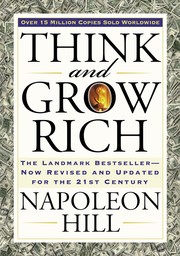
Think and Grow Rich
Hill teaches desire, faith and autosuggestion, distilling lessons from Carnegie interviews into thirteen principles for success.
2,458-word summary · 11 min read

Who Moved My Cheese?
A tiny parable about two mice and two little people hunting cheese in a maze, and why adapting to change beats waiting for old days to return.
2,533-word summary · 11 min read
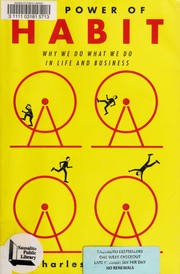
The Power of Habit
Why we do what we do: the cue routine reward loop, keystone habits, and how companies and movements use the same science, from toothpaste to the bus boycott.
2,207-word summary · 10 min read