

Three Women
1,983-word summary 9 min read 336 pages in the book
- First published
- 2019
- Publisher
- Simon & Schuster
- Pages
- 336
- ISBN
- 9781668011713
Reading options
What's inside (6 sections)
I had heard this described as nonfiction that reads like a novel and was skeptical, because that phrase usually means scenes were smoothed. Three Women, first published in 2019, Simon & Schuster paperback edition running 336 pages, ISBN 9781668011713, follows three American women over years as reporter Lisa Taddeo drives across the country to listen. Maggie, a high school student in North Dakota who says a married teacher groomed her. Lina, a housewife in Indiana in a dead marriage who reconnects with her high school boyfriend. Sloane, a successful restaurant owner in Rhode Island whose husband likes to watch her with others. It is intimate, uncomfortable, and hard to put down, even when you want to argue with it.
Taddeo spent eight years reporting, moving towns, earning trust, watching. She writes in close third person that feels like first person, staying inside each woman's thoughts, body, texts, meals. The introduction explains method briefly then gets out of the way. No footnotes in the narrative. No interruptions to say this was corroborated. That choice gives immersion and raises questions about memory and consent that Taddeo addresses in interviews more than pages. I went in wanting to trust and finished trusting with caveats, which seems honest for a book about desire told through memory.
Maggie in North Dakota
Maggie's story is the hardest and the most reported. At seventeen in Fargo, she says her English teacher, Aaron Knodel, who is married with children, groomed her with attention, texts, and meetings that escalated. She says they had a relationship that continued after she graduated. He says it did not happen that way. The school investigates. The community splits. Maggie's family believes her and pays. Friends stop calling. She moves, tries college, tries work, carries the story while lawyers and administrators parse dates.
Taddeo stays close to Maggie's experience without turning Knodel into a monster in every scene. She shows his charm in classrooms, his power as a popular teacher, the texts that start about books and shift. Whether you believe every detail, the grooming pattern is familiar from many accounts. Special attention, secrecy, gifts of understanding, then blame when caught. Maggie's pain is not only about what happened in rooms. It is about being disbelieved in public by adults who taught her. A scene where she testifies or gives a statement and watches the clock while men take notes had me furious on her behalf. Procedure as second harm.
What complicates Maggie is time. She tells and retells over years. Details shift. Taddeo includes shifts without flagging them as lies, which some critics called irresponsible. I read them as how memory works under trauma and under legal pressure. Dates blur. Shame edits. What stays consistent is the power gap and the aftermath. Eating disorders, self harm, difficulty trusting teachers and bosses. Even if you doubt a text timestamp, the cost is documented in medical bills and missed semesters. That cost is why I believed the core.
For craft, Maggie's chapters are the most linear and the most checked against court records and messages shown in the book. Names are real? Actually Knodel is named, which is unusual and brave for libel reasons. Taddeo must have been confident in sourcing. That confidence gives these pages weight the other stories lack. You feel reporting, not just listening.
Lina in Indiana
Lina's story is about a marriage gone cold and an affair that feels like rescue. Married young to Ed, a good provider who will not touch her except to sleep, mother of two, working, tired, she reconnects on Facebook with Aidan, her high school boyfriend who once loved her fiercely. They begin meeting in cars, hotels, fields. He is attentive in ways Ed is not. He texts constantly. He says he will leave his wife. He does not, or not fast enough, or not in the way Lina needs.
Taddeo writes sex from Lina's point of view with unusual frankness for mainstream nonfiction. What Lina wants, how she asks, what Aidan does that works, what Ed refuses. Some readers will find it explicit. I found it necessary. Lina's desire is the subject, not decoration. She wants to be wanted without begging. She wants orgasms without shame. She wants someone to notice her haircut and her laugh. The affair gives her that and also traps her in waiting. Every cancelled plan hurts more because hope was high.
The marriage to Ed is drawn with care rather than villainy. He works, provides, loves his kids, shuts down about sex after early rejection and stress. He tells Lina he loves her while turning away in bed. That contradiction, love without touch, is common and rarely written plainly. Taddeo does not excuse Ed's coldness or Lina's cheating. She shows a system where women are taught to trade sex for stability young, then blamed for wanting sex later without stability. Lina's mother, friends, doctor all give advice that boils down to be grateful. Lina tries gratitude and still aches.
For criticism, Lina's chapters repeat. Another hotel, another promise, another disappointment, another long drive home rehearsing what to say. Three such cycles in a row blurred for me. I skimmed one motel check in because the pattern, hope, texts, sex, promise, silence, was clear. Then a scene where Lina's daughter asks why mom cries in the car snaps it back. Motherhood inside affair is the angle that keeps it from romance novel. Lina loves her kids and lies to them daily. That guilt, more than Ed or Aidan, drives her decisions by the end.
Sloane in Rhode Island
Sloane's story is the most controversial and the most controlled. She and her husband Richard run successful restaurants. They are rich, beautiful, functional alcoholics in social settings, and they have an arrangement. Richard likes to watch Sloane with other men and sometimes women. Sloane, who was assaulted in college and learned to manage male attention by directing it, agrees for years because it pleases Richard and because she enjoys parts of it. Then she meets a man who wants her without an audience and must decide what she actually wants.
Taddeo handles this with care not to titillate. Scenes are explicit about mechanics but focused on Sloane's interior. Does she want this person or does she want Richard to want her wanting. When does yes for him become no for her. How does past assault shape present consent. Sloane is articulate about these questions in a way Maggie and Lina cannot yet be, which makes her chapters feel more essayistic. Some readers will admire the analysis. Others will feel distance. I felt both. I learned the most here and felt the least.
Richard could have been a villain. He is not quite. He loves Sloane, provides, parents, and has a kink he frames as generosity. He tells himself he gives Sloane freedom. Sloane tells herself she gives Richard excitement. Both stories work until they do not. A dinner party scene where they negotiate who to invite home with smiles while staff watch is chilling because it is so civilized. Wealth lets them stage desire without mess until mess arrives as feelings for someone outside the script.
The class contrast with Maggie and Lina matters. Sloane can afford therapy, hotels, time off. Her problems are still real, but solutions are available. Taddeo does not moralize about this. She shows it. When Sloane finally sets a boundary, she has resources to enforce it. Maggie and Lina do not. That inequality, left uncommented for long stretches, is the book's quiet argument. Desire is human. Freedom to act on it safely is not equally distributed.
Method, truth, and what bothered me
The reporting method deserves scrutiny because the book asks for trust. Eight years, thousands of hours, moving to towns, watching trials, reading texts. Taddeo says she corroborated through documents and interviews where possible. She changed some names? Actually Maggie's teacher named, others? She notes composites? No, she insists these are real women with real details, though some identifying facts shifted for safety. That is standard, but the close interior style makes it hard to tell where observation ends and reconstruction begins. When Lina thinks a sentence during sex, did she say it later in interview. Probably. Does that make it less true. Not necessarily, but readers should know the seam.
For balance, the book centers straight women's desire for men and mostly leaves out queer women, women of color except briefly, older women, disabled women. Taddeo chose three white women? Actually Lina is? The three are white? Maggie white, Lina white? Sloane white? That narrowness limits the claim to speak about women's desire broadly. The subtitle is just Three Women, which is fair, but marketing sometimes promised more. I wished for an author's note acknowledging the sample. There is some, but brief.
Also, men get little interior. Aaron, Ed, Aidan, Richard appear as they affect women. That is the point, to center women, but it can flatten into types. Teacher predator, cold husband, hot ex, watching husband. Real men are more varied, even when behaving badly. A few more pages of their constraints, fear of divorce costs, workplace pressures, might have deepened rather than excused.
Still, I read it in three days and talked about it for weeks. The Maggie trial chapters made me angry about schools. The Lina car chapters made me sad about marriages. The Sloane dinner chapters made me think about consent inside long partnerships. Few nonfiction books do all three. Taddeo writes bodies without shame and without porn glow. Sweat, smells, stretch marks, bad lighting in cheap hotels, expensive sheets in Rhode Island houses. Those details keep desire human rather than fantasy.
For who this is for. If you like intimate journalism like Random Family, try it. If you want data about desire, look elsewhere. This is stories, not statistics. If explicit sex bothers you, you will struggle, especially Lina. If teacher student power abuse triggers you, Maggie will be hard. I closed it thinking about listening as work. Taddeo drove thousands of miles to hear women say what they want. Most of us do not drive across town for that. The book asks why, and who we fail when we do not.
Taddeo's own presence as listener deserves more thought because it shapes what we get. She tells us she moved, waited, ate with families, went to games and funerals. That labor builds trust that shows in small truths women would not tell a stranger with a notebook out. Lina describing exactly how Aidan touches her neck. Maggie recalling the smell of a classroom. Sloane admitting she fakes enthusiasm at dinner parties. Those details come only after hours of nothing. But presence also shapes stories toward the listener. Women tell a sympathetic younger woman what they think she can hear. Taddeo knows this and occasionally notes when someone asks what she thinks. She answers sparingly in the text, which preserves focus but leaves power unexamined. Who gets to ask follow ups. Who decides what is too much. The book benefits from its method and inherits its blind spots. I wished for ten more pages of Taddeo questioning her own turning points, when she pushed for sex detail versus when she let silence sit.
The legal and medical systems around Maggie also reveal more on second thought. School administrators who close ranks. Police who take statements kindly but cannot charge without corroboration that trauma rarely provides. Therapists who help and also bill. Lawyers who advise going public versus staying quiet with different costs. Maggie navigates all while working service jobs that do not offer time off for depositions. Those logistics, rides to offices, childcare for siblings, phone minutes, matter as much as testimony. Taddeo includes them in passing. I wanted them centered more because they explain why many women do not report. It is not only fear. It is rent.
FAQ
Who are the three women?
Maggie in North Dakota says teacher Aaron Knodel groomed her, Lina in Indiana leaves cold marriage for an affair, Sloane in Rhode Island negotiates watching arrangements with her husband.
When was Three Women published?
Avid Reader Press published it in 2019. The paperback cited runs 336 pages with ISBN 9781668011713.
Similar books
All About Love: New Visions
bell hooks borrows a definition of love as an action rather than a feeling, then spends thirteen chapters showing how hard it is to practice.
2,385-word summary · 11 min read

Infidel
Ayaan Hirsi Ali's memoir of a Somali childhood, a forced marriage, a Dutch asylum claim, and the political fight that followed the murder of Theo van Gogh.
2,041-word summary · 9 min read

Dear Girls: Intimate Tales, Untold Secrets & Advice for Living Your Best Life
Ali Wong's debut collects fourteen letters to her daughters, covering sex, money, work, marriage, Vietnam, and being a working Asian American mother.
2,266-word summary · 10 min read

Why I'm No Longer Talking to White People About Race
Reni Eddo-Lodge traces black British history and shows how institutions, culture, and everyday assumptions keep producing racial inequality.
2,071-word summary · 9 min read

Attached
A psychiatrist and a psychologist explain adult attachment styles and show how anxious, avoidant, and secure patterns shape dating, conflict, and the search…
2,157-word summary · 10 min read
How to Be a Woman
Moran mixes girlhood and work stories into plain feminist advice.
2,600-word summary · 12 min read
Hunger
Roxane Gay traces how assault at twelve shaped her body, appetite, and daily life as a fat Black woman refusing shame.
2,583-word summary · 11 min read
Bad Feminist
Gay mixes memoir and pop culture criticism to argue for imperfect feminism, from Sweet Valley to Django to Fifty Shades.
2,493-word summary · 11 min read

Tiny Beautiful Things: Advice on Love and Life from Dear Sugar
Dear Sugar answers letters on love, grief, and work with tough empathy drawn from her own losses.
2,253-word summary · 10 min read
Not That Kind of Girl: A Young Woman Tells You What She's Learned
Girls creator Lena Dunham's essays on work, bodies, love, and family, frank and funny with uneven edges.
2,156-word summary · 10 min read
Invisible Women: Data Bias in a World Designed for Men
Data treating men as default harms women in medicine, work, transit, and design, with fixes from studies worldwide.
2,316-word summary · 10 min read

Reading Lolita in Tehran: A Memoir in Books
Seven women meet in secret in Tehran to read Lolita, Gatsby, and Austen while revolution presses in.
2,916-word summary · 13 min read

Modern Romance
A comedian and a sociologist combine interviews, focus groups, and Reddit stories to explain why dating feels harder now.
2,322-word summary · 10 min read
Know My Name
Chanel Miller reclaims her story after the Stanford assault case, tracing family support, trial strain, her viral 2016 statement, and leaving Emily Doe for her…
3,092-word summary · 14 min read
A Room of One's Own
Woolf argues a woman needs money and a locked room to write, touring history for lost sisters.
2,001-word summary · 9 min read
Lean In
Sit at the table, negotiate, share home load, and change offices while knowing advice skews elite.
2,005-word summary · 9 min read

We Should All Be Feminists
Adichie turns her 2012 TEDx talk into a short sharp essay on gender, using stories from Lagos and America to argue equality helps everyone.
2,625-word summary · 12 min read
The Five Love Languages
Chapman maps words, time, gifts, service, and touch through counseling stories and the empty love-tank idea.
3,122-word summary · 14 min read
milk and honey
Kaur's illustrated debut moves through hurting, loving, breaking, and healing in short lowercase poems.
2,006-word summary · 9 min read

The Zookeeper's Wife: A War Story
The directors of the Warsaw Zoo hid roughly three hundred Jews in empty cages and outbuildings after the German invasion, while Jan worked for the resistance.
2,065-word summary · 9 min read
The E-Myth Revisited
Gerber argues that most small businesses are run by technicians who own a job rather than a business, and that the fix is a system that runs without them.
2,169-word summary · 10 min read

Sybil
A 1973 case study of a woman treated for multiple personalities, and the book that made dissociative identity disorder a household phrase.
2,054-word summary · 9 min read
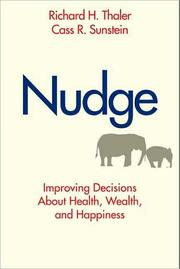
Nudge: Improving Decisions About Health, Wealth, and Happiness
Thaler and Sunstein show how defaults, framing, and social cues steer choices, and argue for choice architecture with an opt-out.
3,146-word summary · 14 min read

Long Walk to Freedom
Mandela's account of a Thembu childhood, a law practice, a banned movement, twenty-seven years in prison, and the negotiation that ended apartheid.
2,454-word summary · 11 min read

1491: New Revelations of the Americas Before Columbus
Charles C. Mann gathers archaeology, ecology, and demography to argue that the Americas before Columbus were older, fuller, and more deliberately shaped than…
2,712-word summary · 12 min read

What Happened to You?
Oprah Winfrey and psychiatrist Bruce Perry explain how early experience shapes the brain, and why asking what happened to someone works better than asking what…
2,238-word summary · 10 min read
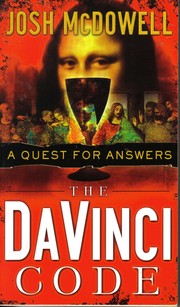
The DaVinci Code: A Quest for Answers
A short 2006 dialogue in which three friends test Dan Brown's claims about Jesus, Mary Magdalene, Nicaea, and the canon.
2,088-word summary · 9 min read

The Courage to Be Disliked: The Japanese Phenomenon That Shows You How to Change Your Life and Achieve Real Happiness
A philosopher and an angry young man argue over five nights about Adlerian psychology, trauma, approval, and the freedom to be disliked.
2,054-word summary · 9 min read
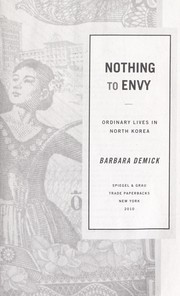
Nothing to Envy
Barbara Demick follows six defectors from Chongjin through the North Korean famine, showing how ordinary people lived, believed, and finally left.
2,068-word summary · 9 min read
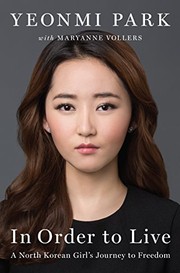
In Order to Live: A North Korean Girl's Journey to Freedom
A young North Korean girl crosses the Yalu, survives trafficking in China, and rebuilds her life in Seoul in this unsparing memoir.
2,027-word summary · 9 min read