
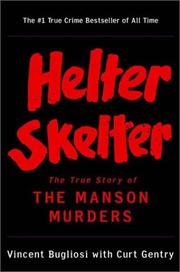
Helter Skelter
2,838-word summary 13 min read 687 pages in the book
- First published
- 1974
- Publisher
- W. W. Norton
- Pages
- 687
- ISBN
- 9780393322231
Reading options
What's inside (9 sections)
I came to Helter Skelter late, after hearing it called the best selling true crime book ever. That tag made me wary. The book came out in 1974 from W. W. Norton and runs 687 pages in the edition I used. Vincent Bugliosi wrote it with Curt Gentry. Bugliosi was the prosecutor who tried Charles Manson and his followers for the Tate LaBianca murders. So this is not a cool distance history. It is the state's case, told by the man who made it, with files and photos and trial transcripts behind every chapter. I read it slow across a week. It is heavy and it earns its size.
The core is August 1969 in Los Angeles. On the night of August 8 into August 9, followers of Manson went to a house on Cielo Drive rented by film director Roman Polanski, who was away. Inside were his wife, actress Sharon Tate, eight months pregnant, plus Jay Sebring, Abigail Folger, Wojciech Frykowski, and outside in his car a young visitor named Steven Parent. All five were killed. The scene was brutal and staged to shock. Words were written in blood. The next night, August 10, Leno LaBianca, a market owner, and his wife Rosemary were killed in their home across town in much the same way. Knives and a fork, hoods, writing on walls and a fridge door. Two nights, seven dead, no clear link between the houses at first.
Bugliosi starts with those mornings. Caretakers, housekeepers, police walking into rooms that do not make sense. A white house above the canyon. A market man's neat home. Money left behind. Dogs unharmed. No forced entry that explains it. Los Angeles in 1969 already had fear in the air, riots in memory, war on TV, rich hippies and poor runaways mixing on the Strip. These killings tipped that fear into panic. If these houses were not safe, what was. Rich or not, locked or not, the killers came inside and stayed a while.
Spahn Ranch and the Family
Manson is the center and the puzzle. In his mid thirties in 1969, out of jail and prison for most of his life, small, intense, a guitar player who wanted to be bigger than the Beatles. He gathered young followers, mostly women in their late teens and twenties, plus a few men, drifters and runaways who wanted family and rules and love without limits. They lived at Spahn Ranch, an old movie ranch near Chatsworth where westerns had filmed. Rusted sets, dust, horses, an old blind owner named George Spahn who let them stay for work and care and company.
Bugliosi paints daily life there with police reports and witness talk. Cooking, cleaning, drugs, sex on command, long talks at night. Manson preached and sang and set rules. Girls gave up names and money. Boys stood guard. Everyone listened for his mood. Tex Watson became the lieutenant, tall and Texan and trusted. Susan Atkins, Patricia Krenwinkel, Leslie Van Houten, Linda Kasabian and others circled close. They panhandled and stole and fixed cars. They moved when police pushed, to desert spots and back. To neighbors they were weird but not killers. To members they were family with a father who saw the future.
What made them different from a dozen other communes was Manson's fix on Helter Skelter. He took the Beatles song of that name from the White Album, plus other tracks, plus the Book of Revelation, and built a prophecy. Black and white war coming. The Family would hide in the desert while cities burned. Then Manson would rule. Bugliosi admits this sounds mad. He shows Manson played it straight for months, playing records over and over, pointing at lyrics, saying listen. Followers who used acid and wanted meaning heard order in noise. I found these chapters both strange and sad. Kids who left home for peace got an end times army instead.
The book is careful to show Manson rarely touched the knife himself in these crimes. He sent others. He tied up the LaBiancas and left Watson, Krenwinkel and Van Houten to finish. He drove to Tate's house the night before to look, or so witnesses said. He wanted the crimes to look like copycat work and like Black Panther rage to start his war. Pig and Helter Skelter written in blood were part of that plan. Bugliosi hammers this point because the law needed it. A boss who orders death is guilty of murder even if his hands stay clean. The whole trial would turn on making a jury see that.
Atkins, Krenwinkel, and the break
For months police had little. Two scenes, different neighborhoods, no guns tied, prints that led nowhere, a city full of tips. The Tate team and the LaBianca team did not share enough at first. Bugliosi is blunt about missed links. A gun lost and found. A car seen. A wallet tossed. Labs backed up. Fear made every call feel urgent and most went nowhere.
The break came from inside, as it often does. Susan Atkins, in jail on an unrelated car theft case, talked. Then talked more. She told cellmates about Tate, about stabbing and writing, about Manson sending them. One inmate told police. Suddenly the ranch crowd had names and faces. Patricia Krenwinkel, already known to some officers from traffic stops and cult checks, fit descriptions. Fingerprints matched. Handwriting talk started. Linda Kasabian, who had been at both houses but said she did not kill, became the key witness who would walk jurors through the nights minute by minute.
Bugliosi gives Atkins and Krenwinkel full portraits, not excuses. Atkins had been a topless dancer and drifter before Manson, funny and lost, hungry for praise. Under Manson she turned hard, bragging in jail about taste of blood, singing in court, carving X into her forehead with the others when Manson did. Krenwinkel was quieter, a secretary and church kid who left home, fell under Manson fast, stayed loyal long. Both later said drugs and fear and love for Charlie blurred choice. Bugliosi does not buy it as a defense. He shows choices at each door, each knife pickup, each chance to run that no one took.
Kasabian is the contrast. Newer, married with a child elsewhere, already uneasy at the ranch. At Cielo Drive she said she stayed outside, heard screams, wanted to stop it, did not. At the LaBiancas she stayed in the car. She fled the Family soon after, then came back to testify with immunity. Bugliosi leans on her hard. Without her walk through, the jury would have only forensics and jail talk. With her, they got a tour. Up the hill, cut the phone lines, through the window, Parent in the car, Frykowski on the lawn, Folger by the pool, Sebring and Tate inside tied together. Then the next night, the market man's house, the bindings, the kitchen. Her memory has gaps and self pity. The defense tore at her for that. The jury still believed the shape of it.
The investigation, phase by phase
The middle of the book is police work, and I liked it more than I expected. House to house. Lab sheets. Gun tracing. The .22 revolver that tied Parent and others. Rope and clothing. Bloody prints on doors. A missing TV set that led to a fence who led to a name. Spahn Ranch raids for stolen cars that kept missing the murder case by inches. Desert searches for bodies of other possible victims like Shorty Shea, the ranch hand thought killed by the Family.
Bugliosi shows how two cities of cops learned to share. Tate detectives in Los Angeles, LaBianca detectives in the sheriff's office, plus highway patrol and parole officers. At first each held its cards. Once Atkins talked, they laid scenes side by side. Same knives style. Same binding style. Same writing style. Same odd calm. Watson's prints in both. Krenwinkel's print at Tate. The gun tied to Watson. Suddenly August 9 and August 10 were one case with one boss.
There are mistakes and Bugliosi names some. Lost time. A bloody shoe print not cast right. Witnesses not reasked. A suspect let go who should have been held. He is kinder to cops than a neutral writer would be, since he needs them for trial, but he does not pretend the path was straight. I kept thinking how much hung on jail talk. Without Atkins bragging to the wrong cellmate, Manson might have stayed a weird ranch footnote while Tex and the girls took the fall alone. That scared me. A plan for race war failed because a prisoner could not stop telling stories.
The arrest sweep reads like a western. Ranch raids at dawn. Bikes and buggies in dust. Girls scattering. Manson found under a sink cabinet in one telling, small and glaring. Lawyers already circling. Bail games. Girls shaving heads and chanting on corners. The city papers went wild. Bugliosi, then a young deputy district attorney with a strong record, got the case and knew his life would narrow to it for a year.
Why Helter Skelter as motive
The motive chapters are the famous part and the oddest. Bugliosi had to answer why. Why these houses. Why this savagery. Why no robbery worth the risk. Manson did not know Tate or the LaBiancas in any normal sense. Watson did not. The girls did not. A jury wants a reason even when law does not demand one.
Bugliosi gave them Helter Skelter. He brought in Beatles records, played them in court, put lyric sheets on easels, traced Manson's talks through witness after witness. Piggies. Blackbird. Revolution 1 and 9. The White Album as code book. Revelation chapter 9 as backup text. A desert hole where the Family would wait out the war. Bugliosi argued Manson believed the murders would be blamed on Black militants, which would spark panic and then war, after which Manson would emerge to lead.
Did Manson fully believe it or use it to control kids on acid. Bugliosi says both. True belief plus use. The defense said it was nonsense invented to sell papers and to tie small crimes to a grand plot. The jury sat through days of it. Reporters loved it. It gave the case a name and the book its title. Reading now, with the Beatles as oldies, the theory feels thin in spots and too neat in others. Bugliosi piles quotes until doubt feels rude. Yet no better motive fits the staging. Robbery fails. Personal hate fails. Copycat to free a jailed member, which the defense floated, explains little of the writing on walls. Helter Skelter at least explains the theater.
I found myself going back and forth. On one page Manson sounds like a con man using scary talk to keep girls close. On the next he sounds like a failed rock star who heard orders in static. Bugliosi needs the second, because a con story makes the girls more guilty and Manson less central. A prophet story makes Manson the engine. The truth was likely mix, need and belief feeding each other, but the trial needed a clean line and Bugliosi drew it.
The trial in 1970
The trial took from 1970 into 1971, one of the longest and wildest in California history to that point. Judge Charles Older. A courtroom with Manson and Atkins, Krenwinkel, Van Houten together, Watson fighting extradition from Texas and tried later. Manson with beard and X carved, then swastika, staring at jurors, lunging at the judge at one point, papers and outbursts. The girls copying him, singing on the way in, shaving heads, claiming they did it all and Charlie did nothing when that helped, then going silent.
Bugliosi walks through procedure without drowning you. Jury selection and sequester. Opening statements. Kasabian on the stand for eighteen days, calm under attack. Forensics techs with photos and diagrams. Gun experts. Print experts. Handwriting talk. Former Family members like Paul Watkins explaining Helter Skelter talks. The defense, with court appointed lawyers in a hard spot since clients wanted to confess to save Manson, trying to paint Kasabian as liar, Atkins as braggart, cops as sloppy, motive as fantasy.
Security was huge. Threats to witnesses. A juror issue. Manson followers on the street with knives in boots. Bugliosi himself under guard. He writes about little sleep and long nights, retyping charts, rehearsing cross, learning Beatles lyrics like a DJ. His style in court was plain and steady, he says, facts in rows, no shouting. Transcripts back him more than not. He let Kasabian talk. He let photos sit. He saved anger for closing.
The verdicts came in January 1971. Guilty on all major counts for Manson, Atkins, Krenwinkel, Van Houten. Guilty of conspiracy. Then the penalty phase. Death. All four sentenced to die in the gas chamber. Watson later got the same in his own trial. Then California law changed. In 1972 the state supreme court struck down the death penalty as then applied, and the sentences became life with parole chances. Bugliosi ends those chapters tired and angry. He thought death fit the crime and the law stole the ending. Readers now will split on that. The book does not hide which side its author is on.
What holds and what strains
What holds is the record. Names, dates, maps, who stood where, who held what, who drove. For Tate LaBianca this remains the fullest single account from inside the prosecution. If you want to know what happened in those houses and how police tied two scenes to one ranch, no other book packs this much sourced detail in order. The trial chapters hold too. You feel the length, the heat, the singing hallways, the judge holding order by inches.
What strains is length and bias, the two criticisms you hear most, both fair. At 687 pages the book repeats. Helter Skelter explained three times over. Kasabian prepped and repped. Forensics listed, then relisted in closing. A shorter book would still convict. Bugliosi loves his case and wants you to love it. He answers every defense point and leaves little air for doubt about his own choices, like using immunity for Kasabian or playing Beatles songs to a sequestered jury that could not unhear them.
Bias shows in portraits. Bugliosi is hero of his own story, tireless, fair, funny in small doses. Cops who help are good cops. Lawyers who stall are fools or showboats. Manson is evil with a thin mind. The girls are lost then cruel then fake sorry. Some of that is true. All of it is shaped. A defense lawyer would write Spahn Ranch and the trial very differently, with more about coercion, drugs, youth, bad counsel, press poison. Bugliosi notes those issues only to knock them down.
There is also the afterword problem. Later editions add notes about parole hearings and Manson's later crimes in prison and the long lives of survivors. My 687 page text includes plates and index and that tail. It reminds you justice here did not end with verdicts. Parole boards heard sorry and not sorry for decades. Tate's family came to every hearing. LaBianca kin did too. The killers aged inside. Manson died in 2017 still a symbol. Reading that tail after 500 pages of 1969 makes the book feel less like a closed case and more like a wound that kept opening.
Who should read it and how to take it
Read it if you want the full Tate LaBianca file, the ranch world, and a master class in building a circumstantial case into a death verdict. True crime readers, trial watchers, Beatles history nerds, California history readers will all find threads. Skip it for now if you need short or if graphic murder detail stays with you. Bugliosi does not linger to shock, but he does not look away. Rope, hoods, blood writing, a pregnant victim begging for her baby's life, a market couple tied in their own home. Those images land hard because they are plain.
Take it as prosecution story, not last word. Pair it in your head with trial reporters and later books that question Helter Skelter as sole motive or stress other spurs like copycat plans and drug burns. Bugliosi gives you the state's best day. History since has added shade. That does not make this false. It makes it one side, argued brilliantly, at great length, by the man who had to stand up and say these people did this and this is why.
I closed tired, which feels right. Seven dead in two nights. Four death sentences turned to life. One ranch emptied. One prosecutor made famous. One phrase, Helter Skelter, stuck to murder forever instead of a song. The book wants you to remember the victims more than the prophet. Sharon Tate and her unborn child, Sebring, Folger, Frykowski, Parent, Leno and Rosemary LaBianca. Say those names after the last page. The motive talk fades. They do not.
FAQ
When was Helter Skelter published?
W. W. Norton published it in 1974. The edition cited here runs 687 pages with ISBN 9780393322231.
Who wrote Helter Skelter?
Vincent Bugliosi wrote it with Curt Gentry. Bugliosi was the prosecutor in the Manson trial.
Who should read this book?
It suits readers of true crime and trial history who want a full case record and can handle disturbing detail.
Similar books
The Hot Zone
Ebola and Marburg move from African outbreaks to a Virginia monkey house and an Army response in suits.
2,291-word summary · 10 min read
Empire of Pain: The Secret History of the Sackler Dynasty
How the Sackler family sold OxyContin and shaped an overdose crisis while giving to museums.
2,048-word summary · 9 min read
The Library Book
Susan Orlean investigates the 1986 Los Angeles Central Library fire and suspect Harry Peak while tracing library history, her mother's influence, and the…
2,319-word summary · 10 min read
Say Nothing
Patrick Radden Keefe traces Jean McConville's 1972 disappearance through the Price sisters, Brendan Hughes, and Gerry Adams, using Boston College tapes to…
2,846-word summary · 13 min read
The Wager: A Tale of Shipwreck, Mutiny and Murder
Thirty starved men reach Brazil as heroes in 1742, then three more land in Chile calling them mutineers, and Grann sorts the wreck.
2,995-word summary · 13 min read
Killers of the Flower Moon: The Osage Murders and the Birth of the FBI
In 1920s Oklahoma, Osage oil wealth makes tribal members targets for murder, forcing the young FBI under Tom White to expose the conspiracy behind the Reign of…
2,403-word summary · 11 min read
The Devil in the White City
Architect Burnham builds the 1893 Chicago Fair while H.H. Holmes builds his murder hotel nearby.
2,020-word summary · 9 min read

The Zookeeper's Wife: A War Story
The directors of the Warsaw Zoo hid roughly three hundred Jews in empty cages and outbuildings after the German invasion, while Jan worked for the resistance.
2,065-word summary · 9 min read

Long Walk to Freedom
Mandela's account of a Thembu childhood, a law practice, a banned movement, twenty-seven years in prison, and the negotiation that ended apartheid.
2,454-word summary · 11 min read
1491: New Revelations of the Americas Before Columbus
Charles C. Mann gathers archaeology, ecology, and demography to argue that the Americas before Columbus were older, fuller, and more deliberately shaped than…
2,712-word summary · 12 min read
The DaVinci Code: A Quest for Answers
A short 2006 dialogue in which three friends test Dan Brown's claims about Jesus, Mary Magdalene, Nicaea, and the canon.
2,088-word summary · 9 min read

Nothing to Envy
Barbara Demick follows six defectors from Chongjin through the North Korean famine, showing how ordinary people lived, believed, and finally left.
2,068-word summary · 9 min read

Down and Out in Paris and London
Orwell's account of washing dishes in Paris hotels and tramping through London does not ask for pity, only for a clear look at how poverty actually works.
2,282-word summary · 10 min read
The Wright Brothers
David McCullough tells the story of two self-taught Ohio brothers, working largely alone and out of a bicycle shop, who solved the problem of flight before…
2,027-word summary · 9 min read
Columbine
Ten years of reporting on the 1999 school massacre, including a journalist's correction of the myths he helped create in the first hours.
2,232-word summary · 10 min read
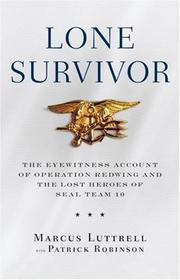
Lone Survivor: The Eyewitness Account of Operation Redwing and the Lost Heroes of SEAL Team 10
Marcus Luttrell's account of the 2005 SEAL mission in Afghanistan that killed three of his team and left him alone.
2,144-word summary · 10 min read
Bury My Heart at Wounded Knee: An Indian History of the American West
Dee Brown's 1970 retelling of the American West from the point of view of the people it destroyed.
2,233-word summary · 10 min read
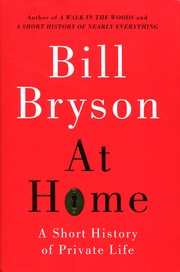
At Home: A Short History of Private Life
Bill Bryson tours his own Norfolk rectory room by room to explain how private life and the modern home got built.
2,334-word summary · 10 min read
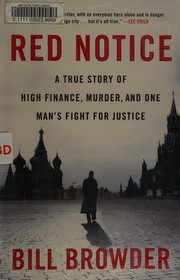
Red Notice
An American financier in Moscow exposes a $230 million tax fraud, watches his lawyer die in prison, and turns the case into an international human rights law.
2,008-word summary · 9 min read
Prisoners of Geography: Ten Maps That Tell You Everything You Need to Know About Global Politics
Tim Marshall explains how mountains, rivers, coasts, and resources shape the choices of nations, from Russia's flat borders to the chokepoints of the South…
2,328-word summary · 10 min read
Catch and Kill: Lies, Spies, and a Conspiracy to Protect Predators
Ronan Farrow recounts how NBC killed his Harvey Weinstein reporting, then how The New Yorker published it and helped ignite #MeToo.
2,057-word summary · 9 min read
The Lost City of Z: A Tale of Deadly Obsession in the Amazon
David Grann retraces Percy Fawcett's 1925 disappearance in the Amazon and finds that the lost city he sought was not entirely a fantasy.
2,493-word summary · 11 min read
The Letters of Vincent van Gogh
Vincent van Gogh's letters to his brother Theo, in a Penguin Classics selection edited by Ronald de Leeuw, trace a decade of work, faith, and obsession.
2,611-word summary · 12 min read
The World Is Flat: A Brief History of the Twenty-first Century
Thomas L. Friedman's 2005 bestseller argues that technology, trade, and open borders leveled the global playing field, and it names the ten forces that did it.
2,369-word summary · 11 min read
The Stranger Beside Me
Ann Rule's classic memoir of her friendship with Ted Bundy, written by the true-crime author who knew him long before the world learned what he had done.
2,481-word summary · 11 min read
Catherine the Great: Portrait of a Woman
A German princess survives a miserable marriage and a coup to rule Russia for thirty-four years, torn between Enlightenment ideas and absolute power.
2,065-word summary · 9 min read
The Warmth of Other Suns
Three migrants ride north out of Jim Crow toward Chicago and LA.
2,561-word summary · 11 min read
The New Jim Crow: Mass Incarceration in the Age of Colorblindness
How mass incarceration became a racial caste system after civil rights.
2,413-word summary · 11 min read
The History of the Hobbit, Part One: Mr. Baggins
Rateliff traces every draft of Bilbo from 1930 notes to print.
2,410-word summary · 11 min read
The Emperor of All Maladies
A biography of cancer from Galen to chemo through one doctor cases.
2,255-word summary · 10 min read