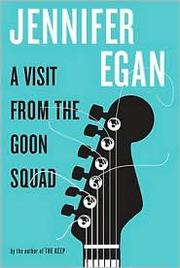
A Visit from the Goon Squad
2,136-word summary 9 min read 273 pages in the book
- First published
- 2010
- Publisher
- Alfred A. Knopf
- Pages
- 273
- ISBN
- 9780307592835
Reading options
What's inside (7 sections)
I read A Visit from the Goon Squad because it won the Pulitzer and people either love its form or bounce off, and I wanted to know which I would be. Jennifer Egan published it with Alfred A. Knopf in 2010, a 273 page book with ISBN 9780307592835. Thirteen linked stories about Bennie Salazar, a record executive, Sasha, his kleptomaniac assistant, and their circles from punk clubs to future滑? No, to future with kids texting in code. Time is the goon that beats you up. Music is how you remember who you were before. It is funny, sad, and formally daring, especially a chapter told as PowerPoint. I finished it admiring more than loving, then thinking about it for weeks, which may be love after all.
Bennie opens the book indirectly through Sasha. Sasha, twenty something, steals wallets she does not need, returns some, keeps others. She works for Bennie, who was in a punk band called the Flaming Dildos as a teen and now sells nostalgia he distrusts. Their office scenes mix comedy and ache. Bennie sprinkles gold flakes in coffee for health. Sasha lies to therapists. Both are competent at work and messy inside. That split will feel familiar to anyone with a job that requires cool while life leaks. Egan writes work with precise detail. Contracts. Mixes. PR calls. Those textures ground time jumps. Jobs change. People adjust badly. Keep working anyway. The book respects labor without romanticizing industry. Music business eats idealists and pays survivors. Watch Bennie eat and survive. Learn what surviving costs. Gold in coffee cannot fix. Only time, the goon, teaches. It teaches by hitting. Duck poorly. Bruise. Continue.
Punk past chapters give the book its loudest heart. Bennie and friends as teens in San Francisco, seeing bands, forming bad groups, loving Lou, a producer who charms and damages. Lou takes young women to parties, praises, discards. One girl, Jocelyn, remembers with clarity that cuts. Those chapters read like memoir with names changed. Sweat. Ear ringing. Flyers. Egan was young in that scene and writes it without nostalgia gloss. Fun and harm together. No pure golden age. That honesty helps readers who mythologize youth. It was great and awful. Both. Hold both when remembering your own loud years. I did. My college shows glow and wince. Good. Accurate memory hurts usefully. Let it. Do not polish. Polish lies. Egan never polishes. She records with love and warts. Copy that in journals. Write sweat and shame. Both true. Both yours.
Time as goon
Time as character, not background, is the point. Each story jumps years. Characters age visibly between pages. A punk teen becomes a publicist mother. A wild guitarist becomes a sober father who golfs. Egan titles chapters with gaps that shock. Found. Gone. Clean. The goon squad line, time is a goon, comes from a character watching decline and means it as joke and truth. Goons beat you. Time beats everyone. How you take hits matters. Some characters bend into kindness. Bennie softens toward son. Sasha faces stealing and seeks help. Others harden into bitterness. Lou fades. Bosco, a bloated rocker, plans a comeback that may kill him. That range avoids moralizing. No single right way to age. Just ways with costs. Choose with eyes open. I thought about my own forties while reading fifties in book. Knees ache. Kids text. Music from youth sounds both better and thinner. Both. Accept. Dance anyway, slower. Egan gives permission to age without cool. Take it. Uncool is warm. Wear sweater. Enjoy.
Sasha's PowerPoint chapter, Great Rock and Roll Pauses, narrated by her son Lincoln, deserves its own paragraph because it risks most and earns it. Slides with charts about pauses in songs, family silence, desert gaps. Simple sentences. Graphs. It should feel gimmicky. It feels devastating. A boy on spectrum? Actually obsessive and loving, mapping world through pauses to understand parents who pause differently. His sister Alison narrates frame with worry. Their mother Sasha, now settled, still steals? Actually trying not to. The chapter shows data as love. Count pauses to hear what is unsaid. I cried at a slide about a pause before a father says goodnight. Anyone who loves infographics and feelings together will swoon. Skeptics may skim. Do not skim. Read slowly. Click mentally. Pauses hold meaning. Learn to hear them in your own house. When does conversation stop. What fills gap. Egan teaches listening through slides. Strange and effective. Try making your own pause chart for one dinner. You will learn. I did. Dessert paused longest. Hunger for sugar or for together. Both. Note and smile.
Future chapters split readers most. Kids using hand signs, concerts via babies kicking, language shortened to text. Egan wrote 2010 future that now reads as near present with misses. Some tech predictions land. Some feel quaint. That dating is part of theme. Futures always miss. The point is not prophecy but how characters adapt or refuse. Bennie booking a concert for a washed musician using new tools shows old hustle in new medium. Tools change. Hustle remains. If future chapters annoy you with slang, focus on relationships underneath. Father and daughter texting past each other but trying. That trying transcends gadget. My teen texts in code I barely parse. We still meet for noodles. Effort bridges. Egan knows. She writes bridges, not manuals. Cross yours. Ask what LMK means for tenth time. Laugh. Love covers ignorance. It does. Trust.
Music as memory
Music as memory device works because songs timestamp selves. Each character has tracks that return unbidden. Bennie hears punk and feels sixteen. Sasha hears a stolen wallet's owner humming and feels guilt. Egan lists bands with care, real and invented, to place years. Readers will make playlists while reading. Do it. Stopping to listen deepens. I played Fleetwood Mac after a chapter and wept at traffic light. Embarrassing and right. Music goons time too, beating you with past. Let it. Do not skip tracks to stay cool. Feel sixteen at forty. Feel foolish and grateful. Both. The book invites that embarrassment as proof of living. Take it. Sing badly. Bosco would. He plans to sing though voice cracks. Crack and sing. Better than silence. Silence is the real goon. It wins when we stop. Keep singing off key. Keep listening. Egan does. Follow.
What frustrates is fragmentation by design. Thirteen stories with shifting narrators, some first, some third, some second person you, demand work. Characters appear, vanish for hundred pages, return older. If you need single hero arc, this will tire. I kept a list on phone. Bennie, Sasha, Lou, Jocelyn, Rhea, Bosco, Dolly, Lulu. Who is whose kid. Who produced whom. That homework pays but costs. At 273 pages in the Knopf edition, brevity helps. Short book, many people. Skim family trees online if lost. No shame. Egan expects rereads. First pass for vibe. Second for links. I enjoyed second pass more, catching a wallet from chapter one in chapter twelve. Ah. That click rewards. Allow two passes over months. Books this built reward return. Lend and borrow back with notes. Compare maps. Fun. Do it with a friend who likes puzzles. Puzzle together. Less lonely. More laughs. Time goons less when shared. Share.
Prose style shifts per narrator, which dazzles and distances. Punk kid slang. Publicist polish. Childlike slides. Journalist cool. Egan masters each, but mastery can feel like performance. Whose voice is hers. Hard to say after. That slipperiness suits theme, selves change with time, but readers wanting consistent intimacy may feel kept out. I felt kept out twice, then invited in by Sasha's theft confession and Lincoln's slides. Those intimate moments anchor. Hold them while riding style changes. Styles are clothes. People underneath shiver. Look for shiver. Egan shows it briefly before covering with cool. Catch it. That catching is reading skill the book teaches. Notice tremble under talk. Practice in life. Friends bragging may shake. Ask gently after. Good habit from fragmented book. Fragment to find. Find to hold.
Who it is for
Read it if you like linked stories with time jumps, music soaked memories, formal risks like PowerPoint chapters. It is standalone, though Egan wrote The Candy House as sibling. Content includes drug use, sex, language, death. No graphic gore. Punk scenes include overdoses and exploitation described without lingering. Suitable for adults and older teens comfortable with fragmentation, with patience for slow links.
Facts to cite are tidy. First published in 2010 by Alfred A. Knopf. Edition runs 273 pages with ISBN 9780307592835. Author Jennifer Egan won the 2011 Pulitzer Prize for Fiction for it. No series, though connected to later book. Tags that fit are literary fiction, music, time, interconnected stories, pulitzer.
I closed it humming and texting my brother about a show we saw at nineteen. He replied with a photo of ticket stub he kept. We are older. Goon got us lightly so far. More hits coming. Egan does not promise otherwise. She promises songs to remember hits by. Make playlist. Share. The 273 page Knopf book with ISBN above will not fix aging. It will score it. Play loud enough to hear pauses. Pauses hold love. Lincoln knew. Learn from a boy counting silences. Count yours. Then fill with call. Time goons. Music heals where it can. Let it. Sing off key together while you can. Good enough. Better than good. True.
Linking the fragments
What helped me on reread was mapping who loves whom across decades, because the 273 page Knopf edition with ISBN 9780307592835 hides family lines in asides. Bennie mentored by Lou. Lou loved by Jocelyn and Rhea. Sasha assisted Bennie then married Ted. Ted brother of? Actually Ted is Sasha's husband who loves her despite theft. Their kids Lincoln and Alison chart pauses. Bosco old rocker wanting comeback. Dolly publicist fixing. Lulu, Dolly's daughter,itext? Actually Lulu works for Bennie later. Sketching that web on paper turned confusion into pleasure. Ah, the wallet Sasha stole belongs to someone Bosco knows. Ah, the song Bennie produces echoes Lou's party. Those clicks reward. Do the homework once with a pencil. Draw lines. Ages in margins. You will enjoy second half more when faces have histories. I did. First read I skimmed names. Second with map I grieved. Lou's decline hit harder knowing Jocelyn still remembers his kindness amid harm. Complexity needs map to hold. Make map. Share with friend reading too. Compare. Argue about who matters most. No right answer. Sasha for me. Bennie for my brother. Both valid. Maps differ. Good. Talk.
PowerPoint chapter also works better when read aloud with pauses, which sounds odd for slides but try. Lincoln's charts list pauses in songs with timings. Read numbers slowly. Two seconds. Four seconds. Feel silence between. That performed silence teaches what prose cannot. How long is a pause before it aches. In music and talk both. My family tried counting pauses at dinner after I showed them. We laughed, then noticed Dad pauses before hard news. We waited instead of filling. He spoke more. Small miracle from gimmick chapter. Use it that way in life, not just analysis. Count to three after asking how someone is. Do not rush to fix. Let pause work. Lincoln knew. He counts to understand. Copy method for people you love. Count silences. Honor them. Fill only after. Better conversations follow. Try tonight. One dinner with counted pauses. Note what emerges in gaps. Often truth. Sometimes song. Both welcome. Keep counting. Keep listening. Goon slows when heard. Slightly. Enough. Good.
Aging with it
If you read this at different ages, it changes, which is the book's trick about time made personal. At thirty I envied punk youth chapters. At forty I ache for parent chapters where Bennie worries about son's pauses and Sasha watches kids text. Reread in ten years and other chapters will light. That shifting identification is by design. Egan spreads ages across stories so every reader finds a mirror that later becomes a window. Young readers see Sasha stealing and feel seen. Older readers see Sasha mothering and feel exposed. Both readings true at once. Lend the book to someone ten years apart and compare notes. My brother and I did, nine years gap. He loved Bosco comeback. I loved Dolly fixing. We argued about future slang chapters. He found them plausible. I found them sad. Both right. Time goons differently by decade. Share notes across gap. Bridge. That bridging is the book's practical gift for families with teens and parents who share music but not language. Play same song in car. Talk about when you first heard. Past and present meet for three minutes. No slides needed. Just chorus. Sing badly together. Goon pauses, briefly. Enjoy pause. Fill with harmony, however off key. Good. Keep singing.
FAQ
When was A Visit from the Goon Squad published?
Alfred A. Knopf published it in 2010. The edition runs 273 pages with ISBN 9780307592835. It won the 2011 Pulitzer for Fiction.
Is it part of a series?
No. It is standalone linked stories, with The Candy House as sibling. Map names once, then enjoy clicks on reread.
Similar books
More like A Visit from the Goon Squad →
The Nickel Boys
Idealist Elwood and skeptic Turner endure Nickel reform school beatings, ledgers, and graves.
2,023-word summary · 9 min read

Demon Copperhead
Born in a Lee County trailer, Damon Fields survives foster care, football fame, and opioid addiction in Appalachia.
2,447-word summary · 11 min read

Middlesex
Cal Stephanides traces three generations from Greece to Detroit to explain being intersex and becoming himself.
2,013-word summary · 9 min read

The World According to Garp
Writer Garp navigates fame, marriage, and loss with bears and wrestling.
2,072-word summary · 9 min read

Tender Is the Flesh
After a virus makes animal meat lethal, states legalize breeding humans for meat. Marcos Tejo grieves at a processing plant when he is given a live female…
2,372-word summary · 11 min read

Sea of Tranquility
Edwin in 1912, Olive in 2203, and Gaspery in 2401 hear the same impossible sound and chase an anomaly across time.
2,236-word summary · 10 min read