
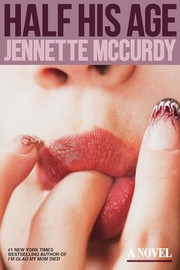
Half His Age
2,491-word summary 11 min read 288 pages in the book
- First published
- 2026
- Publisher
- Ballantine Books
- Pages
- 288
- ISBN
- 9780593723739
Reading options
What's inside (8 sections)
I came to Half His Age with mixed feelings. I admired I'm Glad My Mom Died for its plain sentences and dry jokes, and I was not sure I wanted to read a novel from McCurdy about a teenager sleeping with her teacher. The premise sounded built to provoke. Then a friend whose taste I trust said the book is bleak and funny in equal parts, and that the main character Waldo stayed in her head for weeks. I read the 288 page Ballantine Books edition over two nights. She was right about Waldo sticking around. This is an uncomfortable book that knows it is uncomfortable, and that self knowledge makes it hard to put down.
The setup is direct. Waldo is seventeen, sharp, lonely, hungry for attention that feels adult. Mr. Korgy is forty, her teacher, married, used to being liked by students who think he really sees them. They begin an affair that Waldo pursues as much as he does, sometimes more. What follows is not a romance. It is a long look at wanting, being wanted, and the strange rush of holding power you are too young to hold safely. Early coverage called it a reverse Lolita story, which catches part of the design but misses how sad and silly McCurdy lets it be.
Waldo before Mr. Korgy
Waldo lives in a house where love feels conditional and loud. McCurdy does not copy her memoir wholesale, but readers of that book will hear echoes. A mother who manages appearances, who counts and comments, who loves hard and controls harder. School friends who orbit and drift. A part time job with a boss who does not remember her name. Waldo is funny in class in the way that can read as bright or as trouble depending on the teacher mood. She writes sharp essays. She notices how adults talk when they think teens are not listening.
What makes Waldo distinct is how openly she narrates hunger. Not just for praise, but for size. She wants to be taken seriously by someone with a mortgage and a bookshelf. She is tired of boys her age who text in fragments. She tries on adult phrases in the mirror. She practices saying complicated things with a flat face, as if calm equals maturity.
Home life sharpens the need. Waldo mother loves her but keeps score. Clean your room means prove you respect me. Good grades mean show the neighbors we are fine. Waldo learns to perform steadiness while feeling messy inside. She babysits for cash, saves for clothes that make her look older, studies teachers the way other kids study pop stars. Which ones are tired. Which ones are kind. Which ones look at the smart girls a second too long. Mr. Korgy notices her writing. That noticing feels huge to her. It would feel huge to many seventeen year olds who are used to being managed rather than heard.
I liked these early chapters best. McCurdy takes time with ordinary days. Bus rides. Cafeteria negotiations. A mother daughter fight about laundry that is really about fear. Waldo trying to explain to a friend why a teacher praise email made her cry, then laughing so the friend will not worry. The prose is plain, with jokes that land because they are specific. A classroom poster peeling at the corner. A teacher mug with a chip. Small items that make school feel observed from inside rather than remembered from far away.
How the affair starts
Mr. Korgy teaches with charm. He tells stories, remembers details from student essays, stays after class to talk about books. Girls confide in him. Boys want his approval. Colleagues think he is dedicated. His marriage, glimpsed in short scenes, looks tired rather than cruel. Dishes in the sink. A wife who works late. Polite distance. McCurdy does not paint him as a drooling predator in the opening pages, which makes him more disturbing. He looks like the good teacher every school has, the one parents request.
The line crossing is gradual, then fast. Extra help after school. Emails about writing that stretch longer than they should. Rides home when it rains. Compliments that shift from your thesis is strong to you seem older than your age. Waldo registers each step and leans in. She wears the shirt she knows he liked. She brings up books he loves to keep him talking. She tells herself she is choosing, which in a narrow sense is true. She sends the first risky text. She shows up where she knows he will be. McCurdy lets Waldo claim agency without letting the reader forget the age gap. Waldo is seventeen. Korgy is forty. He grades her. He knows better. He does it anyway.
The early affair scenes mix thrill with awkwardness. Cheap motels with loud ice machines. Cars parked where classmates will not see. Korgy nervous about his phone. Waldo nervous about her mother checking location sharing. They laugh a lot at first, giddy and conspiratorial. Sex is described bluntly, without romance lighting. Bodies bump. Timing is off. Korgy says things meant to sound worldly that sound tired. Waldo pretends experience she does not have, then feels sick after, then wants it again because wanting feels like proof she matters.
McCurdy keeps the focus on talk. Korgy explains his marriage problems in ways that ask a teen to comfort him. Waldo offers advice she heard on podcasts. He calls her wise. She glows. Then he goes home to his wife and Waldo goes home to homework. That split, between feeling central for an hour and invisible after, drives much of the middle. Waldo starts checking her phone in class. Grades slip. Friends notice she is elsewhere. She lies with ease and hates how good she is at it.
Power flips back and forth
The most discussed part of Half His Age is how power moves. At first Korgy holds it all. Age, grades, reputation, car keys, money for rooms. Waldo feels lucky to be chosen. Then, as the affair continues, Waldo finds levers. She can withhold texts and watch him panic. She can threaten, lightly, to tell. She can make him jealous by mentioning a boy at school. She learns that being young and willing in secret gives her a kind of hold over a man afraid of losing his job and marriage.
McCurdy writes these flips with cold comedy. Korgy, so smooth in class, becomes needy over text, sending double messages with typos. Waldo, so unsure at home, becomes cool and brief, leaving him on read while she does dishes with a small smile. There are scenes where she directs him like a play. Park here. Wear that. He obeys because obedience feels like proof of love. Readers who expected a simple victim story may feel thrown. That throw is intentional.
But the book never lets the flip mean equality. Waldo power depends on secrecy, which also traps her. She cannot tell friends why she is glowing or crying. She cannot ask adults for help without ending the thing she thinks she wants. Korgy can end it by withdrawing, and he does, more than once, only to return when loneliness spikes. Each return resets Waldo hope. McCurdy shows how hope works as a leash. It does not need to be likely. It only needs to be phrased warmly at midnight.
Female rage enters here, not as speeches but as small acts. Waldo scratches his car door with a key and pretends it was an accident. She pockets his lighter. She imagines telling his wife in detail, savoring the image, then feels ashamed. She is angry at being used and angry at herself for wanting the use to continue. She calls herself his after school special. The humor does not soften the harm. It shows how Waldo survives it day to day.
Funny until it is not
McCurdy timing comes from her acting and memoir years, and it shows in dialogue. Waldo voice is quick, self mocking, alert to adult nonsense. A scene where Korgy tries to explain the affair through a novel they both teach in class is both hilarious and sickening. He talks about forbidden love in literature while Waldo sits at her desk trying not to laugh or scream. A parent teacher night scene, where Waldo watches Korgy charm her mother, made my stomach turn even as I laughed at Waldo inner commentary about cheese cubes and small talk.
The comedy thins as consequences gather. Waldo misses deadlines. She fights with her best friend, who senses something rotten but cannot name it. Her mother finds a receipt or a message, depending how you read a carefully vague chapter, and the house tension spikes. Korgy grows paranoid. He checks hallways before speaking to Waldo. He grades her harshly to prove distance, then texts apologies at night. The affair stops feeling chosen and starts feeling stuck. Sex becomes repetitive in a way McCurdy writes on purpose. Same motel art. Same excuses. Same promises to be careful that fail.
There is a strong middle sequence at a school event with crowds, where Waldo has to watch Korgy be a beloved teacher in public while knowing his private texts. Waldo smiles for photos. Korgy high fives boys. His wife stops by with coffee. Waldo stands three feet from the wife and feels both invisible and huge. It captures how affairs distort scale. Tiny gestures feel massive.
The bleakness deepens without turning into misery for its own sake. Waldo starts to see Korgy clearly. Stained shirt cuffs. Fear that makes him mean. She sees her own performance too. How hard she works to seem older, cooler, less hurt. Some readers will find these chapters repetitive. The cycle of fight, break, text, meet, regret does loop. I felt the drag in one stretch. Then I realized the drag is the point. This is what it feels like to be caught.
What McCurdy is trying to say about desire
Half His Age is frank about teen desire in a way most novels dodge. Waldo wants sex, attention, praise, jealousy, proof. She masturbates, brags to herself, feels proud of her body, feels disgusted by it the next hour. She wants Korgy to want her badly enough to ruin his life, which is a terrifying wish to admit, and McCurdy lets Waldo admit it. That honesty will upset some readers. It should. It also feels true to seventeen, when wanting can feel like identity and rejection can feel like erasure.
The book also asks who gets to tell this story. Lolita taught many readers to hear the older man pretty sentences and forget the girl pain. McCurdy flips the microphone. We live inside Waldo head, with her jokes and calculations, while Korgy sounds thinner the more he talks. His big lines about love and art fall flat against her concrete details. Sticky car seats. A wife voicemail playing while he buttons his shirt. A grade changed without comment. By staying close to Waldo, McCurdy shows how adult romance language sounds when aimed at a teen. It sounds like grooming with good vocabulary.
There is rage here at systems, not just one man. School rules that warn about boundaries but protect popular teachers. Mothers stretched thin who miss signs because they are working and worrying. Friends who sense wrongness but lack words for it. Other teachers who joke about Korgy fan club without asking why girls cry after his class. McCurdy does not write essays about these failures. She shows them in passing, which makes them sting more. A counselor with a full calendar. A policy poster no one reads. A principal who loves Korgy test scores.
At 288 pages, Ballantine Books published it in 2026, the novel has room for Waldo interior life beyond the affair. She loves writing, though she starts to hate what Korgy praise did to it. She loves a younger cousin she babysits, and scenes with the child show a gentler Waldo. She loves her friend even while lying to her, and guilt over that lie may hurt more than Korgy cold spells.
Where it drags and who should sit this out
Fair criticism first, because this book will divide people. The shock tactics repeat. Secret texts, motel rooms, jealousy games, angry comebacks. After the third cycle, some readers will feel McCurdy is pushing the same button. I felt that in the middle third. The point about stuck patterns is valid, but the scenes could vary more. A few side characters stay thin. Korgy wife is more symbol than person. Waldo mother flashes memoir skill but gets fewer pages than she deserves. One teacher friend who suspects something appears, then vanishes when the plot needs her to.
Tone is another hurdle. The blend of jokes and harm will feel wrong to some readers, especially those who lived through teacher abuse. Waldo jokes about her own exploitation as a way to stay in charge of the story. That defense can read as McCurdy making light of harm, even though later chapters show the cost plainly. If you need a narrator who names abuse early and holds that line, Waldo will frustrate you. She names it late, and even then with a joke attached. That delay is psychologically honest, but it makes for queasy reading.
Content notes matter here. This novel depicts a sexual relationship between a seventeen year old and a forty year old teacher, with explicit scenes and emotional manipulation. It includes crude humor, drinking, and disordered eating thoughts carried over from McCurdy earlier themes. Readers who find Lolita framing painful should know McCurdy uses that comparison to center the girl, not to excuse the man.
Who should read it. Readers who liked McCurdy memoir voice and want to see it stretched into fiction. Readers interested in stories about power and desire told from the younger person view, with jokes that do not look away. Book groups will argue hard about choice, consent, and where sympathy should land, which is productive if the group can sit with discomfort. Who should skip it for now. Anyone currently dealing with fresh wounds from teacher misconduct, anyone who wants a clear moral guide on every page, and younger teens who might find Waldo glamorizing what harms her before the book pulls the rug.
I finished Half His Age feeling wrung out and impressed. Waldo is not likable in the easy way. She is prickly, funny, cruel, tender with her cousin, careless with her friend, brave on the page and lost in parking lots. Korgy is pathetic in the precise sense, a man who inspires pity and contempt together. McCurdy refuses to tidy their story into lessons about healing. The last chapters give Waldo distance without giving her closure in big letters. She writes. She notices more. She stops answering one kind of text. That small stop feels larger than any speech.
FAQ
Is Half His Age a Lolita retelling?
Early coverage used reverse-Lolita framing. McCurdy stays inside Waldo head with jokes and calculations, while Korgy romance talk falls flat against concrete details like car seats and changed grades.
Is the book explicit or upsetting?
Yes. It depicts a sexual relationship between a seventeen year old and a forty year old teacher with blunt scenes, manipulation, crude humor, drinking, and disordered eating thoughts.
Do I need to read I'm Glad My Mom Died first?
No, the novel stands alone at 288 pages from Ballantine Books. Memoir readers will hear echoes in the mother daughter fights, but Waldo is a fictional teen with her own story.
Similar books
My Dark Vanessa
Vanessa recalls teacher Strane abuse as adult reckoning looms.
2,600-word summary · 12 min read

The Idiot
A Turkish-American freshman at Harvard falls in love through email with a Hungarian math student and spends a summer in Hungary trying to turn correspondence…
2,019-word summary · 9 min read
Less Than Zero
Clay returns to Los Angeles for Christmas and drifts through parties, drugs, and old friends, including one who is selling himself to survive.
1,926-word summary · 9 min read
The House of the Scorpion
A clone raised in a drug lord's poppy fields learns what he was made for and chooses what to do with the life he was given.
2,527-word summary · 11 min read
The Age of Miracles
A California girl grows up while the Earth's rotation slows, and ordinary adolescence continues alongside slow catastrophe.
2,417-word summary · 11 min read
Peace Like a River
An asthmatic boy in the early 1960s narrates his family's search for his older brother, who is accused of two killings and has escaped custody.
1,969-word summary · 9 min read

The Chosen
A shattered pair of glasses in a 1944 Brooklyn softball game starts a friendship between a Hasidic boy and his Orthodox neighbor, and their fathers pull them…
2,443-word summary · 11 min read
Bring Up the Bodies
Thomas Cromwell sets out to destroy Anne Boleyn, building a case from rumor and revenge while Henry VIII waits to marry Jane Seymour.
2,066-word summary · 9 min read
The Story of Edgar Sawtelle
A mute boy on a Wisconsin dog-breeding farm relives Hamlet as his uncle returns, his father dies in the barn, and the dogs inherit what is left.
2,392-word summary · 11 min read
Luster
Edie, twenty-three and adrift in New York, falls into an affair with an older white archivist in an open marriage, and into the orbit of his wife and adopted…
2,049-word summary · 9 min read
Foster
A girl spends a summer with relatives on a Wexford farm and is cared for properly for the first time. A spare novella about family and what children notice…
2,043-word summary · 9 min read
I Capture the Castle
Cassandra journals six months of love and money trouble in a castle.
2,402-word summary · 11 min read
Ham on Rye
Henry Chinaski grows up rough in Depression Los Angeles and finds writing.
2,244-word summary · 10 min read
The Interestings
Meg Wolitzer follows Jules Jacobson from 1974 arts camp into middle age, as friendship with Ethan and Ash turns into envy, money gaps, marriage strain, and…
2,990-word summary · 13 min read
Summer Sisters
Vix and Caitlin share Martha's Vineyard summers from age twelve into adulthood, through first love, grief, marriage, and a disappearance that still haunts Vix.
3,633-word summary · 16 min read
Trust
Four rival accounts of one Wall Street fortune collide: a 1930s novel, a tycoon's memoir, a secretary's story, and a wife's diary.
2,217-word summary · 10 min read
Purple Hibiscus
Kambili, fifteen, watches her devout factory-owner father rule the Enugu house through fear until a Nsukka visit teaches her speech and freedom.
2,595-word summary · 12 min read
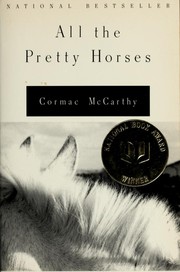
All the Pretty Horses
John Grady and Rawlins ride to Mexico for ranch work, finding love, prison, and a code that costs all.
2,677-word summary · 12 min read
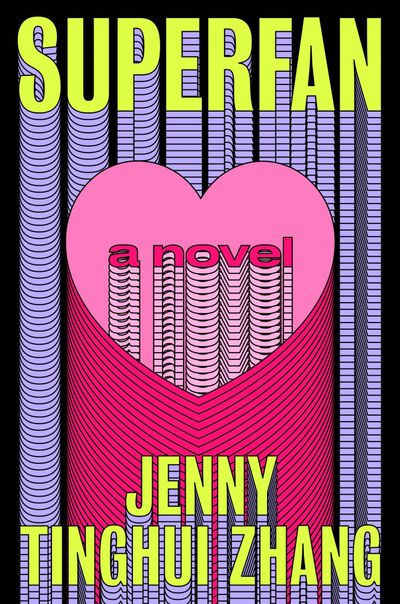
Superfan
A lonely Austin freshman pours herself into a boy band forum while her idol Halo hides a tragic past that could ruin them both.
2,127-word summary · 9 min read
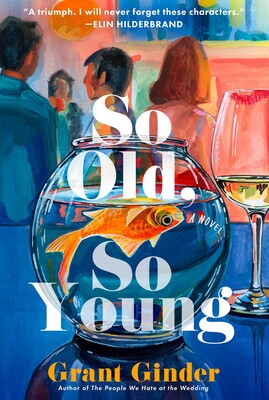
So Old, So Young
Six college friends reunite at five parties over twenty years in Ginder's funny, moving novel of millennial friendship.
2,457-word summary · 11 min read
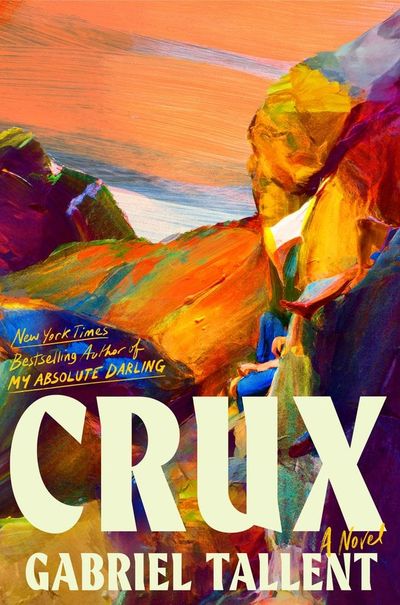
Crux
Two broke Mojave teens chase pro climbing dreams as friendship, class gaps, and family strain pull Dan and Tamma apart.
2,489-word summary · 11 min read
The Heart's Invisible Furies
John Boyne follows Cyril Avery, adopted in Dublin in 1945, through seventy years of love and secrecy as Ireland changes around him and he learns to live openly.
2,904-word summary · 13 min read
All the Ugly and Wonderful Things
Wavy grows up neglected in rural Kansas and forms a lasting bond with Kellen, a biker tied to her family, in Greenwood's 2016 novel of survival and taboo.
2,429-word summary · 11 min read
The Elegance of the Hedgehog
A Paris concierge hides her brilliant mind while a gifted girl plans her death, until a new tenant sees through them both.
2,248-word summary · 10 min read
The Cider House Rules
Homer Wells grows up in a Maine orphanage under Dr. Larch, who delivers babies and performs illegal abortions.
2,985-word summary · 13 min read
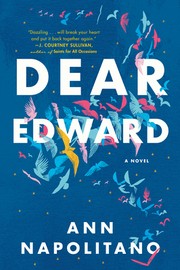
Dear Edward
Twelve-year-old Edward Adler survives a plane crash that kills his family, then learns how to live with grief, letters, and love.
2,903-word summary · 13 min read
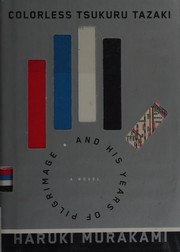
Colorless Tsukuru Tazaki and His Years of Pilgrimage
At thirty six, Tsukuru revisits four old friends to learn why they cut him off at twenty.
2,765-word summary · 12 min read
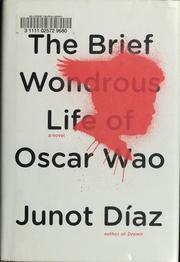
The Brief Wondrous Life of Oscar Wao
Oscar loves sci-fi and wants love, while Yunior traces family curses back through Trujillo terror.
2,056-word summary · 9 min read
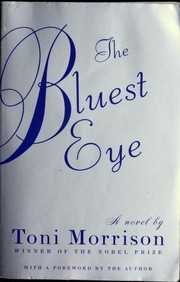
The Bluest Eye
Pecola prays for blue eyes while her parents repeat the racism that broke them, and the town looks away.
2,024-word summary · 9 min read
Sophie's World
Sophie gets philosophy lessons by mail, then finds she is fiction in a father birthday book for Hilde.
2,013-word summary · 9 min read