
Reading options
What's inside (4 sections)
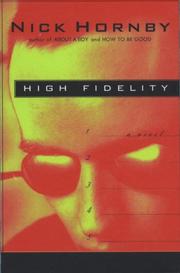
Top five books about music that broke my brain in the best way. High Fidelity by Nick Hornby was first published in 1995 by Riverhead in the US, a 323 page hardcover with ISBN 9781573220163, after the UK Gollancz edition. Rob Fleming owns a failing London record shop and just got dumped. He makes lists to understand why. I read it in three sittings, making my own top fives in margins, which is exactly what Hornby wants. Lists are the plot and the problem.
Rob narrates. He is thirty five, funny, and stuck. Championship Vinyl sells rare records to snobs who never buy. His clerks Dick and Barry bicker about bands like theology. His girlfriend Laura left for a neighbor named Ian who does emotion better. Rob decides to revisit his top five breakups to find the pattern. Was it him every time. Spoiler that is not a spoiler. Yes, mostly, with help from others immaturity.
What makes it sing is voice. Conversational. Self lacerating. Full of asides to readers who get it. If you ever organized shelves autobiographically, you will feel seen and called out at once. Rob loves music deeply and uses that love to avoid people skillfully. That duality drives every chapter. Great taste. Bad boyfriend. Both true.
Championship Vinyl
The shop is a character and a trap. Dusty. Broke. Full of regulars who judge purchases. Dick is shy and kind, Barry is loud and cruel about bad taste. They stage mini concerts, insult customers, and barely sell. Rob loves them and enables them because they share his language. Talking about B sides beats talking about rent. Hornby, who worked in schools before writing, nails how subcultures become families that stunt growth. Safe inside. Useless outside.
Laura departure scenes hurt because they are ordinary. No affair revealed at first. Just distance. She wants a home and kids. He wants to keep going to gigs and buying reissues. They fight about future in a kitchen with good light. She leaves. He plays sad records loud, which helps for one night and harms after. Friends tell him to move on. He makes a list instead. Top five most memorable split ups. That list structures the book and delays healing, which is the point. Analysis as avoidance.
Revisiting exes gives the middle its comedy and ache. Alison, the first. Penny, the earnest. Charlie, the one who got away to a richer man. Sarah, the brief. Each visit shows Rob how he performed sensitivity while centering himself. He listened to Alison but heard soundtrack. He supported Penny causes but skipped meetings. Charlie deserved better than his nostalgia. The encounters are awkward in realistic ways. Overstaying. Wrong gifts. Apologies that ask for absolution rather than offer amends. Hornby writes these without making Rob a villain. Just a man who loved music more attentively than people.
A fair note. Early Rob can sound like every sad indie boy monologue. Lists. Quips. Self pity with good references. Stick through. Once Laura perspective enters late, the book balances. She gets chapters that show his blind spots from outside. He was funnier than reliable. Kinder in theory than practice. That outside view saves the novel from solipsism. You see what lists miss. A person waiting for actions, not rankings. Her father adds a dry chorus worth hearing. A practical man who likes Rob enough to lend tools but not enough to trust him with Laura future yet. Their shed conversations about fixing things while talking around feelings mirror Rob shop talks. Men bonding sideways over objects. One finally says what matters plainly. Bring her back soup when she is sick, not records. Rob writes that down. Actually writes it. Progress you can file. The top five device itself deserves a last look as both crutch and craft. Rob ranks breakups, jobs, and songs to avoid feeling them raw. Lists order chaos into columns. That ordering helps him see patterns he would otherwise dodge. Every ex left for similar neglects wearing different coats. Naming the pattern in a notebook is the first honest thing he does without an audience. Readers who list will recognize the relief and the trap. Clarity without action is just tidier avoidance. Rob eventually acts, which is why the device earns its pages. Lists start the work. Feet finish it. A closing gig scene shows the change in public. Rob plays a set for Laura friends who expect snobbery. He plays crowd pleasers mixed with one deep cut explained kindly, no sneer when someone asks who it is. People dance. Laura watches from the door with something like pride minus worry. That is the whole arc in one night. Taste shared instead of wielded. Love the room you are in, not the one in your head. Dick quiet romance deserves a last smile as proof the shop can grow people. He brings his girlfriend to stock takes and introduces her by what she likes, not by what she should like. She brings tea and stays through arguments about pressings. No one ranks her taste. That unranked welcome is what Rob finally learns to offer Laura. Come as you are. I will listen first this time. Her friends add chorus worth hearing. They like Rob but tell Laura to demand more than mixtapes. One dinner scene where they quiz him about future plans while he deflects with B sides is painfully funny. Everyone at the table knows the subtext except Rob, who thinks it is about music. It never was.
Barry and Dick subplots keep shop days lively while Rob spirals, and their growth deserves specifics. Barry forms a band that is terrible and earnest, practicing in the shop after hours with amps that blow fuses. Dick finds a girlfriend who likes his quiet and his records equally, showing up with tea during stock takes. Their progress contrasts Rob stasis without preaching. People can change while loving the same songs. Rob notices and resents it, which is honest. Friends moving on while you replay breakups feels like betrayal even when it is health. A staff meeting where Rob finally asks what they want, instead of telling, marks his first real management of people rather than vinyl.
mixtapes and maturity
The mixtape thread is the book soul and deserves focus. Rob makes tapes for every occasion. Breakup. Makeup. Road trip. He judges others tapes ruthlessly. When he finally makes one for Laura that is not about showing off, sequencing songs to say what he cannot, it lands because craft serves feeling at last. Hornby details the rules. No filler. No artist twice. Start strong. End with hope. Anyone who made tapes in the nineties will nod. It was love in ninety minutes.
DJ nights give Rob a stage to test growth publicly. He gets a gig at a club and plays to impress rather than to move feet. It flops. Later he plays to the room and people dance. That shift from taste to service mirrors relationship growth. Stop curating people. Start hosting them. Barry learns this faster with his band, playing covers crowds want before originals. Rob watches and takes notes. Humility looks like reading rooms, not just spines.
Laura return is handled with unusual maturity for lad lit. She does not come back because Rob begs. She considers Ian, who is emotionally available but dull in ways that matter to her too. She chooses Rob provisionally after he shows changed behavior, not changed playlists. Paying bills. Showing up on time. Listening without ranking her words. Their reconciliation talk in her flat is the best scene. No grand speech. Just logistics about keys, therapy, and trying. Love as admin done willingly. That is grown.
The ending avoids wedding bells for something better. A new shop idea that might fail. A baby possibility discussed, not decided. A top five list of things Rob loves about Laura that includes ordinary mornings. No number one with a bullet. Just steady tracks. Hornby trusts readers to accept progress over perfection. Rob will backslide into snobbery. He knows it. We know it. The difference is he now notices and apologizes faster. That is enough for a life, if not for a movie.
What stays with me is Hornby question about taste. Does loving good records make you good. Rob thinks so for most of the book. Evidence says no. Dick is kind and likes odd stuff. Barry is cruel and knows everything. Laura likes mainstream and is brave about feelings. Taste correlates with nothing except time spent. That demotion of cool is the novel quiet revolution. Listen well to people, not just pressings. First editions do not love back.
Read it if you like music, lists, and flawed men learning slowly. It pairs well with making a mixtape for someone you wronged. Do not expect redemption arcs with strings. Expect small admin kindnesses and better listening. By the last page you will make your own top five breakups and wince. I did, and I kept the list private, which Rob would respect as growth. Some rankings should stay in notebooks, not conversations. Rob learns this late when he almost ruins a good night by ranking Laura cooking against his mother. He catches himself mid list and apologizes without making it a bit. That catch is growth you can measure in seconds. Old Rob would have performed the ranking for laughs. New Rob swallows it and asks about her day instead. Small catches, repeated, rebuild trust faster than grand mixtapes. Though the mixtape he finally makes, sequenced to say what he cannot, still lands because craft serves feeling at last. No filler. No artist twice. Start strong. End with hope. Anyone who made tapes in the nineties will nod. It was love in ninety minutes when done right.
For readers who came for music trivia, the shop debates reward attention beyond jokes. Dick and Barry argue about B sides like theology, and their arguments map real fan anxieties. Does obscurity equal quality. Does selling out erase past truth. Rob mediates badly at first, siding with whoever flatters his taste. By the end he stocks what neighbors actually buy alongside what he loves, which keeps lights on without surrendering soul. Commerce with conscience is the shop lesson that mirrors his love lesson. Serve the room, not just the collection. That parallel gives the book its shape. Stores and hearts both fail when curated only for self. Laura sister and friends add a chorus that keeps Rob honest when he slips. They like him but tell Laura to demand admin as well as mixtapes. Show up on time. Pay half without being asked. One dinner scene where they quiz him about future plans while he deflects with B sides is painfully funny. Everyone at the table knows the subtext except Rob, who thinks it is about music. It never was. It was about whether fun men do dishes without being asked twice. Rob brother-in-law figures and Laura father add generational mirrors worth noting. Older men who learned to show up late or never. Rob watches them at a family lunch and sees two futures. Grudging help with jokes, or absent charm that curdles. He chooses grudging help and practices it badly at first. Doing dishes loudly. Announcing errands for credit. Laura calls out the performance kindly. Just do it quietly next time. He does. That quiet second try matters more than any mixtape. Admin heroics again, this time with a sink. Love as chores done without soundtrack. Hornby trusts readers to find that romantic. I did, more than any serenade.
FAQ
When was High Fidelity published?
Riverhead published it August 30, 1995. It runs 323 pages and the hardcover ISBN is 9781573220163.
Is it part of a series?
No. It stands alone, though Hornby returns to music and love in later novels.
Similar books
Remember Me?
Lexi wakes after an accident missing three years, with a polished new life and a husband she does not recall, and must work out which parts she wants to keep.
2,390-word summary · 11 min read
About a Boy
An idle London bachelor invents a toddler son to meet women, then builds a real friendship with a lonely twelve year old.
2,750-word summary · 12 min read
Shopaholic and Sister
Becky Brandon returns from a ten-month honeymoon to meet the half-sister she always wanted, then discovers that Jess is thrifty, prickly, and nothing like the…
2,591-word summary · 12 min read
The Reading List
A lonely widower and a teen library worker connect through a mysterious list of books.
2,810-word summary · 12 min read
Men Without Women
Seven stories about men living after women leave, die, or stay distant.
2,673-word summary · 12 min read

Bridget Jones: The Edge of Reason
Bridget doubts Mark, takes a job with Daniel, and lands in trouble in Thailand.
2,198-word summary · 10 min read
Shopaholic Ties the Knot
Becky Bloomwood plans two weddings at once while debts pile up and Luke's mother interferes.
2,218-word summary · 10 min read
Shopaholic and Baby
Pregnant Becky shops for the perfect nursery while Luke's ex becomes her obstetrician.
2,247-word summary · 10 min read
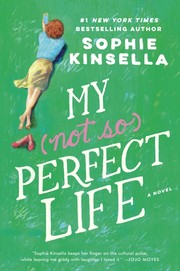
My Not So Perfect Life
Katie chases London creative life while her perfect boss Demeter hides cracks, until a farm trip flips roles.
2,300-word summary · 10 min read
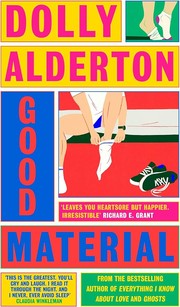
Good Material
A struggling comic replays his breakup with Jen while sofa surfing, bombing gigs and missing the other half of the story.
2,500-word summary · 11 min read
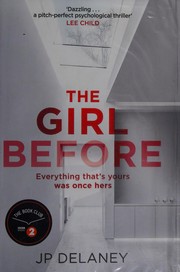
The Girl Before
Jane moves into minimalist One Folgate Street and must face what happened to Emma before it repeats.
3,562-word summary · 16 min read
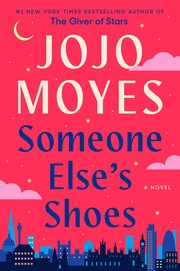
Someone Else's Shoes
A rich wife loses everything and a tired mom gains red heels when gym bags swap in London.
1,951-word summary · 9 min read
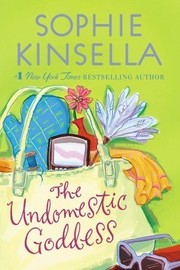
The Undomestic Goddess
A burned out London lawyer flees a career mistake and takes a housekeeper job she cannot do.
2,943-word summary · 13 min read
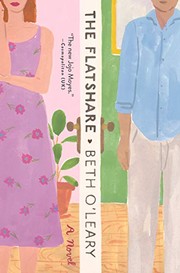
The Flatshare
Two strangers share one bed on opposite shifts and fall in love through notes left around the flat.
2,793-word summary · 12 min read
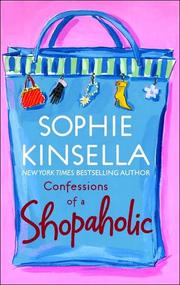
Confessions of a Shopaholic
Becky Bloomwood hides maxed cards while chasing a finance writing job.
1,910-word summary · 8 min read
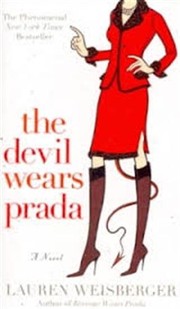
The Devil Wears Prada
Andrea Sachs takes an assistant job for Miranda Priestly at Runway and loses herself.
3,203-word summary · 14 min read

Take My Hand
In 1973 Montgomery, a young nurse discovers that two sisters were sterilized without consent, and spends the rest of her life living with what she could not…
2,126-word summary · 9 min read
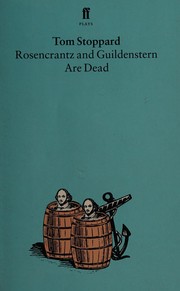
Rosencrantz and Guildenstern Are Dead
Stoppard's 1966 play retells Hamlet from the wings, where two minor courtiers wait, joke, and walk toward a death they cannot see.
2,021-word summary · 9 min read

Little Earthquakes
Four Philadelphia women meet during pregnancy and discover that new motherhood is nothing like the plan, while friendship becomes the thing that holds them…
1,997-word summary · 9 min read
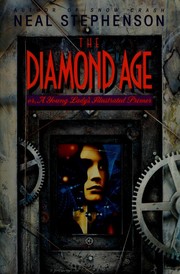
The Diamond Age: Or, A Young Lady's Illustrated Primer
A stolen nanotech primer raises a poor girl in 22nd-century Shanghai, and Neal Stephenson turns her education into an argument about class, freedom, and who…
2,055-word summary · 9 min read

Lick
Evelyn wakes up married to the lead guitarist of Stage Dive after a Las Vegas birthday she cannot remember, and the annulment gets complicated.
1,989-word summary · 9 min read

Witches Abroad
Three Lancre witches fly to Genua to stop a fairy godmother from forcing a servant girl into a storybook marriage, and find a city arranged around a happy…
2,651-word summary · 12 min read

Devil in Winter
A shy heiress with a stammer proposes a marriage of convenience to London's most notorious rake, then makes him prove he can be faithful.
2,548-word summary · 11 min read
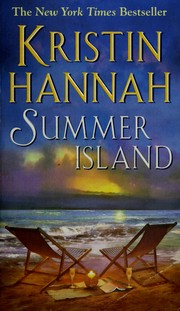
Summer Island
A radio advice host hides a scandal, and the estranged daughter hired to write about it agrees to care for her at the family's island house.
2,325-word summary · 10 min read

Scar Tissue
Kiedis's memoir follows the Red Hot Chili Peppers from Hollywood house parties to fame, heroin, and the long work of staying clean.
2,217-word summary · 10 min read
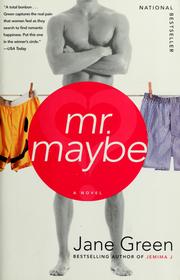
Mr. Maybe
Libby Mason wants a rich husband, but the wealthy man who proposes is dull and the broke writer she cannot forget is not offering forever.
2,322-word summary · 10 min read
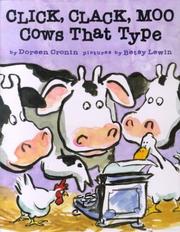
Click, Clack, Moo: Cows That Type
Cows learn to type, demand electric blankets, and go on strike in a deadpan picture book about negotiation and withheld labor.
2,617-word summary · 12 min read
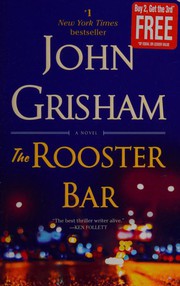
The Rooster Bar
Three law students buried in debt discover their for-profit law school is a scam, and decide the only way out is to con their way into practicing law before…
2,837-word summary · 13 min read
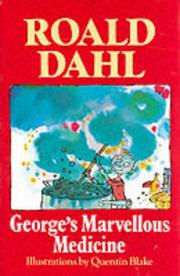
George's Marvellous Medicine
George stirs a brew of dozens of household chemicals and gives it to his grumpy grandmother, and the medicine works far better than anyone planned.
2,014-word summary · 9 min read
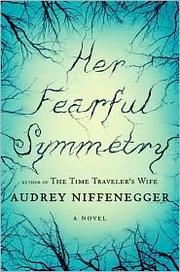
Her Fearful Symmetry
Twins Julia and Valentina inherit a London flat above Highgate Cemetery from an aunt they never met, then find a ghost in it and a family secret.
2,057-word summary · 9 min read