
Reading options
What's inside (8 sections)
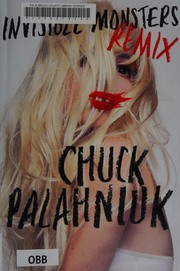
I came to this one backwards. I had read Fight Club in college and Choke a few years later, and I kept hearing that Invisible Monsters was the strange one fans loved most. Then I saw there were two versions and that stopped me for a while. W. W. Norton published Invisible Monsters Remix in hardcover in 2012, 320 pages, ISBN 9780393083521. The original Invisible Monsters had come out in 1999 as a paperback, after Norton passed on it as a first book and then circled back when Fight Club took off. The Remix is Palahniuk going back to that earlier book with new chapters, a new introduction, and a shuffled order that tells you where to jump next. I read the Remix straight through first, then flipped around the way he suggests, which felt closer to how the story wants to be read.
The basic setup is simple enough to explain, even if the telling is messy on purpose. Shannon McFarland grew up on a farm with parents who paid more attention to almost anything else. She has an older brother, Shane, who was kicked out as a teenager. Shannon decides she will be seen. She goes to modeling school, learns how to stand and smile and starve politely, and becomes a working fashion model. Her best friend from that world is Evie Cottrell, another model who knows all the tricks for staying thin and staying booked. Her boyfriend is Manus Kelley, a cop who likes beautiful women and likes being seen with them. Into that tight little triangle walks Brandy Alexander, who calls herself Queen Supreme and is one surgery away from finishing her transition. Brandy is tall and calm and funny in a way Shannon is not used to. She talks like someone who has already lost everything and learned how to dress the loss.
What hooked me early was how much of the book is about attention as money. Shannon counts looks. Evie counts invitations. Manus counts muscles or whatever proves he matters that week. Brandy counts surgeries. Nobody says it plainly. You watch them trade beauty for safety and safety for control.
Shannon, Evie, Manus, and Brandy
Shannon narrates, but she is not reliable in the way an honest friend would warn you about. She starts near the end, at Evie’s wedding, with the house on fire. Then she cuts back months and years. Then she cuts forward again. You learn her childhood in pieces. Her parents farmed. Money was tight. Shane got caught with an infection as a teen, got labeled, got thrown out. Later the parents got a call saying Shane had died, and they turned into loud supporters of causes they had once punished at home. Shannon watched that from the side. The kid who was still there got less notice than the kid who was gone. That detail explains a lot about why Shannon chose modeling. If you cannot get love at the table, you try to get it from strangers on billboards.
Evie is the friend who teaches Shannon how to survive that business. How to throw up quietly. Which photographers to avoid. Evie also keeps secrets the way other people keep receipts. She is dating Manus behind Shannon’s back. She has a past she has edited hard, including history her parents want buried under a good marriage.
Manus is harder to pin down at first because Shannon renames him. For stretches she calls him Seth, a name Brandy gives him, and you have to adjust when the book tells you Seth and Manus are the same man. He is a former cop by the later chapters, big and insecure, quick to use his hands. He was involved with Shane when Shane was young, which matters more than it seems for a long time. He likes Shannon when she is flawless and helpless. He likes Evie when she offers fun without demands. He does not like being questioned.
Brandy is the person Shannon meets after everything breaks. Tall blonde, scarves and dresses that cost more than Shannon’s rent used to, a voice that stays level when other people panic. Brandy takes Shannon to cheap hotels and expensive open houses. She gives Shannon new names to try on. Daisy St. Patience is the gentle one. Bubba Joan is tougher. The names sound silly until you see what they do. Shannon cannot be Shannon McFarland anymore. That girl had a face that opened doors. Without it, she needs another way to walk through a room.
The shooting and life with no jaw
About a third of the way into the story as I pieced it together, Shannon is riding in a car when a rifle shot takes off most of her lower jaw. She drives herself to the hospital with blood filling her lap. Surgeons save her life but they cannot give her back a normal mouth or clear speech. Her modeling work ends that night. Manus pulls away. Phone calls stop. Jobs stop.
Palahniuk spends a lot of pages on what comes after, and this part felt most lived in. Shannon wears a veil and writes notes instead of talking. Strangers stare and then pretend they did not. Evie invites Shannon to stay at her house, which sounds kind until Evie leaves town and leaves Shannon alone in a big empty place with too many mirrors.
Speech therapy is where she meets Brandy. The group is full of people learning to make sounds again after accidents and surgeries. Brandy is there for her own reasons, further along in a different kind of recovery. She picks Shannon out right away. Not with pity. With instructions. Hide the wound. Change the name. Stop asking your old life to take you back. Brandy talks about reinvention the way a mechanic talks about an engine. You strip it. You replace parts. You paint it a color nobody expects. Shannon resists, then tries it, then leans on it hard.
I should say the shooting is presented as a mystery for most of the book. Shannon hints that Manus did it. Manus hints that Evie did it. Evie cries and points back at Manus. Later Shannon admits she pulled the trigger herself. She wanted out of beauty and out of being owned by it, the same way her brother wanted out of a self that kept getting him hurt. Whether you believe her version the first time will change how you read the middle. I did not fully believe it until the hospital pages near the end. Even then I kept turning back to check what she had said earlier about that drive.
Speech therapy and the road
Once Shannon leaves Evie’s house, the book turns into a road story. Brandy, Shannon, and Manus, who Brandy has folded into their plans under his new name, drive from town to town in a heavy borrowed car, living off scams. The main one is simple. They dress up, pretend to be rich buyers, and get realtors to show them big houses for sale. While the realtor talks about granite and schools, they pocket prescription drugs from bathroom cabinets. Later they take some and sell the rest. It pays for gas and motels and Brandy’s medical bills.
The Rhea sisters help fund Brandy early on. They are three drag queens who share a hotel room and a fierce loyalty to Brandy. They paid for procedures when nobody else would. They tease Shannon, dress her wounds, teach her how to walk into a showing and look like money.
On the road, Brandy schools Shannon in how to disappear. Use cash. Never use the same name twice in one county. If a clerk remembers your veil, change the veil. If a cop looks too long, flirt or cry or go silent, whatever fits the name you are wearing that day. Manus, or Seth as he is called on this trip, plays the husband or brother or driver depending on the house. He hates the act and needs it. He steals well. He drives fast when they need to leave. He also drinks and sulks and starts fights Brandy has to finish with a smile.
There is a lot of repetition here. Another town. Another cabinet. Another motel with a loud heater. These are not romantic outlaws. Shannon’s jaw aches in cold air. Brandy has to rest after procedures. I found the middle dragged in places because of that sameness.
Model homes, stolen pills, and a wedding on fire
The open house chapters give Palahniuk room to mock how Americans shop for lives. Realtors talk about bonus rooms and island kitchens while Shannon, veiled and polite, opens drawers. Brandy asks about school districts she will never use. Manus leans in doorways and tries to look harmless. They leave with bottles rattling in Brandy’s big bag. Then they sit in parking lots and sort the haul. Keep the painkillers. Sell the rest. Find a buyer through a nurse or a club kid or whoever Evie knows in that city.
Evie keeps surfacing through phone calls. She is planning a wedding to a man her parents approve of. Her mother, a realtor herself, shows the trio a house without knowing who they are. The mother brags about her daughter’s match while the daughter’s best friend and boyfriend stand in her kitchen pocketing pills. Palahniuk does not underline the joke.
That wedding is where the timeline starts and ends. Evie in white. A yard full of guests. A house that will soon burn. Shannon sets the fire. Manus ends up locked in a car trunk after being forced to swallow pills. Brandy gets shot by Evie during the chaos.
I want to pause on Evie here because she is easy to dismiss as the vain friend. She is vain. She is also scared in a specific way. Her parents have spent years trying to manage her body and her history. Marriage is their plan to make her respectable and quiet. She goes along because the alternative is being cut off. She shoots Brandy, as I read it, not from courage but from panic that all her edits are about to be exposed in front of guests. That does not excuse it. It does make her more than a prop. She is what Shannon might have become if Shannon had kept the face and kept lying still.
Who everyone really is
The last stretch answers the questions the book has been circling. Brandy Alexander is Shane McFarland, Shannon’s older brother. After being thrown out, Shane lived rough, got hurt by men including Manus, and decided the only way to stop being Shane was to become someone else entirely. Surgery by surgery, with the Rhea sisters paying, Shane became Brandy, who looks a lot like Shannon used to.
Evie knew Brandy from a support group, which is how Brandy heard about Shannon’s accident in the first place. Evie told the story as gossip. Brandy heard it as a map. That connection reframes a lot of small scenes. When Brandy is kind to Shannon in therapy, she already suspects who Shannon is. When Brandy gives Shannon new names, she is also testing how it feels to hand out identities. When Shannon finally says she is Shannon McFarland, Brandy is not surprised. She has been waiting.
Manus is the ugliest reveal because there is so little to admire once the charm burns off. He used Shane as a teen and then pretended it never happened. He used Shannon as proof he was normal. He used Evie as fun on the side. On the road he tries to play protector, but he keeps reaching for control. Locking him in the trunk reads cruel, and it is. The book does not ask you to cheer exactly. It asks you to see why Shannon, who has been locked inside a ruined face and a ruined career, would want one night where a man who hurt her brother and used her feels helpless and small.
Shannon’s own confession closes the loop. She shot herself. She wanted to kill the beautiful girl who could not say no to photographers and boyfriends and friends who fed off her. She tells this to Brandy in the hospital while Brandy recovers from Evie’s bullet. Then Shannon leaves her bag with her IDs and letters and tells a sleeping Brandy to take the name Shannon McFarland if Shane still does not know what he wants. She walks out as Daisy St. Patience, or as nobody, ready to start over without beauty as currency. In the extra Remix material, Daisy stays Daisy. She builds a small cemetery for people to bury relatives they hated, with mean jokes on the stones. She starts a group for women with facial injuries. She marries someone whose name the book does not bother to give. Those additions sound like punch lines, but they play as Shannon finally charging admission to look.
How the Remix reads and who should skip it
The Remix part is more than a new cover. Palahniuk adds an introduction where he says the straight line order of the 1999 paperback was a compromise. He had wanted readers to jump around from the start. A friend told him most readers would not work that hard, so he smoothed it out. For the Remix, Norton let him put the jumps back in. At the end of chapters you get a note telling you which chapter to read next. New memoir bits about his own touring and fans are spliced in, plus extra scenes with Shannon and Brandy and Evie that fill small gaps. The design plays along, with different type and spacing that make the book feel assembled rather than printed.
Reading with the jumps changes the rhythm. Straight through, the story already cuts time a lot. With jumps, you get the intended whiplash. I tried both ways. Straight through is easier to follow. Jump order is more fun for a while, then more tiring because you keep losing your place. Palahniuk even suggests marking read pages, which I did with small pencil ticks.
Here is where I get critical, because this book asks for it. The cruelty is the point, and it still wears me down. Palahniuk is sharp about beauty and money and family, but he repeats his best moves until they dull. Another cruel putdown about fat or age. Another list of designer names to prove someone is fake. Another pill sorted, another cabinet opened. The road chapters make their point about emptiness early and then keep making it. Evie and Shannon trade the same insult in new rooms. Manus sulks in new cars. Brandy explains reinvention again to someone new. If you love that hammering, you will call it voice. If you do not, you will skim.
Who should skip it. If graphic talk about bodies, sex work, drug misuse, and self harm will bother you, stay away. This is not hinted at. It is on the page in plain words. If you need characters to grow in a steady way, this will frustrate you. Shannon grows sideways. Brandy grows in circles. Manus barely grows. Evie chooses safety over honesty. If you want a tender story about transition or injury, this is not that. Brandy’s reasons are tangled and sometimes told for shock. Shannon’s injury is used as a plot engine as much as a wound. People looking for careful representation will find pages that feel cheap.
Who might love it anyway. Readers who liked the venom in Fight Club but wanted more women at the center. Anyone interested in how fashion sells confidence and then rents it back. People who enjoy books that mess with order, like a record you can play shuffled. I kept thinking about Shannon learning to write thanks on a pad instead of saying it, and finding that people respond to the handwriting more warmly than they ever did to her smile.
FAQ
Is Invisible Monsters Remix the same story as Invisible Monsters from 1999?
Yes, with the same core plot about Shannon, Brandy, Evie and Manus, but the 2012 Norton hardcover adds an introduction, new chapters, and jump instructions that reorder the reading.
Do I need to follow the jump instructions?
No. You can read straight through for clarity or follow the jumps for the shuffled effect Palahniuk first wanted. Marking finished pages helps in jump order.
Is this book for everyone?
No. It holds frank material about bodies, drugs, sex, and self harm, plus repeated cruelty. Readers who want steady growth or gentle representation may want to skip it.
Similar books
Lullaby
A reporter discovers that a poem in a children's book kills anyone who hears it, and his attempt to destroy every copy turns into a road trip through grief,…
2,147-word summary · 10 min read
Haunted
Writers lock in for three months and trade worse stories as food runs out.
2,576-word summary · 11 min read
Survivor
Tender Branson, last Creedish survivor, confesses into a flight recorder as his plane dives, from servant to agent-made celebrity messiah in Palahniuk's 1999…
2,683-word summary · 12 min read
Infinite Jest
A film that kills its viewers, a tennis academy, a halfway house for addicts, and a future America where corporations name the years, all tangled together.
2,084-word summary · 9 min read
The Sisters Brothers
Two hired killers ride from Oregon to Gold Rush California to murder a prospector, and find their trade, their brotherhood, and the frontier myth coming apart.
2,095-word summary · 9 min read
White Noise
Jack Gladney teaches Hitler studies, flees a chemical cloud with his family, and chases a drug for dread in DeLillo's funny and bleak 1985 novel of…
2,768-word summary · 12 min read
The Sirens of Titan
A ruined playboy is herded from Mars to Titan while a stranded robot waits for a spare part.
2,663-word summary · 12 min read
Cat's Cradle
Jonah researches the atom bomb and finds ice-nine and Bokononism on San Lorenzo.
2,583-word summary · 11 min read
Choke
A medical dropout fakes choking in restaurants to pay for his mother's care while stuck in a colonial park and sex addiction meetings.
2,044-word summary · 9 min read
Fight Club
An insomniac office worker and Tyler Durden build underground clubs that grow into Project Mayhem.
2,036-word summary · 9 min read
The Idiot
A Turkish-American freshman at Harvard falls in love through email with a Hungarian math student and spends a summer in Hungary trying to turn correspondence…
2,019-word summary · 9 min read

The Crying of Lot 49
A California woman named executor of her ex-lover's estate follows a muted post horn into a possible centuries-old postal conspiracy, and Pynchon refuses to…
2,003-word summary · 9 min read

Go the Fuck to Sleep
A rhyming bedtime book for adults in which an exhausted father narrates the fourth hour of a toddler's stalling, one profane couplet at a time.
2,291-word summary · 10 min read
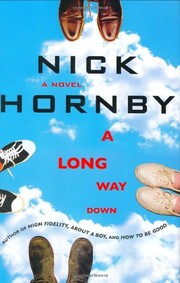
A Long Way Down
Four strangers meet on a London rooftop on New Year's Eve, each planning to jump, and end up making a pact to stay alive until Valentine's Day.
2,145-word summary · 10 min read
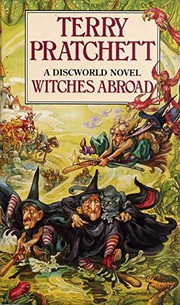
Witches Abroad
Three Lancre witches fly to Genua to stop a fairy godmother from forcing a servant girl into a storybook marriage, and find a city arranged around a happy…
2,651-word summary · 12 min read
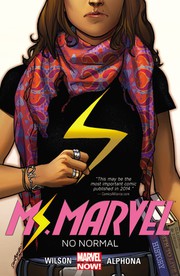
Ms. Marvel, Vol. 1: No Normal
Kamala Khan, a Jersey City teenager and Carol Danvers fan, gains shapeshifting powers and has to decide what kind of hero she wants to be.
2,579-word summary · 11 min read
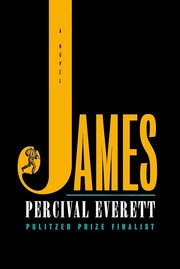
James
Percival Everett retells Huckleberry Finn from Jim's side, giving him a library, a hidden school, and a voice the novel lets loose.
2,211-word summary · 10 min read

Unaccustomed Earth
Lahiri’s second story collection follows Bengali families in America and abroad, tracing the quiet distances between parents and children, spouses, and the…
2,333-word summary · 10 min read
The House of the Scorpion
A clone raised in a drug lord's poppy fields learns what he was made for and chooses what to do with the life he was given.
2,527-word summary · 11 min read
Naked Lunch
Burroughs's banned 1959 collage novel follows Bill Lee through addiction, Tangier, and the nightmare bureaucracy of the Interzone.
2,082-word summary · 9 min read

Amy & Roger's Epic Detour
Amy Curry has not driven since the crash that killed her father. With Roger at the wheel and a box of maps between them, a cross-country trip becomes a slow…
3,034-word summary · 13 min read

The Dharma Bums
Ray Smith rides freight trains, climbs Matterhorn Peak and argues about Zen with the poet Japhy Ryder in Kerouac's 1958 road novel.
2,729-word summary · 12 min read
The Chemist
A former government interrogator on the run takes one last job, then learns the case she was handed was built to pit her against him.
2,249-word summary · 10 min read

Sing You Home
A music therapist, her new wife and an evangelical ex-husband end up in court over three frozen IVF embryos.
2,952-word summary · 13 min read
Hogfather
Death fills in for a missing Father Christmas, Susan Sto Helit hunts the Hogfather, and the twentieth Discworld novel turns Santa into a management problem.
2,871-word summary · 13 min read
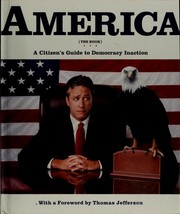
America (The Book): A Citizen's Guide to Democracy Inaction
Jon Stewart and the Daily Show writers turn a high school civics textbook inside out, with a foreword from beyond the grave.
2,511-word summary · 11 min read
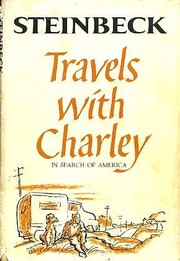
Travels with Charley
Steinbeck drives across America with his poodle Charley, looking for the country he remembers and finding a place that has changed.
2,039-word summary · 9 min read
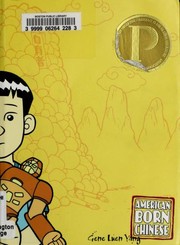
American Born Chinese
Three stories, a monkey king, a Chinese-American boy and a sitcom cousin, converge in a graphic novel about shame, assimilation and learning to accept yourself.
2,107-word summary · 9 min read
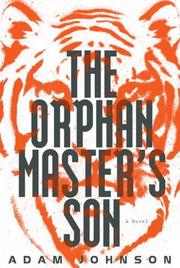
The Orphan Master's Son
Adam Johnson's Pulitzer-winning novel follows Pak Jun Do from a North Korean orphanage to a deadly identity swap, under a state whose loudspeakers never stop…
2,219-word summary · 10 min read
The False Prince
A nobleman buys four orphans and tells them only one will survive to impersonate the missing prince. The narrator, a defiant thief named Sage, has other plans.
2,044-word summary · 9 min read