
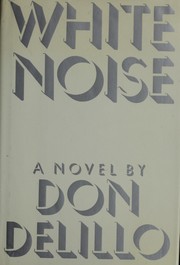
White Noise
2,768-word summary 12 min read 326 pages in the book
- First published
- 1985
- Publisher
- Viking
- Pages
- 326
- ISBN
- 9780670803736
Reading options
What's inside (8 sections)
I first met White Noise on a rainy weekend when a friend left a battered paperback on my kitchen table and said it was the funny one about the supermarket and death. I expected a campus comedy. I opened it late at night with tea going cold beside me, and the first pages pulled me into a house full of voices, televisions talking over each other, and a man trying to sound sure of himself while his slippers shuffled down the hall. Don DeLillo published the novel in January 1985 with Viking, and the first hardcover runs 326 pages. It won the National Book Award for Fiction in 1985. That history hangs over it now, but reading it felt less like meeting a prize winner and more like sitting in someone crowded living room while the news plays too loud.
Jack Gladney narrates the whole book. He is a professor at the College-on-the-Hill in the small town of Blacksmith, and his specialty is Hitler studies, a department he helped invent. He wears the academic gown to look weightier, he has put on bulk to look like a man who can carry such a subject, and he admits early that his German is poor. He started lessons to patch the gap. His friend and colleague Murray Jay Siskind wants to build a parallel career around Elvis Presley, and the two of them circle each other with lectures, jokes, and late night talk that sounds half serious and half performance. Jack lives with his fourth wife counting remarriages, Babette, who teaches posture and volunteers and worries aloud with him about who will die first. That question comes up in bed, at breakfast, in the car. It never quite leaves.
The Gladney household is large and patched together from earlier marriages. Heinrich is fourteen, the son of Jack and Janet Savory, all angles and argument, playing correspondence chess with a convicted killer and insisting the radio knows more about the weather than his own eyes looking out the window. Denise is eleven, the daughter of Babette and Bob Pardee, watchful and practical, the one who first notices that her mother is hiding something. Steffie is nine, the daughter of Jack and Dana Breedlove, sweet and anxious, once heard murmuring brand names in her sleep. Wilder is two, Babette young son, mostly silent at this stage, toddling and staring, a small still point while everyone else talks. Bee, twelve, the daughter of Jack and Tweedy Browner, lives mostly elsewhere and visits with the wariness of a kid who has learned train schedules by heart. Mary Alice and Eugene belong to the wider map too, grown or far away, Eugene with his father in Western Australia. DeLillo keeps them moving through the kitchen, the television room, the car, borrowing jackets and trading gossip about teachers and disasters.
The College on the Hill and the Gladneys
The first third of the book, called Waves and Radiation, barely moves in terms of plot. It settles instead into routine. Jack lectures behind sunglasses and a gown. Murray rents a room and talks about car crash movies and the spiritual charge of supermarkets. Babette reads tabloids to an elderly blind man named Treadway and forgets words she should know. The kids drift in with homework, headaches, permission slips, and fragments from radio and television that they repeat as fact.
Two set pieces from this stretch tell you almost everything about how DeLillo hears America. In one, Jack and Murray drive out to see the most photographed barn in America. They find signs for the barn, photographers photographing photographers, a booth selling postcards of the barn, and no way to simply look at wood and paint. Murray loves it. He says no one sees the barn anymore because the pictures have replaced the looking. Jack feels uneasy and a little moved. He wants the thing itself and knows he cannot get back to it.
In the other, the family goes to the supermarket and the prose slows down to take in the colors and lights. Jack admits he feels bigger when he shops, steadier, as if spending fills some thin place in him. Babette touches cereal boxes. The children argue for candy they do not need. Later critics have quoted the shopping lines to death, but on the page they play as sad and funny at once, a man mistaking full carts for safety.
This is also where the fear settles in plainly. Jack and Babette confess to each other that they are scared of dying. Not in an abstract way. They lie awake and calculate. She asks who will go first. He deflects with jokes and then admits he does not know how to be the one left behind. Their marriage is warm in its way. They fold laundry, they compare pills and aches, they try to keep desire alive past middle age. But the dread sits under the jokes like a low hum. DeLillo lets it buzz without resolving it.
The Airborne Toxic Event and the road out
About a third of the way through the 326 pages, a tank car vents near town and releases a black cloud of a chemical called Nyodene Derivative, shortened to Nyodene D. At first the radio calls it a feathery plume, then a black billowing cloud, then an urgent warning. The Gladneys watch it from windows and then from the car as they join a long line of station wagons crawling out of Blacksmith. Heinrich insists on what the radio says over what his nose and eyes tell him. Steffie covers her ears. Wilder cries and then goes quiet.
DeLillo stages the evacuation as farce and panic at the same time. Traffic jams. False turns. A family singing to keep calm. Men in Mylex suits appear at intersections, their faces hidden, waving traffic on with orange wands. A plane that dropped through turbulence days earlier keeps coming up in talk, survivors describing the fall, as if disaster were already rehearsing. When the Gladneys reach the shelter, a school gym full of cots and coughing, Jack fills out forms and answers questions about his exposure. He stood in a gas station parking lot while the cloud passed. He breathed it for a couple of minutes. That detail will follow him.
The Airborne Toxic Event gives the novel its center image. Nature here is not woods and fields. It is weather made by people, a sunset later in the book that may be pretty because it is poisoned. Jack keeps looking up at the sky for signs. The kids ask if it is safe to drink water or touch soil. No one with authority gives a clean answer. Officials speak in the calm voice of people reading from a script that has not caught up to events. I found these chapters the most alive in the book, because the jokes drop just enough to let the fright show.
SIMUVAC and the data of death
Inside the evacuation, DeLillo introduces SIMUVAC, short for simulated evacuation. A team of technicians and planners treats the real flight from the cloud as a rehearsal for a future simulation. A young SIMUVAC man interviews Jack with a clipboard and explains, almost cheerfully, that they are using the actual event to test their model of a made up event. Jack stares. He has possible contamination in his blood and the man across the table wants to talk about protocol.
The scene is absurd and it lands because it feels familiar. Jack asks the only question that matters to him. Am I going to die from this exposure. The technician answers with curves and probabilities. Exposure correlates with risk. Data suggests. In time the computer will refine the picture. Jack presses for a yes or no and gets a printout. Later a doctor will tell him, with professional gentleness, that the Nyodene D situation in his system is ambiguous but real, that death from this source has a certain profile, and that fear itself may do as much work as the chemical.
Murray, back at the college, offers his own theories. He tells Jack that killing might cure fear, that power over another life steadies the killer. He talks about television as a kind of shelter, about white noise as both sound and thought, the steady wash that covers silence. Jack half listens and half records, the way he does with student questions. He wants a system that explains why his hands shake when the phone rings at night. Murray gives him sentences. They help for an hour. Then the house goes quiet and the fear returns.
Babette meanwhile is forgetting. She cannot recall the word for a common object. She mixes up names. Denise watches her mother count pills and hide a bottle. Steffie asks her father if his mother is sick. Jack, trained to lecture on mass death, proves useless at asking his wife a direct question. He circles. He brings up recycling and school forms. He waits for her to confess. The marriage that looked chatty and solid starts to show thin spots, not from lack of love but from two people protecting each other with silence.
Dylar, Mr. Gray, and Willie Mink
The last third, called Dylarama, turns the dread into a plot. Denise finds the pills and, with Steffie watching, brings them to Jack. The label reads Dylar. Jack takes the bottle to Winnie Richards, a level headed scientist at the college, who tests and calls around. Dylar is not on the market. It is an experimental drug meant to treat the fear of death itself by working on parts of the brain tied to language and dread. Side effects include confusion between words and things, so that a patient hearing the phrase speeding bullet might drop to the floor. It does not remove fear so much as scramble the wiring that names it.
Jack finally forces the talk he avoided. Babette admits she joined a trial in secret. She was terrified of dying, terrified of leaving the children and leaving him, and a man who called himself Mr. Gray offered her access. The price was sex in a motel room with curtains that never quite close. She describes the shame plainly, without asking for pity, and says the pills did not work for her. She still wakes afraid. The confession scene is one of the best in the book because DeLillo lets Babette speak in short sentences while Jack keeps wanting a lecture he can grade.
Mr. Gray turns out to be Willie Mink, a failed researcher tangled up with the Dylar project, now addled by his own drug and living in a rooming house near the edge of town. Jack gets a gun from Vernon Dickey, Babette father, who visits with stories and a pistol wrapped in a towel as if passing along a power tool. Jack rehearses the murder on the drive over, trying out lines the way Murray tries out theories. He pictures himself as a man settling accounts. He pictures the motel carpet, the television on, the small talk before. When he finds Mink, the man is already half gone, talking in loops, sweating, repeating phrases from television. Jack shoots him twice in the stomach and immediately feels the plan collapse.
What follows is pure dark comedy with blood on it. Jack tries to stage the shooting as a suicide by placing the gun in Mink hand. Mink, confused and wired, fires and hits Jack in the arm. The two wounded men stare at each other. Jack, bleeding through his sleeve, drags Mink to the car and drives him to a hospital run by German nuns. The nuns are brisk and kind and, when Jack tries to talk about God and shelter, they tell him plainly they do not believe. They keep working. Their faith, if it exists, is in routine and care. Jack watches them and feels both rebuked and steadied. He saved the man he meant to kill, and the failure feels more human than the plan.
The supermarket, Wilder, and what wears thin
DeLillo closes not with a trial or a cure but with small events. Wilder, two years old, rides his plastic tricycle across a highway while trucks pass, and somehow reaches the other side. Neighbors gather. Jack runs with his heart hammering. The boy sits blinking in the grass, unhurt, beyond explanation. Later the Gladneys join a crowd on an overpass to watch a sunset made lurid by the old cloud, reds and oranges too bright to be innocent. People bring cameras. Children point. Jack holds Wilder and feels the old questions lift for a minute without being answered.
Then the supermarket again. Shelves restocked, lights humming, scanners beeping, shoppers moving in slow patterns DeLillo describes with real tenderness. Jack walks the aisles with Babette, buying what they need and a little they do not. He watches old people read labels, mothers count change, teenagers drift past freezers. He thinks about death and then thinks about dinner. The final pages do not solve the Dylar failure or the Nyodene D shadow in his blood. They let routine do what routine does. It carries people forward.
I admire that refusal, and I also felt its cost across 326 pages. The middle of the book drifts by design, and design or not, some stretches play as talk without forward pull. Murray can carry pages with his riffs on Elvis and Hitler, on car crashes and supermarkets, and then he can tire you with one more confident theory exactly when you want a person to act. Babette deserves more interior room than she gets. We hear her fear and her shame, but long sections filter her through Jack worry rather than her own view, which makes the motel confession hit harder but also feel late. Denise and Heinrich come through sharper than the adults at times, which seems intended yet leaves Jack looking oddly passive for a narrator who teaches mass murder for a living.
Some consumer gags have dated in the way eighties brand jokes date. A reader in 2026 will still recognize the supermarket spell, because that has only grown stronger, but a few television jokes and pill plot turns feel tied to their decade. The Dylar idea remains sharp. A drug for dread sounds less like satire now than like a press release. The SIMUVAC chapters, once the most absurd, now read almost plain. We live inside models and dashboards. DeLillo saw the tone early.
What keeps White Noise worth the time is the sound of it. The dialogue snaps. The family scenes ring true in their interruptions. The fear talk avoids both sermon and shrug. Jack is a fraud who knows he is a fraud, which makes him easier to trust than a hero would be. When he admits he dressed the part of a Hitler scholar before he earned it, or that he shops to feel less afraid, the honesty steadies the book. I closed the 1985 Viking edition feeling that DeLillo had described a house I have lived in, full of screens and snacks and love and static, where everyone is trying not to hear the quiet underneath.
Reading it now
If you come to it after the film or the classroom summaries, expect less story and more weather. The Airborne Toxic Event arrives and passes. The Dylar plot flares and gutters. The supermarket lights stay on. That shape frustrates readers who want mystery solved, and it rewards readers willing to sit with a family that talks past the point and still holds together. Bring patience for the lecture riffs. Notice how often DeLillo stages people watching other people watch something, from the barn to the shelter television to the sunset crowd.
For all my gripes about the sagging middle and the thin handling of Babette outside her big scene, I would still press this novel on anyone who likes funny books about serious things. It names a modern habit with unusual clarity. We fill the air with talk, buying, scrolling, and commentary so we do not have to hear our own breathing. Then a cloud crosses the sky, or a test result comes back vague, or a child asks a plain question at bedtime, and the hum drops out. What is left is a man, a wife, four kids at home plus two mostly elsewhere, and a cart rolling toward the checkout while the lights buzz overhead. That image has stayed with me longer than most plots that tie up neatly.
FAQ
When was White Noise published?
Viking published it in January 1985. The first hardcover runs 326 pages with ISBN 9780670803736, and it won the National Book Award for Fiction in 1985.
What are Dylar and Mr. Gray?
Dylar is an experimental drug meant to erase fear of death. Babette gets it from researcher Willie Mink, who calls himself Mr. Gray, but it only scrambles speech and leaves dread intact.
Is White Noise driven by plot?
Not tightly. An evacuation and a revenge trip frame long stretches of family talk, campus riffs, and supermarket scenes that build mood more than momentum.
Similar books
Infinite Jest
A film that kills its viewers, a tennis academy, a halfway house for addicts, and a future America where corporations name the years, all tangled together.
2,084-word summary · 9 min read
The Sisters Brothers
Two hired killers ride from Oregon to Gold Rush California to murder a prospector, and find their trade, their brotherhood, and the frontier myth coming apart.
2,095-word summary · 9 min read
Lost Lambs
A coastal family fractures as an open marriage fails and three sisters spiral while the youngest traces a shipping magnate's plot.
2,471-word summary · 11 min read
The Corrections
An aging Midwestern couple tries to gather three troubled adult children for one last Christmas at home.
2,094-word summary · 9 min read
The Crying of Lot 49
A California woman named executor of her ex-lover's estate follows a muted post horn into a possible centuries-old postal conspiracy, and Pynchon refuses to…
2,003-word summary · 9 min read

Howards End
Forster's 1910 novel follows two families, a house in Hertfordshire, and a burned note, asking whether money and feeling can ever be connected.
2,187-word summary · 10 min read
James
Percival Everett retells Huckleberry Finn from Jim's side, giving him a library, a hidden school, and a voice the novel lets loose.
2,211-word summary · 10 min read

Fathers and Sons
Arkady brings the nihilist Bazarov home to his father's estate, and a generational argument turns into love, a duel, and an early death.
2,192-word summary · 10 min read
Unaccustomed Earth
Lahiri’s second story collection follows Bengali families in America and abroad, tracing the quiet distances between parents and children, spouses, and the…
2,333-word summary · 10 min read
The Age of Miracles
A California girl grows up while the Earth's rotation slows, and ordinary adolescence continues alongside slow catastrophe.
2,417-word summary · 11 min read
Naked Lunch
Burroughs's banned 1959 collage novel follows Bill Lee through addiction, Tangier, and the nightmare bureaucracy of the Interzone.
2,082-word summary · 9 min read
Peace Like a River
An asthmatic boy in the early 1960s narrates his family's search for his older brother, who is accused of two killings and has escaped custody.
1,969-word summary · 9 min read

We Are Okay
Marin fled San Francisco after her grandfather vanished and stopped answering anyone. When Mabel visits her college dorm, she has to say what happened.
2,253-word summary · 10 min read

The Chosen
A shattered pair of glasses in a 1944 Brooklyn softball game starts a friendship between a Hasidic boy and his Orthodox neighbor, and their fathers pull them…
2,443-word summary · 11 min read

A Spool of Blue Thread
Four generations of the Whitshank family in Baltimore, and the silences, resentments and quiet love they hand down without ever saying so.
2,408-word summary · 11 min read
This Is How You Lose Her
Yunior cycles through love affairs and betrayals in nine linked stories, tracing the damage he does and the family history behind it.
2,195-word summary · 10 min read
Flight Behavior
Dellarobia Turnbow is stuck in a Tennessee farm marriage until a valley full of monarch butterflies, and the scientist who comes to study them, force her to…
2,051-word summary · 9 min read
And Every Morning the Way Home Gets Longer and Longer
An elderly grandfather, his son, and his grandson share memories and fears as the old man's mind begins to fade, in a short novel about grief and love.
2,078-word summary · 9 min read
The Tiger's Wife
A young doctor in a war-scarred Balkan country chases the stories her grandfather left behind, including a deathless man and a deaf girl who loved an escaped…
2,232-word summary · 10 min read

The Story of Edgar Sawtelle
A mute boy on a Wisconsin dog-breeding farm relives Hamlet as his uncle returns, his father dies in the barn, and the dogs inherit what is left.
2,392-word summary · 11 min read
Olive, Again
Elizabeth Strout returns to Crosby, Maine, as Olive Kitteridge marries Jack Kennison, confronts her son, and faces old age, grief, and small-town judgment.
2,333-word summary · 10 min read
Lullaby
A reporter discovers that a poem in a children's book kills anyone who hears it, and his attempt to destroy every copy turns into a road trip through grief,…
2,147-word summary · 10 min read
If on a Winter's Night a Traveler
You, the Reader, chase a defective novel through bookshops and translators while ten other novels keep interrupting. Calvino's famous puzzle about the act of…
2,173-word summary · 10 min read
We Were the Mulvaneys
After a rape following a school dance, the Mulvaneys, a family that believed it was blessed, comes apart over fifteen years. Narrated by the youngest son.
2,094-word summary · 9 min read
Foster
A girl spends a summer with relatives on a Wexford farm and is cared for properly for the first time. A spare novella about family and what children notice…
2,043-word summary · 9 min read
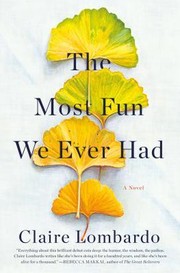
The Most Fun We Ever Had
Four Sorenson sisters orbit perfect parents hiding old cracks.
2,590-word summary · 12 min read
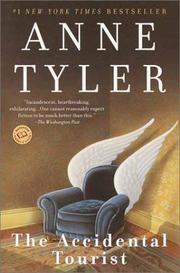
The Accidental Tourist
Grieving Macon writes travel guides for haters of travel, then Muriel intrudes.
2,252-word summary · 10 min read
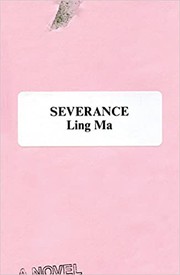
Severance
Candace keeps office routine as fever empties New York, then joins survivors.
2,340-word summary · 10 min read

Kitchen
Orphan Mikage finds home in a kitchen with Yuichi and Eriko after loss.
2,597-word summary · 12 min read
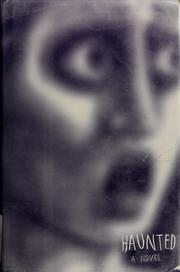
Haunted
Writers lock in for three months and trade worse stories as food runs out.
2,576-word summary · 11 min read