
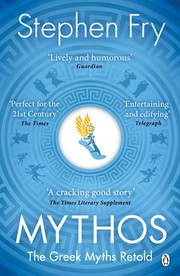
Mythos: The Greek Myths Retold
2,553-word summary 11 min read 464 pages in the book
- First published
- 2017
- Publisher
- Michael Joseph
- Pages
- 464
- ISBN
- 9780718188726
- Series
- Stephen Fry's Great Mythology (#1)
Reading options
What's inside (8 sections)
I picked up Mythos because a friend kept quoting Fry at pub quizzes and I wanted to see if the book was actually fun or just famous person does classics. I had read some Greek myths in school, the usual Persephone seeds and Icarus wax stuff, then forgot most of it. What surprised me on the first evening was how fast it reads. Fry published it in 2017 with Michael Joseph, 464 pages in the hardcover I am summarizing here, as the first volume in Stephen Fry's Great Mythology. It does not read like 464 pages. It reads like someone talking after dinner who happens to remember who begat whom.
Fry opens by saying you do not need any background. That is basically true. He starts with nothing, then builds the family tree as he goes, with little asides about words we still use. If you know zero myths you will be fine. If you know a lot, you will still get his jokes and his choices about which version to tell.
The shape of the book is chronological, more or less. Chaos to creation, Titans to Olympians, then gods settling into their habits, then mortals getting tangled with them. The last part leans into love stories and punishments. He saves heroes like Heracles and Theseus mostly for the second book, Heroes, though Perseus does get a proper outing here.
One thing to know going in: this is a retelling, not a translation. Fry works from Hesiod and Ovid and later sources, then puts it in his own chatty English. He keeps the weird and cruel bits. He just explains them in a modern voice.
Out of Chaos and the first messy family
Chaos comes first, not as a god with a beard but as a gap, a yawning emptiness. From that come Gaia the Earth and Tartarus below and Eros, who in this early form is less cherub and more the force that makes things want to join and make more things.
Gaia on her own produces Uranus, the Sky, and then marries him, which tells you a lot about how these stories will go. They have twelve Titans, plus the one eyed Cyclopes and the hundred handed ones. Uranus is a terrible father and husband. He hides his stranger children away inside Gaia, which hurts, so Gaia talks her youngest Titan son Cronus into doing something about it.
Cronus takes a sickle and cuts Uranus down in a scene Fry plays as horror and farce at once. Blood falls and makes new beings. Uranus withdraws. Cronus marries his sister Rhea and takes over.
I found this opening section oddly gripping for a creation story. It is mostly births and grudges, but Fry gives each Titan a sketch. Oceanus is steady. Hyperion is bright. Theia is shining. Mnemosyne remembers. Themis sets custom. It could have been a list. Fry keeps it moving by pausing on what each name later means for us, like memory or law, without turning it into a lesson.
Short version: the world starts lonely, gets crowded, and the first king is already afraid of his kids.
Cronus eats his children and Zeus eats trouble for breakfast
Cronus was told, as tyrants in these stories always are, that one of his own children would replace him. His solution is direct. He swallows each baby Rhea bears: Hestia, Demeter, Hera, Hades, Poseidon. Fry describes Rhea getting more hollowed out each time, which stuck with me.
When Zeus is born, Rhea hides him on Crete and gives Cronus a stone wrapped in cloth. Cronus eats the stone. I love that Fry lets that sit without overexplaining. The most powerful being alive cannot tell a rock from his son because fear has eaten his sense.
Zeus grows up in hiding, fed by a goat and watched by nymphs, with the armed Curetes banging spears on shields to cover his crying. When he is grown he comes back disguised, slips Rhea an emetic, and Cronus throws up his five siblings in reverse order. Then comes the long war against the Titans, the Titanomachy, with Zeus freeing the Cyclopes and the hundred handers to help.
The war itself takes up a good chunk and it is loud. Mountains thrown. Thunderbolts made by grateful Cyclopes. Fry is good on the logistics of impossible things, like how do you feed an army of giants, and he admits where sources disagree. After ten years the Olympians win. Cronus is cut up or thrown down, depending on version, and Zeus divides the world with his brothers by lot. Sky for Zeus, sea for Poseidon, the dead for Hades.
Fry is clear that Zeus is not a moral upgrade. He is smarter and more charming than his father, and just as self serving. That honesty helps the rest of the book. You stop waiting for a good king and start watching how power gets used.
If I have a gripe here, it is the names. There are a lot of them in about forty pages, and even with Fry repeating who is who, I had to flip back. That is the myth, not Fry failing, but readers who want a clean cast list will feel the pileup.
Olympus fills up and nobody behaves
Once Zeus is settled, the book slows into portraits. Hera marrying Zeus after a long courtship that curdles. Poseidon building and sulking. Demeter with grain and seasons. Hestia keeping the hearth and mostly staying out of trouble.
Some births are wonderfully strange. Athena springs from the head of Zeus after he swallows her pregnant mother Metis, because of course there was another prophecy about a child replacing him. Hephaestus is thrown from Olympus and lands lame, then becomes the smith who can make anything. Aphrodite rises from sea foam where Uranus parts fell, which makes her older than most Olympians and explains a little of her distance from their politics. Ares loves fighting for its own sake. Hermes is stealing cattle on the day he is born. Apollo and Artemis arrive as twins with very different tempers. Dionysus is sewn into the thigh of Zeus after his mortal mother Semele burns from seeing Zeus in full glory.
Fry clearly enjoys Hermes and Apollo most. Hermes gets the best jokes. Apollo gets music and prophecy and plague, often in the same story. Artemis gets respect and fear. She protects young things and punishes men who stare.
I laughed a lot in this middle third, then felt uneasy, which seems intended. Zeus chases nymphs and mortal women in endless disguises: bull, swan, shower of gold. Fry does not excuse it. He calls out the trickery and the pain left for Hera and for the women. Hera in turn is jealous and vengeful and sometimes cruel to innocents, and Fry gives her motives without softening the harm. It is not a modern consent lecture dropped into old stories. It is closer to: here is what the story says, here is who paid, make of it what you will.
A small structural note. These portraits can feel episodic. You get a run of births and affairs with less forward drive than the Titan war. I liked dipping in and out here. Reading straight through, I flagged a little around Hephaestus and Ares. Your mileage may vary.
Fire, jars, floods, and the price of cleverness
Prometheus is the heart of the book for me. He is a Titan who sides with Zeus, then falls out with him over humans. Fry presents him as fond of us in a practical way. He tricks Zeus over which part of a sacrifice gods should get, giving them bones wrapped in fat and saving meat for people. Zeus takes fire away in revenge. Prometheus steals it back in a fennel stalk.
The punishment is famous and Fry does not rush it. Chained to a rock, liver eaten each day by an eagle, healed each night. He includes the long stubbornness of it. Prometheus could apologize. He does not.
Then Pandora. Zeus orders Hephaestus to make the first woman, beautiful and curious, and each god gives her something. She is sent to Prometheus brother Epimetheus, who accepts her despite being warned not to take gifts from Zeus. She opens the jar she was told not to open. Out come sickness and toil and envy. Only Hope stays inside, or under the lip, depending on telling. Fry goes through the old debate about whether that is comfort or a final cruelty, and leaves it open. I appreciated that he did not force a moral.
Around these big stories Fry tucks shorter punishments that show the gods keeping score. Tantalus serves his own son to the gods and is given hunger and thirst in sight of food and water. Sisyphus cheats death twice and gets the hill and stone. The flood comes when Zeus decides humans have grown too violent, with Deucalion and Pyrrha surviving on an ark of sorts and repopulating the world by throwing stones that become people. Fry tells it plainly and quickly, which suits it.
This is also where the book states its view of humans. We are clever, brief, and prone to overreach. The gods are clever, long lived, and prone to spite. When those meet, someone gets chained to something.
Girls taken, boys changed, and Perseus with a mirror
The Demeter and Persephone story gets full weight, as it should. Hades sees Persephone picking flowers, opens the earth, takes her down. Demeter stops the crops. Humans starve. Gods negotiate. Persephone eats pomegranate seeds in the Underworld, which binds her. The compromise is seasons: part of the year above, part below.
Fry is tender with Demeter without making her simple. Her grief is real and her strike is political. He is fair to Hades too, lonely and rich and rigid, but he does not hide the abduction. Persephone herself grows across the telling, from gathered girl to queen who knows how to work power. The detail that stayed with me was small: the flowers she was picking when the ground opened, and how Fry returns to them when spring comes back.
Eros and Psyche is the other long love story, drawn from Apuleius. Psyche is so beautiful people worship her instead of Aphrodite, so Aphrodite sets Eros to punish her. He pricks himself with his own arrow and falls for her instead. He visits at night and forbids her to look at him. Her sisters prod her. She lights a lamp. Oil burns him. He flees. Then come the impossible tasks from Aphrodite, sorting grain, fetching water, going down to ask Persephone for beauty in a box. Fry tells the tasks with pleasure in the helpers: ants, reeds, towers that talk. Psyche opens the box, because curiosity in these stories is gravity, and ends up asleep until Eros pleads her case to Zeus. They marry. Their child is named Pleasure.
I had not read this myth straight through before. It is odd and sweet and a little long, and Fry keeps the strangeness instead of smoothing it into romance.
Shorter transformations dot these chapters. Echo talks too much and loves too hard and is left with only her voice. Narcissus loves only his own face and wastes at the pool. Hyacinth dies from a thrown discus and becomes a flower. Daphne runs from Apollo and becomes laurel just in time. Fry does not linger on all of them, which is wise. A paragraph each is enough to feel the pattern: attention from a god changes your shape.
Perseus closes this movement with adventure. Danae locked in a bronze room, Zeus as golden rain, a jealous king sending the boy to fetch the head of Medusa. Fry gives the practical bits: the mirrored shield, the winged sandals, the bag, the help from Athena and Hermes because the gods love a deniable asset. Medusa herself is treated with more sympathy than old versions allowed. She was a beautiful girl, wronged in Athena temple, then made monstrous. Perseus uses her head to save Andromeda from a sea monster and to settle scores back home. Fry keeps the pace quick and notes the cost without preaching.
Do you need to remember every name? No. Follow the arc: taken girls, changed bodies, one boy with good tools and better patrons.
What works, what drags, and who will enjoy it
Fry voice is the reason to read this over Edith Hamilton or a kids collection. He is funny in footnotes and parentheses, good on etymology, and willing to say when a story is grim. He compares gods to bad bosses and needy celebrities, but sparingly. Mostly he lets the plot carry.
The humor is not constant, and that is a strength. The creation and war chapters are fairly straight. The Olympian portraits loosen up. The love stories turn gentle. That shift keeps 464 pages from blurring.
Criticism is owed, and some of it was made well by reviewers at the time. Edith Hall in the Guardian praised the energy and questioned the selection, pointing out there is no contents list or index to warn you what is left out. She is right that this is a chosen path through myth, not a survey. The Scotsman review liked the access and flagged the swing between high style and pub chat. I felt that swing too. One page gives you a fine sentence about grief. The next gives you a wink that lands flat. Readers who want steady tone may tire.
Two more gripes from my reading. Genealogies pile up fast in the first third, and Fry occasional aside about English words, while fun, breaks tension during sad scenes. The Demeter chapter handles sorrow well. A joke two pages later about a word root pulled me out. Also, heroes are thin by design. If you came for Heracles labours or the full Trojan War, you will need the next volumes. Mythos stops before Troy gets going, which is fair for volume one but worth knowing.
Who is it for? People who want the stories in order without academic prose. Parents reading ahead of teens. Quiz fans. Anyone who liked Circe or Song of Achilles and wants the source material with jokes. Who should skip? Scholars wanting citations, readers who dislike modern slang in old mouths, and anyone sensitive to sexual violence who wants content notes, because these myths include abduction and assault and Fry describes them bluntly though not in graphic detail.
Practical notes to match the facts box. First published 2017 by Michael Joseph in London. Standard hardcover runs 464 pages. The ISBN cited here is 9780718188726, which passed the check digit test and shows a cover on Open Library, so no alternate cover link is needed. Series is Stephen Fry's Great Mythology, book one, followed by Heroes and then Troy.
If you read it, I suggest a slow middle. Take the Olympian portraits one or two at a time. Keep a scrap of paper for who is child of whom. Let the Demeter and Eros chapters have a quiet evening each. Then decide if you want Heroes next. I did, mainly to see what Fry does with a man like Heracles after spending a whole book showing how gods fail people.
FAQ
When was Mythos published and what edition is summarized here?
First published in 2017 by Michael Joseph in London. This summary follows the 464 page hardcover with ISBN 9780718188726, the first book in Stephen Fry's Great Mythology.
Do I need to know Greek myths before reading Mythos?
No. Fry starts with Chaos and builds the family tree as he goes, explaining names and word roots. Prior knowledge helps but the book is written for newcomers.
Does Mythos cover the Trojan War and Heracles?
No, not fully. It stops before Troy gets going and saves most hero labours for Heroes, though Perseus gets a full adventure here.
Similar books
More from Stephen Fry's Great Mythology first, then related titles.
A Touch of Malice
Engaged Hades and Persephone face gods who vote on their marriage.
2,562-word summary · 11 min read
Anansi Boys
A dull Londoner learns his dead dad was a spider god and his slick brother inherited all the magic.
2,036-word summary · 9 min read
Norse Mythology
Gaiman retells the Norse myths in order, from the creation of the world to Ragnarok, with Odin, Thor and Loki at the center.
4,647-word summary · 21 min read
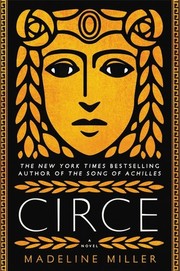
Circe
Exiled witch Circe masters plant magic on Aiaia, faces gods and monsters, loves Odysseus, and chooses a mortal life.
2,957-word summary · 13 min read
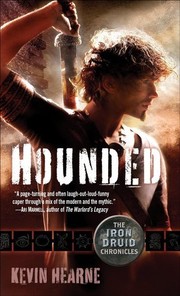
Hounded
A two-thousand-year-old druid runs a bookshop in Arizona, hides from an Irish god who wants his sword back, and talks to his dog.
2,159-word summary · 10 min read
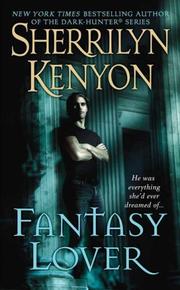
Fantasy Lover
A New Orleans sex therapist summons a cursed Spartan general from an ancient book and gets one month to break his spell.
2,315-word summary · 10 min read
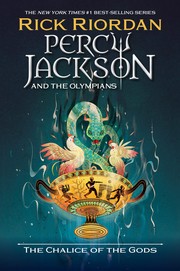
The Chalice of the Gods
Percy needs three recommendation letters from three gods to apply to college, so his first quest is recovering a stolen chalice from the god of old age.
2,106-word summary · 9 min read
The Stinky Cheese Man and Other Fairly Stupid Tales
Scieszka and Lane Smith take nine fairy tales apart, joke by joke, while Jack, the narrator, keeps losing the pages.
2,206-word summary · 10 min read
Eligible
Austen's Bennet sisters move to modern Cincinnati, where marriage is a reality show and the house is losing its value.
2,293-word summary · 10 min read
Dry
A memoir of drinking, rehab and relapse, and the strange business of getting sober one morning at a time.
2,643-word summary · 12 min read

Dear Girls: Intimate Tales, Untold Secrets & Advice for Living Your Best Life
Ali Wong's debut collects fourteen letters to her daughters, covering sex, money, work, marriage, Vietnam, and being a working Asian American mother.
2,266-word summary · 10 min read
At Home: A Short History of Private Life
Bill Bryson tours his own Norfolk rectory room by room to explain how private life and the modern home got built.
2,334-word summary · 10 min read

America (The Book): A Citizen's Guide to Democracy Inaction
Jon Stewart and the Daily Show writers turn a high school civics textbook inside out, with a foreword from beyond the grave.
2,511-word summary · 11 min read
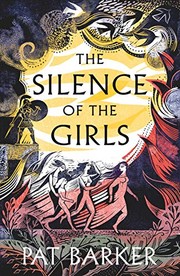
The Silence of the Girls
Briseis, queen of Lyrnessus, is captured by Achilles and narrates the Trojan War from inside the Greek camp, where women are prizes and survival is its own…
2,098-word summary · 9 min read
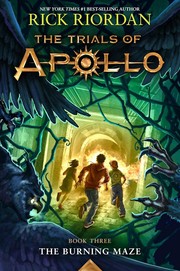
The Burning Maze
Apollo, still trapped in a mortal teenager's body, follows a dangerous prophecy through the Labyrinth with Meg and Grover as the Triumvirate's grip tightens.
2,248-word summary · 10 min read

Scrappy Little Nobody
Anna Kendrick's essays trace her path from a Portland childhood and Broadway to Hollywood, with jokes, anxiety, and a refusal to pretend fame fixed her.
2,092-word summary · 9 min read
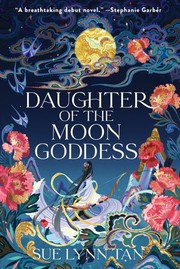
Daughter of the Moon Goddess
The daughter of Chang'e hides in the Celestial Court, trains as an archer, and risks everything to free her mother from the Emperor's punishment.
2,146-word summary · 10 min read
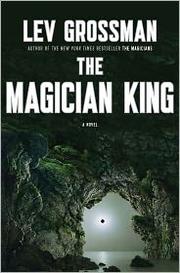
The Magician King
Quentin rules a peaceful Fillory until a golden key strands him on Earth, while Julia's brutal road from hedge witch to demigod rewrites the whole story.
2,431-word summary · 11 min read
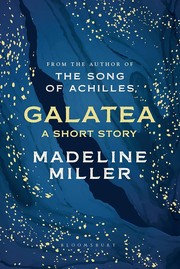
Galatea
The statue brought to life narrates her own story: a jealous sculptor, a locked hospital room, a daughter to protect, and one last plan to escape.
1,972-word summary · 9 min read
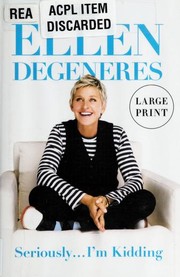
Seriously...I'm Kidding
DeGeneres strings show stories and home jokes into light life advice.
2,292-word summary · 10 min read
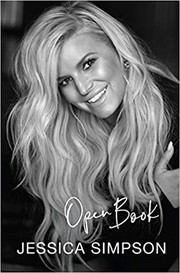
Open Book
Simpson replays pop fame, love and drink through recovery work.
2,552-word summary · 11 min read

My Horizontal Life: A Collection of One-Night Stands
Handler turns dating disasters and family chaos into brash comic essays about single life in Los Angeles.
2,304-word summary · 10 min read
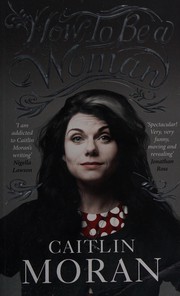
How to Be a Woman
Moran mixes girlhood and work stories into plain feminist advice.
2,600-word summary · 12 min read
Electric Idol
Psyche wears a camera deal to dodge Aphrodite and falls for Eros.
2,332-word summary · 10 min read
Eats, Shoots & Leaves
Truss defends commas with jokes about pandas and posters.
2,423-word summary · 11 min read
Notes from a Small Island
Bill Bryson's 1995 farewell tour of Britain, funny and fond, from Dover to London, the north, Scotland and Wales.
2,301-word summary · 10 min read

In a Sunburned Country
Bryson revisits Australia by city walks and long trains, with reef trips, critter comedy, and explorer history.
2,387-word summary · 11 min read
Bad Feminist
Gay mixes memoir and pop culture criticism to argue for imperfect feminism, from Sweet Valley to Django to Fifty Shades.
2,493-word summary · 11 min read
The Hammer of Thor
Magnus and Sam chase Thor's stolen hammer to a giant wedding heist, with Alex Fierro joining Floor Nineteen as Loki bargains and Ragnarok stirs.
3,068-word summary · 14 min read
The Tao of Pooh
Hoff explains Taoism through Pooh, Piglet, and Eeyore in gentle chats.
2,006-word summary · 9 min read