
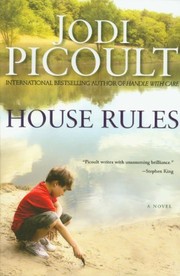
House Rules
3,079-word summary 14 min read 532 pages in the book
- First published
- 2010
- Publisher
- Atria Books
- Pages
- 532
- ISBN
- 9781439177518
Reading options
What's inside (8 sections)
I came to House Rules on a quiet week when I wanted a family story with some pull to it, and Jodi Picoult gave me exactly that kind of pull. I had read her before and knew she likes big moral knots, the kind where love and law point in different directions. This one, first published in 2010 by Atria Books, centers on Jacob Hunt, a young man with Asperger syndrome who is accused after his tutor is found dead. The cited edition runs 532 pages. It is a standalone book, not part of a series, and it closes with a change in the family rather than a flat win or loss in court. I finished it late at night and sat for a while thinking about how fast kindness can look like guilt when people do not share the same rules for talk and touch.
A note on names may help. The heart of the book is Jacob, his mother Emma, and his younger brother Theo. There are others around them, a tutor who works with Jacob, police officers, lawyers, teachers, neighbors. I will keep those other figures general here, tutor, lawyer, detective, because the facts I was given center on the family and the case shape, and I do not want to dress the summary with extra certainties. The story itself is told from several points of view, which lets you see the same moment through different eyes. That choice matters a lot here, because Jacob reads the world in one clear way and the world often reads him back in a wrong way.
Meeting the Hunt family
Emma Hunt is the mother at the center, and the book lets you feel how much of her day is built around care. She left steady work to look after Jacob full time. She keeps the house on a strict plan. Dinners are made in certain colors. Clothes are washed in a certain order. Laundry, lights, sounds, doors, all of it is set to lower the chance of a meltdown. She loves both her sons, but her time is not split even, because Jacob needs more hands on help to get through a school day or a store trip. Theo, the younger brother, notices. He loves Jacob too, and he also aches for air.
Jacob is eighteen when the main events unfold. He is bright, funny in a dry way, and honest to a fault. He speaks plainly. He has trouble with eye contact. He does not always catch jokes or hints. Loud rooms, bright lights, rough fabrics, and sudden changes can flood him. When that flood comes, he may shut down, repeat words, flap his hands, or walk away to a small safe space. Emma has learned to read those signs early. Strangers often read them late or not at all.
Theo is in his mid teens, trying to shape a self in a house where plans bend around his brother. He sneaks out at night. He tests limits. He keeps secrets he should not keep. None of that makes him bad. It makes him young and pressed for room. Picoult writes him with care, not as a villain and not as a saint. He resents the missed rides, the canceled trips, the way teachers know him as Jacob brother. He also steps up in small ways that he hides, because pride at that age is thin.
The home runs on house rules. That is where the title lands. Emma and Jacob have built a list that keeps life steady. Clean up messes right away. Tell the truth even when it is hard. Brush teeth at set times. Ask before entering a room. The rules sound simple on paper. In practice they are lifelines. Jacob trusts them the way other people trust habit. When those rules meet police rules, school rules, and court rules, the clash drives the whole book.
Routines, CrimeBusters, and sensory life
To know Jacob, you need to know his love of forensic science. He watches a crime show called CrimeBusters, and he treats it the way some teens treat sports. He knows terms, steps, tools. He can talk at length about fingerprints, blood spatter patterns, fiber, soil, time of death signs. He sets up fake crime scenes at home to practice. He keeps notebooks. He likes that forensics has order. A clue leads to a test. A test leads to an answer. People are far less orderly, so he leans on the part of the world that is.
Routines hold him upright. Morning steps happen in the same order. Food cannot touch in certain ways. The same seat, the same cup, the same path to school when he goes. Changes feel like static. A fire drill, a substitute teacher, a moved chair can tip a good day into a bad hour. Emma plans around this with checklists and warnings. She calls ahead. She packs backups. She learns which stores are quiet at which hours. It is skilled work, and the book respects it without making her a martyr. She gets tired. She snaps. She repairs.
Sensory life is the other half. Jacob hears more, feels more, smells more. A tag in a shirt can itch like a burr. A cafeteria can roar. A hug can press too hard. He copes by pulling back, by wearing what works, by eating what is safe, by scripting hellos so he does not have to invent them on the spot. He is not cold. He feels a lot. He just shows it in his own way, through facts, through care with setup, through loyalty to the few people he trusts. That gap between deep feeling and flat face is one place the book does its best work.
School is mixed. Some teachers make room. Some do not. A tutor works with Jacob one on one to help with social skills and school tasks, meeting at home where Jacob feels safer. Those sessions seem to help at first. Jacob likes having an adult who talks straight and shares his interest in clear systems. Emma likes having one more steady hand. Theo stays at the edge of it, polite but distant, busy with his own friends and night walks. The house holds, until the day the tutor is found dead and every steady habit starts to look strange from the outside.
Picoult pauses often to explain Asperger syndrome in plain terms, through Emma thoughts, through meetings, through small asides. I found those parts kind and clear. A reader new to autism can learn a lot about routines, literal speech, sensory load, and why eye contact or small talk may be hard. The tone stays respectful and person first in the main thread, treating Jacob as a person with needs rather than a puzzle. That care matters, and I want to name it early because the rest of the plot puts Jacob under harsh lights.
When the tutor is found dead
The turn comes when Jacob tutor is found dead at home. I will keep details broad on purpose, because the power of this section is not in gore but in misreading. Police find signs that point in many ways at once. There are traces of cleanup. There are odd placements of objects. There are Jacob fingerprints in a place he often visited for lessons. There is a young man who shows up at the scene, talks too much about procedure, asks about evidence, seems flat when others cry, and tries to tidy what should be left alone.
Jacob does what he always does. He tells the exact truth as he sees it. He corrects times. He lists what he touched. He describes sounds and steps. He stimms under bright lights. He avoids eyes. He laughs at the wrong beat because nerves spike. To a detective trained to spot lies, all of that can read as guilt. To Emma, who knows the code, it reads as fear plus habit. That split is the engine for the next hundred pages.
The police interview scenes are hard to read in a good way. Jacob waives help because he wants to be helpful. He answers trick questions with literal answers. He agrees with rephrased lines he does not mean because he wants the loud room to end. He tries to leave when the buzz gets too much, which looks like flight. Emma pushes to get in the room. Lawyers warn. Paperwork grows. Each step follows normal process, yet each step fits Jacob worse than it would fit most teens.
At home the air changes. Neighbors stare. School calls. Reporters circle. Theo watches his brother become a headline and feels a sick mix of worry and relief that for once the trouble is not his own secret life. Emma tries to hold the house rules in place while police take notes on those same rules as if they were clues. Clean up messes right away becomes, in a report, wiped the scene. Tell the truth becomes gave shifting statements, when really Jacob gave too much detail in shifting order. It is painful to watch care turned into proof.
Picoult keeps the facts of the death fair play. Clues are laid where a careful reader can see them. Forensic bits Jacob loves get used in real time, which is both fun and sad. He is good at this stuff. He notices what others miss. But being good at forensics near a dead body makes him look worse, not better. The thing he loves becomes the rope around him. I thought that was a sharp and cruel touch, and it made me root for him even when he frustrated me by talking past the adults trying to help.
Emma and Theo under pressure
With Jacob facing charge, Emma moves into full defense mode. She finds a lawyer. She gathers records. She writes timelines. She begs the school for notes. She sleeps little. The book shows this without gloss. She forgets to eat. She snaps at Theo. She replays each choice, should she have let the tutor meet at home, should she have pushed for more school support, should she have taught Jacob to stay silent with police rather than always tell all. That last one cuts deep, because honesty was a house rule meant to keep him safe, and now it has put him at risk.
Theo carries his own weight. He knows things about that week that he has not told. He was out at night when he should have been home. He saw or heard bits that could help or harm. He fears that telling will expose his own crossing of lines. He also fears that silence will let his brother drown. Picoult writes his chapters with a teen ache that felt true to me. He wants to be loyal without being crushed. He wants his mother to truly see him. He makes mistakes. He covers. He confesses in pieces.
The brothers scenes are the warmest in the book. Jacob annoys Theo by scripting talks and missing hints. Theo annoys Jacob by breaking plans and slamming doors. Under that friction there is use. Theo knows how to translate Jacob to friends. Jacob knows how to be steady when Theo shakes. One late night talk on the floor, with lights low and voices soft, did more for me than many courtroom pages. No big speech. Just two boys trying to share one small calm room.
Emma own arc is about control. For years control kept the family afloat. Charts, rules, backups. Now control fails. She cannot plan a trial the way she plans a grocery run. Witnesses do not follow checklists. Her son does not perform care on cue. She must learn to ask for help, to let the lawyer lead, to let Theo speak, to let Jacob be himself in front of strangers even if himself looks odd to them. That letting go is slow and uneven. She backslides. She grabs the wheel again. Then she loosens her grip a fraction more. I found her easy to judge and hard not to love, which seems honest for a parent under this kind of load.
Money, work, pride all fray. Emma old career in another field tugs at her. Friends offer meals and prayers and gossip in equal mix. The house that ran on quiet now runs on phones and knocks. Through it all the house rules stay taped to the fridge, a little curled at the edges, still legible. They read less like law now and more like hope. Tell the truth. Clean up. Try again.
Trial and the question of reading Jacob right
The back third moves toward trial, and the tone shifts from home worry to public test. The state sees a teen who knew forensics, who was near the scene, who cleaned, who spoke oddly. The defense sees a person with autism whose traits mimic guilt to untrained eyes. The book does not cheat this fight. It lays out motive questions, timeline gaps, physical traces, and the words Jacob said in rooms with buzzing lights. Readers who love courtroom turns will find plenty to track, objections, cross, experts, exhibits.
The lawyer, kept general here, works to teach the jury how to read Jacob. An expert explains literal speech, sensory overload, scripting, need for sameness. Video of an interview plays. The jury watches a boy cover his ears and repeat a phrase and must decide if that is deceit or distress. Emma testifies as a mother and record keeper. Theo testifies with a teen wariness that the lawyers try to shape. Jacob wants to testify because truth telling is his rule, while his team fears the stand will punish him for being himself.
I will not spoil the fine turns of who did what on the day of the death, beyond what the setup gives. The arc is restorative rather than shocky. It aims to repair how the family hears each other, rather than springing a trap in court. Old secrets come out. Theo owns his night walks. Emma owns how care slid into control. Jacob owns that his love of procedure cannot fix people, though it can help him stay calm when people feel loud. The final movement lands more on changed habits at home than on a slammed gavel, which fit the title. House rules get revised, not thrown out.
What I admired here was the patience with process. Picoult shows how Miranda warnings, interview rooms, and trial prep assume a common style of talk that Jacob does not share. She does not paint police or lawyers as monsters. Most are doing their jobs with thin tools. The harm comes from fit, not hate. A question meant to soothe sounds like a trick to literal ears. A pause meant to invite detail feels like a flood to sensory nerves. Once you see that mismatch, you cannot unsee it, and later news stories about autism and police read differently.
There were beats I wished were braver. The book sometimes explains a trait right before Jacob shows it, which steals the scene its own power. A few courtroom speeches sound like pamphlets with names attached. But the core question holds. How do we judge truth when the signals differ. The trial asks twelve strangers to learn a new code fast. The family must learn it for life. That contrast gives the pages weight beyond who wins.
What moved me and what felt tidy
Let me close with a fair mix, because this book earns praise and invites gripes in equal share. On the strong side, Jacob feels like a person, not a lesson. His humor is dry and real. His love of order is shown through action, fake scenes, careful notes, and set phrases. Emma feels like a mother I have met, fierce, tired, funny when she lets herself breathe. Theo feels like a brother I have known, itchy for space yet quick to guard his kin when it counts. The home details, color coded food, low lights, backup plans, build a world you can picture without a map.
The forensic thread is fun and well placed. CrimeBusters gives Jacob joy and skill, and it lets Picoult stage clues a lay reader can follow. Sensory scenes are drawn with care. A store trip, a siren, a crowded hall, each lands through Jacob ears and skin before it lands as plot. When the book stays close to bodies and rooms, it is at its best. Those small home beats stayed with me longer than the big court beats.
On the strained side, this is an issue driven novel and it shows. Lessons on Asperger syndrome sometimes pause the story cold. A talk that could live inside a scene becomes a speech. I learned from those speeches, so I cannot call them waste, but I felt the seams. The pacing sags in the middle as records pile and meetings repeat. And the courtroom close feels tidy. Wounds that took years to form soften fast. Forgiveness arrives on schedule. A family that bent near breaking finds a new shape a touch too cleanly for my taste.
Still, the tidiness feels hopeful rather than false. Picoult wants to leave you with revised rules, not ruined people. Tell the truth, but learn when to wait for a lawyer and a calm room. Clean up messes, but do not wipe a scene that law must read. Keep routines, but make room for a brother night walk and a mother late laugh. That kind of repair felt earned even when the bow looked neat.
Practical notes for new readers may help. The 2010 Atria Books text runs 532 pages, so give it a few evenings. It is standalone, so no prior books are needed. Tone is warm but frank about death, police pressure, teen risk, and family strain. If sensory overload or interrogation scenes hit close to home, take breaks. The book treats autism with respect and keeps Jacob at the center as a person with a rich inner life, not a twist. Read for the trial if you like courtroom pull. Stay for Emma learning to loosen control and Theo learning to step in. I closed the last page thinking less about verdicts and more about kitchens, how a taped list on a fridge can hold both love and limit, and how revising that list together may be the truest acquittal any family gets.
FAQ
Who is Jacob Hunt in House Rules?
Jacob Hunt is an eighteen year old with Asperger syndrome. He needs fixed routines, struggles with eye contact and loud or crowded places, and calms himself by studying forensic science and watching his favorite crime show.
Does Jacob confess to killing his tutor?
No. Jacob is arrested after his tutor is found dead because his honest statements, cleanup habits, and flat tone look like guilt to police. The book follows the case through lawyers, evidence, and trial.
How long is House Rules and is it a series?
The 2010 Atria Books edition runs 532 pages. It is a standalone novel, not part of a series, and it closes with a family change rather than a simple guilty or not guilty payoff.
Similar books
Defending Jacob
A Newton prosecutor defends his fourteen year old son after a classmate is stabbed in the park.
2,994-word summary · 13 min read
The Kiss Quotient
Stella Lane hires escort Michael Phan to practice dating and learns logic fails where touch and family press in.
2,716-word summary · 12 min read
The Rosie Project
Melbourne genetics professor Don Tillman launches the Wife Project to find a partner by questionnaire, then meets chaotic Rosie Jarman and agrees to help her…
2,780-word summary · 12 min read
A Spark of Light
A gunman takes a Mississippi abortion clinic hostage as a negotiator finds his own daughter inside.
2,486-word summary · 11 min read
The Pact
After Emily Gold dies from a gunshot, her boyfriend Chris Harte says it was a suicide pact and faces trial for murder.
2,873-word summary · 13 min read
My Sister's Keeper
Thirteen-year-old Anna sues her parents for medical emancipation so she can refuse to give her dying sister Kate a kidney.
2,332-word summary · 10 min read

What Happened to Goodbye
Mclean has reinvented herself in four towns since her parents divorced. In Lakeview she uses her real name, and for the first time staying put becomes a choice.
2,796-word summary · 12 min read

Little Earthquakes
Four Philadelphia women meet during pregnancy and discover that new motherhood is nothing like the plan, while friendship becomes the thing that holds them…
1,997-word summary · 9 min read

4th of July
Lindsay Boxer shoots two armed teenagers in self-defense, faces a wrongful-death trial, and spends her leave chasing a string of throat-slashing murders in…
2,192-word summary · 10 min read

Sam's Letters to Jennifer
A grieving journalist reads her grandmother's letters and finds a decades-long love affair that changes how she sees her family.
2,310-word summary · 10 min read
Act Your Age, Eve Brown
Eve Brown crashes into a Lake District bed and breakfast, breaks the owner's arm, and talks her way into his kitchen. A grumpy-sunshine romance about work,…
2,474-word summary · 11 min read
Between Sisters
Estranged sisters Meghann and Claire reunite in Washington when Claire announces a rushed wedding, then face their mother's desertion and a medical crisis.
2,467-word summary · 11 min read
Saving Noah
A seventeen-year-old swimmer confesses to molesting two girls he coached, and his mother must decide what unconditional love is worth.
2,976-word summary · 13 min read

A Spool of Blue Thread
Four generations of the Whitshank family in Baltimore, and the silences, resentments and quiet love they hand down without ever saying so.
2,408-word summary · 11 min read
On the Come Up
Bri Jackson, a sixteen-year-old rapper in Garden Heights, chases a record deal while a viral song turns her into a symbol she never wanted to be.
2,034-word summary · 9 min read
Finlay Donovan Knocks 'Em Dead
Someone has put a contract on Finlay Donovan's ex-husband, and the novelist and her nanny have to find the hitman before the school pickup.
1,990-word summary · 9 min read

Days at the Morisaki Bookshop
Heartbroken Takako moves into her uncle's tiny secondhand bookshop in Jimbocho, and the shop and its regulars slowly give her back her life.
2,011-word summary · 9 min read
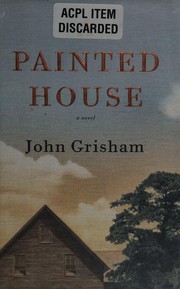
A Painted House
In 1952 Arkansas, seven-year-old Luke Chandler picks cotton with his family and learns how quickly poverty, violence, and adult secrets can end a childhood.
2,060-word summary · 9 min read
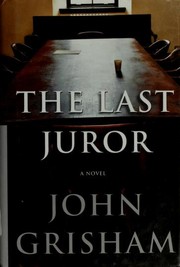
The Last Juror
A young editor buys a dying Mississippi paper and covers the murder trial that defines his town for a decade. Grisham's small-town novel about race, juries,…
2,528-word summary · 11 min read

Maame
Maddie Wright, 25, has spent years as the responsible one in her Ghanaian British family, and the year she finally tries to live for herself is the year…
2,108-word summary · 9 min read
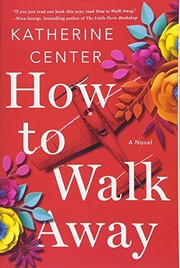
How to Walk Away
Margaret Jacobsen has the job, the fiance, and the future mapped out, until a small-plane crash on Valentine's Day takes almost all of it in one afternoon.
2,012-word summary · 9 min read
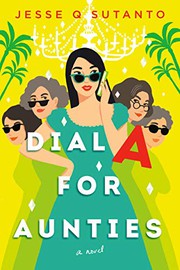
Dial A for Aunties
A wedding photographer accidentally kills her blind date, and her mother and three aunties help her hide the body during the biggest wedding of their careers.
2,076-word summary · 9 min read
True Colors
Three Grey sisters split over love and duty after their father judges them.
2,596-word summary · 12 min read
The Identicals
Twin sisters swap Nantucket and Martha Vineyard lives for a summer.
2,556-word summary · 11 min read
Case Histories
A Cambridge PI takes three cold cases that tangle with his own loss.
2,465-word summary · 11 min read

Keep It in the Family
Mia and Finn renovate a long empty house and find seven children hidden in the attic.
2,270-word summary · 10 min read
Heart of the Matter
Two Boston mothers collide after a burn injury puts a single mom in the orbit of another woman's surgeon husband.
2,585-word summary · 11 min read

We Begin at the End
Thirteen-year-old Duchess Day Radley shields her little brother Robin after their mother dies, as freed killer Vincent King returns and sick chief Walk tries…
2,956-word summary · 13 min read

The Round House
At thirteen, Joe Coutts hunts for his mother's attacker when the law stalls, in Louise Erdrich's National Book Award novel of family, jurisdiction, and revenge…
2,391-word summary · 11 min read
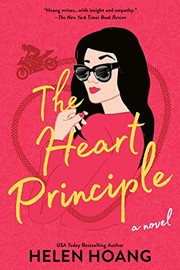
The Heart Principle
Violinist Anna Sun plans one night with Quan Diep, then faces autistic burnout and family duty after her father's stroke in Hoang's 352-page 2021 Berkley…
2,793-word summary · 12 min read