
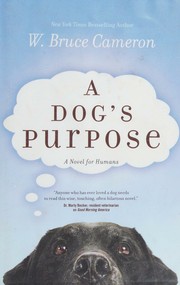
A Dog's Purpose
2,962-word summary 13 min read 320 pages in the book
- First published
- 2010
- Publisher
- Forge Books
- Pages
- 320
- ISBN
- 9780765326263
- Series
- A Dog's Purpose (#1)
Reading options
What's inside (8 sections)
I picked up A Dog's Purpose because a neighbor kept leaving it on the shared laundry shelf with a note that said trust me. W. Bruce Cameron published it with Forge Books in 2010 as a 320 page hardcover, and it went on to become a huge word of mouth hit before the film version arrived years later. I expected something sweet and simple. A dog narrator, a boy, a few sad goodbyes. What I got was stranger and bigger than that, a story about one soul living four dog lives in a row and remembering all of them.
The narrator starts wild and confused and stays funny the whole way through. He cares about food, smells, warm laps, and being near his person. He misunderstands plenty. Doors are puzzles. Cars are magic boxes. People cry for reasons he cannot follow. Yet he keeps asking one plain question in his own dog way, which is why he keeps coming back and what he is supposed to do with each new life.
A Short Feral Start
The first life is brief and rough. The pup is born outside under a tree to a tired mother with several other pups. His early world is hunger, cold dirt, the smell of the creek, and his mother telling him in every way she can to stay away from men.
He has brothers and a sister. One moves faster. One eats with a kind of panic. One sleeps too much. They wrestle and bite ears and fight for nursing spots. The mother hunts around houses at night, tearing into bags, eating fast, getting sick afterward. The pups copy her. They learn to slink near bushes and freeze when people pass.
Then people with poles and ropes find the den area. The mother is caught. The pups scatter. One sister runs off into the dark and is gone. The narrator and his brother are put in a cage on a truck. He actually enjoys the ride at first because the smells rushing past are so strong and new. That small joy makes what follows land harder.
An older woman with kind hands takes him from the men. She smells like flowers and soap. She holds him and he kisses her face and wags without meaning to. For a short time it seems like rescue. She keeps many dogs in her house and yard, though, more dogs than one person can care for well. The place is crowded and dirty. Food comes but not training, not vet care, not order.
He gets the name Toby there. He learns to slip through gates. He meets a mean new dog who guards food and hurts the smaller animals. Then animal control comes with orders tied to conditions and health rules. Several dogs are taken away. Toby is put down. It happens fast. He does not understand it as death. He only knows the light going out while he is still young and still full of questions.
I found this opening brave. Cameron does not ease you in with a cute puppy in a bow. He shows a stray life as it often is, short, anxious, shaped by luck. The mother cannot protect them. The kind woman cannot save them. Toby did nothing wrong. His life ends because the adult humans around him failed in ordinary ways, through neglect and overcrowding and delay. That bluntness gives the rest of the book weight. When the narrator gets a second chance, you want him to use it well.
Bailey Meets Ethan
The second life is the heart of the book. The narrator wakes as a newborn golden retriever pup in a fenced area with a new mother and littermates. The setting is a puppy mill type operation, all wire and noise and quick hands. He remembers his past life in flashes, which scares him at first. He knows about hunger and ropes and needles in a way no young pup should.
He escapes by climbing and chewing and pushing at a gate latch, using the trick he learned as Toby. Out on the road he is picked up by a truck driver who calls him Fella and means well in a loose way. The man leaves him locked in the cab while he drinks. Heat builds. The pup pants and fades. A woman passing by breaks the window and pulls him out. She carries him home to her eight year old son.
That boy is Ethan. The pup becomes Bailey.
Bailey and Ethan fit at once. Ethan is steady and kind and ready to play for hours. Bailey is sturdy and eager and ready to follow him anywhere. They sleep in the same room. They roam the neighborhood. They visit Ethan's grandparents at their farm in the summers, where there is space to run and water to splash in and animals to sniff. Bailey learns the farm paths, the pond edge, the barn smells, the way Grandma talks and the way Grandpa moves slowly and watches everything.
School years pass in a blur of small rituals. Ethan rides his bike. Bailey runs beside him until his tongue hangs out. Ethan brings home friends. Bailey sorts them by smell and by how they treat him. One girl, Hannah, is gentle and pays attention. Bailey likes her right away. Another boy, Todd, sets Bailey on edge. Todd smells sharp with anger and does things for effect. Bailey growls when others laugh it off. Dogs in this book are often right about people before the kids are, and Bailey is right about Todd.
This middle stretch is my favorite part. Cameron writes boy and dog time well. Fetch in tall grass. Hiding in the barn. Swimming after sticks. Falling asleep on the floor with legs twitching. Ethan calls Bailey names like Boss Dog and Doodle Dog, half joke and half love, and Bailey wears each one with pride. You feel how a childhood can be built around an animal, how the dog keeps the calendar of summer while the adults keep the calendar of bills and work.
There is also a house cat in this section who gets treated to what Bailey thinks of as lessons in how to be a dog. It is a small running bit and it works because Bailey is so serious about it. He truly believes the cat would be happier if it learned to greet people at the door and ride with its head out the window. The cat disagrees. Those pages gave me room to breathe before the harder teen years arrive.
Fire, A Hurt Leg, And Drifting Apart
Trouble comes from Todd. After Ethan humiliates him in front of others, Todd sets a fire at Ethan's house. Bailey smells the smoke first and reacts. He bites and barks and wakes people. The family gets out. Ethan is hurt badly enough that his leg never fully recovers. His speed goes. His plans narrow.
Ethan had been a strong young athlete with a possible future in football. That path closes. He still works hard. He still studies. But the light around him changes. He gets quieter. He argues more with his father, who drinks and sulks and makes home feel small. His mother tries to hold things together. Hannah stays close for a while, then life pulls them in separate directions as school ends and choices pile up.
Bailey ages through this. His muzzle grays. Naps get longer. Stairs get harder. He still waits by the door when Ethan leaves for college and still explodes with joy on holiday visits, but the visits thin out. Ethan's mother and the grandparents take over daily care. Vet trips become regular. Joints, appetite, sleep, the usual slow decline anyone who has lived with an old dog will know by heart.
The goodbye is plain and painful. Ethan comes. The family gathers. The vet is gentle. Bailey goes to sleep with people he loves touching him. Ethan cries over him the way he did as a boy, only now he is grown and trying to hold it in. I cried too, partly from memory. Anyone who has sat on a vet floor with a hand on warm fur will feel this chapter in the body.
What I respect here is that Cameron lets Ethan's life get smaller without making him a failure. Ethan does not become famous. He does not get revenge that fixes everything. He survives a cruel injury, finishes school, carries disappointment, loves his dog. Todd faces consequences because Bailey marked him during the fire, a nice touch where dog action matters in human terms. Still, the injury stays. The lost years stay. Bailey cannot fetch those back. He can only stay near while Ethan learns to live inside new limits.
Ellie Learns To Work
Then the narrator wakes again, this time as a female German shepherd pup. He is startled by the change. Heat cycles confuse him. New instincts pull at him. Cameron plays this for light humor without making it crude. The pup is picked for police type training because she is bold and focused and loves to use her nose.
She becomes Ellie. Her handler is a police officer named Jakob. They train hard. Search games build on the rescue play Bailey once knew with Ethan at the farm, only now the stakes are real. Ellie learns to track missing people, to move through woods and rubble, to signal without breaking focus.
Ellie finds lost walkers and helps after disasters. She locates a kidnapped girl in one tense sequence that gives the book its most procedural stretch. Doors kicked, shouting, dogs straining at leads. During the arrest the suspect shoots Jakob. The wound ends his street career. Ellie stays with him through recovery as best she can, then passes to a new handler named Maya when Jakob can no longer do the work.
With Maya the jobs continue. Alzheimer's patients who wandered from home. Kids lost on trails. People trapped after a quake. Ellie loves the search itself, the moment a faint scent line sharpens and pulls her forward. She also learns the cost. A bad fall or blow can dull a nose. Age can slow the legs. One injury takes away the very sense she depends on, and she has to retire from the work that gave her pride.
This life is shorter on the page than Bailey's years, which feels right. Ellie has purpose built into every day, find the lost person, but less intimacy. Jakob cares for her. Maya cares for her. Still, neither bond replaces Ethan. Ellie thinks of him often. She measures new people against him. When she dies, she carries that comparison with her, unfinished.
I liked the working dog detail here more than the heroics. The training repetitions. The way play and duty blur for a smart dog. The way a handler reads ear position and tail speed to know if scent is fresh or stale. Cameron clearly talked to handlers or read deeply, because the small mechanics ring true. My complaint is pace. The rescues arrive in quick succession, each with danger and praise, and the pattern starts to feel tidy. Real search work involves long dull hours, false alerts, sore feet, paperwork. The book skips most of that to keep the tail wagging, so to speak, and the section can feel like a highlight reel.
Bear Walks Back To The Farm
The next life starts hard again. The narrator is born into neglect. His owner is a careless woman with an aggressive boyfriend who drinks. Food is irregular. Shelter is poor. Affection is rare. The pup, called Bear, learns to stay out of the way.
When officials warn the couple about conditions, the boyfriend dumps Bear on a country road instead of fixing anything. It is a cruel scene and Cameron does not dress it up. Bear is confused, thirsty, sore in the feet, left to sort himself out.
But Bear knows this ground. Smells rise up from ditches and fences that match deep memory. Farm air. Pond water. The particular mix of hay and oil and old wood from Ethan's grandparents place. Using the tracking skill Ellie learned on the job, he follows faint scent lines across fields until he reaches the farm.
Ethan lives there now. He is much older, stiff in the leg that never healed right, living a quiet rural life. He takes the stray in, feeds him, names him Buddy. Hannah is nearby again after years apart, and the two slowly repair what time broke. The farmhouse fills with small routines. Meals at set hours. Porch sitting. Short walks. A dog asleep with his head on a foot.
Buddy works to prove who he is. He knows tricks from long ago. He responds to old names and phrases from childhood. He finds a buried keepsake. He acts out the rescue game in the yard. Ethan watches with growing wonder and then with grief and joy mixed together. The dog he wept over as a young man is here again, gray around the eyes in a new body, leaning against him like no time passed.
The closing years are gentle. Ethan weakens. A stroke or similar sudden event leaves him frail. Buddy stays close, pressing near, keeping watch at night. Ethan dies with the dog resting against him. It mirrors the earlier vet room farewell but with the positions reversed. The boy who held his dog at the end is now the old man being held, in a sense, by his dog at the end.
This reunion will split readers. Some will find it deeply comforting, the idea that love can find its way back across decades and bodies. Some will find it too neat, too arranged to reward loyal readers. I landed in the middle. The scent tracking home is earned because Ellie trained for it. The recognition beats are earned because Bailey lived them. Yet the timing, with Hannah returning and the farm waiting and Ethan free to keep a stray, asks for a lot of luck at once. If you accept the book's rule that this soul remembers and seeks, the ending follows. If you want realism about strays and old age and rural poverty, the last stretch may feel soft.
What Holds Up And What Slips
The voice holds up best. Cameron keeps dog logic steady across hundreds of pages. Hunger matters more than plans. A scolding fades fast if a hand follows with petting. A closed door is a personal insult. A car ride can fix almost any bad mood. New people are judged by smell, tone, and how they treat the dog's person. That filter stays consistent from Toby through Buddy, and it lets Cameron show human trouble sideways without speeches.
Family and class detail also hold up. The farm grandparents feel lived in, practical, sparing with words. Ethan's father feels sad rather than villainous, a man who drinks when money and pride run short. Todd feels like a real threat, not a cartoon, because his cruelty starts as showing off. Hannah feels patient without being perfect. Jakob and Maya feel like workers with caseloads, not props. These people have jobs, bills, injuries, and habits. The dog moves through their routines and reveals them.
Structure is the weaker part. Four lives in 320 pages means the middle two get less air than Bailey's long arc. Toby's life ends just as you learn its rules. Ellie's career flashes by in set pieces. Bear's suffering is brief on the page, which may spare readers but also keeps the neglect slightly abstract. By the final reunion, death has happened so often that it loses some sting. You start to trust that the narrator will wake up again, so each farewell hurts less than the last. That is probably the point, that love continues, yet it lowers tension in a story that otherwise wants you to feel risk.
There are repetitions to notice. Each life includes a version of learning doors and gates, each includes a test of loyalty, each includes a moment where the dog smells what humans miss. The first two times the pattern delights. The third and fourth times you see the seams. Sentiment also runs high throughout, with many scenes aimed at tears. Holiday returns. Vet rooms. Old men on porches. Lost children found. Taken singly they work. Stacked together they can feel programmed to keep you damp eyed.
Even with those faults, I closed the book warm rather than manipulated. The central bond is specific enough to carry the design. Bailey truly knows Ethan, his walk, his moods, his grief after the fire, his shame about the leg, his love for Hannah. Buddy truly knows old Ethan too, slower, quieter, still the same boy in the way he throws a stick or rubs an ear. The claim Cameron makes is plain, that a dog's purpose might be to stay near, to have fun together, to comfort, to find the lost, to lead the old home. It sounds simple until you watch one animal try to live it across four bodies.
Read it if you live with dogs and want a story that takes their inner life seriously without turning them into furry people. Skip it if multiple pet deaths in one book will wreck you, because this one contains several by design, or if reincarnation as a plot engine will annoy you on principle. For me, on the laundry shelf with a note that said trust me, it earned its keep. My own dog slept through most of my reading, woke for the farm chapters, and put his head on my foot for the last twenty pages, which seemed like a fair review.
FAQ
When was A Dog's Purpose published?
Forge Books published the hardcover on July 6, 2010. The edition cited here runs 320 pages with ISBN 9780765326263.
Who are the main characters in A Dog's Purpose?
The narrator is the dog across four lives as Toby, Bailey, Ellie and Buddy. Ethan is his boy, with Hannah, the farm grandparents, and handlers Jakob and Maya beside him.
Is A Dog's Purpose part of a series?
Yes. It is book one in the A Dog's Purpose series, followed by A Dog's Journey. The 2017 film adapts this first book.
Similar books
More from A Dog's Purpose first, then related titles.

Clifford the Big Red Dog
Emily Elizabeth picks the smallest puppy in the litter, loves him as hard as she can, and wakes up to a dog the size of a house.
2,092-word summary · 9 min read

Stellaluna
A baby fruit bat falls into a bird nest, learns to perch and eat bugs, then reunites with her mother in Cannon's acclaimed 1993 picture book about difference…
2,486-word summary · 11 min read

Make Way for Ducklings
A pair of mallards raise eight ducklings on the Charles River and lead them across Boston to the Public Garden, with a little help from a friendly policeman.
2,044-word summary · 9 min read
Little Earthquakes
Four Philadelphia women meet during pregnancy and discover that new motherhood is nothing like the plan, while friendship becomes the thing that holds them…
1,997-word summary · 9 min read

Hard Luck
Rowley has a girlfriend, so Greg turns to a Magic 8 Ball, a family Easter hunt and the school yearbook for answers.
2,586-word summary · 11 min read
Frog and Toad Are Friends
Five short stories about a cheerful frog and a grumpy toad who need each other for waking up, swimming, and waiting for the mail.
1,969-word summary · 9 min read

We Are Okay
Marin fled San Francisco after her grandfather vanished and stopped answering anyone. When Mabel visits her college dorm, she has to say what happened.
2,253-word summary · 10 min read

The Second Summer of the Sisterhood
Four friends share the traveling pants through a summer of grandmothers, first loves, and mothers who are learning to let go.
2,209-word summary · 10 min read
Old Yeller
Travis Coates takes in a stray yellow dog that protects his family on the Texas frontier, and learns about loyalty and loss.
2,165-word summary · 10 min read

Aristotle and Dante Dive into the Waters of the World
Ari and Dante return for senior year in El Paso, navigating first love, AIDS, family grief, and the cost of being openly gay in 1987 Texas.
2,188-word summary · 10 min read

The Story of Edgar Sawtelle
A mute boy on a Wisconsin dog-breeding farm relives Hamlet as his uncle returns, his father dies in the barn, and the dogs inherit what is left.
2,392-word summary · 11 min read

Someone Like You
Halley and her best friend Scarlett face a summer of grief, a surprise pregnancy, and Halley's dangerous first romance in Sarah Dessen's 1998 young adult novel.
2,218-word summary · 10 min read
Summer Sisters
Vix and Caitlin share Martha's Vineyard summers from age twelve into adulthood, through first love, grief, marriage, and a disappearance that still haunts Vix.
3,633-word summary · 16 min read
Redwall
A novice mouse hunts for Martin the Warrior's lost sword while Cluny the Scourge besieges Redwall Abbey.
2,727-word summary · 12 min read
Prodigal Summer
Three lives in one Virginia mountain valley summer: a ranger watching coyotes, a widow learning moths and goats, and feuding elders guarding chestnuts, retold…
2,308-word summary · 10 min read
We Are All Completely Beside Ourselves
Rosemary tells of twin sister Fern, a chimp raised as family, and research fallout.
2,058-word summary · 9 min read
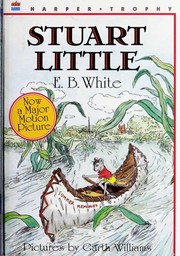
Stuart Little
A two-inch boy in a New York family befriends a canary, loses her, and drives off alone to find her.
2,591-word summary · 12 min read
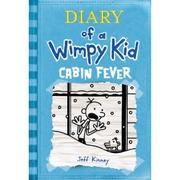
Cabin Fever
Greg Heffley gets snowed in with his family before Christmas while dodging blame for school property damage.
2,221-word summary · 10 min read

Almond
Yunjae, born with alexithymia, navigates grief and friendship with troubled Gon after losing mother and grandmother.
2,088-word summary · 9 min read

Vision in White
Wedding photographer Mac Elliot does not believe in lasting love. Steady teacher Carter Maguire plans to change her mind. First in the Bride Quartet.
2,167-word summary · 10 min read
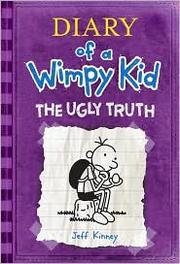
The Ugly Truth
Greg faces puberty, a school lock-in and Uncle Gary's wedding while Mom returns to college in Wimpy Kid book five.
2,766-word summary · 12 min read
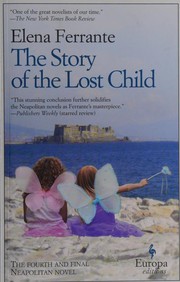
The Story of the Lost Child
Elena and Lila age through motherhood, quakes, and a vanishing.
2,500-word summary · 11 min read

The Great Believers
Yale builds a Chicago art collection as AIDS takes his friends, and Fiona searches Paris for her daughter thirty years later.
2,742-word summary · 12 min read

Lock and Key
Abandoned Ruby moves in with her sister and learns to trust Nate and Cora.
2,407-word summary · 11 min read

Ghosts
Catrina moves to foggy Bahía de la Luna for her sister Maya's health and learns to face the town's ghosts.
2,946-word summary · 13 min read
Fly Away
After Kate's death, Tully, Marah, and Dorothy face grief and addiction while trying to rebuild their lives.
2,940-word summary · 13 min read
Fantastic Mr. Fox
Mr. Fox raids three cruel farmers to feed his family, then outdigs tractors and a siege to host a feast underground.
2,910-word summary · 13 min read

Big Summer
After a six-year rift, plus-size influencer Daphne becomes maid of honor at her ex-friend's Cape Cod wedding, where joy turns to mystery.
2,878-word summary · 13 min read

Those Who Leave and Those Who Stay
Elena publishes into Florence salons while Lila labors through Naples factories across the 1970s.
2,034-word summary · 9 min read
The Bean Trees
Taylor Greer flees Kentucky, inherits Cherokee toddler Turtle, and roots with Tucson strays.
2,082-word summary · 9 min read