
Reading options
What's inside (8 sections)
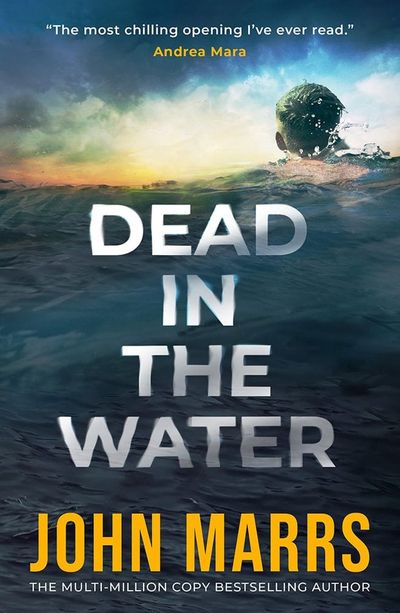
I picked up Dead in the Water because John Marrs is an author I argue with in my head and still preorder. The One got under my skin with DNA dating. The Passengers scratched the same itch about tech and choice. This one sounded smaller and darker. Damon survives a near drowning. His life flashes before his eyes. Every memory is clear except one. A dead boy. A face he cannot place. A moment he does not remember living. The book came out January 20, 2026 from Thomas and Mercer, 400 pages in paperback, ISBN 9781662527708. Marrs calls it a chilling tale about that flash, including scenes you do not remember.
That hook got me because flashes are supposed to reassure you. People say their life made sense in those seconds. Damon gets the opposite. Almost everything checks out, which makes the one wrong image harder to dismiss. If the rest was real, why not this.
This is a thriller with mystery and suspense threads and a strong memory theme. Not cozy, not procedural. If you want a detective with a board and pins, look elsewhere. If you like one man chewing on a single image until it ruins sleep and work, this will pull you fast.
The drowning that starts it
Marrs opens, per publisher and author copy, with Damon nearly dying in the water and living. The listings keep it plain. Near drowning. Life flashing. Survival. That spareness feels on purpose. Water is ordinary, which makes it scarier as a trigger. Bath. River. Sea on holiday. Pool after a party. You do not need a remote location for drowning to feel close.
What matters is the after. Damon lives but does not come back clean. Anyone who has had a scare knows the buzz in the days after. Lucky and shaky at once. Replaying seconds you barely registered. Telling the story too often. People laugh with relief, then stop asking. Damon cannot stop because his replay holds something that should not be there.
Marrs likes this kind of physical opening. Put a body under stress, then follow the mind as it sorts it. The Good Samaritan used a crisis line. The One used a test result. Here he uses panic and oxygen loss and that bright fast review people report. Flashes are supposed to be disjointed. A kitchen at eight. A school fight. A laugh in a car. A dead boy who does not fit. The form lets Marrs jump fast, and fast jumps suit him.
One caution. This book touches drowning, repeated death seeking, and suicidal thinking. Early reader notes also flag violence and mentions of child harm. If water trauma or self harm material is hard for you, this may not be the right time. Marrs does not write gore for its own sake, but he does not look away. The danger here is the water plus what Damon chooses after.
The flash with one wrong memory
The heart is that single wrong memory. Damon sees his life sharp. Faces. Places. Kind bits and shameful bits. Then a dead boy he cannot place.
False memories are uniquely creepy. Forget something and you shrug. Remember something that never happened and you doubt the rest. Damon first calls it a trick of the mind. Low oxygen. Fear. A dream spliced into the reel. That is sane. But everything else he saw was real. So why not this. That line from the author page is the engine. Once he treats the flash as mostly true, the exception becomes a debt.
Marrs has used this doubt before. His leads trust a system, then find one crack. Here the system is memory itself. Damon cannot request a retest. He must ask family, old friends, schoolmates if they recall a boy who died near him. Those talks are awkward. Hey, do you remember a dead kid I might have known. People look away. People protect you from ugly stories. People misremember to spare themselves.
That makes him isolated. Even with a partner or mates, no one can solve it with him. They can say let it go, you almost died. They cannot see the boy's face as he does. That gap pushes toward help or toward obsession. The copy says obsession wins. That feels honest. Most of us know a stuck song or a lost name. Make it a dead child plus survivor guilt and of course he digs.
A fair criticism. Marrs needs the flash to be reliable and unreliable at once. Trusted enough to chase, flawed enough to hide one image. Some readers will poke it. Why trust any of it if one part is off. Marrs answers by letting small details check out. A shirt. A date. A room layout. Once a few prove true, Damon and the reader start treating the reel as evidence. I bought it, though skeptics may not.
Digging at a past that will not stay still
The middle is Damon digging into his fractured past. Desperate for answers. Waking life stalked by the scene.
This is where Marrs usually shines. Ordinary research with dread. Photo albums. Yearbooks. Messages to people untouched for years. A drive past a childhood home that looks smaller. A pub chat that goes quiet at a name. Each find either feeds the boy story or starves it, and both hurt. A link means facing what it means. Nothing means facing that his mind built a dead child.
I pictured him writing the flash in order, circling the boy scene, listing who was around at that age, asking parents careful questions while watching faces more than words. Parents edit childhoods. Not always from malice. Sometimes to protect you or themselves. A mother who goes still at a name tells you more than a record. A father who laughs too fast tells you something else. Marrs is strong on those tells, where the said thing is bland and the unsaid thing is loud.
How much did adults hide, and why. A dead boy near your childhood is not small to miss. To spare an ill kid. To bury neglect or an accident no one caused but no one could name. Any of those explains a gap better than a forgotten afternoon. Trauma seals rooms. You pass the door for years. Then a near death kicks it open.
What held me was the pull between sympathy and worry. I felt for Damon, chased by an image he cannot place. I also worried about his method. Knocking on old doors can hurt people who built quiet lives after bad events. Pushing frail relatives. Cornering old teachers. Reading malice into forgetfulness. Marrs often lets leads get selfish under fear, and I expected Damon to cross a line. That does not make him bad. It makes him human under strain.
Repetition is the risk. Another album. Another call. Another nightmare. Marrs usually avoids it with short chapters and small turns. A name spelled two ways. A photo with someone cut out. A date that fails to fit. Breadcrumb wrongness sustains dread better than big early twists.
Dying on purpose, again and again
Then the turn that makes it pure Marrs. Damon decides the only way to remember is to die again. And again. And again.
He survived once by accident and got a reel with a missing piece. Now he wants to rerun it on purpose. Stop breath briefly. Come back. See if the boy plays longer. Compare versions. Treat death like a door he can open and shut.
It puts body on the line for facts, and horror spikes. Each try could fail or cause harm or read as a suicide attempt to people who love him, bringing ambulances and shame. So Damon hides it, and hiding stacks lies on obsession.
Marrs does not frame this as brave. The copy says desperate and convinced. That matters. Damon is not an explorer. He is narrowing. Work slips. Sleep slips. The boy sharpens while the rest blurs. Give a desperate man one clearer frame per attempt, a shoe or a voice, and he will pay for the next try. That reward loop felt true enough to carry the plausibility bump.
The book must keep attempts distinct without giving a manual. First time shaky. Later times ritualized. A towel laid out. A timer. A note in case it goes wrong. It should also show cost. Headaches. Numb hands. Gaps elsewhere even as the boy sharpens. If dying to remember erases other life, the trade turns vivid.
Ethically this is heavy. The line between seeking memory and seeking death blurs even when motive is facts. Readers who have lost someone to suicide or live with such thoughts may find it hard. Marrs likes consequences, and I trusted him to keep the tone queasy rather than admiring. Bodies bruise. Plans leak. Neighbors notice.
The stranger who is too willing to help
Every spiral needs a helper. Marrs gives Damon a perfect stranger all too willing to help. That line made my stomach drop.
Think what that person offers. A witness. A timer. Hands to pull back. Secrecy. No judgment, or the look of it. For Damon, who cannot ask family to watch him stop breathing, a stranger solves logistics. No history. No partner calling for help too soon. Just someone saying, I believe you, let's do it right.
That willingness is the warning. Why agree. What does he or she want. Money. Company. Control. A thrill. A cover for harm. Marrs loves this gap. One needs. One provides. The provider sets terms. Meet here. Tell no one. Do what I say when under. Each term sounds practical until heard twice, when it sounds like a leash.
The setup does not say if the stranger is young or old, warm or cold, and I liked not knowing. A former medic missing the rush would act clinical. A true crime fan might film. Someone grieving might pray. A predator might wait a second too long to pull back. Any version tilts scenes.
The pictures in my head were quiet. A flat with curtains drawn. A bath filled high. A riverbank at dusk with no one near. The stranger counting down while Damon holds the boy's face in mind going under. Coming up gasping while the stranger asks too fast, what did you see. Damon coughing, trying to hold the image before it fades. Arguing whether to go again now. The stranger saying now is better while you are still open. That phrase would curdle for me. It turns crisis into ritual.
Marrs helpers can feel like functions, there to enable twists. I hoped this one gets a thin private life. A job. A flat. Odd free hours. A flinch showing fear. Without that, the pull feels staged. With it, dread doubles because two damaged people use each other and call it help.
Blame matters too. If Damon asks and the stranger agrees, who answers when it fails. Legally. Morally. Marrs usually chews on that, and I wanted one outsider to name it plainly. Not therapy. Not research. Two people risking a life. A clear voice would give readers air.
Where it lands and who should pick it up
Without spoiling reveals, the shape is clear. Damon chases the boy. Dying becomes method. The stranger becomes partner. The truth will force a choice about whether some memories stay buried. That publisher line tells you the answer will hurt with a pain beyond sadness, the kind that makes you wish you had not asked.
It sets up a real choice, not a simple solve. If adults hid something real to protect him, remembering breaks that shield and hurts living people. If the boy ties to his own guilt as a kid who could not stop it, remembering loads blame that is not fully his but will feel his. If the image mixed news or a glimpsed funeral into his reel, he risked life for static. All three cost. Forgetting is not always cowardice. Sometimes it is how a child survived.
What worked was tight focus. After the crowded cast of The One, one haunted man plus one helper feels lean. Four hundred pages leaves room for short chapters and repeats with variation. Flash one gives a face. Flash two a place. Flash three a sound. That stair step keeps you past midnight.
What dragged was the sameness risk. How many near deaths before they blur. How many research chats before filler. Marrs must vary cost. Lose a job. Lose trust. Get caught. Get hurt in ways that last past the chapter. If each try ends with toweling off and notes, horror softens. If tries cost teeth, time, people, it holds.
I also wanted more normal life around Damon. Work. Rent. A sibling or friend who loves him plainly. Without that, stakes float. With it, each trip to the water means leaving warmth for cold. The best Marrs books give you a Tuesday to miss. A shared dinner. A dumb joke. A few of those would make the water colder.
Who should read it. Fans of psychological thrillers who like memory puzzles and moral knots. Readers who liked The Good Samaritan for its dark bargain between strangers will find that charge here in closer quarters. If you like books asking what you would pay for one true memory, this is built for you.
Who might wait. Readers needing a police thread or courtroom payoff. Readers finding self harm plots too heavy now. Readers wanting speculative tech like The One. This is flesh and water, not apps and genes.
I finished thinking about small true details. A soap brand. A bus number. A song through a wall. Those bits make Damon trust the reel, and they would trap me too. Show me ten true seconds I forgot and I might follow into the eleventh, even scared. It does not ask you to believe in ghosts. It asks if you would chase one clear image into dark water wearing a child's face you cannot name. I would. I hate that I would. That is why I kept reading.
FAQ
When was Dead in the Water published?
Thomas and Mercer published it on January 20, 2026. The paperback runs 400 pages with ISBN 9781662527708.
What happens to Damon at the start?
He survives a near drowning and reviews his life in a flash. All of it checks out except one image of a dead boy he cannot place.
Do I need to read The One first?
No. It is a standalone thriller. Fans of The One will know the voice, but no characters or plot carry over here.
Similar books
The House in the Pines
Maya's best friend died at seventeen; seven years later a video of Frank with another dead girl pulls her home.
2,081-word summary · 9 min read
I Am Watching You
A florist watches two schoolgirls chat with ex cons on a train and stays silent. A year later one girl is still missing and someone starts watching her.
2,939-word summary · 13 min read
The Night She Disappeared
Two teen moms vanish one night, and two years later a writer finds notes in the woods.
1,993-word summary · 9 min read

The Good Girl
Taken from a bar, Mia vanishes into a snowy cabin winter while police read absences.
2,017-word summary · 9 min read
The Inmate
A nurse takes a prison job and faces the ex who she helped convict for murder years ago.
2,060-word summary · 9 min read
The Housemaid
The Housemaid retold: Millie cleans for the Winchesters, locked doors, twists in Long Island.
2,000-word summary · 9 min read
Keep It in the Family
Mia and Finn renovate a long empty house and find seven children hidden in the attic.
2,270-word summary · 10 min read
What Lies Between Us
Nina keeps mother Maggie locked upstairs for years, trading lies about sisters and deaths that unravel fast.
2,062-word summary · 9 min read

What She Knew
Rachel lets her eight-year-old son run ahead in a Bristol park, and the nine-day search turns her into a suspect in the public eye.
2,952-word summary · 13 min read

The Beach House
A young valet is beaten to death at a Hamptons party, and his law-student brother spends a year building a case against the family that covered it up.
2,049-word summary · 9 min read

Six Years
A professor who promised to forget the woman he loved sees her husband's obituary and discovers that the wedding, the marriage, and the woman herself may never…
2,076-word summary · 9 min read

Rules of Prey
Minneapolis detective Lucas Davenport hunts a killer who leaves a new rule at every scene and treats murder as a game of wits.
1,914-word summary · 9 min read

4th of July
Lindsay Boxer shoots two armed teenagers in self-defense, faces a wrongful-death trial, and spends her leave chasing a string of throat-slashing murders in…
2,192-word summary · 10 min read

61 Hours
A bus crash strands Jack Reacher in a snowbound South Dakota town where a drug gang, a corrupt police force, and a single witness are on a collision course.
2,227-word summary · 10 min read
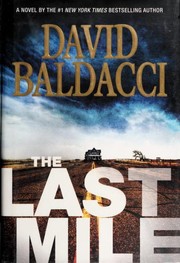
The Last Mile
Melvin Mars is hours from execution for his parents' murder when another man confesses, and FBI cold case detective Amos Decker goes looking for the trap.
2,746-word summary · 12 min read

Still Missing
A realtor is abducted at a Vancouver Island open house and held for more than a year. Told through therapy sessions, the novel follows her escape and the hunt…
2,466-word summary · 11 min read

Bad Luck and Trouble
A deposit of $1,030 summons Jack Reacher back to his old army unit, which is being picked off one name at a time.
2,366-word summary · 11 min read

3rd Degree
The third Women's Murder Club novel follows a San Francisco terror cell and a three-day killing schedule, and it costs the club a member.
2,685-word summary · 12 min read

Worth Dying For
Reacher stops for one night in rural Nebraska and finds a family that runs the county, a missing girl and a shipment worth killing for.
2,021-word summary · 9 min read

Tinker, Tailor, Soldier, Spy
Retired spymaster George Smiley is brought back to find a Soviet mole inside British intelligence, and the trail leads through old friends, old betrayals, and…
2,092-word summary · 9 min read

The Best of Friends
Three lifelong friends discover their teenage sons were hiding more than anyone knew after a night that leaves one dead, one in a coma and one silent.
2,040-word summary · 9 min read

Say You're Sorry
A widowed prosecutor defends the teenager accused of killing her babysitter, uncovering a small town's secrets and a killer hiding in plain sight.
2,116-word summary · 9 min read

Echo Burning
Reacher hitches a ride with a Texas woman who wants her abusive husband killed, then has to prove she did not murder him when he comes home.
2,209-word summary · 10 min read
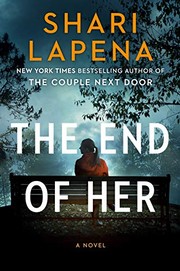
The End of Her
A sleep-deprived mother of twins faces a stranger's accusation that her husband murdered his first wife in Shari Lapena's domestic suspense novel.
2,383-word summary · 11 min read

Girl, Forgotten
A rookie US marshal guards a judge with a stalker and ends up reopening the 1982 prom-night murder of the judge's pregnant daughter.
2,111-word summary · 9 min read
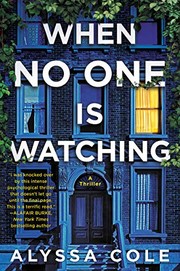
When No One Is Watching
Sydney Green watches her Brooklyn block's Black residents vanish one by one in Cole's Edgar-winning thriller about gentrification as a crime scene.
2,165-word summary · 10 min read

The Woods
Twenty years after two teenagers were murdered and two vanished at summer camp, prosecutor Paul Copeland identifies a fresh corpse as one of the missing.
2,490-word summary · 11 min read

The Boy from the Woods
Wilde, found feral in a New Jersey forest in 1986, hunts for a missing teenager while a senator's secrets tear a wealthy town apart.
2,270-word summary · 10 min read
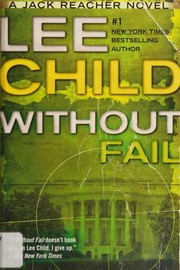
Without Fail
Reacher is asked to test vice presidential security by planning to kill.
2,084-word summary · 9 min read
Things We Do in the Dark
A comedian kills her husband, then a podcaster digs up her teen murder past.
2,427-word summary · 11 min read