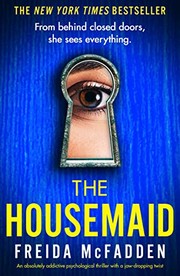
The Housemaid
2,000-word summary 9 min read 336 pages in the book
- First published
- 2022
- Publisher
- Grand Central Publishing
- Pages
- 336
- ISBN
- 9781538742570
- Series
- The Housemaid (#1)
Reading options
What's inside (7 sections)
I picked up The Housemaid because everyone said the twist got them. The book was published in 2022 by Grand Central Publishing, first by Bookouture in April. It runs 336 pages. Millie Calloway cleans for the Winchesters on Long Island and sleeps in an attic room with a lock outside. Nina Winchester swings kind and cruel. Andrew seems kind. Their daughter Cecelia warns. I read it in one night. It is fast, plain, and built for gasps.
Millie needs work badly. She did time for a fight years ago and now sleeps in her car between cleaning jobs. She lies a little on forms to get hired. Nina hires her as live in maid with good pay. Duties run long. Cook, clean, shop, wash. The attic room has a small bed and a window that shuts. The door locks only from outside. Nina says it sticks. Millie accepts because rent eats all. She meets Enzo, the Italian gardener who watches and says little. She meets Cecelia, nine, who tells her her mother is unwell. Andrew works late and smiles with tired eyes.
Nina tests from day one. She leaves messes for Millie to find. She wears white and blames stains. She cries, then shouts. She tells Millie she is grateful, then calls her jail trash. She makes Millie eat old food while family eats fresh. She accuses Millie of stealing. Andrew apologizes for Nina and brings Millie new sheets. He says Nina takes pills for moods. He says stress broke her after birth. Millie pities them both and also counts days to pay. The house gleams and feels sick. Doors click. Cameras blink. Millie checks locks twice.
Locked Doors
The attic room turns the book from drama to trap. Millie wakes some nights to the lock turned. She bangs and calls. No one comes for hours. Nina says Millie dreamed it. Andrew looks away. Food goes missing. Clothes move. Millie finds long hairs in her bed though hers are short. She finds notes in her own hand she does not recall. She starts sleeping with a chair to the door. Enzo warns her in broken English to leave. Cecelia draws pictures of a woman in an attic with X eyes. The pages move fast because chapters run short. Each ends on a knock or a find.
Millie also hides her past in pieces. As a teen she watched her friend get hurt and beat the boy who did it. She went to jail for ten years? No, for a shorter term that still marks forms. She tells no one. She fears the Winchesters will check. She cleans harder to prove worth. She likes Andrew's calm. She hates Nina's games. She thinks of leaving but has nowhere. The car is sold. Friends are thin. The pay is the only bridge to a room of her own. That bind keeps her in a house most would flee. McFadden makes need do the work of chains.
Andrew's kindness grows suspect and sweet at once. He drives Millie to shops. He buys her a phone. He listens about jail without flinching. He tells her Nina tried to hurt Cecelia once and he stays for the girl. Millie believes him because she wants to. They get close in laundry rooms and late kitchens. Nina watches on cameras and smiles in ways Millie cannot read. The triangle feels off on purpose. Who watches whom. Who lies to whom. The book wants you to pick Andrew as rescue. It also plants small wrong notes. Why does he never fix the lock. Why does he laugh when Nina cries.
Part one ends with Millie locked in for a full night without water. She screams until voice breaks. Morning brings Nina with breakfast and a lie about wind. Millie decides to quit at week's end. She packs a bag. She calls a shelter about beds. Then Andrew begs her to stay one more week while he plans to leave Nina. He says they will go together with Cecelia. Millie agrees, which sets the flip. Readers who shout at books will shout here. Do not stay. Millie stays because hope and pay outweigh fear, which is how traps hold.
The Flip
Part two retells much from Nina's view, and the book sharpens. Nina tells of marrying Andrew young, having Cecelia, and learning Andrew hits and lies. She tells of trying to leave and being called mad. She tells of hiring maids to test Andrew, watching cameras as he charms each one. Millie is the latest test. Nina locked doors to scare her off for her own good. Nina messed rooms to show Andrew's pattern. The cold open reframes every cruel act as staged warning. Some readers will buy it at once. Some will feel cheated. I felt both. The clues were there, the lock outside, Andrew's smooth excuses, Enzo's warnings to Millie that read differently now.
Nina's plan with Millie turns ruthless. She wants Millie to see Andrew as he is, then help trap him. She shows Millie videos of Andrew hurting past maids. She shows bruises of her own. She begs Millie to stay and play bait while she calls police. Millie, burned once by trusting, agrees slowly. They set cameras, time his returns, and lock rooms in new order. Cecelia, coached, plays sick to keep Andrew home. Enzo, who knew all along, helps move tools. The house that trapped Millie becomes a trap for Andrew. The pace jumps because plans stack. Each chapter ends on a door shut or opened.
The trap night runs bloody and quick. Andrew comes home, finds Nina calm, and drops mask. He hits Nina, drags Millie, and threatens Cecelia. Enzo blocks a door. Millie fights with a lamp the way she fought years ago for her friend. Police arrive as Nina planned. Andrew is cuffed in his own hall while cameras roll. The relief lands hard. Two women who hated each other hug on tile. Cecelia cries and then sleeps. The attic lock is broken with a hammer on page. That hammer beat feels like the book exhaling.
Aftermath ties fast. Andrew faces charges with video proof. Nina files for divorce and keeps the house. Millie gets a reference and a small flat. She visits Cecelia for ice cream. Enzo nods more than speaks. Nina and Millie do not become best friends, which helps. They become wary allies who check in. The last pages hint Millie will clean for herself now, study, and sleep with doors open. No sequel bait here beyond a new job card, though the series goes on. The close gives air after locked air.
Enzo, Cecelia, and Cameras
Enzo the gardener sees most and says least. He watches doors, moves tools, and warns Millie in short lines to go. His broken English hides sharp notice. He knows about locks, cameras, and Andrew's temper from years of grounds work. When the trap turns, he blocks doors and carries weight without fuss. His quiet help steadies the plan. McFadden uses him as a decent man in a bad house, which the genre needs. Not all watchers are spies. Some are tired workers who nod and act when asked.
Cecelia, nine, draws what she cannot say. Pictures of attic women, locked doors, and shouting men fill her school bag. She tells Millie her mother is sick and her father shouts. She loves both and fears both. Coached to play ill on trap night, she acts well and then sleeps through arrests. Her drawings become proof of a sort, showing a house ruled by fear. McFadden keeps her voice young without making her a prop. She wants ice cream after police leave, which feels right. Kids ask for normal when walls shake.
Cameras shape every move. Nina watches feeds to test Andrew. Andrew smiles for lenses he knows. Millie learns to check blinking lights before speaking. The house gleams for video while attic air chokes. That split between seen rooms and shut rooms drives dread. Who holds the phone with clips. Who deletes nights. On trap night cameras run true and save them. The hammer on the attic lock, caught on film, becomes the book's emblem. Proof breaks charm. Tape beats talk.
Pay, Car, and No Room
Money math keeps Millie put past sense. Live in pay beats car sleeping and shelter lines. She counts hours, tips, and bus fare in a notebook. She sends a little to a friend who holds mail. She prices rooms she cannot yet rent. Nina knows this and pays well to keep her. Andrew offers extras that bind more. Enzo tells her to go, but go where costs. McFadden makes economics do the work of chains better than ghosts. Need holds doors shut more than locks. Many readers will know that math from bad jobs.
Millie's car past shapes her tolerance. She slept in lots with a blanket and a bat. She washed in gas stations. She took day jobs that paid cash and asked no forms. The Winchester attic, though locked, has a bed and heat. That step up matters. She tells herself she can stand Nina for months to save a deposit. Each locked night tests that sum. Is a bed worth fear. She stays till the answer turns no. That slow turn feels true to workers who weigh rent against dread nightly.
Her jail past also shapes fights. She beat a boy who hurt her friend and did time. She learned to hit first in rooms with no help. She fears that temper and also trusts it. On trap night she swings a lamp without freezing. The book frames that past as both stain and skill. Forms reject her for it. Survival needs it. McFadden does not preach here. She shows a woman marked by one violent night living careful till violence returns. The past does not excuse the swing. It explains why her arm knows the arc.
What Hooks and What Strains
McFadden hooks with speed and clarity. Short chapters. Plain words. One scare per five pages. Hairs in bed. Missing shoes. Locked doors. She writes cleaning with detail that grounds scares. Bleach smell. Vacuum lines. Folded sheets. Those chores make the house real, so locks feel real. Millie's voice reads true as a tired worker doing math. Hours, pay, bus fare, food. Need keeps her put more than curiosity. That economic grip lifts the book above game playing. Many will know staying for pay in a bad house.
It strains where people turn plot first. Nina flips from monster to planner in pages. The videos and bruises arrive late to justify early cruelty. Andrew flips from saint to fiend without middle. Cecelia speaks in warnings too neat for nine. Enzo knows much and says little to stretch mystery. The police arrive on cue. Cameras work when needed and fail when needed. Readers who want psychology will find levers. Readers who want ride will not mind. The book chooses ride.
There are notes worth stating. The book shows domestic hitting, lock ins, food control, and past jail time. It shows a child in a violent home. McFadden does not linger on gore, but fear runs constant. Young readers should wait. Older readers should know justice comes fast and clean here, with video proof and quick cuffs. Real cases rarely close so neat. The book offers catharsis, not guide. Take the gasp and leave the plan.
Even with strains, the thriller works as a one night trap and flip. Millie earns care because she scrubs, counts, and fights when cornered. Nina earns a second look because her cruelty hid a test. Andrew earns hate because his calm hid a fist. The attic door, locked from outside, stays the image. I closed the book glad for hammer, open windows, and ice cream with Cecelia. I also checked my own doors, which is what such books want. Sleep with air, McFadden says, and do not stay for pay when locks turn.
FAQ
How does Millie end up with the Winchesters?
Millie Calloway takes live in work for Nina and Andrew Winchester after jail and car sleeping. She cleans, cooks, and sleeps in a small attic room.
What is wrong in the Winchester house?
Nina swings warm and cruel, Andrew seems kind, and Cecelia warns. Doors lock, lies stack, and part two flips who held power.
When was The Housemaid published?
It was published in 2022 by Grand Central Publishing in a 336-page edition. The summary follows that text and keeps its facts aligned.
Similar books
More like The Housemaid →More from The Housemaid first, then related titles.

The Housemaid's Secret
Millie takes a job for the Garricks and hears strange crying behind doors.
3,260-word summary · 14 min read

The Inmate
A nurse takes a prison job and faces the ex who she helped convict for murder years ago.
2,060-word summary · 9 min read

The Wife Between Us
A jealous ex-wife stalks her replacement, but nothing in this marriage is what it seems.
2,756-word summary · 12 min read

Local Woman Missing
Two women vanish from one street. Eleven years later, a missing girl returns with no memory.
2,581-word summary · 11 min read

The Locked Door
Surgeon Nora Davis hides serial killer father while patients die.
2,465-word summary · 11 min read

The Coworker
When odd accountant Dawn vanishes, star salesperson Natalie becomes the prime suspect in a tense office thriller with turtles, lies and revenge.
2,511-word summary · 11 min read