
Reading options
What's inside (6 sections)
I read Ward D in two sittings because the chapters are short and the cliffhangers are mean. It came out in 2023, originally from Hollywood Upstairs Press as an ebook, with the Poisoned Pen Press paperback in 2025 running 320 pages tied to ISBN 9781464227271. It is a standalone thriller. Amy Brenner is a third year medical student on a night shift in a locked psych ward. She is there because she has to be. She stays because the doors lock from outside.
If you like locked room books with an unreliable narrator who tells you she is unreliable, this is built for you. Every chapter ends with a turn. Some turns are fair. Some are there to make you distrust the last ten pages.
Night shift
Amy is assigned to Ward D, the inpatient psych unit, for an overnight rotation. She dreads it. As a student she wanted surgery, clean cuts and clear fixes. Psych feels like talk with no end. Her friend wants the same rotation for easy hours. Amy wants it over.
The ward at night is specific. Buzzing fluorescents. A nurses station with glass. Rooms with beds bolted down. A day room with a TV that only plays calm channels. Patients with bands, meds cups, checks every fifteen minutes. The attending, Dr. Beck, is brisk and tired. The nurse, Ramona, knows everything and shares little. An orderly named Damon lifts without strain and watches too long.
Amy has a secret that the book tells early. She was once a patient on a psych ward as a teen after something bad with her best friend. She changed her name, worked hard, got into med school, told no one. Being back as staff scratches that cover. Sounds echo. A shower drain. A night check flashlight. She tells herself she is professional now. Her hands shake when she holds a chart. She practices saying I am the medical student on this team in mirrors, straightening her coat like armor. The coat helps until a patient asks if she was ever on the other side of the desk. She laughs too fast and changes topic, which the patient notes.
Patients arrive quickly. A young woman who does not speak and holds a doll. An older man who counts ceiling tiles. A woman who begs to call her son. A man who stares at Amy like he knows her. McFadden sketches them in two lines each, enough to track, not enough to know. That thinness is on purpose. You are not supposed to settle.
The first scare is small. A med cup goes missing. A door that should lock clicks open. Amy charting is interrupted by screaming from a room. She runs, helps restrain, gets blood on her shoe. Ramona says good job without warmth. Dr. Beck writes without looking up. Night one feels like hazing. After, Amy rewashes her hands twice and checks the shoe in trash light. Blood, even a drop, looks different when you wonder if you caused it. She bags the shoe cover, labels it in her head like evidence, then throws it away angry at herself for dramatics. That swing between protocol and panic defines her whole shift.
I liked the medical student details. Amy practices presentations in her head. Assessment and plan. She worries about evaluations. She eats a granola bar in a call room and calls it dinner. She checks her phone for messages from her boyfriend who does not understand why she chose this rotation. Those normal stakes keep the horror grounded. She is not a detective. She is a tired student who needs a pass.
The friend and the past
Amy past comes in flashes. Best friend Jade in high school. Sleepovers. A night with pills and a car. A hospital stay Amy barely remembers through sedation. A discharge with instructions to rest. A decision to become a doctor so she could fix brains including her own.
McFadden drips this slowly. A name on a chart that looks familiar. A song from a day room TV that Amy knew at fifteen. A scar on a patient wrist that matches hers. Amy tells herself coincidence is common in hospitals. Readers will not believe her, which is the point. She is an honest narrator about now and a careful liar about then.
Her boyfriend calls and she lies about how bad the shift is. Her friend texts from a bar. She answers with a joke and puts the phone away. Isolation builds. The ward has no signal in some rooms. The landline needs codes. When she needs help, she must shout or pull an alarm that brings everyone, including people she fears.
A second scare is bigger. A patient is found hurt with no clear cause. Amy was nearby charting. Cameras show a gap. Dr. Beck asks where she was. Ramona watches. Damon offers to walk her to her car at dawn in a way that sounds like threat and care at once. Amy starts to wonder if she sleepwalked, if her teen episode returned, if she hurt someone and forgot.
That doubt is the engine. McFadden uses Amy history to make every gap feel personal. A missing fifteen minutes could be a charting error or a blackout. A bloody shoe could be from restraint or worse. Amy checks her own pulse like a patient. She counts tiles to calm down and hates that she knows the trick.
I found this effective and a little frustrating. Effective because stigma around mental illness makes Amy hide help she needs. Frustrating because she makes student mistakes to keep plot moving. She does not tell Dr. Beck her history. She does not ask for a chaperone. She goes alone into a dark room to investigate a noise. If you can accept horror movie logic in a hospital, you will fly. If you need protocols, you will want to shake her.
Locked doors
Midnight to 4 a.m. is the core. Power flickers. A patient elopes from a locked room and is found in Amy call room wearing her coat. Meds go missing from a cart Amy signed. A phone rings at the nurses station with no one on the line, then rings again with breathing. Damon is everywhere and nowhere. Ramona charts calmly through chaos in a way that feels either competent or cold.
McFadden is good at space. She maps the ward clearly. Nurses station center. Rooms A to F around. Day room at end. Med room with keypad. Seclusion room with a small window. Once you learn it, chases make sense. Amy runs from room C to med room with a key she should not have. She hides in a shower while someone tries the handle. She uses a food tray as a shield. It is physical and fast. A later reread rewards tracking who had keys when. Ramona key ring jingles in one scene and is silent in another. Damon props a door with a wedge that later vanishes. Those small props matter more than dialogue for solving the theft thread fairly.
The patient who stares knows Amy name from before. He says Jade. Amy freezes. He smiles. He says she left him in the car. Amy says she does not know what he means loud enough for others to hear, which tells everyone she does. Dr. Beck orders her off the floor. She refuses because leaving looks guilty and because she needs to know. Ramona finally shows a crack and tells Amy to lock herself in the call room and call security. Amy does half of that.
There is a reveal about Jade that reframes the teen story. I will not spoil it fully, but the car night was not what Amy told herself. Jade did not simply overdose while Amy slept. Choices were made about who called for help and when. Guilt, not illness alone, drove Amy to become a doctor. That turn lands because McFadden seeds it in small lies. Amy says she took one pill. Later she says two. She says she called at midnight. Later phone records say otherwise. Memory edits to survive.
The ward night mirrors that edit. Amy thinks she charts at 2:10. Camera says 2:25. She thinks she locked med room. Keypad log says it stayed open. Either someone frames her or she frames herself. Both feel possible, which keeps pages turning.
What is true
The last hundred pages pile twists. Damon is not just an orderly. Ramona is not just a nurse. Dr. Beck knew Amy history before the shift. The staring patient has a real name and a real link to Jade. A second death, or near death, forces lockdown. Police cannot enter quickly because the ward locks require codes that only night staff know and night staff do not agree.
McFadden resolves with a double twist that thriller readers will see half of. Amy did not kill anyone tonight, but she is not innocent about the past. Someone used her history to stage chaos for money and revenge. The ward chaos covers a drug theft and a planned elopement. Amy, as the new face with a secret, makes a perfect distraction. Once you see the theft motive, missing meds and camera gaps click into place.
The final confrontation in the seclusion room is brutal and quick. No speeches about philosophy. A tray thrown. A key swallowed. An alarm pulled with teeth. Amy uses med student skills, pressure points, airway checks, to save someone she feared an hour earlier. That shift from fear to care feels earned. She wanted surgery to fix bodies. She fixes one here with hands and talk.
After, dawn comes with paperwork. Incident reports. Urine tox. Statements. Amy tells the truth about her teen stay and the car night, first to Dr. Beck, then to police. She expects expulsion. She gets probation and mandated therapy, plus a reputation as the student who stayed when others hid. Her boyfriend arrives with coffee and does not understand, but stays. Her friend cries on the phone. Normal life resumes with a crack in it.
Therapy scenes, brief as they are, add weight. Amy finally says aloud that she became a doctor to earn back a life she thought she took. The therapist asks what she would tell a patient who said that. Amy says she would say one night does not equal a life. Saying it to herself takes longer. She practices charting honestly, including her own gaps, which is harder than any exam. The book ends not with triumph but with a student willing to be known, which for Amy is the bravest procedure.
What worked was speed and clarity. Short chapters. Clear map. High stakes that never leave the ward. McFadden knows readers come for twists and delivers one every twenty pages without losing the night timeline. Medical details feel right enough to trust. Med cups, restraints, checks, codes.
What dragged was character depth outside Amy. Ramona, Damon, Beck function as twist delivery more than people. Patients get quirks, not arcs. The doll girl exists to be creepy then sad. The counting man exists to mark time. If you want One Flew Over style ensemble, this is not it. If you want a ride, it is.
I also struggled with ethics framing. The book uses psych ward as scary set. Real units are boring and careful more than violent. McFadden adds a note that most patients are not dangerous, but the plot still leans on fear of unpredictable others. Readers with psych stays may find it stigmatizing despite Amy sympathetic history. That tension never fully resolves.
Still, as a McFadden standalone, it is among her fastest. It rewards readers who track times and keys. I guessed one twist, missed the bigger one, and finished at 2 a.m. with lights on, which is the job.
Content notes. Locked psych ward, restraint and seclusion, blood and injury, drug theft and overdose, past teen overdose and car death, self harm scars mentioned, surveillance and threats, panic and dissociation. No explicit sex. Language is mild. Medical trauma and stigma themes throughout. The book states most patients are not violent, but the scare plot still uses ward fear, so sensitive readers should weigh that.
FAQ
Did Amy hurt patients during blackouts?
No. Gaps come from staging around her. She hides a teen car death and fears blackouts, which others use. She did not harm patients that night.
Is Ward D worth reading for thriller fans?
Yes for pace and twists if you accept horror logic and thin side characters. It is fast, mapped clearly, and lands its theft motive fairly.
Similar books
More like Ward D →
The Inmate
A nurse takes a prison job and faces the ex who she helped convict for murder years ago.
2,060-word summary · 9 min read
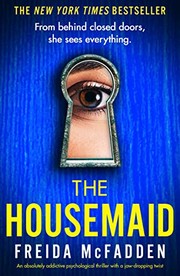
The Housemaid
The Housemaid retold: Millie cleans for the Winchesters, locked doors, twists in Long Island.
2,000-word summary · 9 min read


The Night She Disappeared
Two teen moms vanish one night, and two years later a writer finds notes in the woods.
1,993-word summary · 9 min read

The Good Girl
Taken from a bar, Mia vanishes into a snowy cabin winter while police read absences.
2,017-word summary · 9 min read

The Paris Apartment
Jess finds her brother missing in Paris where every neighbor hides something.
2,040-word summary · 9 min read