
Reading options
What's inside (11 sections)
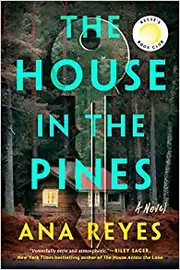
I picked up The House in the Pines because Reese's picks rarely miss for me. Ana Reyes published her debut in 2023 with Dutton. My reading follows the 336 page hardcover. Maya saw her best friend die at seventeen and remembers wrong. Seven years later a video of another woman collapsing across from the same man drags her home to a cabin and the truth. It is eerie, sad, and more about memory than murder.
Maya lives in Boston with a loving boyfriend, kicking a secret Klonopin habit that blurs days. Seven years ago in Pittsfield, her best friend Aubrey dropped dead while talking to Frank Bellamy, the older magnetic man both girls orbited that summer. The death was ruled accidental. Maya never believed it but could never prove otherwise, partly because her own memories of that summer arrive in fragments with hours missing. She copes by numbing, which deepens the gaps she fears.
A video that reopens everything
One sleepless night Maya watches a trending video. A young woman in a diner, sitting across from Frank, suddenly keels over and dies. Same pattern. Same man. Maya's certainty ignites. Frank killed Aubrey and killed again. She returns to Pittsfield against her boyfriend's worried advice, carrying withdrawal shakes and a determination that reads as both brave and unwell. Reyes keeps that doubleness alive. Is Maya an unreliable witness chasing truth, or a traumatized woman assembling pattern from static. The book wants you to hold both.
Home brings the past in pieces. Her mother's house with its careful silence. Old friends who moved on or calcified. Frank himself, older but still charismatic, living near the cabin in the woods where he entertained Maya and Aubrey that summer. Confrontations fizzle. Frank charms, deflects, and suggests Maya's memory can not be trusted, which is cruelly effective because she knows it is damaged. Those scenes made my skin crawl precisely because they weaponize real doubt. Abusers do not need to prove victims wrong. They just water existing cracks.
The cabin chapters deliver the book's best dread. Pine dark. Cold rooms. Objects that trigger flashes. Maya excavates fragments of that summer, Aubrey laughing, Frank watching, herself fading in and out, and finds her recollections were edited by more than drugs. Someone shaped what she remembers. That realization reframes the novel from whodunit to how and why, as Riley Sager's blurb promises. Not who killed. How do you make a girl forget. The answer involves manipulation patient enough to feel supernatural until it proves human. I will keep mechanics general here beyond saying Reyes plays fair with clues about drinks, routines, and lost hours.
Fathers, books, and lost time
Maya's Guatemalan father, dead before she knew him, left a half written book that becomes unexpected map. At her mother's house she rereads his pages and notices hidden messages that did not stand out before. A story about houses that vanish. Marginalia about remembering. Those literary threads could feel contrived and instead feel earned because Reyes based them in a real absence. A daughter meeting a father only through sentences will over read them. Sometimes over reading finds true things. Maya follows his metaphors back to Frank's cabin with new eyes. Fiction guides where memory failed.
Her addiction thread gets honest, unglamorous treatment. Klonopin blurs edges, steals mornings, and convinces her she functions. Withdrawal brings vivid dreams and sharper fear. Reyes neither uses addiction as twist engine nor preaches recovery. Maya decides to taper because she needs clear eyes for the hunt, then struggles to keep that promise when terror spikes. That pragmatism rings true. Sobriety as tool rather than moral badge. Her boyfriend supports without saintliness, frustrated and kind by turns. Those relationship beats ground the thriller in domestic reality. Love can not fix memory. It can drive to Pittsfield and wait in the car.
Female friendship anchors all of it. Maya and Aubrey's bond, with its jealousies and devotions, reads like real seventeen. Matching outfits. Shared crushes. Fights that felt fatal then and prove small beside death. Adult Maya grieves not just Aubrey but the girl she was beside her. That double mourning gives the finale weight beyond solving. Even if Frank pays, youth does not return. The book knows and says so through Maya's quietest lines. I miss who I was with her. That is the true cold case. A self gone.
What haunts and what wobbles
What haunts is atmosphere braided with memory science. Pine dark. Diner fluorescents. YouTube glow at 3 a.m. Reyes, an MFA who studied Jackson and Flynn for this book, deploys red herrings and cliffhangers with control well beyond debut norms. The prose is gorgeous without slowing, all sensory layering and short dread chapters. Twists land and recontextualize rather than cheat. The final cabin confrontation genuinely surprised me while feeling inevitable on reflection. That is the genre's hardest trick, and Reyes nails it here.
What wobbles, as PW noted, is plausibility at the peak. The mechanism behind the deaths and forgettings requires planning, luck, and victim compliance that strains past a point. A few logistical questions about timing and dosage linger after closing. The ending also divides readers on supernatural versus psychological balance. Without spoiling, the book leans human while keeping fairy tale edges that some will find rich and others evasive. I landed on rich, but I felt the pull toward wanting one cleaner answer.
Length at 336 pages suits the spiral. No bloat. Short chapters with alternating timelines keep momentum while backstory fills gaps. The final hundred pages run fast as roads lead back to the cabin. Bodies, books, and boyfriends converge. Frank's charm curdles fully. Maya's memory steadies. Home, confronted rather than fled, releases its grip by being faced. That arc satisfies even where mechanics stretch. Return. Remember. Remain.
Memory as haunted house
The book's deepest subject is how memory edits under chemicals, trauma, and suggestion. Maya loses hours to Klonopin, days to terror, and whole conversations to Frank's patient reframing. Reyes dramatizes this through repeated scenes viewed twice. First as Maya remembers. Then as evidence revises. A laugh that was kind turns pointed. A door left open was closed. Those revisions teach readers to distrust single passes, including their own. What did you misremember this week. Who helped you misremember it. The questions linger after plot resolves.
Frank's method, kept general here beyond its reliance on routine and trust, works because Maya loves him a little even while fearing him. That ambivalence is the book's bravest psychological claim. Victims can cherish abusers who listened before they harmed. Aubrey adored Frank's attention. Maya craved his approval. Those genuine feelings become handles he turns. The novel never blames the girls for warmth. It indicts the man who monetized it into control. Warmth is not consent to be rewired. Remember that distinction when the finale tempts judgment of young choices. They chose kindness. He chose use.
Her father's book supplies the counter method. Where Frank edits memory through repetition, her father preserves it through metaphor. Houses that vanish. Roads that return. marginal notes about looking twice. Maya learns to read her own life the way she learned to read his pages. Slowly, twice, with pencil. That literary detection gives the climax its satisfying shape. She defeats manipulation not with force but with close reading. English major skills as survival skills. The MFA shows, and it helps.
Boyfriends, mothers, and Guatemalan pages
Maya's boyfriend in Boston deserves credit as supportive without sainthood. He drives, waits, and worries aloud when her search looks like relapse. His frustration reads as love with limits rather than control. When he finally insists on boundaries, the scene hurts both fairly. Partners of traumatized people need care too. Reyes grants him interiority rare in thrillers where boyfriends are props or suspects. He stays mostly steady. Mostly is honest. That qualifier keeps him human rather than reward.
Her mother keeps quieter counsel, holding a house full of avoided topics. Their conversations circle Aubrey without landing, both protecting each other from versions neither can verify. The late thaw between them, over tea and the father's book, moved me more than any scare. Two women deciding to remember together after years of separate forgetting. That joint project heals more than solving. Even if Frank vanished tomorrow, they would still need each other's corroboration to trust mornings. Family as shared hard drive with backups finally synced.
The Guatemalan father's pages deserve final praise as device and elegy. A dead man's unfinished story guiding a daughter toward truths he never knew she would need. His metaphors about vanishing houses prove literally useful in ways that avoid cuteness through grief. He wrote before she was born about loss he could not foresee her facing. That accidental prophecy feels like what inheritance actually is. Messages sent blind. Received when ready. Maya finishes his book by living its ending correctly. Few debuts manage metafiction with such tenderness. Reyes does.
Pine dark as character
The woods around Frank's cabin function as accomplice and archive at once. Pines swallow sound. Needles hide footprints. Darkness arrives early under canopy. Maya's childhood memories of playing there glow with false safety that adult return revises. Every clearing holds two versions. Games then. Threat now. Reyes writes forest with fairy tale awareness, paths that bend, houses that vanish, men who offer candy directions, while keeping threats human. No monsters need apply when men manage. That discipline separates literary thriller from horror. Fear grows from recognition, not fangs.
The cabin interior rewards close reading on return visits. Objects placed like stage directions. Chairs facing wrong ways. Cups washed or left. Bed made or stripped. Maya learns to read rooms the way her father read sentences, twice and asking. Those domestic forensics give the finale its procedural spine. No lab needed. Attention suffices. Frank's tidiness convicts where testimony wavers. Clean too carefully and guilt shows in polish. That inversion delights. Housekeeping as confession. Readers will check their own cabins differently after. Look twice. Dust tells.
Debut control beyond years
Reyes's craft control deserves final praise because debuts rarely balance this many modes. Literary sentences about pines and grief. Thriller cliffhangers ending chapters mid knock. Romance beats with the boyfriend's patience. Mystery fair play with plates and logs. Those gears mesh without grinding across 336 pages. The MFA shows in revision layers visible to careful readers. Every scare serves theme. Every theme carries scare. That integration explains bestseller lists beyond Reese's boost. Talent plus revision equals arrival. Watch for her next book with confidence earned here.
What first novels usually fumble, pacing of reveals, Reyes manages through alternating timelines that withhold symmetrically. Past gives what present lacks and vice versa. Neither strand runs dry because each answers questions the other raises two chapters later. That call and response structure keeps pages turning without cliffhanger abuse. Information arrives when needed for next decision rather than for shock. Trust that rhythm and the implausibilities bother less. Well told time forgives stretched logistics. The telling here stays well ahead of doubts.
What recovery looks like
Maya's Klonopin taper deserves honest note as recovery portrayed without montage. Shakes. Rebound anxiety. Nights of vivid dreams where Aubrey speaks. Her boyfriend counts pills without policing, a balance many partners will recognize as hard. Setbacks occur when terror spikes, and the book neither excuses nor moralizes them. Use happens. Shame follows. Work resumes. That cycle reads truer than clean arcs where resolve fixes chemistry. Healing stutters forward. The finale finds her clearer rather than cured, which is the only honest outcome for page 336 of a life. Clarity suffices for now. Keep tapering.
Who should enter
Give The House in the Pines to thriller readers who like memory puzzles, to fans of Sager and Flynn who want literary texture with twists, to book clubs that enjoy debating how versus who. It suits winter nights and cabins you trust. Do not give it to readers who need airtight procedure or cozy resolutions. Pair it with Reyes's interviews about Shirley Jackson to see the craft lineage.
At 336 pages I read it in two sittings, marking father book pages. Maya starts numbing gaps and ends facing the cabin with clearer eyes, choosing memory however painful over comfort that kills. That choice, to remember rather than float, is why the debut lasts past its twists. What you can not remember can destroy you, as the cover warns. What you face can free you. Reyes proves both.
FAQ
When was The House in the Pines published?
Dutton published it in January 2023. The hardcover runs 336 pages and the ISBN is 9780593186718.
Is it part of a series?
No. It stands alone as Reyes's debut, built around Maya, Aubrey, and Frank's cabin.
Is it whodunit or howdunit?
How Frank shaped what Maya remembers through routine and trust, answered with drinks, logs, and lost hours.
Similar books

We Were Never Here
Best friends Emily and Kristen hide a backpacker death in Chile, then face another in Vietnam with trust cracking.
2,076-word summary · 9 min read

Reckless Girls
Six young travelers chase paradise on remote Meroe Island, where old lies, smashed radios and hidden cash turn sun and sand deadly.
2,703-word summary · 12 min read
Dead in the Water
After Damon survives drowning, one strange memory of a dead boy pulls him back toward death again and again to find the truth.
2,358-word summary · 10 min read
In a Dark, Dark Wood
Writer Nora joins hen party Clare in glass house where a murder happens.
2,253-word summary · 10 min read

What She Knew
Rachel lets her eight-year-old son run ahead in a Bristol park, and the nine-day search turns her into a suspect in the public eye.
2,952-word summary · 13 min read

The Beach House
A young valet is beaten to death at a Hamptons party, and his law-student brother spends a year building a case against the family that covered it up.
2,049-word summary · 9 min read

Six Years
A professor who promised to forget the woman he loved sees her husband's obituary and discovers that the wedding, the marriage, and the woman herself may never…
2,076-word summary · 9 min read

Rules of Prey
Minneapolis detective Lucas Davenport hunts a killer who leaves a new rule at every scene and treats murder as a game of wits.
1,914-word summary · 9 min read

4th of July
Lindsay Boxer shoots two armed teenagers in self-defense, faces a wrongful-death trial, and spends her leave chasing a string of throat-slashing murders in…
2,192-word summary · 10 min read

61 Hours
A bus crash strands Jack Reacher in a snowbound South Dakota town where a drug gang, a corrupt police force, and a single witness are on a collision course.
2,227-word summary · 10 min read
The Troop
A Boy Scout troop on a Canadian island takes in a stranger who cannot stop eating, and the worm inside him turns a camping trip into a war.
2,457-word summary · 11 min read
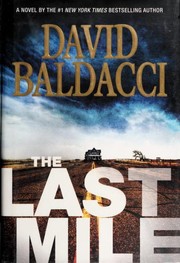
The Last Mile
Melvin Mars is hours from execution for his parents' murder when another man confesses, and FBI cold case detective Amos Decker goes looking for the trap.
2,746-word summary · 12 min read

Still Missing
A realtor is abducted at a Vancouver Island open house and held for more than a year. Told through therapy sessions, the novel follows her escape and the hunt…
2,466-word summary · 11 min read

Bad Luck and Trouble
A deposit of $1,030 summons Jack Reacher back to his old army unit, which is being picked off one name at a time.
2,366-word summary · 11 min read

3rd Degree
The third Women's Murder Club novel follows a San Francisco terror cell and a three-day killing schedule, and it costs the club a member.
2,685-word summary · 12 min read

Worth Dying For
Reacher stops for one night in rural Nebraska and finds a family that runs the county, a missing girl and a shipment worth killing for.
2,021-word summary · 9 min read

Tinker, Tailor, Soldier, Spy
Retired spymaster George Smiley is brought back to find a Soviet mole inside British intelligence, and the trail leads through old friends, old betrayals, and…
2,092-word summary · 9 min read

The Best of Friends
Three lifelong friends discover their teenage sons were hiding more than anyone knew after a night that leaves one dead, one in a coma and one silent.
2,040-word summary · 9 min read

Say You're Sorry
A widowed prosecutor defends the teenager accused of killing her babysitter, uncovering a small town's secrets and a killer hiding in plain sight.
2,116-word summary · 9 min read

Echo Burning
Reacher hitches a ride with a Texas woman who wants her abusive husband killed, then has to prove she did not murder him when he comes home.
2,209-word summary · 10 min read
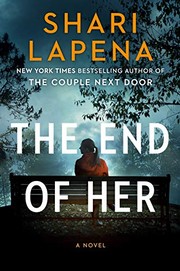
The End of Her
A sleep-deprived mother of twins faces a stranger's accusation that her husband murdered his first wife in Shari Lapena's domestic suspense novel.
2,383-word summary · 11 min read

One of Us Is Dead
In Buckhead, Atlanta, five women narrate a murder among manicures, fundraisers, and social warfare. Jeneva Rose's 2022 thriller is a gossipy revenge fantasy…
2,471-word summary · 11 min read

Girl, Forgotten
A rookie US marshal guards a judge with a stalker and ends up reopening the 1982 prom-night murder of the judge's pregnant daughter.
2,111-word summary · 9 min read
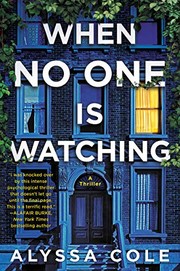
When No One Is Watching
Sydney Green watches her Brooklyn block's Black residents vanish one by one in Cole's Edgar-winning thriller about gentrification as a crime scene.
2,165-word summary · 10 min read

The Woods
Twenty years after two teenagers were murdered and two vanished at summer camp, prosecutor Paul Copeland identifies a fresh corpse as one of the missing.
2,490-word summary · 11 min read

The Boy from the Woods
Wilde, found feral in a New Jersey forest in 1986, hunts for a missing teenager while a senator's secrets tear a wealthy town apart.
2,270-word summary · 10 min read
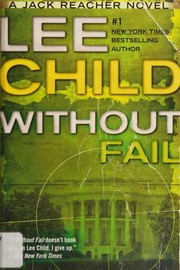
Without Fail
Reacher is asked to test vice presidential security by planning to kill.
2,084-word summary · 9 min read
Things We Do in the Dark
A comedian kills her husband, then a podcaster digs up her teen murder past.
2,427-word summary · 11 min read

The Widow
A widow of a suspected criminal faces reporters and police while hiding what her marriage really cost.
2,599-word summary · 12 min read

The Therapist
A couple moves to a gated street where the previous therapist was murdered in their house.
2,437-word summary · 11 min read