

Sabriel
2,021-word summary 9 min read 491 pages in the book
- First published
- 1995
- Publisher
- HarperCollins
- Pages
- 491
- ISBN
- 9780064471831
- Series
- Old Kingdom (#1)
Reading options
What's inside (7 sections)
I found Sabriel in a library sale bin as a teen and judged it by the cover, a girl with a sword and a white cat. Took it home, read half the night with a flashlight after lights out. Coming back now, thirty years after it first came out in Australia in 1995, I was braced for it to feel dated. It does not. If anything the central image hits harder: a teenager answering a phone call from her missing father and realizing no adult is coming.
Sabriel is eighteen, in her last term at Wyverley College in Ancelstierre, a country a lot like England between the wars. Across the Wall lies the Old Kingdom, where magic works and the dead do not always stay down. Her father, the Abhorsen, is the necromancer who puts them down, though necromancer here means the opposite of what you expect. He does not raise the dead. He lays them.
The book runs 491 pages in the mass market HarperCollins edition most US readers know, ISBN 9780064471831. It is the first of the Old Kingdom books. You can read it alone. Nix later wrote Lirael, Abhorsen, Clariel, and more, but Sabriel closes its own arc.
A schoolgirl, a sword, and bad news
The opening is efficient. Sabriel receives her father's sword and a message through a creature called a Hrule, plus a desperate sending. Her father has been trapped.
She does what few school stories allow. She leaves. No committee, no permission slip montage. She packs the sword, a pack of supplies, and Mogget, a white cat shaped Charter spirit bound to serve the Abhorsens, sarcastic and clearly biding his time.
Crossing the Wall is the first great sequence. On the Ancelstierre side, technology works, soldiers check papers, mist hangs. On the Old Kingdom side, the Charter, the ordered magic that underlies everything, flows like a river of symbols. Charter Mages draw marks for light, healing, binding. Free Magic, wilder and corrupting, gnaws at the edges.
Nix is good at border dread. Villages near the Wall are empty or pretending normalcy. A school friend's family, the local inn, everyone listening for bells at night. Not church bells. The seven bells of the Abhorsen, each with a voice and a price.
I love how practical Sabriel is. She has been trained since childhood in Charter marks and sword forms during holidays, but she has never done the work alone. She checks her gear, rations food, worries about money. Heroic, still teenage. When she is scared she gets brisk, not weepy. That felt familiar from my own late teens. Fear made me tidy.
One small complaint early: Ancelstierre politics get sketched thin. There is a sense of a government that wants to pretend the Old Kingdom is superstition, soldiers with rifles facing things rifles cannot kill. Interesting, then dropped. The book clearly prefers the magical side of the Wall, and I did too, but I wanted one solid scene of denial backfiring.
Into Death
The signature invention is Death as a place. Not an ending, but a cold river with gates.
To reach the dead or to hide from them, necromancers step into a gray, freezing current. First Gate, Second Gate, further down to the Ninth. Each gate demands will to pass. The further you go, the harder to return, the colder it gets, the more the current tugs. Time behaves oddly. A minute on the living side can be a struggle through three gates.
Sabriel enters Death looking for her father and finds traces, not him. A failed rescue, a narrow escape, frost on her eyelashes. Nix writes cold better than almost anyone in YA. You feel it in teeth and fingers. The river is quiet in a way that makes living noise feel rude afterward.
The bells matter here. Ranna, Mosrael, Kibeth, Dyrim, Belgaer, Saraneth, Astarael. From sleep bringer to waker to thinker to speaker to binder to weaver. Each can turn on the ringer. Mosrael, the waker, throws the ringer further into Death while raising the dead. Imagine a tool that helps by hurting you. Sabriel learns to choose quickly and pay.
Mogget steals these chapters. He is bound in cat form, knows far more than he says, offers directions with insults attached. At one point he simply goes to sleep at the worst moment because his bargain allows it. I laughed out loud, then felt guilty, because people are dying around them. That mix is Nix all over. Solemn stakes, dry humor, no wink to the reader.
If there is a learning curve, it is here. Nix throws Charter marks, Free Magic creatures, Mordicants, Shadow Hands, Gore Crows at you fast. Younger readers may need to just ride it. On reread I caught how carefully he repeats the rules through action rather than lecture. Still, a glossary would have helped my twelve year old self.
Touchstone and the question of kings
Halfway to the capital, Sabriel finds a young man spelled into the figurehead of a ship, or rather into a wooden effigy, preserved for two hundred years. She frees him with Charter magic. He calls himself Touchstone. He was a palace guard. He remembers the Queen and the royal family slaughtered when the evil adept Kerrigor broke through.
Touchstone is gruff, ashamed, out of time. He expects a world that moved on. Villages burned, roads overgrown, the Old Kingdom882s government gone. He tries to act like a soldier and keeps failing because there is no army left to order.
His dynamic with Sabriel carries the middle. She is competent but new to command. He is experienced but broken by guilt for living when others died. They argue about routes, about whether to help every hamlet or push for the capital. She wants to save everyone. He knows they cannot.
The romance is slow and, thankfully, not central. No love triangle, no destiny speeches. They respect each other's work, share watches, bandage wounds. A hand held in Death because letting go means drifting. That is more romantic than any kiss, and Nix knows it. When feeling does surface, it is quiet and inconvenient given corpses are walking.
Touchstone's real name and lineage matter for the ending, and Nix plants it fairly. Guards singing, a paper crown, people bowing without thinking. I guessed half of it as a teen and felt clever. As an adult I admire how he uses kingship. Not as divine right fantasy, but as a Charter bound office. A king anchors the Charter, helps hold the dead down. Without one, the kingdom leaks. Politics as plumbing. Unfancy, convincing.
The middle sags a little on travel. Marsh, inn, forest, ruin, repeat. Each stop has a fight or a rescue, and the pattern shows. I did not mind much because the fights differ. One is bells and river work. One is sword and Charter. One is trickery with Free Magic names. Still, readers who want plot constantly advancing may skim a chapter around page 300.
Mogget unbound and Kerrigor rising
The back third accelerates toward Belisaere, the drowned seeming capital, and toward Kerrigor.
Kerrigor is the big bad, once a prince, now a Greater Dead spirit who needs bodies to act in life. He cannot just storm in. He must wear people, use necromancers, build strength. His servants prepare a vessel, a living heir he can inhabit fully at the right moment. That plan gives the horror a procedural edge. Sabriel is not just fighting monsters. She is racing a ritual calendar.
Mogget's bargain breaks at the worst time. Freed from cat shape, he reveals what readers suspected. He is a powerful Free Magic being, old, amused, dangerous, bound long ago by a previous Abhorsen. Without the collar, he will not obey. He may help, he may leave, he may eat you if you bore him.
I liked that Nix does not redeem him with a speech. Mogget helps in his own interest and out of old tangled loyalties he will not name. He remains rude. He still naps. Power with personality, not a pet dragon turned ally.
Sabriel's father appears in fragments through mirrors and sendings, weaker each time. He warns her not to follow him past a certain gate. Fathers in fantasy often die off page to motivate. Here the dying happens in pieces, and Sabriel watches. It hurts more. She has to decide when to stop trying to save him and start doing his job instead.
The siege pieces are vivid. Dead Hands, corpse puppets with a spark of spirit, marching without tiredness. Mordicants, hounds of Free Magic that sweat fire and cannot be killed by ordinary steel. Villagers with pitchforks and Charter marks chalked on doors. Kids told to ring a handbell if they see mist. I thought of flood preparations, sandbags and radios. Same mood. Ordinary people doing competent things while the river rises.
Nix keeps gore moderate. Limbs break, blood smells coppery, but he cuts away from lingering cruelty. Fear comes from inevitability. The dead do not sleep, do not negotiate, do not get bored. You will tire first.
What it costs to bind
The climax hinges on names and sacrifice, not bigger swords.
Without spoiling the exact turns, Sabriel has to use the bells in ways that risk herself, bind a greater power with incomplete help, and accept that Abhorsen is not a person but a function someone must hold. Her father held it. Now she must, or the kingdom falls and Kerrigor walks permanently.
The final confrontation uses everything taught earlier. Charter marks for protection, bells for binding, sword for the living hands that serve the dead, Death's gates as terrain. Touchstone holds the living side as best a mortal can. Mogget chooses, briefly, to act, for reasons that stay his own. It feels earned because the rules never bend. Price is paid in cold, blood, breath.
The ending is mournful rather than triumphant. Sabriel wins, but loses her father fully. She gains a title she did not audition for at eighteen. Touchstone gains a crown he did not want at what should be his death age plus two centuries. They stand in a ruined city with rebuilding to do and no manual.
I cried as a teen at the farewell scene in Death, father and daughter on opposite sides of a gate, time short. As an adult with a kid, I cried more. Nix writes parental love as letting go of protection. The father cannot carry her across. He can only tell her she knows enough, which is both true and insufficient, like most good parenting.
She had thought Abhorsen was her father. Now she understood it was a job, and the job had chosen her.
Fair criticisms after reread. Sabriel is very capable for eighteen, trained since birth, yes, but still improbably steady. She rarely makes a stupid mistake that costs lives, which softens tension. Touchstone's trauma resolves a bit quickly once he has purpose. Kerrigor, frightening as a force, is thin as a person. We never learn why the prince chose this path beyond hunger for life. For some readers that is fine, evil as erosion. Others will want motive.
Also, Ancelstierre versus Old Kingdom can read as tech bad, magic good, though Nix complicates it. Guns fail against the dead, but organization, medicine, and doubt save lives too. I wish the sequel balance started here.
Still, the strengths dominate. A magic system with costs. Death as geography. A heroine whose competence feels trained, not gifted. A cat who is genuinely untrustworthy. Horror that respects grief. Romance that respects work.
Who should read it? Anyone who likes Tamora Pierce or Diana Wynne Jones but wants more chill. Teens ready for sustained dread. Adults who think YA fantasy is all chosen one sparkle. Sabriel is a working book about work, carrying bells that can kill you, walking into a river that wants you, because someone has to hold the line.
I closed it and checked on my kid sleeping, the way Sabriel checks wards. Hallway quiet, house warm. No bells needed. For one night, that felt like enough.
FAQ
When was Sabriel first published?
HarperCollins published Sabriel in Australia in 1995. The US edition followed in 1996. The mass market edition runs 491 pages and the ISBN is 9780064471831.
Is Sabriel part of a series?
Yes. It is book one of the Old Kingdom series, followed by Lirael, Abhorsen, Clariel, and others. You can start here.
What age is Sabriel for?
Ages twelve and up is common. It has undead fights and grief, but no graphic gore, and the romance stays sweet.
Similar books
More from Old Kingdom first, then related titles.
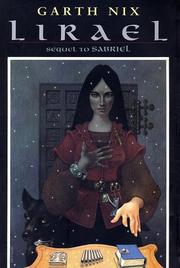
Lirael
A Sightless Clayr girl and a prince afraid of Death join the Dog and Mogget to stop necromancers from waking the Destroyer Orannis at the Red Lake while old…
2,692-word summary · 12 min read
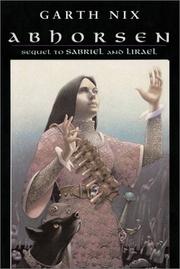
Abhorsen
Lirael as Abhorsen-in-Waiting must bind the Destroyer Orannis with Sam, Dog, and Mogget.
2,214-word summary · 10 min read
The Tombs of Atuan
Priestess Arha guards dark Tombs until wizard Ged comes to steal back ring.
2,043-word summary · 9 min read
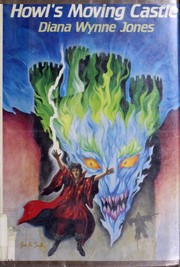
Howl's Moving Castle
Cursed old by the Witch of the Waste, hatmaker Sophie Hatter talks her way into wizard Howl's moving castle and bargains with fire demon Calcifer to break the…
2,363-word summary · 11 min read

Inkdeath
The final Inkworld novel sends Mo into the land of the dead, leaves Meggie choosing between two boys, and ends the Adderhead's immortality with three written…
2,062-word summary · 9 min read

Lioness Rampant
Alanna searches for the Dominion Jewel with the Shang Dragon, then returns to Tortall to face Duke Roger at Jonathan's coronation.
2,478-word summary · 11 min read

The Siren
Saved from a shipwreck in 1930, Kahlen becomes a siren who sings men to their deaths for the Ocean, until a boy in a college library makes her want a life she…
2,369-word summary · 11 min read
The Golem's Eye
Two years after The Amulet of Samarkand, Nathaniel is a rising bureaucrat, Bartimaeus is his unwilling servant again, and something made of clay is tearing…
2,299-word summary · 10 min read

The Rose & the Dagger
Shahrzad is pulled from her Caliph husband and left in a desert camp of rebels, needing to break his curse and end a war before it ends her.
2,520-word summary · 11 min read

The Queen of the Tearling
Nineteen-year-old Kelsea leaves the woods to take her throne, ends a shipment of human captives, and draws the Red Queen's revenge.
2,357-word summary · 10 min read

We Hunt the Flame
In a fractured Arabia-inspired world, a disguised huntress and a prince-assassin race to find a magic-restoring book and confront an ancient evil.
2,195-word summary · 10 min read
The Sword of Shannara
A young half-Elf and a company of companions set out to recover a magic sword before the Warlock Lord destroys the Four Lands.
2,474-word summary · 11 min read
The Magician
Sophie and Josh flee to Paris with Nicholas Flamel, where John Dee, Machiavelli, and an awakened god close in on the missing pages of the Codex.
2,162-word summary · 10 min read
The Hazel Wood
Alice Proserpine has spent her life running from bad luck. When her mother vanishes, she follows a trail of fairy-tale clues to her grandmother's estate and…
2,064-word summary · 9 min read
In the Hand of the Goddess
Alanna, still disguised as a boy, survives war, court plots, and a death duel as the Goddess's chosen warrior in the second Song of the Lioness book.
2,018-word summary · 9 min read
Blue Moon
Ever Bloom tries to save her immortal boyfriend, Damen, from a mysterious illness while a new student named Roman quietly takes control of her school and her…
1,998-word summary · 9 min read
An Enchantment of Ravens
Isobel, a mortal artist in the fairy town of Whimsy, paints a portrait of the autumn prince and falls in love with him, breaking the laws of her craft.
2,087-word summary · 9 min read

The Bane Chronicles
Eleven stories across five centuries follow Magnus Bane from a ban in Peru to his first date with Alec in this illustrated Shadowhunter companion.
2,470-word summary · 11 min read

The Indigo Spell
Sydney Sage hunts an aging witch, learns forbidden magic, and finally admits she loves Adrian, while the Alchemist tattoo on her cheek may be controlling her.
2,604-word summary · 12 min read
The Last Graduate
El must survive graduation when the school feeds seniors to monsters.
2,232-word summary · 10 min read

Rebel Angels
Gemma returns to the realms to bind magic while facing Circe and London season.
2,708-word summary · 12 min read
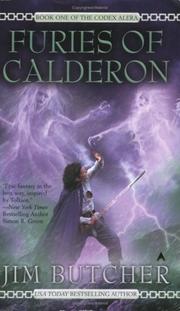
Furies of Calderon
Furyless Tavi defends Calderon Valley when the Marat return and lords scheme.
2,587-word summary · 11 min read
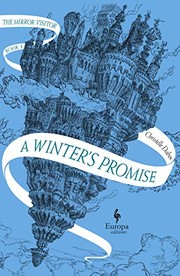
A Winter's Promise
Ophelia reads objects and is sent to marry Thorn on a cold ark.
2,502-word summary · 11 min read
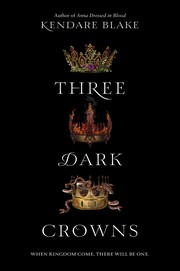
Three Dark Crowns
Three triplet queens must kill each other for the crown, but love and gifts get in the way.
2,134-word summary · 9 min read
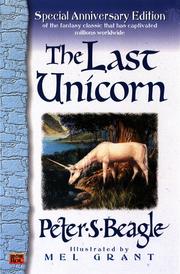
The Last Unicorn
A unicorn learns she may be the last of her kind and sets out to find the others, with a failed magician and a tired woman at her side.
2,245-word summary · 10 min read
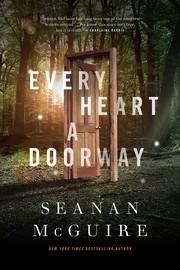
Every Heart a Doorway
Nancy returns from the Halls of the Dead to a school for travelers, where a murder forces portal children to face grief, belonging and the price of going home.
2,400-word summary · 11 min read

The Golden Lily
Sydney Sage guards Jill at Amberwood Prep in Palm Springs, studies forbidden magic, favors Adrian over Brayden, and faces Alchemist custody in this second…
2,988-word summary · 13 min read
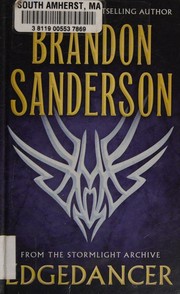
Edgedancer
Hungry street thief Lift and her vine-like friend Wyndle cross the Herald Nale in Tashikk when a child emperor shows Radiant signs and she refuses to step…
2,328-word summary · 10 min read
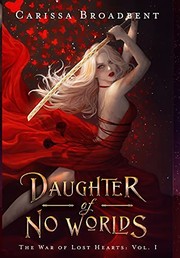
Daughter of No Worlds
A former slave with rare magic hires exiled warrior Max to train her for a daring rescue, sparking slow burn love and wider war in this big 520-page fantasy…
2,529-word summary · 11 min read
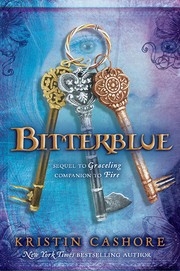
Bitterblue
Eighteen-year-old Queen Bitterblue sneaks out to learn why Monsea still suffers after Leck, facing court lies, ciphers, and trials in Cashore's rich third…
2,686-word summary · 12 min read