
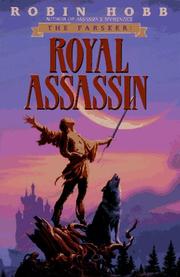
Royal Assassin
2,135-word summary 9 min read 581 pages in the book
- First published
- 1996
- Publisher
- Spectra
- Pages
- 581
- ISBN
- 9780553375633
- Series
- Farseer Trilogy (#2)
Reading options
What's inside (7 sections)
The middle book slump does not apply here. Royal Assassin by Robin Hobb was first published in 1996 by Spectra, a 581 page paperback with ISBN 9780553375633. It is book two of the Farseer Trilogy, after Assassin's Apprentice. Fitz is older, more skilled, and more trapped. Buckkeep is starving under raids while Prince Regal spends on parties. I read it with a pencil for names and a blanket for comfort, because Hobb hurts her favorites and never looks away.
FitzChivalry, bastard son of Prince Chivalry, now nineteen, serves King Shrewd as assassin and as Skill link in training. The Skill is mind magic for ruling, the Wit is beast bond, illegal and despised. Fitz has both, which isolates him. He loves Molly, a candle maker who wants a normal life. He serves Verity, the true heir, who spends himself in the Skill trying to hold the coast against Red Ship Raiders who Forge villagers into empty shells. Regal, the younger prince, plots to take the throne by letting Verity fail.
What makes this volume sing is court decay shown through work. Fitz does not attend balls to sparkle. He carries messages, poisons, and reports. He trains under Chade in hidden rooms. He stands guard while Kettricken, Verity mountain bride, tries to win a court that mocks her accent and her hope. Every small duty costs. Every kindness is watched.
Buckkeep under strain
The kingdom is losing. Raiders Forge coastal folk, leaving bodies that breathe but do not know kin. Trade stops. Taxes rise. Regal throws masques to prove all is well, funded by money meant for ships. Shrewd ages fast, kept upright by Skill and by Fitz quiet help. Verity works the Skill road to the mountains, seeking the Elderlings of legend, leaving Kettricken exposed.
Fitz position worsens. He is no longer a boy to ignore. Courtiers note his scars, his wolf Nighteyes, his closeness to Verity. Regal marks him as obstacle. Galen, the Skillmaster who hated Fitz, is dead, but his students carry his contempt. Fitz tries to learn the Skill properly and fails publicly, which Regal uses. A bastard reaching above station. A Wit beast lover near the throne. Rumors stick because hunger makes people cruel.
Molly thread broke me. She loves Fitz but not his absences, his lies, his night work. She wants a cottage, kids, and a husband home for supper. Fitz wants her and duty both, which is impossible. He misses meetings to poison a threat. He forgets her birthday to save a coast town. She takes work in another town to breathe. Their letters cross with less warmth each time. Hobb writes love under strain without villains. Two good people wanting different lives at the wrong time.
Kettricken shines here. A mountain princess married for alliance, mocked for praying to deer and for wanting to fight beside her husband. She learns court games fast without losing decency. She visits wounded, learns names, and stands up to Regal when he diverts her guard. Fitz assigned to protect her, comes to love her as queen even as he pities her loneliness. Their platonic loyalty is one of the series best relationships.
A practical note. Keep track of Skill versus Wit. Skill is river mind talk, used for commands and maps, burning the user. Wit is individual beast bond, warm and illegal, letting Fitz share senses with Nighteyes. Fitz using both at once is like playing two instruments. It saves him and marks him. When in doubt, Nighteyes POV means truth. Human courts lie. Wolves do not.
Verity road and Regal games
Verity is the tragic center. A good man, dull in court, brilliant in duty, pouring himself into the Skill to hold back raiders while his body thins. He asks Fitz to lend strength, which Fitz gives until noses bleed. Their Skill sessions are intimate and frightening. Two minds merged, sharing memories of Molly, of Kettricken, of dead brothers. Verity sees Fitz love for Kettricken as pure loyalty and trusts him more, which makes Fitz guilt worse for loving Molly less well.
Regal plays a longer game. He starves the coast to prove Verity weak. He buys loyalty with titles. He brings his own Skill coterie of sycophants who can overpower Verity by numbers if not skill. He spreads tales that Verity abandoned Buckkeep for mountain myths. He courts Molly with gifts to wound Fitz. Every move is legal enough to deny and dirty enough to work. Hobb writes him as vanity weaponized, not as cartoon. That makes him scarier.
Chade role deepens. The old assassin, scarred and kind, teaches Fitz poisons that leave no trace and ethics that leave many. When to refuse a kill. How to make death look like failure. He loves Fitz as a son and uses him as a tool, hating himself for both. Their scenes in candle lit rooms, tasting wine for tampering, debating whether Regal can be removed without civil war, carry the book moral weight. What is loyalty when the king fades and the prince rots.
The Forged threat escalates in the middle with a raid Fitz cannot stop. Hobb shows Forging at its worst. A village emptied. Parents who do not know kids. Fitz and Nighteyes find a survivor child hiding in a well and cannot explain why crying is good. That chapter made me put the book down and walk. It is not gore for shock. It is loss of self as war crime. You understand why Verity spends his life to stop it.
If there is a slow stretch, it is the mid court winter where feasts and fittings repeat. Hobb wants you to feel siege boredom and silk rot. I skimmed one masque description and lost nothing. The payoff, when spring brings no ships and Regal blames Verity openly, hits harder for the wait. Hunger makes politics legible.
Fitz and Nighteyes
The Wit bond is the soul of the book. Nighteyes, the wolf Fitz saved as a cub, grows into a huge gray presence who naps by fires and judges courtiers by smell. Their bond deepens from shared hunts to shared thought. Fitz resists at first, fearing discovery and losing human self. Nighteyes waits with wolf patience. You are pack. That is all.
Hunting scenes are joy breaks in a grim book. Running through snow, sharing a hare, feeling cold as data not pain. Hobb writes animal sense beautifully without Disney. Prey dies. Blood steams. Fitz thanks the hare because Nighteyes insists on manners. Those moments keep Fitz human when court teaches him to be a knife.
The bond also costs. Fitz gets wolf habits. Growling at insults. Sleeping curled. Disliking baths. Molly smells wild on him and pulls away. Courtiers whisper beast magic. Fitz must choose daily how much wolf to show. Hiding protects. Hiding also lonely. When he finally lets Nighteyes fight beside him openly to save Kettricken, the relief is huge. No more separating selves to please a court that starves its own.
Burrich, the stablemaster who raised Fitz, returns as conscience. He hates the Wit from old loss, loves Fitz as son, and cannot reconcile both. Their fight about Nighteyes is painful because both are right. Burrich fears Fitz will lose humanity. Fitz knows Nighteyes kept his humanity when humans failed. They part without fixing it, which feels true to family. Love without agreement.
What Hobb does best here is show growth through limits. Fitz learns he cannot save Verity health, Molly trust, and Buckkeep all at once. Choosing which to lose defines him. He chooses duty to Verity and Kettricken over personal happiness, not because Hobb loves pain, but because Fitz believes a kingdom of people outweighs one cottage. Whether you agree will decide how angry the ending makes you.
The Fool, Chade, and women who hold
Two figures keep Fitz upright when princes fail, and they deserve focus. The Fool, pale and sharp, jests in riddles that prove true too often. He loves Fitz in a way the court cannot name, warns him through jokes, and pays prices he hides with bells. His prophecies about a wolf and a queen sound like nonsense until they land. I came to trust his nonsense more than council minutes. When he helps Kettricken flee, risking his own skinny neck, it is not comic relief. It is loyalty without rank.
Chade is the other anchor. Old, scarred, hiding in walls, teaching poisons between lessons on mercy. He gives Fitz tools and regrets giving them. Late in the book, when ordered to kill Regal quietly, Chade hesitates not from fear but from math. Kill one tyrant and start civil war that kills thousands. That hesitation shows assassin ethics at their hardest. Fitz, younger, wants action. Chade teaches delay as care. Their talks by candlelight, tasting wine for bitter notes while debating whether a bad peace beats a good war, are as tense as any duel.
The women hold the realm while men posture. Kettricken, mocked as a mountain bride, learns lowland politics without losing mountain honor. She visits Forged villages others avoid, learns names of the emptied, and insists on funerals when Regal wants silence. Patience, her handmaid, runs messages through laundry and kitchens where soldiers do not look. Molly, even while pulling away from Fitz, keeps her shop open, pays debts, and refuses Regal gifts that would buy gossip. These are not background wives. They are infrastructure. Buckkeep eats because they work while lords feast.
I also want to name Burrich grief more plainly. He raised Fitz after Chivalry abdicated, taught him horses and honesty, and hates the Wit because a Wit bond once got someone he loved killed. His coldness to Nighteyes is not bigotry alone. It is trauma. When he strikes Fitz for using the Wit openly, then tends the wound after, both acts are love in conflict. Their failure to reconcile before the end hurt me more than any battle. Some rifts stay open because neither can bend without breaking faith with dead.
A note on pacing here. Hobb spends long chapters on hallway waits, dress fittings, and feast seating. I understand the point. Courts starve while debating napkins. But two fittings in fifty pages tested me. Skim fabric if you must. Do not skim looks. Who nods to whom at a fitting decides who lives in winter. That social literacy is the real magic system in this book, alongside Skill and Wit.
The price of loyalty
The last act is brutal and brilliant. Shrewd dies, likely poisoned by Regal tools, after Fitz fails to be in two places. Regal seizes power as regent in all but name, arrests Kettricken loyalists, and has Fitz beaten and accused of murdering Shrewd with the Wit. The dungeon chapters are hard to read. Fitz starved, drugged, displayed. Nighteyes kept away by iron and crowds. Molly, pregnant and alone, told Fitz is a traitor. Kettricken flees with the Fool help to seek Verity in the mountains.
Fitz trial is a sham with real stakes. Regal Skill group tries to rip his mind. Fitz holds by clinging to Nighteyes across distance and to Verity faint Skill thread. He refuses to confess to killing Shrewd, admits to using the Wit proudly, and shames the court by showing what loyalty looks like when beaten. The crowd turns, not enough to free him, enough to make Regal afraid to kill him openly. So Regal orders a quiet killing instead.
The escape, if you can call it that, involves Chade poison, the Fool sacrifice, and a choice that changes Fitz forever. I will not detail it for new readers. I will say Hobb does not cheat death. What returns is not what left. Molly moves on as she must. Buckkeep believes a lie. Only Nighteyes and a few know the truth. The final pages, Fitz alone in snow with a wolf, presumed dead by those he saved, are among the saddest in fantasy and the most honest about service. Kingdoms forget fast.
What wears is length and pain. At 581 pages with little humor, fatigue sets in. One more beating, one more betrayal. Hobb risks numbness to show cost. I felt it in the dungeon stretch and pushed through because Kettricken and the Fool kept sparks. New readers should pace, not binge. Let chapters settle.
Still, as a middle book it excels. Apprentice taught rules. Assassin tests them until they break. Fitz learns Skill has prices, Wit has dignity, and courts eat the loyal first. The closing image of a road to the mountains, with a queen seeking a lost king and a wolf guarding a broken boy, pulls you to book three without a cliffhanger trick. Duty remains. So does pack. Read it when you can sit with grief. It rewards patience with depth few fantasies match.
FAQ
When was Royal Assassin published?
Spectra published it in 1996. It runs 581 pages and the paperback ISBN is 9780553375633.
Is it part of a series?
Yes. It is book two of the Farseer Trilogy after Assassin's Apprentice. Read in order.
Similar books
More from Farseer Trilogy first, then related titles.
Assassin's Apprentice
Bastard Fitz trains Skill Wit as assassin for Buckkeep.
2,518-word summary · 11 min read
Assassin's Quest
Fitz returns from death with Nighteyes, walks the Skill road to Verity, and wakes stone dragons at a hard price.
3,081-word summary · 14 min read
Fool's Errand
FitzChivalry Farseer has lived in exile for fifteen years. When Prince Dutiful vanishes before his betrothal, Fitz returns to Buckkeep to find him, with a wolf…
2,606-word summary · 12 min read
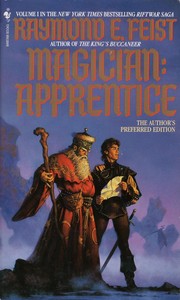
Magician: Apprentice
An orphan kitchen boy and a smith's son grow up in a frontier castle just as invaders from another world open a rift and begin a war that will change both of…
2,114-word summary · 9 min read
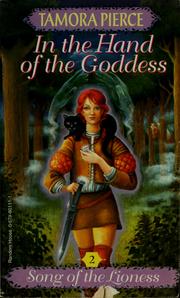
In the Hand of the Goddess
Alanna, still disguised as a boy, survives war, court plots, and a death duel as the Goddess's chosen warrior in the second Song of the Lioness book.
2,018-word summary · 9 min read
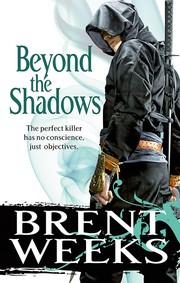
Beyond the Shadows
Kylar Stern bargains with the Wolf, hunts a legendary sword, and faces a goddess wearing the face of the woman he loves in the Night Angel finale.
2,467-word summary · 11 min read
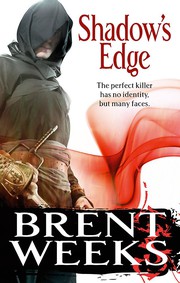
Shadow's Edge
Kylar fakes death as a king killer while Vi hunts him for the Godking.
2,245-word summary · 10 min read
Alanna: The First Adventure
Twins swap roles so Alanna trains as boy page Alan for knighthood while Thom studies sorcery.
2,107-word summary · 9 min read
The Way of Shadows
Street rat Azoth trades his old life to train as Kylar under killer Durzo Blint, learning wetboy skills and costly Talent as war threatens Cenaria.
2,965-word summary · 13 min read
A Wizard of Earthsea
A proud goatherd becomes the wizard Ged, looses a shadow at Roke, and must hunt it across Earthsea to name it. Le Guin's lean 1968 series opener.
2,972-word summary · 13 min read
Heir of Fire
Celaena hides in Wendlyn as heir Aelin and trains with Rowan, while Dorian loves healer Sorscha, Chaol doubts his king, and Manon bonds with Abraxos. Full plot…
2,313-word summary · 10 min read
Throne of Glass
Throne of Glass book 1 retold: Celaena out of Endovier, the contest, Dorian, Chaol, and the castle tests.
1,926-word summary · 9 min read
Crown of Midnight
Crown of Midnight, the second Throne of Glass book, follows Celaena as the King's Champion, a faked death, Nehemia's murder, and her return to Endovier.
2,255-word summary · 10 min read
Harry Potter and the Order of the Phoenix
Harry Potter and the Order of the Phoenix explained: the D.A., Umbridge's regime, the Department of Mysteries, and the loss that changes the series.
2,249-word summary · 10 min read
Harry Potter and the Half-Blood Prince
Harry Potter and the Half-Blood Prince explained: the Pensieve, Tom Riddle's past, Slughorn's memory, and the ending that sets up the last book.
2,018-word summary · 9 min read
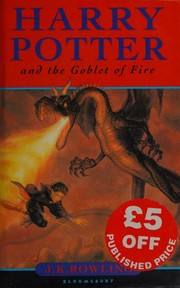
Harry Potter and the Goblet of Fire
Harry Potter and the Goblet of Fire explained: the Triwizard Tournament, the graveyard, Bertha Jorkins, and the point where the series stops being a school…
2,199-word summary · 10 min read
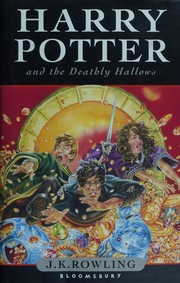
Harry Potter and the Deathly Hallows
Harry Potter and the Deathly Hallows explained: the hunt for Horcruxes, the Resurrection Stone, Snape's memories, and how the series ends in the forest.
2,218-word summary · 10 min read
Harry Potter and the Philosopher's Stone
How Harry Potter and the Philosopher's Stone introduces Hogwarts, the Dursleys, Quidditch, and Voldemort: the first book's plot, its quiet setup, and why the…
2,165-word summary · 10 min read

The Blinding Knife
Kip trains to join the Blackguard while the Prism hides his true identity, loses his colors, and fights a war against a rogue drafter who wants to birth a god.
2,049-word summary · 9 min read

Inkdeath
The final Inkworld novel sends Mo into the land of the dead, leaves Meggie choosing between two boys, and ends the Adderhead's immortality with three written…
2,062-word summary · 9 min read
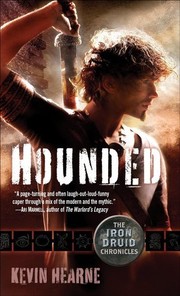
Hounded
A two-thousand-year-old druid runs a bookshop in Arizona, hides from an Irish god who wants his sword back, and talks to his dog.
2,159-word summary · 10 min read
Dawnshard
Rysn sails toward forbidden Akinah to save her dying larkin and finds a Dawnshard guarded by the Sleepless.
3,229-word summary · 14 min read
The Field Guide
Three siblings move into a creepy Maine estate, anger a brownie, and find a forbidden guide to the fairy world in the first Spiderwick book.
2,033-word summary · 9 min read

Magic Burns
A magic flare hits Atlanta, and mercenary Kate Daniels must recover stolen maps, find a missing witch, and keep a teenage girl alive while Celtic gods try to…
2,021-word summary · 9 min read
Year One
A plague released in Scotland kills most of humanity, and the survivors discover magic, build a town, and wait for a child who may save them.
2,029-word summary · 9 min read
The Once and Future Witches
Three estranged sisters bring witchcraft back to an 1893 city where magic hides in nursery rhymes and the fight for the vote is also a fight for power.
2,132-word summary · 9 min read
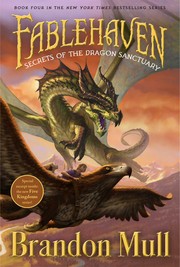
Secrets of the Dragon Sanctuary
Kendra is replaced by a plant copy and held by the Society, while Seth steals a unicorn horn so the family can enter a dragon sanctuary.
2,590-word summary · 12 min read

Lioness Rampant
Alanna searches for the Dominion Jewel with the Shang Dragon, then returns to Tortall to face Duke Roger at Jonathan's coronation.
2,478-word summary · 11 min read
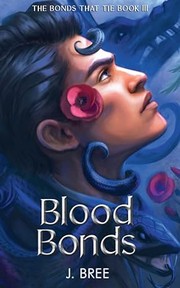
Blood Bonds
Oleander is chained in a Resistance camp, and her five Bonds have to find her before Silas Davies finishes what he started in this third Bonds that Tie book.
2,018-word summary · 9 min read
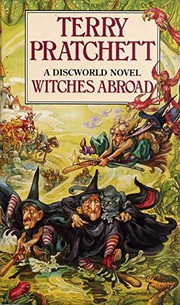
Witches Abroad
Three Lancre witches fly to Genua to stop a fairy godmother from forcing a servant girl into a storybook marriage, and find a city arranged around a happy…
2,651-word summary · 12 min read