
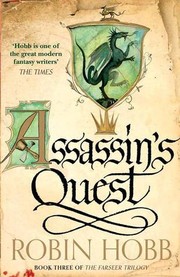
Assassin's Quest
3,081-word summary 14 min read 704 pages in the book
- First published
- 1997
- Publisher
- Spectra
- Pages
- 704
- ISBN
- 9780553106404
- Series
- Farseer Trilogy (#3)
Reading options
What's inside (9 sections)
I did not mean to start Assassin's Quest the night I finished Royal Assassin. I told myself I would take a break. Then I read two pages standing in the kitchen and sat down and stayed there. Robin Hobb published it in 1997, closing the Farseer Trilogy, and the Spectra edition I read runs 704 pages. I knew Fitz was supposed to be dead. I had to see how a dead man walks out of a grave and what it costs him to keep walking.
If you have not read the first two, stop here and start there. This is book three and it leans on everything before it. FitzChivalry Farseer, bastard son of Prince Chivalry, trained as a quiet killer for King Shrewd, broken by Prince Regal at the end of book two. He took poison to escape torture. His friends buried him. His mind slipped into Nighteyes, his wolf. That is where this book opens, not with a court scene but with a wolf trying to hold a human together.
Hobb does not rush the return. That patience is the whole book in miniature. Slow, painful, close on skin and breath and hunger, and then suddenly wide as dragons.
Waking inside the wolf
Fitz is not rescued so much as refused death. Nighteyes will not let him go. The wolf carries Fitz's memory around like a sore tooth, nudging him, growling at him to stay. On the human side Burrich and Chade dig up what they buried. Burrich, the stablemaster who raised Fitz and hates the Wit on principle, holds his boy's ruined body anyway. Chade, the old assassin who taught Fitz poisons and back stairs, works herbs and will beside him.
The chapters where Fitz comes back are ugly in a way I believed. He wakes blind and shaking. He has fits. His body does not obey. He cannot stand being touched some days and cannot stand being alone on others. Nighteyes lies against him and lends steadiness through the Wit, that beast bond Buckkeep calls unclean. It is the most tender thread in the book. A wolf thinking in hunger and weather and pack, keeping a boy anchored while the boy's own mind wants to scatter.
People he loves have already mourned him. Molly, the candle maker's daughter he loved since they were young, believes he is dead and gone. Patience grieves. Kettricken, Verity's Mountain queen, has lost her husband to his mad road and her kingdom to Regal's theft. Fitz wakes to a world that moved on without him, and Hobb lets him feel sorry for himself without making it noble. He is petty. He is angry at being saved into pain. He snaps at Burrich. He resents Chade for needing him again.
I found that opening hard to put down because it is physical. Cold hut, woodsmoke, broth, wolf smell, hands changing bandages. Fitz learning to walk again while his Skill burns raw from misuse. The Skill, the royal mind magic that lets users share thought and strength across miles, is an open wound in him. Every time someone reaches for him through it, he bleeds a little.
His first clear decision, once he can stand, is simple. Kill Regal. Then find Verity. He says it flat, the way tired people state plans they know will kill them. Burrich begs him to stay hidden, to live small, to let the dead stay dead. Fitz cannot. Love for Verity and hate for Regal pull the same direction, south and inland, away from Buckkeep.
A kingdom with its heart cut out
Buckkeep in this book is a shell. Shrewd is dead, murdered by Regal with the help of Skill users who pressed false loyalty into the old king until his heart gave out. Verity, the true heir, the plain hardworking prince who spent his strength shielding the coast from Red Ship Raiders, has vanished into the mountains chasing old tales of Elderlings who might save the Six Duchies. Regal has declared himself king in practice and moved his court inland to Tradeford, where the food is.
Hobb shows the theft through houses, not speeches. Regal's men strip Buckkeep of coin, tapestries, horses, grain. Taxes flow south. The coastal duchies that bled under Raider attacks are left to starve. The Forged, those captives the Raiders return emptied of care and restraint, still wander and steal and harm because no one has time to hunt them. Fisherfolk will not light beacons. Villages empty. Kettricken, pregnant with Verity's child, holds what dignity she can in a keep full of Regal's leftovers.
Kettricken carries a lot of this section. She was the Mountain princess married to seal an pact, mocked at first for her accent and customs, then loved for working beside common folk. Now she refuses to sit as Regal's ornament. She insists the child she carries is the heir, not Regal. She drills with a sword when she can barely stand. She listens to Fitz when he reports what he saw in the Skill current. I admired her here more than in either earlier book because she stops asking permission.
Fitz sees her briefly before he leaves. It is not a grand council. She is tired, sick, trying to keep servants fed. He kneels. She tells him to bring Verity home or do not come home. There is no blessing trick in it. Just a woman sending a broken boy after her missing husband because no one else can go.
Regal himself stays offstage for most of the book, which makes him worse. We hear about feasts in Tradeford while Buckkeep eats thin soup. We hear about bribes to inland dukes, threats to Skill users who will not serve him, arrests of anyone loyal to Verity. Fitz nurses his hate on these stories during his recovery. Hate gives him appetite when grief does not.
Chade stays behind to poison and plot in the dark, too old and ill for the road. Burrich stays to guard those left. Patience holds Buckkeep's memory together. Fitz takes Nighteyes and a pack and goes. It feels wrong to leave them, and Hobb knows it. Every goodbye in this book has the weight of people who do not expect another meeting.
South on the Skill road
The middle of the book is a walk. A long one. Fitz and Nighteyes head south and east toward the mountains, following rumors of Verity and following something stranger, a pull in the Skill that feels like a road under his feet.
He does not walk alone for long. Starling, a minstrel with a sharp tongue and a habit of collecting songs and lovers and trouble, attaches herself to him for part of the way. She wants a song worth singing and smells one on Fitz, though he lies about his name. Then Kettle, an old woman with burned hands and a memory full of holes that turn out to be doors, joins them. Kettle remembers songs about Skill users and dragons that no one else remembers right. She corrects Starling's verses with a fierceness that surprised me.
Travel writing can sag. Here it mostly holds because need presses on every page. They are hungry. Winter does not fully release. Coins run out. Fitz hunts with Nighteyes through the Wit and feels the kill in his own teeth, which shames and steadies him at once. They pass Forged villages where parents steal from children and neighbors kill returned kin on sight. One scene stuck with me, a cabin where a Forged man sits calmly mending a net while his family starves in the next room, unable to feel why that matters. Fitz wants to knife the problem. There is no throat to cut.
Then there is the Skill road itself. Old Skill users paved a road with their magic, or shaped stone with memory, depending which tale Kettle trusts that day. It runs straight where no road should run, over marsh and hill, pale and smooth and wrong to the feet. Fitz can feel strength humming in it. When he steps on it, his Skill headaches ease and his dreams sharpen. Nighteyes hates it. The wolf smells old death in the stone and refuses some stretches, forcing Fitz to choose between his feet and his pack brother. Those small choices build into something large later, about what the Skill asks users to give up.
Kettle proves slow and tough and funnier than expected. She barters, scolds Starling for vanity, shares bread crusts with Nighteyes when Fitz is not looking. Under that she watches Fitz with a scholar's eye. She tests what he knows of Skill walls and sending, asks what Verity taught him, goes quiet when he mentions voices in the stone. I guessed she knew more than she said. I did not guess how much.
Fair warning for new readers. This stretch is slow. Hobb spends pages on rain, boots, blisters, bad porridge, songs by fires. If you came for court poison, you may fidget. I fidgeted once around the second river crossing. Then a Raider attack or a Skill dream would hit and I remembered why the slow miles matter. Fitz is healing on this road in body, and Kettle is schooling him without calling it school.
The Fool, Kettricken and names
The Fool finds Fitz on the road, because of course he does. Pale, thin, painted and jesting even when half starved, the Fool has followed Fitz since Buckkeep in one guise or another. Here he drops more of his masks. He speaks of being a White Prophet, a figure sent to turn history at joined points, and calls Fitz his Catalyst, the person who changes things by being near them without being controlled.
I was wary of prophecy talk. It can excuse lazy plotting. Hobb keeps it grounded by making the Fool uncertain and afraid. He has dreams and jokes and wrong guesses. He begs Fitz not to die, then pushes him toward danger because his visions show no safe path. He bickers with Starling. He is gentle with Nighteyes in a way that tells you the wolf trusts his smell. Their three way bond, boy and wolf and jester, gave me my favorite fireside scenes in the whole trilogy.
Kettricken is on her own road with her own guard, seeking Verity and the Elderlings because sitting in Buckkeep means watching her child's birthright sold. Hobb moves between parties without losing pace. Kettricken's group suffers cold and betrayal and short food, and she refuses special treatment even pregnant. When the groups meet, the reunion is not sweet. Fitz is ashamed of his scars and his wolf habits. Kettricken is angry he hid. The Fool is angry everyone risks the one person his dreams need alive. They still share soup. They still march.
Names matter here. Fitz has been called bastard, boy, assassin, dead man. On the road he uses false names and hates each one. Nighteyes has no use for human names but answers to himself completely. Kettle's true name, when it comes, reframes her whole past. The Fool collects titles like coats and discards them. Hobb uses this to show how power tries to rename people. Regal calls Verity a coward and Fitz a traitor. Kettricken calls Fitz loyal and means it, and that naming holds him upright when Skill voices try to pull him apart.
Molly stays absent and present. Fitz dreams of her with Burrich, or thinks he does through Skill echoes. He tells himself she is safer believing him dead. He is probably right and still a coward about it. I ached at those passages, and I also wanted to shake him. Hobb lets that contradiction sit. Fitz can face Forged men and Skill traps and still cannot face the girl he left.
Verity and the stone dragons
All roads end at a quarry.
Verity is there, or what is left of him. The prince who gave his Skill strength for years to warn ships and hold rivers has spent himself down to bone and cough. He found the old quarry where ancient Skill users carved dragons out of memory stone, a rock that drinks thought and feeling and holds it. He is carving a dragon with his own hands and feeding it his memories, his strength, his very self, day after day, to wake it and fly it against the Red Ships.
The quarry chapters are strange and strong. Stone dust, cold seeps, half finished beasts looming in fog. Verity's hands bleed. He forgets words. He forgets Fitz at first, then remembers through the Skill link with a rush that hurt to read. He has poured so much of himself into the stone that little remains in his skin. Kettle knows this place. She knows what the carving asks because she has seen it before and because she carries her own stored grief ready to give.
Hobb explains the dragons through use, not lecture. Memory stone takes what you press into it. Old users made dragons and gave them fierce short lives, or gave too much and stayed inside. The Girl on a Dragon, a smaller figure nearby, waits for someone willing to finish her. Fitz, who has Skill and Wit both, can feel the stone thirst. Nighteyes can smell life gathering in rock. When Regal's Skill users probe for them, Fitz learns to raise walls Kettle teaches, to hide thought behind wolf thought, to answer force with pack steadiness.
I will not spoil each beat of the waking. It involves Skill joining, Wit lending, blood, and a choice by Kettle that redefines her. What I can say is that the dragons, when they move, feel earned. Not pets. Not tools. Grudges and loves with wings, stitched from human memory and old anger, confused by being awake. Verity's dragon knows Kettricken and the coast and hate for Raiders. It also barely knows Fitz, and that distance lands hard after three books of devotion.
The fight that follows is not tidy sword work. Dragons strike the Red Ships along the coast, burning and scattering. Hobb cuts between quarry pain and distant burning seen through Skill dreams, which keeps the scale human. Kettricken watches the sky she prayed to. Starling sings and then stops singing because no song fits. Fitz gives until his nose bleeds and his wolf staggers, and gives more because Verity asks with his eyes.
If you need battles ranked and counted, this will frustrate you. Hobb cares about what it takes to lift a dragon, not how many ships burn per page. I came to accept that. The cost is the point.
What it cost, and whether it was worth it
Fitz still owes his first vow. Regal.
He does not ride into Tradeford with an army. He goes at Regal through the Skill, with Nighteyes braced beside him, and does what his training never taught. He presses his hate and his grief and every Forged village and every starved child into the usurper's mind until the man who called himself king breaks. Regal lives, after a fashion, ruined and drooling, unable to rule or gloat. Some readers wanted a knife. I understood why Hobb refused it. Fitz was made into a killer by orders. Unmaking Regal from inside, with the magic Regal tried to own, fits the injury better than steel.
The ending after that is quiet and hard. Verity is gone as a man. What rides the dragon has his love but not his life. Kettricken must rule for her child without the husband she crossed a continent to find. Kettle is spent. Starling gets her song and learns songs do not heal. The Fool laughs and cries and leaves hints about roads to come in later books.
And Fitz. Fitz walks away from being Fitz.
Molly has married Burrich, believing Fitz dead, building a life with the one steady man left. Fitz sees them, or sees enough, and chooses not to claim her. He lets the dead stay dead in Buckkeep records. He settles alone with Nighteyes, writing this history, scratching at scars, living as a wolf brother more than a man. Burrich knows. Chade guesses. No court honors him. It is bleak. It is also honest to who Fitz has become. He cannot be a husband in a cottage after what the Skill and Wit made of him, and Hobb does not force a warm close to earn thanks.
Do I have complaints. Yes, and they matter.
The middle walk goes soft in places. A stretch with Starling's songs and Kettle's riddles repeats lessons about Skill price that book two already taught. Fitz pities himself at length, and while I believed the feeling, I tired of hearing it phrased three ways in one camp scene. Nighteyes sometimes solves problems of mood a little too neatly, arriving exactly when Fitz needs courage. New readers may also dislike how little Molly and Patience get to do except wait and grieve while men march. Hobb gives Kettricken and Kettle real work, which helps, but the balance still tips toward the road party.
Yet the strengths outweigh that for me. Nighteyes is one of the best animal minds in fantasy, never cute, always other. The Fool's need and fear feel lived in. Kettle's reveal hit me harder than most twists because it was about memory, not shock. Verity's slow gift of himself to stone is the opposite of a chosen one shortcut. It is labor. It aches. And Fitz, selfish and loyal and broken and stubborn, stays himself to the last page, a boy raised in stables trying to serve people who rarely thank him.
I closed the Spectra printing late, 704 pages feeling both long and short, and sat with the wolf smell still in my head. If you want clean triumph, look elsewhere. If you want a finish that honors pain without worshiping it, that shows dragons as debts paid in personhood, that lets a hero save his country and lose his home, read it. Then sit quiet a while. I needed to.
A note on the text I used
I read the US Spectra first edition from April 1997, ISBN 9780553106404, 704 pages, book three after Assassin's Apprentice from 1995 and Royal Assassin from 1996. The UK Voyager edition came in March 1997 with the John Howe cover. Page counts shift by printing, but Fitz, Nighteyes, Verity, Kettricken, the Fool, Kettle and that quarry wait in the same order.
FAQ
Where does Assassin's Quest fit in the series?
It is book three of the Farseer Trilogy, published in 1997 by Voyager in the UK and Spectra in the US. Read Assassin's Apprentice and Royal Assassin first.
Do I need to read the first two books first?
Yes. Fitz is still healing, Verity is missing, and Regal holds the throne. The quarry, the Skill road, and Kettle only land if you know them.
Does Assassin's Quest have a happy ending?
No. Hobb gives a bittersweet close: the coast is saved by dragons, but Fitz lets Buckkeep believe him dead and walks away alone with Nighteyes.
Similar books
More from Farseer Trilogy first, then related titles.
Assassin's Apprentice
Bastard Fitz trains Skill Wit as assassin for Buckkeep.
2,518-word summary · 11 min read
Royal Assassin
Fitz grows into Skill and Wit while Regal starves Buckkeep and Verity fades on a mountain road.
2,135-word summary · 9 min read
A Wizard of Earthsea
A proud goatherd becomes the wizard Ged, looses a shadow at Roke, and must hunt it across Earthsea to name it. Le Guin's lean 1968 series opener.
2,972-word summary · 13 min read
Fool's Errand
FitzChivalry Farseer has lived in exile for fifteen years. When Prince Dutiful vanishes before his betrothal, Fitz returns to Buckkeep to find him, with a wolf…
2,606-word summary · 12 min read

Secrets of the Dragon Sanctuary
Kendra is replaced by a plant copy and held by the Society, while Seth steals a unicorn horn so the family can enter a dragon sanctuary.
2,590-word summary · 12 min read

Grip of the Shadow Plague
A plague turns Fablehaven's creatures of light into shadows while Kendra hunts an artifact in Arizona and Seth races to find the cause.
2,131-word summary · 9 min read
Magician: Apprentice
An orphan kitchen boy and a smith's son grow up in a frontier castle just as invaders from another world open a rift and begin a war that will change both of…
2,114-word summary · 9 min read

In the Hand of the Goddess
Alanna, still disguised as a boy, survives war, court plots, and a death duel as the Goddess's chosen warrior in the second Song of the Lioness book.
2,018-word summary · 9 min read
Beyond the Shadows
Kylar Stern bargains with the Wolf, hunts a legendary sword, and faces a goddess wearing the face of the woman he loves in the Night Angel finale.
2,467-word summary · 11 min read
When the Moon Hatched
An assassin who hears air takes a job that throws her to dragons and a hunter.
2,083-word summary · 9 min read
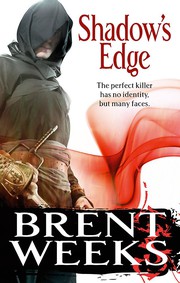
Shadow's Edge
Kylar fakes death as a king killer while Vi hunts him for the Godking.
2,245-word summary · 10 min read
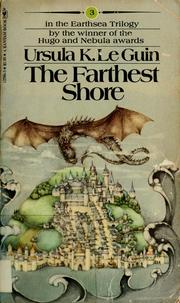
The Farthest Shore
Archmage Ged and Prince Arren sail to the far west to stop Cob, whose bid for endless life drains magic across Earthsea in Le Guin's sad 1972 third volume.
2,800-word summary · 12 min read
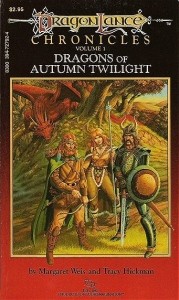
Dragons of Autumn Twilight
Old friends reunite at the Inn of the Last Home, guard a glowing Blue Crystal Staff, face black dragon Khisanth, and free slaves at Pax Tharkas in this 1984…
2,803-word summary · 12 min read
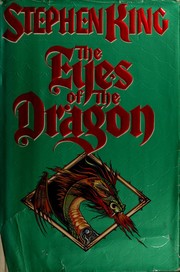
The Eyes of the Dragon
In the kingdom of Delain, a jailed prince and his younger brother face a magician whose long plot for the throne turns on a napkin clue.
2,018-word summary · 9 min read
Alanna: The First Adventure
Twins swap roles so Alanna trains as boy page Alan for knighthood while Thom studies sorcery.
2,107-word summary · 9 min read
The Way of Shadows
Street rat Azoth trades his old life to train as Kylar under killer Durzo Blint, learning wetboy skills and costly Talent as war threatens Cenaria.
2,965-word summary · 13 min read
Inheritance
Eragon and Saphira march on Uru'baen to end Galbatorix, with hidden hearts and hard goodbyes.
3,160-word summary · 14 min read
Brisingr
Eragon rescues Katrina, backs a dwarf king, and earns a burning sword.
2,214-word summary · 10 min read
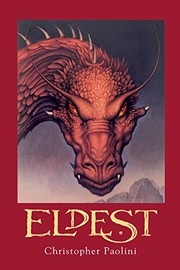
Eldest
Eragon trains with Oromis in Ellesmera while Roran defends Carvahall and Nasuada leads the Varden toward war.
2,652-word summary · 12 min read
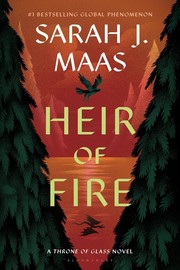
Heir of Fire
Celaena hides in Wendlyn as heir Aelin and trains with Rowan, while Dorian loves healer Sorscha, Chaol doubts his king, and Manon bonds with Abraxos. Full plot…
2,313-word summary · 10 min read
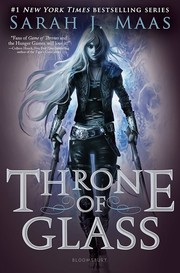
Throne of Glass
Throne of Glass book 1 retold: Celaena out of Endovier, the contest, Dorian, Chaol, and the castle tests.
1,926-word summary · 9 min read
Eragon
Paolini's Eragon retold: a farm boy, a blue stone, Saphira the dragon, and the road to the Varden.
1,996-word summary · 9 min read
Crown of Midnight
Crown of Midnight, the second Throne of Glass book, follows Celaena as the King's Champion, a faked death, Nehemia's murder, and her return to Endovier.
2,255-word summary · 10 min read
Harry Potter and the Order of the Phoenix
Harry Potter and the Order of the Phoenix explained: the D.A., Umbridge's regime, the Department of Mysteries, and the loss that changes the series.
2,249-word summary · 10 min read
Harry Potter and the Half-Blood Prince
Harry Potter and the Half-Blood Prince explained: the Pensieve, Tom Riddle's past, Slughorn's memory, and the ending that sets up the last book.
2,018-word summary · 9 min read
Harry Potter and the Goblet of Fire
Harry Potter and the Goblet of Fire explained: the Triwizard Tournament, the graveyard, Bertha Jorkins, and the point where the series stops being a school…
2,199-word summary · 10 min read
Harry Potter and the Deathly Hallows
Harry Potter and the Deathly Hallows explained: the hunt for Horcruxes, the Resurrection Stone, Snape's memories, and how the series ends in the forest.
2,218-word summary · 10 min read
Harry Potter and the Philosopher's Stone
How Harry Potter and the Philosopher's Stone introduces Hogwarts, the Dursleys, Quidditch, and Voldemort: the first book's plot, its quiet setup, and why the…
2,165-word summary · 10 min read

The Blinding Knife
Kip trains to join the Blackguard while the Prism hides his true identity, loses his colors, and fights a war against a rogue drafter who wants to birth a god.
2,049-word summary · 9 min read

Inkdeath
The final Inkworld novel sends Mo into the land of the dead, leaves Meggie choosing between two boys, and ends the Adderhead's immortality with three written…
2,062-word summary · 9 min read