
Reading options
What's inside (8 sections)
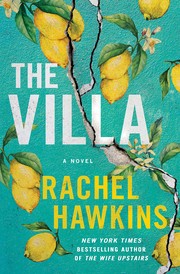
I read The Villa in two summer evenings with windows open, which was perfect because the book smells like heat, pool water, and old vinyl. Rachel Hawkins published it January 3, 2023 with St. Martin's Press, a 288 page hardcover with ISBN 9781250280015. It is a standalone gothic suspense novel, separate from The Wife Upstairs and Reckless Girls. It follows two friends house sitting an Italian villa tied to a 1974 rock murder while their own bond frays. Fans of Lucy Foley and Ruth Ware will feel at home. I did, and then the book turned meaner than I expected, in a good way.
Emily and Chess have been friends since teens, now in their thirties, both writers, both stuck. Emily writes cozy mysteries that pay bills but bore her. She survived a bad illness and a worse marriage patch. Chess writes self help memoirs that sell hugely and feel thin. Chess is magnetic, rich by book money, always a little ahead. Emily loves her and resents her in the way long friendships hold both. When Chess invites Emily to Villa Aestas in Italy for a summer to write, Emily says yes because she needs money, quiet, and to remember why she liked Chess before envy set in.
Villa Aestas, near Orvieto, is beautiful and wrong. Stone walls, lemon trees, pool that glitters too blue, guest house with locks that stick. It belongs to a family tied to a famous 1974 summer when rock star Pierce Sheldon was murdered there. Pierce partied with his girlfriend Mari, a folk singer who wrote iconic songs, her stepsister Lara, a wild beauty, and Pierce bandmate Noel. Drugs, sex, music, Manson fear in the air. Pierce died. Mari wrote an album about it. Lara vanished from public. Conspiracy fans still visit. Emily, a true crime nerd, knows the story. Chess smells a book in it.
Present summer
Present chapters alternate Emily first person with excerpts from Mari memoir, podcast transcripts, and Lara letters. Emily plans to write a cozy. Instead she digs into 1974. She finds demo tapes, a diary page behind a drawer, a guitar with initials. Chess, meanwhile, sunbathes, flirts with the caretaker, video calls her husband, and writes fast pages that sound like Emily life with names changed. Old patterns resurface. Chess borrows Emily clothes, ideas, pain. Emily lets her, then keeps score.
Their friendship is the true mystery. They met in a hospital volunteer program as teens. Chess was bright and grieving. Emily was sick and scared. Chess visited. Emily remembered. That debt shaped everything. As adults, Chess pays for dinners Emily cannot afford. Emily reads Chess drafts for free. Both keep ledgers no one audits. In Italy, heat and idleness audit them. Chess asks why Emily never finished a serious novel. Emily asks why Chess never credits help. Neither answers well. The pool looks inviting. Conversations do not.
Hawkins writes female friendship with teeth. Small thefts, idea borrowing, compliments that cut. Chess tells Emily she is talented but afraid, which is true and cruel. Emily tells Chess she is successful but empty, which is true and cruel. They apologize with wine. They repeat. Anyone who had a best friend who outpaced them will wince in recognition. I did. The book does not pick a good friend. It shows two people using old love to excuse new use.
The villa helps them lie to themselves. Emily walks alone to think and calls it research. Chess sleeps with someone and calls it freedom. They snoop in locked rooms and call it curiosity. The caretaker, a tired man who knows more than he says, warns them the house keeps things. They laugh. Then Emily finds blood on a tile that will not scrub, or thinks she does. Then Chess loses a manuscript page that reappears retyped. Heat makes everything plausible.
1974 songs and blood
Past chapters rebuild 1974 summer with style. Mari, serious musician, writes songs that will become classics. Lara, her stepsister, sings backup and sleeps with everyone to feel loved. Pierce, charismatic and cruel, loves Mari music more than Mari. Noel, quiet bassist, watches. They come to Villa Aestas to record, inspired by Fleetwood Mac rumors, Manson murders in California news, and Shelley Byron summer that birthed Frankenstein. Art plus decadence plus isolation equals danger.
Hawkins nails band dynamics. Rehearsals that soar then sour. Lyrics stolen and gifted. Lara voice that harmonizes perfectly but never leads. Mari guilt about using sister pain for songs. Pierce need to be mythic, which requires cruelty as proof. Drugs arrive as play, then as control. Sex arrives as freedom, then as debt. Noel sees and says little, which later matters. The murder, when it comes, feels overdetermined. Anyone could have. Everyone had reason. That is why myth persists.
Mari memoir excerpts, written decades later, admit and evade. She says she loved Lara. She says Pierce was doomed. She does not say where she was when he died. Lara letters, never sent, accuse Mari of stealing songs and boy. Podcast transcripts add fan theories, some smart, some vile. Emily reads all and starts to see parallels. Mari used Lara like Chess uses Emily. Talent needs witness, and witness starts to charge.
The parallel structure works because Hawkins does not force one to one. Emily is not Mari. Chess is not Lara. But rhymes sound. Both pairs trade care for career. Both houses have pools where truths surface. Both summers end with someone dead or gone. Emily senses it and keeps digging because finishing a serious book matters more than safety. That ambition makes her sympathetic and reckless. I rooted for her pages while wanting to shake her.
What the house keeps
The last third tightens. Emily finds a tape that suggests Pierce murder was not what memoir says. Chess finds Emily notes and uses them for her own proposal. Betrayal lands in a kitchen fight with broken glass, not a cliff. They say true things badly. You only love me when I am useful. You only call when you need an audience. Both true. Both insufficient. They decide to finish summer separately together, professionals sharing a house, which is sadder than screaming.
Danger sharpens too. Someone enters the villa at night. Demo tapes vanish. Emily follows a figure to the old chapel and loses them. Chess receives a threat tied to her husband money. The caretaker confesses he was there in 1974 as a boy who brought groceries and saw something. His story reframes Mari memoir. I will not spoil who killed Pierce. The answer is fair and gothic. Missing manuscripts, debauched aristocrats, a girl who wrote the song that made myth. Hawkins plants the guitar, the diary, the wine stain early. Reread will reward.
Present betrayal mirrors past murder without copying. No one needs to die for damage. Chess publishes first, thanking Emily in small print. Emily publishes later, telling truth with names shifted. Their friendship ends, or pauses. The villa gets sold to strangers who want a wedding venue. Ghosts, if any, stay for tourists. That flat aftermath feels right for books about art made from friends. Success costs. Myth pays better than fairness.
Fair criticism is needed. Dual timeline needs tracking. Names double, Mari Lara Emily Chess plus Noel Pierce plus caretakers. Readers who skim headers will confuse 1974 and now. Middle sags with sunbathing pages that repeat heat. Chess can feel thin beyond charm, which may be point but still frustrates. The Manson and Fleetwood Mac nods name check more than deepen. Fans of Hawkins earlier twists may guess the killer early. I guessed half and still enjoyed how.
The book also asks forgiveness for using real pain as material without fully answering. Emily uses Mari pain for a book. Hawkins uses Fleetwood Mac and Manson vibes for plot. All writers do. The Villa implicates itself, which I respect. Chess line about writers cannot be trusted, least of all when they say this really happened, could be the epigraph.
Who should read it
Adults fit best. There is murder, drug use, open door sex, toxic friendship, abortion mention, strong language. Teens should wait even if they love thrillers. Fans of gothic suspense, dual timelines, books about books will feel fed. Fans of fast slashers should adjust. This is slow burn with heat.
Pair with Daisy Jones for 1970s rock texture or with The Wife Upstairs for Hawkins voice. Read with cold wine, near water if you can. Note who tells each villa story and what they sell. Writers lie, especially about muses. The Villa knows and still sings.
I closed it thinking about my own old friend who outpaced me. We do not share a villa. We share messages on birthdays. The book made me text her something true, not useful. That is what good suspense does after scares fade. It leaves a house in your head you can revisit and choose differently next time. Villa Aestas will claim another victim, the cover warns. Mine was complacency about old debts. Paid, for now.
Tapes, memoir, and who tells
The demo tapes and memoir structure deserve praise as more than gimmick. Mari memoir, written old, smooths edges. She remembers songs fully and fights vaguely. Lara letters, never sent, remember fights fully and songs as theft. Podcast hosts argue about both with confident ignorance. Emily listens to all three while walking villa halls with headphones, hearing dead voices where they lived. That layering shows how myth forms. Each retelling keeps what serves teller. Truth hides in gaps between versions. Emily job is to stand in gaps and listen for echo.
One tape scene stands out. Emily finds a rehearsal where Mari stops a song to correct Lara harmony. Lara laughs and tries again. Pierce talks over them about image. Noel tunes quietly. You hear talent and power in real time. Mari leads. Lara follows beautifully. Pierce takes credit. That two minute audio explains more than memoir chapters. Emily replays it while looking at pool where they swam after. Past and present overlap without ghost tricks. Just ears and place.
Chess uses research differently. She wants hook, not truth. She pitches a book about two friends in a haunted villa, which is Emily life with murders added. Emily reads proposal and feels sick. It is good. It is also theft. Their fight about it, in a kitchen with good knives nearby, stays verbal but feels dangerous. You only write about me when I am useful, Emily says. You only call when you need an audience, Chess answers. Both true. Neither forgiven. That exchange will stay with me longer than killer reveal because I lived versions of it.
The caretaker confession reframes everything without excusing. He was a boy who brought bread in 1974 and saw Lara crying by the chapel. He told no one because powerful people scared him. He tells Emily now because cancer and conscience press. His memory is partial. He admits gaps. Emily must decide how much weight to give an old man making amends. She chooses to believe the feeling if not every detail. That choice, to trust imperfect witness, mirrors readers deciding which narrator to trust. Hawkins makes us do Emily work.
After, Emily writes her serious novel. Not about 1974 alone, but about using friends for art. She sends Chess a copy with a note, for what you gave, not what you took. Chess replies with a postcard, no apology, just an address for next summer, different house, no ghosts advertised. Whether they go is left open. I hope they do, older and warier, with contracts about who owns what stories. Friendship after use needs paperwork, sad and true.
Chess, Emily, and work
Work rivalry fuels the friendship crack as much as old debts and deserves a closer look. Emily writes cozy mysteries on deadline, four books a year, outlines approved, covers cute. She is good at it and bored by it. Chess writes memoirs that confess just enough, tours where audiences cry, advances that dwarf Emily pay. Each envies the other freedom. Emily envies money to write slow. Chess envies permission to hide behind fiction. In Italy they swap advice badly. Chess tells Emily to brand her pain. Emily tells Chess to invent less. Both suggestions miss because they serve giver, not receiver.
Their writing days show process. Emily outlines, researches, writes mornings, walks afternoons to think. Chess writes in bursts after wine, calls Emily to read, rewrites from feedback without credit. When Emily finds her own diary lines in Chess draft, she says nothing at first. Then she moves her desk to the guest house. That move, small and practical, sets boundary better than fight. Chess notices and brings coffee as peace offering. Emily accepts coffee and keeps desk moved. Work teaches them what talk cannot. Distance helps pages and people.
The final books they produce tell truth sideways. Chess publishes a memoir about needing to be loved that sells well and feels thin to those who know. Emily publishes a novel about two friends in a villa that sells modestly and feels true to those who lived it. Neither names the other directly. Both know. Readers will choose which they prefer. I preferred Emily novel, though I am biased toward fiction that admits theft. Chess fans will prefer confession with gloss. Hawkins lets both exist without crowning winner. The market crowns, as always, the shinier lie. That flat fact stings more than murder.
FAQ
When was The Villa published and how long is it?
St. Martin s Press published it January 3, 2023. The hardcover runs 288 pages with ISBN 9781250280015.
Is The Villa part of a series?
No. It is a standalone gothic suspense novel, separate from The Wife Upstairs.
Is The Villa appropriate for teens?
Adults fit best. There is murder, drug use, open door sex, and toxic friendship.
Similar books
The Turn of the Key
A nanny writes from prison about a smart Highland house, four girls, and the night one child died.
3,207-word summary · 14 min read
The Only One Left
Caregiver Kit tends mute Lenora Hope accused of 1929 family murders.
2,592-word summary · 12 min read
The Heiress
A missing heiress returns to claim a mansion full of letters and lies.
2,362-word summary · 10 min read
Reckless Girls
Six young travelers chase paradise on remote Meroe Island, where old lies, smashed radios and hidden cash turn sun and sand deadly.
2,703-word summary · 12 min read
The Wife Upstairs
A struggling dog walker falls for a wealthy widower in Alabama, but his missing wife may still be alive upstairs.
3,255-word summary · 14 min read

What She Knew
Rachel lets her eight-year-old son run ahead in a Bristol park, and the nine-day search turns her into a suspect in the public eye.
2,952-word summary · 13 min read

The Beach House
A young valet is beaten to death at a Hamptons party, and his law-student brother spends a year building a case against the family that covered it up.
2,049-word summary · 9 min read

Six Years
A professor who promised to forget the woman he loved sees her husband's obituary and discovers that the wedding, the marriage, and the woman herself may never…
2,076-word summary · 9 min read

Rules of Prey
Minneapolis detective Lucas Davenport hunts a killer who leaves a new rule at every scene and treats murder as a game of wits.
1,914-word summary · 9 min read

Night Film
A disgraced journalist investigates the death of a reclusive horror director's daughter, following a red coat through hospitals, secret clubs, and a family…
2,690-word summary · 12 min read

4th of July
Lindsay Boxer shoots two armed teenagers in self-defense, faces a wrongful-death trial, and spends her leave chasing a string of throat-slashing murders in…
2,192-word summary · 10 min read

61 Hours
A bus crash strands Jack Reacher in a snowbound South Dakota town where a drug gang, a corrupt police force, and a single witness are on a collision course.
2,227-word summary · 10 min read

The Moonstone
A cursed yellow diamond vanishes on the night of a birthday party, and eight witnesses tell what they saw.
2,603-word summary · 12 min read

Still Missing
A realtor is abducted at a Vancouver Island open house and held for more than a year. Told through therapy sessions, the novel follows her escape and the hunt…
2,466-word summary · 11 min read

Bad Luck and Trouble
A deposit of $1,030 summons Jack Reacher back to his old army unit, which is being picked off one name at a time.
2,366-word summary · 11 min read

3rd Degree
The third Women's Murder Club novel follows a San Francisco terror cell and a three-day killing schedule, and it costs the club a member.
2,685-word summary · 12 min read

Worth Dying For
Reacher stops for one night in rural Nebraska and finds a family that runs the county, a missing girl and a shipment worth killing for.
2,021-word summary · 9 min read
Tinker, Tailor, Soldier, Spy
Retired spymaster George Smiley is brought back to find a Soviet mole inside British intelligence, and the trail leads through old friends, old betrayals, and…
2,092-word summary · 9 min read

The Best of Friends
Three lifelong friends discover their teenage sons were hiding more than anyone knew after a night that leaves one dead, one in a coma and one silent.
2,040-word summary · 9 min read

Say You're Sorry
A widowed prosecutor defends the teenager accused of killing her babysitter, uncovering a small town's secrets and a killer hiding in plain sight.
2,116-word summary · 9 min read

Echo Burning
Reacher hitches a ride with a Texas woman who wants her abusive husband killed, then has to prove she did not murder him when he comes home.
2,209-word summary · 10 min read
The End of Her
A sleep-deprived mother of twins faces a stranger's accusation that her husband murdered his first wife in Shari Lapena's domestic suspense novel.
2,383-word summary · 11 min read

Girl, Forgotten
A rookie US marshal guards a judge with a stalker and ends up reopening the 1982 prom-night murder of the judge's pregnant daughter.
2,111-word summary · 9 min read
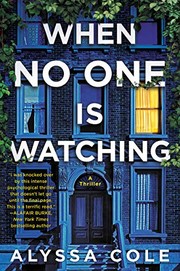
When No One Is Watching
Sydney Green watches her Brooklyn block's Black residents vanish one by one in Cole's Edgar-winning thriller about gentrification as a crime scene.
2,165-word summary · 10 min read

The Woods
Twenty years after two teenagers were murdered and two vanished at summer camp, prosecutor Paul Copeland identifies a fresh corpse as one of the missing.
2,490-word summary · 11 min read

The Boy from the Woods
Wilde, found feral in a New Jersey forest in 1986, hunts for a missing teenager while a senator's secrets tear a wealthy town apart.
2,270-word summary · 10 min read
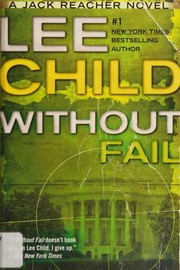
Without Fail
Reacher is asked to test vice presidential security by planning to kill.
2,084-word summary · 9 min read
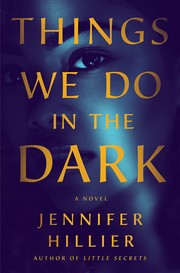
Things We Do in the Dark
A comedian kills her husband, then a podcaster digs up her teen murder past.
2,427-word summary · 11 min read

The Widow
A widow of a suspected criminal faces reporters and police while hiding what her marriage really cost.
2,599-word summary · 12 min read

The Therapist
A couple moves to a gated street where the previous therapist was murdered in their house.
2,437-word summary · 11 min read