
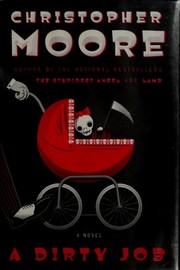
A Dirty Job
2,454-word summary 11 min read 384 pages in the book
- First published
- 2006
- Publisher
- William Morrow
- Pages
- 384
- ISBN
- 9780060590277
- Series
- Grim Reaper (#1)
Reading options
What's inside (6 sections)
I found A Dirty Job on a cart outside a used bookstore in San Francisco, which felt right. The sticker said funny and sad, and the back mentioned a secondhand shop owner who becomes Death. William Morrow published it in March 2006, 384 pages in the first hardback, and I read it on the bus home while trying not to laugh out loud. Moore writes jokes the way some people cook with garlic. A lot, fast, and without apology. This book also has grief at its center, which keeps the jokes from floating away.
Charlie Asher is our man. He runs a secondhand shop in the city, selling lamps and chairs and old records people no longer want. He describes himself as a Beta Male. Not the wolf of the pack. The careful one. The one who irons shirts, worries about money, loves his wife with a nervous intensity, and reads instructions twice. His wife Rachel is sharp and funny and pregnant. His co worker Ray keeps the shop running and teases him. His sister Jane is blunt and loyal and shows up whether invited or not.
The early chapters are domestic comedy with dread underneath. Charlie fusses over the nursery. He buys the wrong crib sheets. He argues with Rachel about names. Rachel laughs at him and also loves him, which Moore makes clear in small exchanges rather than speeches. Then Rachel goes into labor, gives birth to a healthy girl they name Sophie, and dies from complications. It happens fast. One chapter she is joking with nurses. The next Charlie is holding a baby and signing papers he cannot read because his eyes will not focus.
A tall man in mint green
Grief makes Charlie strange to himself. He hears things. He sees a tall Black man in a mint green suit at the hospital near Rachel's room, calm while everyone else rushes. He sees the same man again near the shop. Then objects start appearing. A little red book with names and dates in handwriting that is not his. Small vessels, cups and boxes and odd containers, that seem to call for attention when someone nearby is about to die.
Moore does not stretch the mystery. The mint green man is Minty Fresh, a career Death merchant, and he has come because Charlie has been drafted. In this world, Death is not one skeleton with a scythe. It is a job spread across cities, with merchants who collect souls when people die and place them into vessels so they can move on. When one merchant dies or retires, another gets the book. Charlie got the book because the previous merchant for his territory died right around Sophie's birth. He did not apply. He inherited.
Charlie tries to refuse. He is a shopkeeper with a newborn and no sleep. He tries to give the book away. He tries to ignore the names. That fails. When a name in the book dies and Charlie is not there, things go wrong. Souls stick around. Shadows gather. The book adds new pages on its own. Minty Fresh keeps appearing with dry advice that sounds like a joke until it turns out to be exact. Get a helper, he says. Carry vessels. Do not lose the book. Do not ask too many questions about the schedule.
I liked how Moore plays this stretch. Charlie feeds Sophie at 3 a m while reading a list of strangers who will die that week. He brings the baby to the shop in a carrier and changes diapers between customers. Ray covers for him and pretends not to notice the red book. Jane brings food and tells Charlie he looks terrible, then stays to hold Sophie so he can shower. The comedy comes from logistics. How do you run a shop, raise a baby alone, and collect souls on time?
Learning to collect
The middle of the book is Charlie learning the trade in episodes. He recruits Lily, a young goth woman who hangs around the shop and seems unbothered by dead bodies and strange lights. She becomes a sort of apprentice, funny and morbid, good with Sophie, quick to name what Charlie will not say. He learns that vessels matter. A soul needs a container at the moment of death or it gets loose and hungry. He learns that dogs can see what people cannot, and his encounters with large hellhounds, huge black dogs that follow Death merchants, mix fear with slapstick. One scene has him trying to act normal while a dog the size of a couch watches him through a shop window.
He also learns about the sewer harpies. Down under the streets live three strange women, Morrigan and her sisters, who trade in old things and old grudges. They are funny and foul mouthed and dangerous. They want vessels for their own reasons. They flirt with Charlie and threaten him in the same paragraph. Moore gives them long riffs about secondhand goods, about men, about the city. Some of those riffs sing. Some go on a beat too long, which I will come back to.
Charlie also keeps trying to be normal in ways that fail. He writes Beta Male memos to himself about staying calm. He prices a set of dishes while a soul tugs at his attention from two blocks away. He asks Ray to watch the register and Ray agrees, then asks why Charlie smells like candles and rain. Jane drops by with groceries, sees Lily rocking Sophie behind the counter, and decides the shop has become a daycare with ghosts. She is not wrong. She starts a schedule on the back of a receipt, feeding times and nap times and who holds the baby when the book lights up. That receipt stays taped to the register for most of the book, getting crowded with notes, and I loved that detail more than any lore.
Lily earns her keep in these chapters. She is young and spiky and tired of being dismissed. She talks to Sophie in a soft voice she uses with no one else. She tells Charlie about foster homes and night jobs and why she prefers the dead to most living people she has met. Moore lets her be more than a joke. When she reads from old soul trade texts, she gets the pronunciation wrong and then gets the meaning right, which feels true to how smart nineteen can be. The Emperor helps too, in his odd way. He walks his rounds with his small court, notes which alleys feel cold, and sends word through shopkeepers. Moore treats him with respect, not as a punchline, and those pages give the city a kinder texture.
San Francisco itself is a character. Moore loves the fog, the hills, the thrift shops, the Emperor Norton history that locals still quote. There is an Emperor figure in the book, a cheerful homeless man treated as royalty by a small court, who sees more than he lets on. There is a widow who will not leave her apartment. There is a cop who keeps showing up at odd deaths. Charlie bikes and drives between these stops with Sophie asleep in the back, the red book buzzing in his pocket like a second phone.
Sophie is key here. Babies in Moore books are never just babies. Sophie seems to draw attention from things under the city. Lights flicker near her. The hellhounds are gentle with her. Minty Fresh watches her with interest that worries Charlie. Charlie starts to wonder if his daughter is ordinary, or if her birth at the exact moment he took the job marked her. He does not have language for it. He just holds her tighter.
This episodic stretch is where the book both wins and sags. Wins because the set pieces are strong. A death in a hotel with the wrong vessel. A death in a hospital where Charlie has to talk his way past nurses. A night when Lily and Ray have to stall a customer while Charlie handles a soul in the back room. Sags because the pattern repeats. Name appears. Charlie dreads. Charlie scrambles. Soul collected or missed. Joke, grief beat, reset. After the fourth or fifth cycle, I started skimming to get to the plot underneath.
Orcus and the harpies want Sophie
Under the jokes, a darker story gathers. Orcus, an older and colder power tied to the underworld, wants Sophie. The idea is that she could be a vessel on a larger scale, a hellmouth or a bridge, someone through whom the dead could push into the living world. The harpies want a hold over that power. Minty Fresh wants order kept without a war in his territory. Charlie wants none of it. He wants to sell a lamp, feed his daughter oatmeal, and sleep four hours straight.
Moore stages this as farce turning serious. The harpies invite Charlie to dinner and serve food he should not eat while asking about Sophie's likes and naps. Orcus sends signs through dead phones and cold rooms. Lily finds old texts about soul trade and reads them aloud in the shop while Ray makes coffee and Jane sharpens her opinions. The Emperor and his followers watch the streets and report movement. At one point Charlie has to choose between answering a name in the book and staying home with a sick Sophie. He stays home. A soul goes loose. He pays for it with a haunting that stains the shop walls and with guilt that sits next to grief.
I thought the best scene in this section was quiet. Charlie takes Sophie to the park early, before the city wakes. He talks to Rachel as if she can hear. He says he is bad at this job and bad at being both parents. He says the red book knew Rachel's name before she died and he cannot forgive it for that. Sophie grabs his finger and drools on his sleeve. No ghosts. No jokes. Just a tired father saying true things to a baby who cannot answer.
Then the plot pulls him back under. The harpies take Sophie for a short time, not to harm her at first but to prove they can. Charlie panics in a way that strips the comedy out of his voice. Minty Fresh drops the cool act and helps because even he sees Orcus going too far. Ray and Jane step up in ways that surprised me. Ray, who seemed like comic relief, stands in a doorway and refuses to move. Jane, who seemed like commentary, drives through traffic like a stunt driver and carries Sophie out wrapped in a coat.
What works and what wears out
The last hundred pages move fast. Charlie stops trying to quit and starts trying to do the job on his terms. He accepts that he is Death for his patch of the city. He sets rules. Protect Sophie first. Collect cleanly. Do not trade souls for favors. He confronts the harpies in their own space with Minty Fresh at his back and Lily talking fast enough to buy time. He faces Orcus in a showdown that mixes fire and paperwork, which sounds odd and reads just right for Moore. A name is crossed out. A vessel is filled. A debt is paid that costs Charlie something real but not cruel.
The ending is warm to the point of sweet. Sophie lives. The shop survives. Ray and Jane settle into something like family around Charlie. Lily finds a place. Minty Fresh nods and moves on to the next territory. Charlie learns to hold grief and love without needing the book to explain either. I closed the 384 pages feeling fond of everyone, which is what Moore wants.
Fond does not mean flawless. Let me be plain about the drags.
First, the middle is episodic. Once you understand the job, you get many versions of the same run. Collect, joke, baby care, harpy tease, repeat. The Orcus threat simmers too long before it boils. I would cut two collection episodes and bring the Sophie danger forward by fifty pages.
Second, some edgy jokes have dated. Moore in 2006 loved riffs about race, sex, and street people that read as punchlines first and people second. Minty Fresh as a name is a joke about a suit that keeps working because the character has dignity, but a few other gags about homeless men and goth girls feel thin now. Lily survives because she gets interior moments. Some minor figures stay as bits.
Third, the end is a little too sugary after so much bite. Grief that felt raw early, Rachel's empty chair, Charlie smelling her shampoo on a scarf, softens into lessons about love living on. True, but tidy. I wanted one rough edge left. A friendship that did not mend. A death Charlie could not fix. Moore gives almost everyone a hug.
Still, I recommend it, especially if you like funny books that allow sadness. Charlie Asher is a memorable creation because he is not brave in the usual way. He is careful and anxious and decent. He shows up with the right vessel even when his hands shake. He learns to change Sophie with one hand while holding the red book in the other. He tells the truth when lying would be easier. His growth from a man who wanted a manual for everything to a father who can act without one is gradual and sweet without feeling forced.
One more thread deserves note. Moore gives Charlie small wins at work that mirror the soul job. He finds the right lamp for a lonely buyer. He refuses to cheat an old seller even when he could. He cleans the shop bathroom without being asked because Jane threatens him and because it needs doing. Those scenes sound dull in summary. On the page they build the case that attention is a form of care. Collecting souls well and selling used goods well both ask for presence. Charlie gets better at both at the same pace, which makes the final acceptance land.
What stayed with me was not the lore about vessels or the sewer politics. It was the shop. Bell over the door. Dust in light. Price tags in Charlie's neat hand. A baby asleep behind the counter while the city brings its dead and its jokes and its second chances through the door. Moore makes work holy without saying so. Selling a used lamp to someone who needs it, collecting a soul on time, warming a bottle at midnight. Same job, really. Show up. Carry what is given. Pass it on clean.
FAQ
When was A Dirty Job published?
William Morrow published it in March 2006. The first hardback runs 384 pages with ISBN 9780060590277.
Is A Dirty Job part of a series?
Yes. It opens the Grim Reaper books as book one, with Charlie Asher taking the Death job in San Francisco.
Who is Minty Fresh?
Minty Fresh is the career Death merchant in the mint green suit who trains Charlie. He explains vessels, the red book, and the rules for collecting souls.
Similar books
More from Grim Reaper first, then related titles.
Hogfather
Death fills in for a missing Father Christmas, Susan Sto Helit hunts the Hogfather, and the twentieth Discworld novel turns Santa into a management problem.
2,871-word summary · 13 min read
Reaper Man
Death gets fired and farms while Windle Poons refuses to die.
2,579-word summary · 11 min read
Hounded
A two-thousand-year-old druid runs a bookshop in Arizona, hides from an Irish god who wants his sword back, and talks to his dog.
2,159-word summary · 10 min read

The Bane Chronicles
Eleven stories across five centuries follow Magnus Bane from a ban in Peru to his first date with Alec in this illustrated Shadowhunter companion.
2,470-word summary · 11 min read
Mort
Death hires apprentice Mort in this 1987 Discworld comedy, where a spared princess splits reality and duty bends for love, with no Rincewind.
2,386-word summary · 11 min read

First Grave on the Right
Charley Davidson is a private investigator in Albuquerque and the grim reaper. When three murdered lawyers come back as ghosts, her two jobs collide.
2,770-word summary · 12 min read
Bone, Vol. 1: Out from Boneville
Three cartoon cousins are run out of Boneville, separated by locusts, and dropped into a valley where rat creatures and an old grudge are waiting.
2,155-word summary · 10 min read

A Long Way Down
Four strangers meet on a London rooftop on New Year's Eve, each planning to jump, and end up making a pact to stay alive until Valentine's Day.
2,145-word summary · 10 min read

Magic Burns
A magic flare hits Atlanta, and mercenary Kate Daniels must recover stolen maps, find a missing witch, and keep a teenage girl alive while Celtic gods try to…
2,021-word summary · 9 min read
At Grave's End
Cat and Bones face Max, a zombie-raising ancient vampire, and a prophecy that ties their marriage to Patra's death in the third Night Huntress novel.
2,061-word summary · 9 min read
Witches Abroad
Three Lancre witches fly to Genua to stop a fairy godmother from forcing a servant girl into a storybook marriage, and find a city arranged around a happy…
2,651-word summary · 12 min read
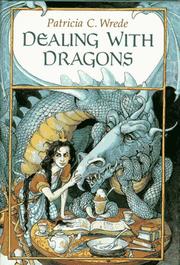
Dealing with Dragons
A princess who hates embroidery runs away to become the cook and librarian for a dragon, then has to outthink wizards, knights, and a plot against the dragon…
2,563-word summary · 11 min read

The Golem's Eye
Two years after The Amulet of Samarkand, Nathaniel is a rising bureaucrat, Bartimaeus is his unwilling servant again, and something made of clay is tearing…
2,299-word summary · 10 min read

George's Marvellous Medicine
George stirs a brew of dozens of household chemicals and gives it to his grumpy grandmother, and the medicine works far better than anyone planned.
2,014-word summary · 9 min read
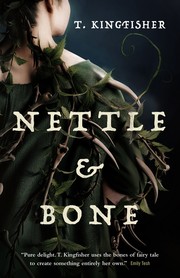
Nettle & Bone
Marra, a princess in a convent, leaves to save her abused sister, but first she must finish three impossible tasks: a bone dog, a nettle cloak, moonlight in a…
2,061-word summary · 9 min read

Lore
Lore Perseous, the last of a hunted bloodline, is pulled back into the Agon when a wounded Athena offers her revenge against the god who killed her family.
2,188-word summary · 10 min read
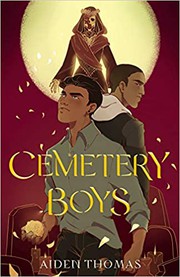
Cemetery Boys
A trans brujo in East Los Angeles summons the ghost of a boy who refuses to move on, and together they uncover a murder hidden beneath Día de los Muertos.
1,997-word summary · 9 min read
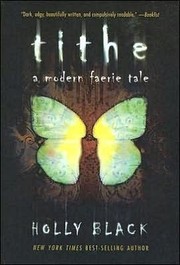
Tithe: A Modern Faerie Tale
A retelling of Holly Black's Tithe: Kaye Fierch returns to the Jersey Shore, discovers she is a changeling, and becomes the mortal sacrifice in a faerie power…
2,586-word summary · 11 min read
Ghost Story
Dead but not gone, Harry Dresden returns as a spirit to find his killer, protect the friends he left behind, and learn why the afterlife gave him a second…
1,978-word summary · 9 min read
Glass Houses
Claire Danvers moves off campus to escape a bully and lands in a house where the roommates know Morganville's real secret: the town belongs to vampires.
2,345-word summary · 10 min read
Cold Days
Back from the dead as the Winter Knight, Harry Dresden must follow Mab's order to kill an immortal and defend Demonreach on Halloween night.
2,361-word summary · 10 min read
Sourcery
A dying wizard hides his soul in a staff, his eighth son becomes a sourcerer strong enough to break the world, and Rincewind is sent to stop him with a sock.…
2,404-word summary · 11 min read
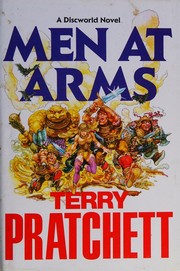
Men at Arms
The City Watch gets new recruits and a murder case when the Disc's only handgun turns up in Ankh-Morpork, in the fifteenth Discworld novel.
2,216-word summary · 10 min read
Dreamfever
With the walls between worlds down and Mac broken by the Fae, Dreamfever is the darkest volume of the Fever series, and the one that changes everything.
2,007-word summary · 9 min read
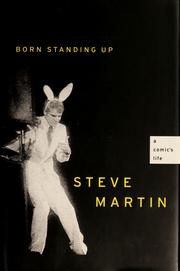
Born Standing Up: A Comic's Life
Steve Martin's memoir of how a shy Disneyland magician's assistant built a strange avant-garde act, and why he walked away from stand-up at his peak.
2,034-word summary · 9 min read

Bitten
Elena Michaels is the world's only female werewolf, and keeping that world away from her human life in Toronto works fine until the Pack calls in a favor.
2,039-word summary · 9 min read
Turn Coat
Morgan asks Harry for sanctuary as the Council calls him traitor.
2,590-word summary · 12 min read
Small Favor
Harry owes Mab a favor and must find Marcone while Denarians hunt a holy girl.
2,741-word summary · 12 min read
Silver Borne
Mercy hides a Fae book while Samuel slips and the fae close in.
2,571-word summary · 11 min read